Shared Water Agreements and You
When it comes to dealing with a property, there are many aspects that you have to take into consideration. This can include the taxes on your property, as well as any other fees that may be associated with it. In some cases, you may also be in a situation where your water well is shared with other residences.
This is known as a shared water agreement, and it can be a difficult situation to deal with.
What is a Shared Water Agreement?
To be more specific, a shared water agreement is a type of a contract that allows two or more parties to share the same well. This can be done for various reasons, such as the fact that the residents in an area may not have access to their own water source.
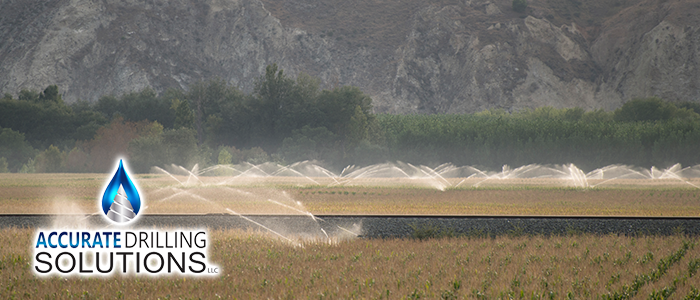
Often, a shared water agreement is used for agricultural purposes, as it allows multiple farmers to share one well in order to irrigate their crops. This can be a good way of conserving resources and eliminating the need for multiple wells in one small area, but it can also cause issues if the contract isn’t written correctly.
What Kind of Issues Are Common
A shared water agreement can be beneficial for farmers, but it can also cause issues if the contract isn’t written correctly. This can happen if, for example, one party doesn’t use their share of the water or breaks any other terms laid out in the contract. If this happens, then there may be legal repercussions for both parties involved in the agreement.
For example, if one party overuses their share of water, then this can affect the other farmers who are relying on that water. If there are no repercussions for breaking the contract, then one party may feel like they have nothing to lose by not following through with their responsibilities. This can lead to further issues that negatively impact both parties involved in the agreement.
What Kind of Legal Ramifications Could Occur
Some of the common levies against someone who breaks a written contract are usually those that involve monetary damages. For example, if someone breaches a contract for the sale of property, then this could mean that the seller may have to give back any money they received from the buyer as part of their down payment.
But, in the case of a shared water agreement, the court may not be able to award monetary damages. This is because the water being shared belongs to both parties and cannot be considered personal property in the same way that a home or car can be. In this case, it would need to be resolved with a lawsuit against the other party- Something extremely costly and with little benefit when you could instead rely on your own personal well.
If you want to avoid the hassle of shared water agreements, look no further than Accurate Drilling Solutions to solve your problems promptly. Our company offers a wide range of services related to water well drilling and installation.
continue reading
Related Posts
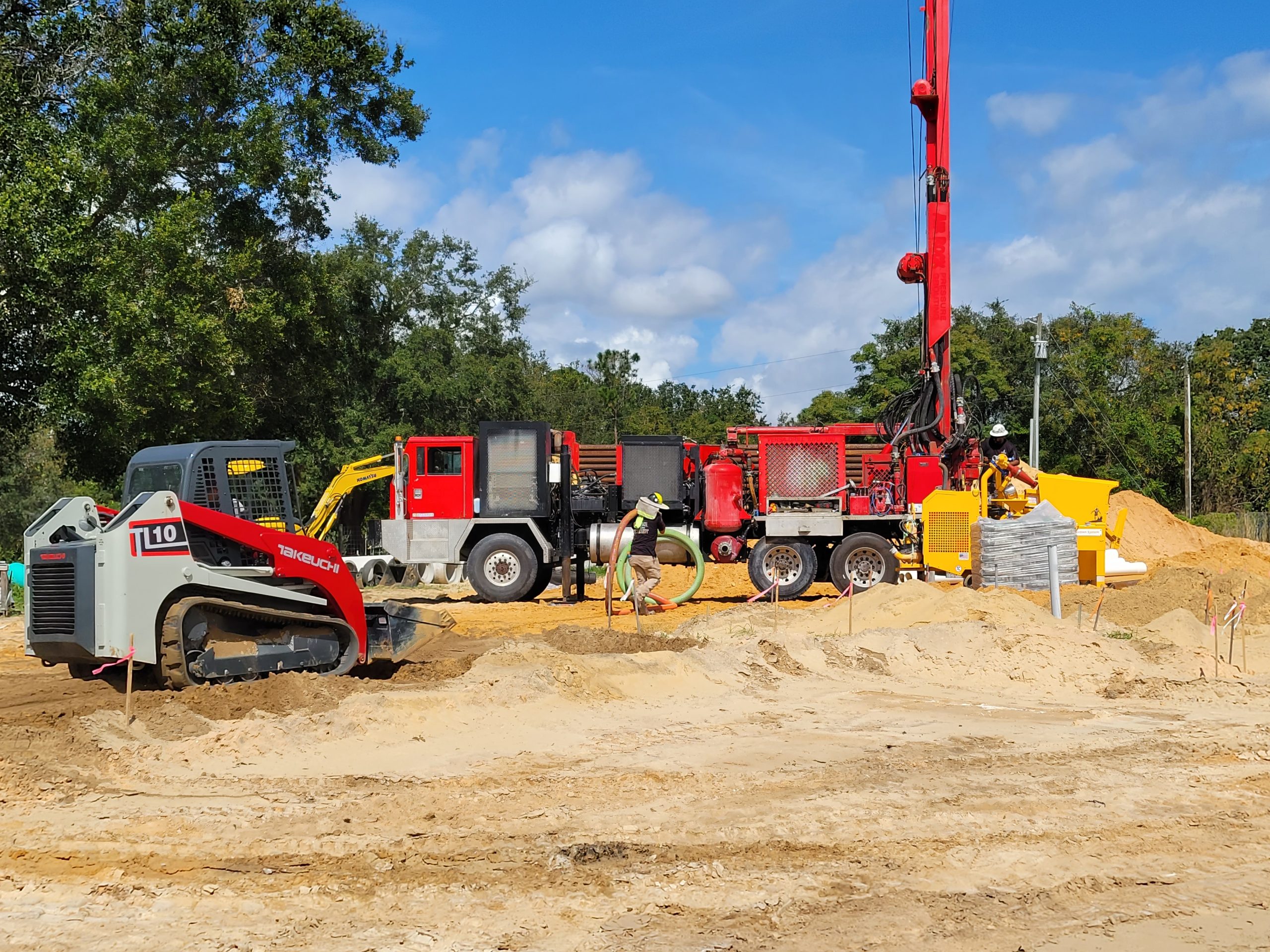
Fall is one of the most strategic times for well pump installation in Ridge Manor, FL. This article explains how hurricane season wind-down, Hernando County limestone aquifer cycles, and contractor scheduling patterns all point to October and November as the smart window to act.
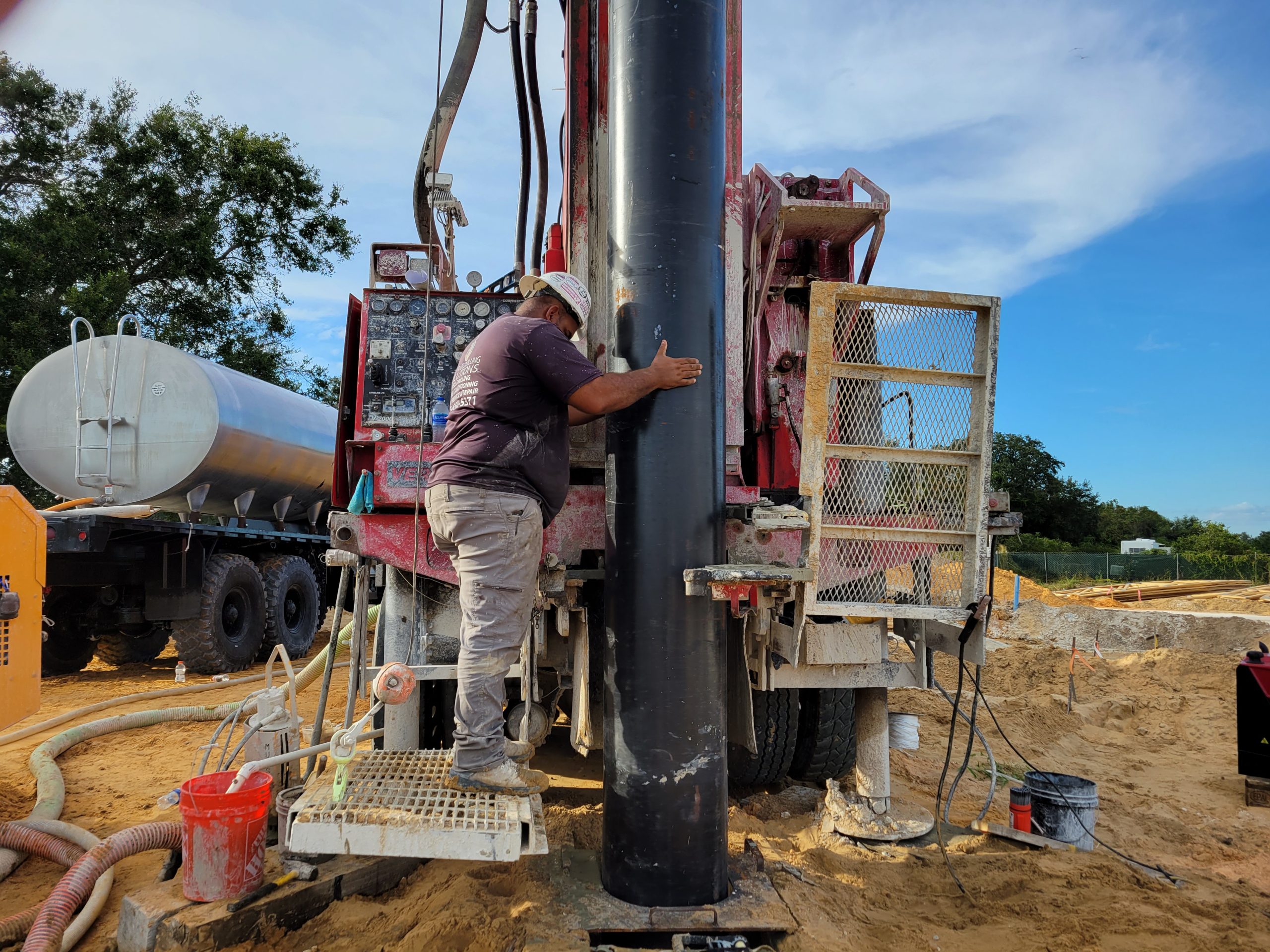
August in Brooksville combines peak household water demand, hurricane season risks, and Florida aquifer pressure fluctuations — making it one of the most demanding periods for private well systems. This article explains what is happening underground right now and what Hernando County homeowners should do to protect their water supply before a problem develops.
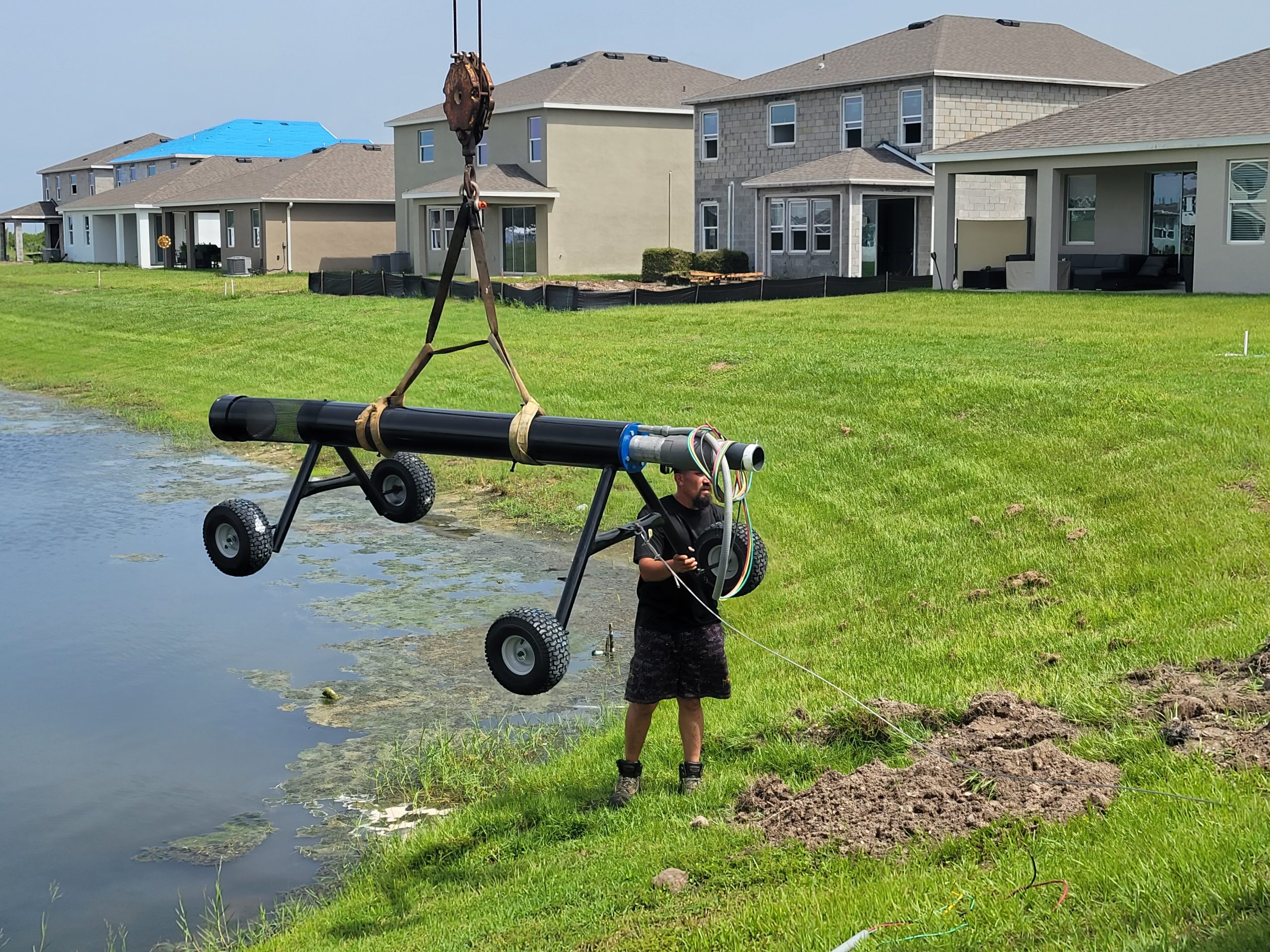
Scheduling a commercial pump system service in Spring Hill doesn't have to be a mystery. This guide walks property managers and business owners through every phase of the service visit — from initial site assessment and diagnostics to post-service testing and documentation.