Spring Hill sits in one of Florida’s most active weather corridors. From June through September, afternoon thunderstorms roll in almost daily, ground saturation levels climb, and Hernando County’s landscape shifts noticeably. For homeowners considering a new well, all of that seasonal change matters more than most people realize. Timing your water well drilling in Spring Hill around local weather patterns, contractor availability, and aquifer conditions can affect how smoothly your project goes from permit to first draw.
Why Seasonal Timing Actually Matters for Well Drilling
Florida well drilling looks simple from the outside — a rig shows up, drills down, and water comes up. The reality is more nuanced. Ground conditions, rainfall saturation, site access, and permit timelines all shift with the seasons. Choosing the wrong window can mean slower drilling, site access problems, or a longer wait for your permit to clear.
Hernando County draws its groundwater from the Floridan Aquifer System, a vast limestone formation that underlies most of the state. Limestone geology means the aquifer recharges relatively quickly compared to other regions, but surface conditions — especially during the rainy season — can create complications at the drill site itself. Understanding those conditions helps you plan smarter.
The Rainy Season Window: June Through September
Ground Saturation and Site Access
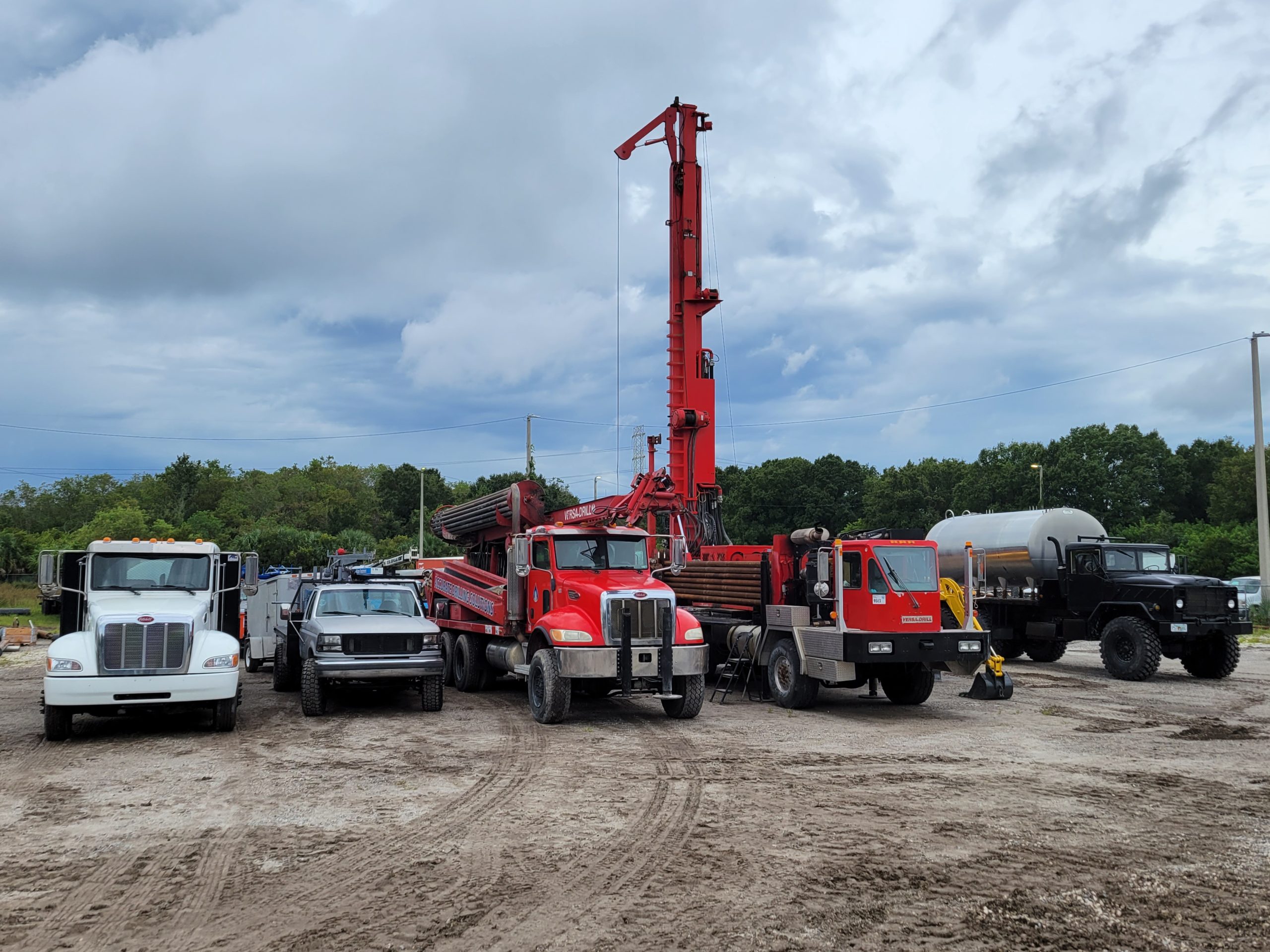
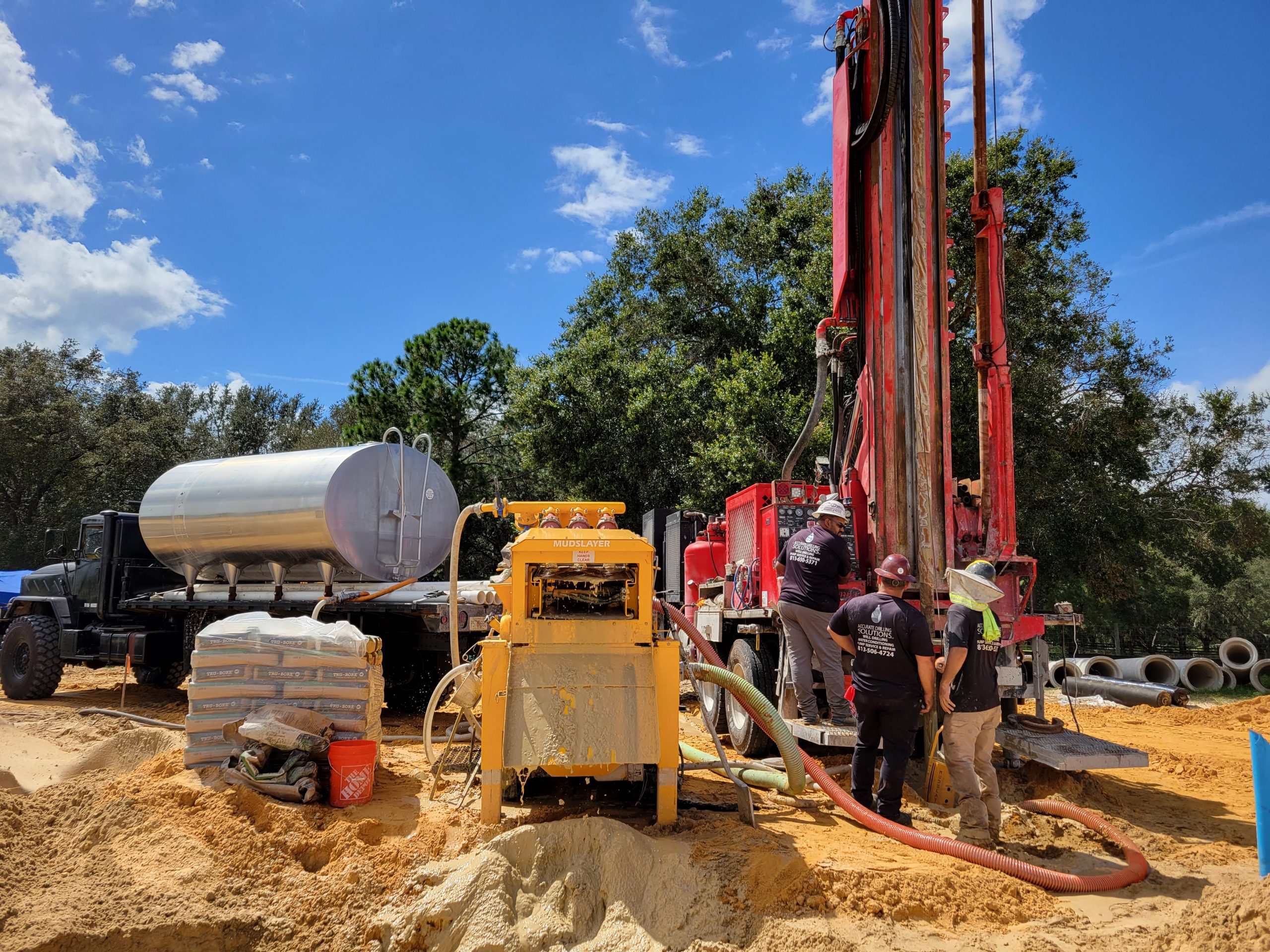
Spring Hill’s rainy season brings real logistical challenges for new well drilling projects. When the ground is heavily saturated, drilling rigs — which are substantial pieces of equipment — can have difficulty accessing certain yard areas without causing turf damage or getting stuck on soft soil. Sandy or low-lying lots are especially vulnerable after extended rain periods.
That doesn’t mean drilling stops during summer. Experienced crews know how to work around wet conditions, and many projects proceed without issue. But if your property has limited access points, a long stretch of saturated lawn between the street and your drill site, or low-lying areas that pool water, scheduling before the rainy season starts gives you a cleaner setup window.
Contractor Scheduling During Peak Season
Summer in Florida is busy for well drilling companies. Irrigation demand spikes, pump failures increase as systems run harder in the heat, and homeowners who delayed their spring plans all call at once. This is one of the more practical reasons to consider scheduling earlier in the year. Booking during the spring shoulder season — roughly March through May — often means faster scheduling, more flexibility on your preferred start date, and crews that aren’t stretched thin across multiple urgent service calls.
If summer is your only window, that’s workable. Just expect that scheduling lead times may run longer, and build that into your project timeline accordingly.
The Case for Drilling Before Summer Arrives
Dry Season Advantages for New Installs
The dry season in Hernando County runs roughly from November through April. During this stretch, ground conditions tend to be more stable, site access is generally easier, and the afternoon storm pattern that defines summer hasn’t kicked in yet. Drilling crews can work more predictable hours without weather delays.
There’s also a permit timing consideration. Hernando County requires drilling permits before work begins. Processing times can vary, and starting your permit application in the fall or early winter gives you a buffer. If you want your well operational by late spring — before irrigation demand peaks — filing early keeps that timeline realistic.
Aquifer Conditions in the Dry Season
One question homeowners often ask is whether the water table drops significantly in the dry season, affecting well yield. For domestic wells reaching into the Floridan Aquifer at depths typical for Spring Hill properties, seasonal surface dryness has minimal impact on long-term yield. The aquifer itself is deep enough that short-term rainfall patterns don’t dramatically affect production. A properly sited and cased well should perform consistently year-round.
Hurricane Season Adds Another Layer of Planning
Florida’s hurricane season overlaps almost entirely with the rainy season, running June 1 through November 30. For Spring Hill homeowners, this creates an additional planning consideration. If a storm event delays your project mid-installation — or pushes your contractor’s schedule back by weeks — a project started in early summer could drag into the fall.
Starting earlier in the year reduces that exposure. A well that’s drilled, cased, and operational before peak hurricane season also gives you an independent water source if municipal or utility service is disrupted by storm damage. That kind of resilience is worth factoring into your timing decision. The team at Accurate Drilling Solutions works with homeowners across Hernando County who specifically want their wells completed ahead of storm season for exactly this reason.
What to Think About Before Scheduling Your Drill Date
Timing is one factor, but it works alongside several others. Before you contact a drilling contractor, it helps to have a clear picture of your property layout, intended use for the well (domestic, irrigation, or both), and any existing structures or underground utilities that could affect drill site placement. Hernando County also has setback requirements that determine how far a well must be located from septic systems, property lines, and structures.
If you’re planning both a domestic well and an irrigation system, sequencing those projects thoughtfully saves time and reduces disruption to your yard. Getting your well drilled and tested before irrigation equipment is installed gives the installer confirmed flow and pressure data to work from.
For homeowners who want to understand more about what’s happening underground before committing to a drill location, video well inspections on neighboring or existing wells can provide useful reference data about local formation depth and conditions.
Spring Hill-Specific Considerations Worth Knowing
Hernando County’s geology creates a few well-known water quality characteristics. Sulfur odor is common in many parts of Spring Hill due to hydrogen sulfide naturally present in the aquifer. Sand intrusion can affect wells that aren’t properly screened and cased for local formation conditions. These aren’t reasons to avoid drilling — they’re reasons to work with contractors who know the local geology and can spec your well correctly from the start.
Proper well construction, appropriate casing depth, and correctly selected pump equipment all play a role in long-term performance. Professional water well drilling that accounts for local conditions from the beginning is far less likely to require early intervention than a project where corners were cut on materials or installation depth.
The Bottom Line on Timing
For most Spring Hill homeowners, the optimal window for scheduling a new well is late fall through early spring — roughly October through April. Ground conditions are more predictable, contractor schedules tend to have more availability, permit timelines are more manageable, and the project can wrap up before summer heat and storm season add complexity. If summer is your only realistic window, that’s still workable — just plan for longer lead times and potential weather delays.
The most important step is starting the conversation early. Waiting until you urgently need water before contacting a drilling contractor almost always results in a longer wait and less flexibility. Reach out to the team at Accurate Drilling Solutions at 813-643-6161 to talk through your property’s specific situation and find a scheduling window that works for your timeline.
Frequently Asked Questions
Does heavy summer rain in Spring Hill affect how deep a well needs to be drilled?
Not significantly for most domestic wells in the Spring Hill area. Wells that reach into the Floridan Aquifer are drilled to depths where seasonal surface rainfall has minimal impact on yield. Depth recommendations are driven more by local formation conditions and intended water use than by surface weather patterns. Your drilling contractor can advise on appropriate depth based on nearby well logs and county data.
How long does the Hernando County well drilling permit process typically take?
Permit processing times vary and can change based on application volume at the county level. In general, building in several weeks of lead time before your desired start date is a reasonable approach. Your drilling contractor can help you submit the correct documentation and may handle the permit application on your behalf, which streamlines the process and reduces the chance of delays from incomplete paperwork.
Can drilling crews work during Florida’s rainy season, or do they stop when it rains?
Drilling crews work through most rain conditions. Brief afternoon thunderstorms — typical of Summer in Hernando County — don’t usually halt a project entirely. The more meaningful concern is prolonged ground saturation affecting site access for heavy equipment. If your property has soft soil or limited access, a contractor will assess those conditions before scheduling and may recommend timing adjustments or access preparation steps.
Is sulfur smell in well water a sign of a poorly drilled well?
Not necessarily. Sulfur odor from hydrogen sulfide is a naturally occurring characteristic of the Floridan Aquifer in many parts of Hernando County, including Spring Hill. It’s a water quality issue, not a construction defect. Treatment options exist and are commonly used throughout the area. A properly drilled and cased well can still produce water with sulfur odor — the solution is appropriate filtration, not re-drilling.
Should I schedule my well drilling before or after I install irrigation equipment?
Drilling first is the standard approach. Once your well is drilled and tested, your irrigation installer will have confirmed flow rate and pressure data to design the system correctly. Installing irrigation equipment before the well is drilled — or sizing it based on assumptions about well output — can result in a system that underperforms or requires modification after the fact.
Does the time of year affect how long a new well drilling project takes from start to finish?
The drilling itself takes a similar amount of time regardless of season. What varies is the lead time to get on the schedule, permit processing, and any weather-related delays during installation. Projects initiated during the dry season shoulder months tend to move from first call to completion faster, largely because contractor availability is better and weather interruptions are less frequent than during peak summer storm season.
continue reading
Related Posts
If your geothermal system in Largo is showing signs of reduced performance, the supply well may be the source of the problem. This article covers the key symptoms of well yield decline, limestone aquifer scaling, and reduced system efficiency — and what to do about them.
Selecting the right well pump system in Zephyrhills involves more than picking a pump off a shelf. This guide walks Pasco County property owners through submersible vs. jet pump comparisons, Florida-specific sizing factors, and why professional installation is the only responsible path forward.
Largo's coastal position, shallow Floridan Aquifer access, and aging residential well infrastructure create specific stress patterns on well pump systems. Understanding these local conditions helps homeowners protect their equipment before problems develop. Learn what makes Largo different — and what to do about it.