
Your well pump works quietly in the background every day, pressurizing water for showers, laundry, irrigation, and everything else your household depends on. When it starts showing problems, you’re faced with a question that doesn’t always have an obvious answer: do you repair what you have, or replace the entire system? For Parrish homeowners, that decision involves more than just the immediate symptoms. Pump age, local water conditions, and the history of the system all factor in.
This guide walks through the key indicators that point toward repair versus full replacement — so you can make a confident, informed decision rather than guessing.
Start With the Age of Your Pump
Pump age is one of the most reliable indicators in the repair-versus-replace equation. Submersible well pumps typically have a service life of 10 to 15 years under normal operating conditions. Jet pumps, which are less common in deeper Florida wells, tend to have a similar or slightly shorter lifespan.
If your pump is under eight years old and experiencing its first significant issue, a targeted repair is usually the right call. If it’s pushing 12 to 15 years and showing problems, you may be spending money to extend the life of a system that’s already near the end of its run. At that point, a full replacement often makes more practical sense.
Consider How Often Problems Have Come Up
A single failure doesn’t automatically mean replacement is necessary. But a pump that has needed service two or three times in the past few years is telling you something. Repeated failures — whether it’s a worn motor, a failing pressure switch, or a waterlogged tank — indicate the system is degrading and repairs are becoming a cycle rather than a solution.
Track your service history honestly. If you’ve called for well pump service in Parrish more than twice in 24 months, that pattern matters more than any single repair estimate.
Water Quality and Local Conditions in Parrish
Parrish sits in Manatee County, where wells draw from Florida’s limestone aquifer system. That geology comes with specific challenges that affect how hard a pump has to work and how quickly components wear down.
Sand Intrusion
Sand and sediment in the aquifer can pass through improperly screened or aging well casings and reach the pump. Sand is abrasive. It accelerates wear on impellers and seals significantly faster than clean water would. If your pump has been pulling sand, internal components may be far more worn than the pump’s age alone would suggest.
Sulfur and Mineral Content
Many wells in this part of Florida carry elevated hydrogen sulfide or high mineral content. These water chemistry conditions are hard on pump motors and internal components over time. If your water has a noticeable sulfur smell or your fixtures show heavy mineral staining, factor that wear into your decision.
Hurricane Season and Power Surges
Florida’s storm season is hard on pump motors. Power surges during storms can damage motor windings even when the pump appears to be running. If a pump failure follows a major storm event, it’s worth having a technician evaluate whether the damage is isolated or whether the motor has sustained broader wear that will shorten remaining service life.
Performance Decline Is a Key Signal
Pumps don’t always fail suddenly. Gradual performance decline — lower water pressure at fixtures, longer recovery times after heavy use, a pressure tank that cycles too frequently — often signals that the pump is losing efficiency. This can result from worn impellers, a failing motor, or changes in the water table.
When performance has been declining steadily rather than failing at a single point, a repair may address the immediate symptom without resolving the underlying cause. A qualified Manatee County well pump technician can run system diagnostics to determine whether the decline is component-specific or reflects broader pump wear.
What Repairs Can — and Can’t — Address
Some issues are genuinely well-suited to repair. A failed pressure switch, a waterlogged pressure tank, a worn capacitor, or a damaged drop pipe are discrete problems that don’t necessarily reflect full system failure. These repairs are targeted, effective, and can restore reliable performance when the rest of the system is sound.
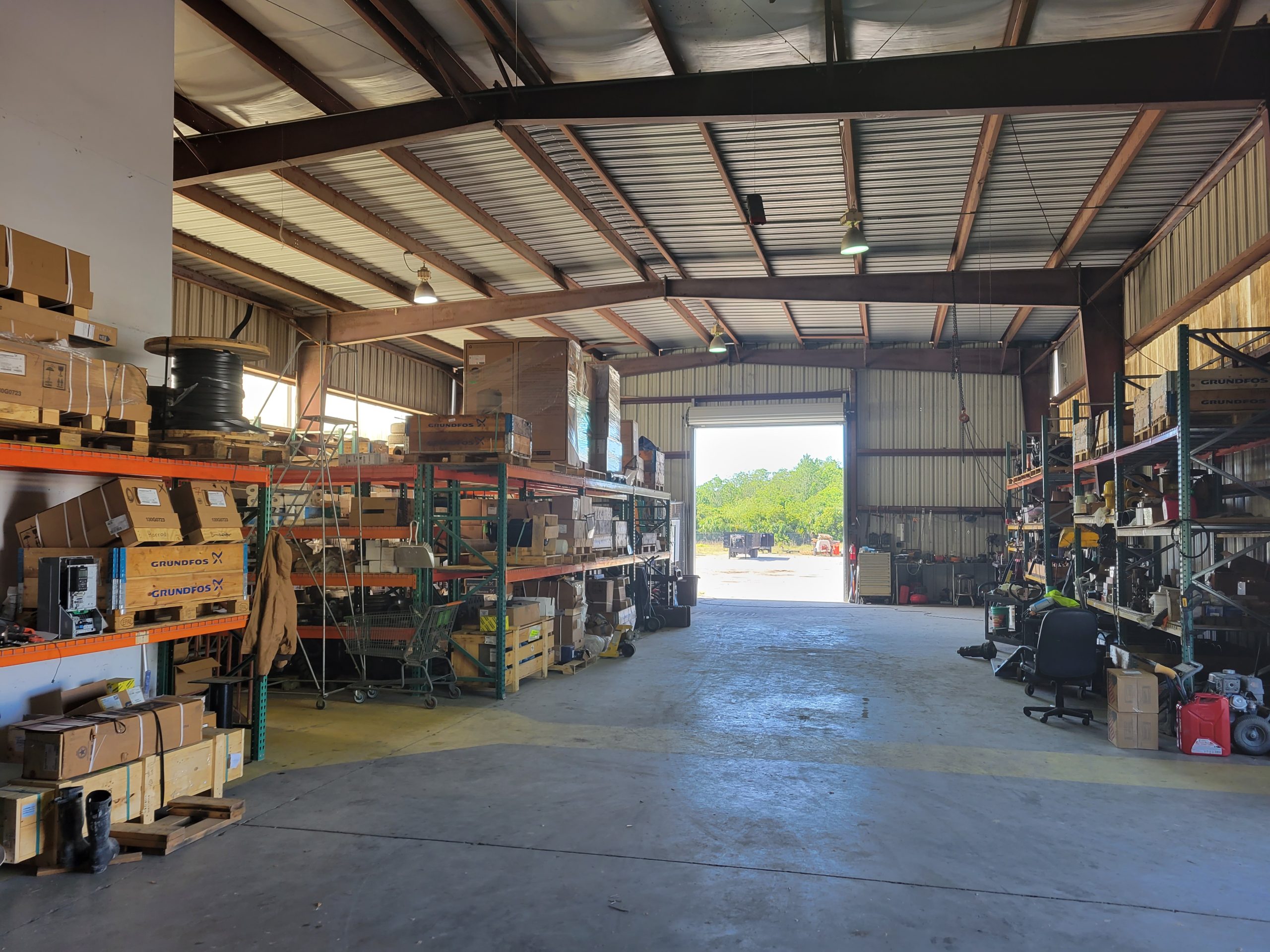
Other problems are harder to repair economically. A burned-out or mechanically worn submersible motor deep in the well, severe impeller damage from sand intrusion, or a cracked pump housing often means the cost of repair approaches or exceeds the value of keeping an aging system going. In those cases, replacement with a quality pump — such as a Grundfos submersible — is the more dependable path forward.
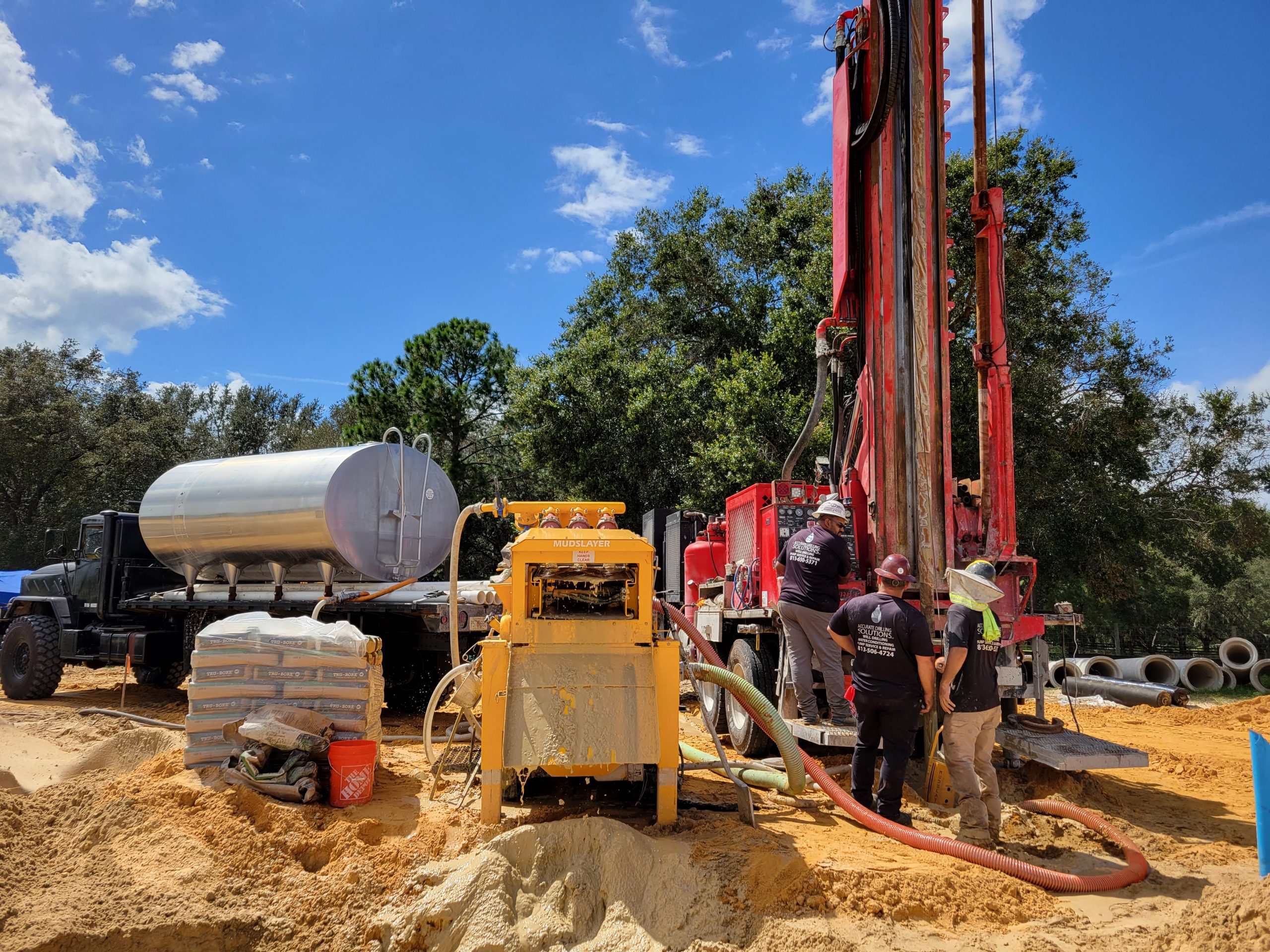
The team at Accurate Drilling Solutions in Parrish can pull and inspect your existing pump, give you a clear picture of its actual condition, and walk you through what a repair would realistically address versus what a replacement would provide. That inspection takes the guesswork out of the decision.
When Replacement Is the Stronger Long-Term Choice
There are situations where the replacement decision is fairly clear-cut. Consider replacement when:
- The pump is 12 or more years old and has experienced a significant failure
- Sand or sediment intrusion has caused documented wear to internal components
- The pump has failed multiple times within a short period
- System performance has declined steadily despite previous repairs
- A motor inspection reveals wear or damage beyond what targeted repair can resolve
Replacement also gives you the opportunity to right-size the system if household water demand has changed, upgrade to a more energy-efficient motor, or address any well casing or screen issues at the same time. Learn more about well pump repair and replacement services to understand what a full evaluation covers.
Don’t Skip the Professional Inspection
The repair-versus-replace decision should never be made purely on symptoms described over the phone or based on a single observation. A pump pull and hands-on inspection — combined with a review of system pressure, flow rate, and electrical readings — gives a technician the data needed to make a real recommendation.
Video well inspections are also a valuable tool when the condition of the casing or screen is in question. Seeing what’s happening downhole removes the guesswork about whether the pump itself is the problem or whether the well structure is contributing to failures.
Accurate Drilling Solutions serves Parrish and the broader Manatee County area with the equipment and experience to handle everything from a straightforward pump repair to a full system replacement. If you’re weighing your options, a direct conversation with a technician is the fastest way to get clarity. You can also explore well maintenance agreements to help prevent the situation from recurring after service is complete.
Frequently Asked Questions
How do I know if my well pump is failing or if the problem is with my pressure tank?
Pressure tanks and well pumps share symptoms — low pressure, short cycling, and inconsistent flow can point to either component. A technician can measure tank pressure with a gauge and check the pump’s amp draw and output to isolate the cause. Diagnosing both before committing to a repair avoids replacing the wrong component.
Can sand in my well damage the pump even if it’s relatively new?
Yes. Sand and fine sediment are highly abrasive and can wear down impellers, seals, and other internal parts regardless of pump age. If your well in Parrish has a history of sand intrusion, the pump’s internal condition may be worse than its age suggests. A pump pull and inspection will show the actual wear state.
What’s the difference between a submersible pump and a jet pump, and does it affect the repair-or-replace decision?
Submersible pumps sit underwater inside the well casing and are the standard for deeper Florida wells. Jet pumps sit above ground and are more common in shallow well applications. Submersibles generally last longer and handle deeper water tables better. The type of pump affects both the repair options available and what a replacement would involve.
Is it worth repairing a pump before hurricane season?
If your pump is showing signs of wear heading into storm season, addressing it proactively is wise. Power surges and extended outages stress aging pump systems. A pump that’s borderline reliable in normal conditions is more likely to fail during or after a storm event when service may be slower to access.
How long does a well pump replacement typically take?
Most residential well pump replacements are completed in a single service visit. The timeline depends on well depth, pump type, and whether any additional components — like the pressure tank or wiring — need attention at the same time. A technician can give you a realistic timeframe once the system has been assessed.
Should I consider a maintenance agreement after pump service?
A maintenance agreement can be a practical way to keep your well system in good condition between service calls and catch developing problems before they become failures. Scheduled inspections allow a technician to monitor pressure, flow, and electrical performance over time — which is especially useful in areas like Parrish where water chemistry and sediment can accelerate wear.
If you’re ready to have your system evaluated, contact Accurate Drilling Solutions or call 813-643-6161 to speak with a technician about your Parrish well pump situation.
continue reading
Related Posts
If your geothermal system in Largo is showing signs of reduced performance, the supply well may be the source of the problem. This article covers the key symptoms of well yield decline, limestone aquifer scaling, and reduced system efficiency — and what to do about them.
Selecting the right well pump system in Zephyrhills involves more than picking a pump off a shelf. This guide walks Pasco County property owners through submersible vs. jet pump comparisons, Florida-specific sizing factors, and why professional installation is the only responsible path forward.

Largo's coastal position, shallow Floridan Aquifer access, and aging residential well infrastructure create specific stress patterns on well pump systems. Understanding these local conditions helps homeowners protect their equipment before problems develop. Learn what makes Largo different — and what to do about it.