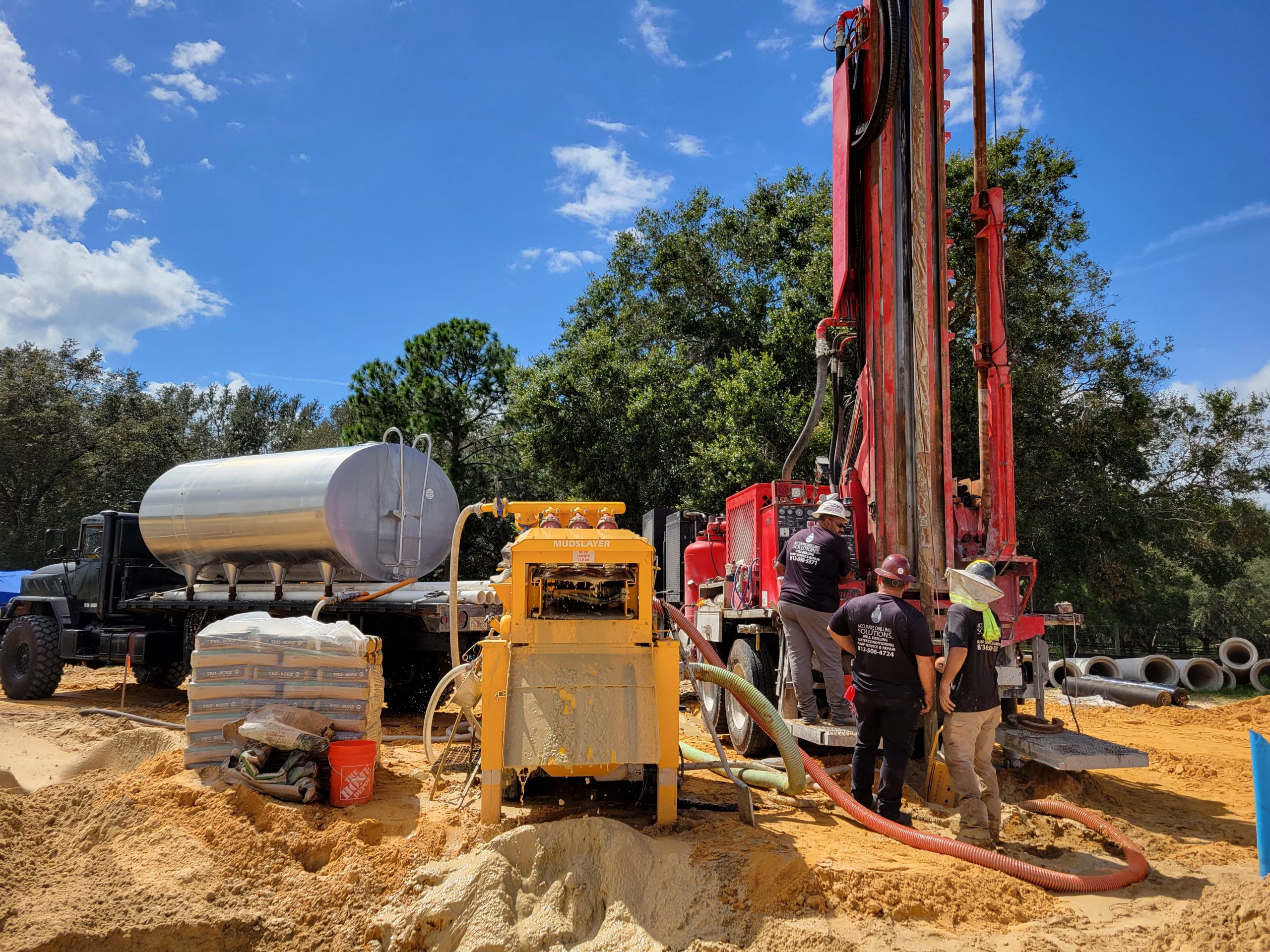
Geothermal systems that draw from a dedicated supply well are a smart, efficient choice for Dade City properties. But the well itself requires its own maintenance schedule — separate from the heat pump equipment inside your home or building. Knowing the right geothermal well maintenance frequency for Dade City conditions can prevent costly breakdowns, protect water quality, and keep your system running efficiently through Florida’s demanding heat seasons.
The Baseline Service Schedule for Geothermal Supply Wells
For most residential geothermal supply wells in the Dade City area, a professional inspection every one to two years is the standard starting point. This covers a water quality test, a pump performance check, pressure and flow rate evaluation, and a visual inspection of the wellhead and surrounding area.
Commercial properties, HOAs, and CDDs operating larger geothermal systems typically benefit from annual inspections at a minimum — and in some cases, twice-yearly service visits depending on demand levels. The more continuous the draw on a supply well, the more frequently it needs professional attention.
That said, “every year or two” is a baseline, not a fixed rule. Several local factors in Pasco County push that schedule in one direction or the other.
Factors That Shift Your Geothermal Supply Well Service Schedule
Limestone Aquifer Conditions Beneath Dade City
Dade City sits within a region underlain by the Floridan Aquifer System — a deep, karst limestone formation that supplies water to a significant portion of central Florida. Limestone aquifers have real advantages: they’re generally productive and relatively stable. But they also come with specific challenges that affect limestone aquifer maintenance planning.
Over time, the natural dissolution of limestone can cause subtle shifts in formation around a well casing. Sediment intrusion — including fine sand and particulate matter — is a known issue in this geology. If a geothermal supply well begins pulling sediment, the pump impellers wear faster and heat exchanger efficiency drops. A well inspection that catches early sediment intrusion can prevent a much larger repair down the road.
Properties closer to areas with historically active sinkhole formation in Pasco County should lean toward annual inspections rather than every two years.
Water Usage Volume and System Run Time
A geothermal system running nearly year-round in a large home or commercial building places significantly more demand on the supply well than a smaller residential system that cycles on and off. High-volume users should treat annual service as non-negotiable.
Pay attention to changes in system performance between visits. A drop in flow rate, reduced cooling efficiency, or a pump that runs longer than usual to meet demand are all signals that the well inspection interval may need to shorten — regardless of what the calendar says.
Seasonal Demand Shifts in Central Florida
Dade City experiences a long, hot cooling season. From roughly April through October, geothermal systems in this area work harder and draw more consistently from supply wells than they do in the milder winter months. That sustained summer demand puts more cumulative stress on pumps and well components than the same system would experience in a cooler climate.
Scheduling a professional well inspection in late winter or early spring — before peak demand begins — is a practical approach. It allows any issues to be addressed before the system is working at full load. A secondary check in the fall, after the heavy cooling season, can catch wear that accumulated over summer.
Water Quality Changes
Sulfur content is a common water quality concern in parts of Pasco and surrounding counties. If your geothermal supply well draws from a zone with elevated hydrogen sulfide, the corrosive properties of that water can accelerate wear on pump components and internal well infrastructure. Properties with known sulfur water issues should factor more frequent inspections into their geothermal supply well service schedule.
Any time you notice a change in water odor, color, or taste — even if your geothermal system seems to be performing normally — that’s a prompt to schedule a water quality test rather than waiting for the next routine visit.
What a Professional Geothermal Well Inspection Covers
A thorough well service visit for a Pasco County geothermal system should include more than a quick visual check. Professional inspections typically assess pump performance and motor condition, static and pumping water levels, flow rate and pressure, wellhead integrity, water quality parameters, and the condition of the drop pipe and electrical connections.
Video well inspections are a valuable tool when there’s any concern about the physical condition of the casing or the presence of sediment buildup inside the well bore. A camera inspection provides a clear picture of what’s happening below grade — information that a surface-level check simply can’t provide.
For properties with complex or high-demand systems, a well maintenance agreement is worth considering. Scheduled service visits ensure inspections happen on time and that a knowledgeable team is already familiar with your specific well and system history.
Signs You Shouldn’t Wait for the Next Scheduled Visit
Certain conditions call for immediate attention regardless of when your last service visit occurred. Contact a professional promptly if you notice any of the following:
- A significant drop in system efficiency or cooling output
- Unusual noise from the pump or pressure tank
- Discolored water or sudden changes in water odor
- Visible damage or flooding near the wellhead
- Loss of pressure or intermittent pump cycling
After major weather events — tropical storms and hurricanes are a real consideration in this part of Florida — it’s worth a professional check even if nothing seems visibly wrong. Flood conditions and ground saturation can affect wellhead seals and introduce contaminants that don’t show up until they’ve already caused a problem.
Keeping Your Dade City Geothermal Well on a Smart Schedule
Most Dade City properties will be well-served by annual professional inspections, with twice-yearly service for high-usage or commercial systems. Properties with known water quality issues, older well infrastructure, or sinkhole-prone geology should lean toward the more frequent end of the range.
The team at Accurate Drilling Solutions in Dade City works with residential homeowners, property managers, HOAs, and CDDs throughout Pasco County. Whether you need a first-time inspection, a water quality evaluation, or a service schedule built around your system’s specific demands, experienced local knowledge makes a real difference.
Nearby properties across the region can also explore well services in Zephyrhills and surrounding areas. For questions about your geothermal supply well or to schedule a service visit, call Accurate Drilling Solutions at 813-643-6161.
Frequently Asked Questions
How often should a residential geothermal supply well in Dade City be professionally inspected?
For most residential properties, a professional inspection every one to two years is a reasonable baseline. However, properties with high system usage, older well infrastructure, known water quality concerns, or proximity to active sinkhole areas in Pasco County should schedule annual inspections at minimum. The specific conditions of your well and system should always guide the final decision.
Does the limestone aquifer beneath Dade City require any special maintenance considerations?
Yes. The karst limestone geology underlying this part of Pasco County can allow fine sediment and particulate matter to enter a supply well over time. This accelerates pump wear and can affect geothermal system efficiency. Regular well inspections — including periodic video inspections — help catch sediment intrusion or casing issues before they cause significant damage to the pump or heat exchanger components.
What water quality issues are most common in Pasco County geothermal supply wells?
Elevated hydrogen sulfide, which produces a sulfur or “rotten egg” odor, is present in some water-bearing zones in the Pasco County area. Sulfur water is corrosive and can accelerate wear on well components and pump hardware. Iron content and hardness are also common considerations. A professional water quality test during each service visit helps identify any changes that require treatment or more frequent inspections.
Is there a best time of year to schedule geothermal well maintenance in the Dade City area?
Late winter or early spring is generally the most practical timing. Scheduling a professional inspection before the heavy cooling season begins allows any issues to be resolved while the system isn’t under peak demand. A secondary check in the fall — after sustained summer operation — is a good practice for high-use systems or properties where the well handles a significant continuous load.
What does a professional geothermal supply well inspection typically include?
A thorough inspection covers pump performance and motor condition, static and pumping water levels, flow rate, pressure readings, wellhead integrity, electrical connections, and water quality testing. When there’s concern about sediment buildup or casing condition, a video well inspection provides direct visual confirmation of what’s happening inside the well bore — information no surface check can replicate.
When should I schedule a well service visit outside of my regular maintenance interval?
Any noticeable drop in geothermal system efficiency, changes in water odor or color, unusual pump noises, loss of pressure, or visible wellhead damage warrant an immediate call to a professional rather than waiting for the next scheduled visit. After significant weather events — particularly tropical storms — a precautionary inspection is also a wise step even when no obvious problem is apparent.
continue reading
Related Posts
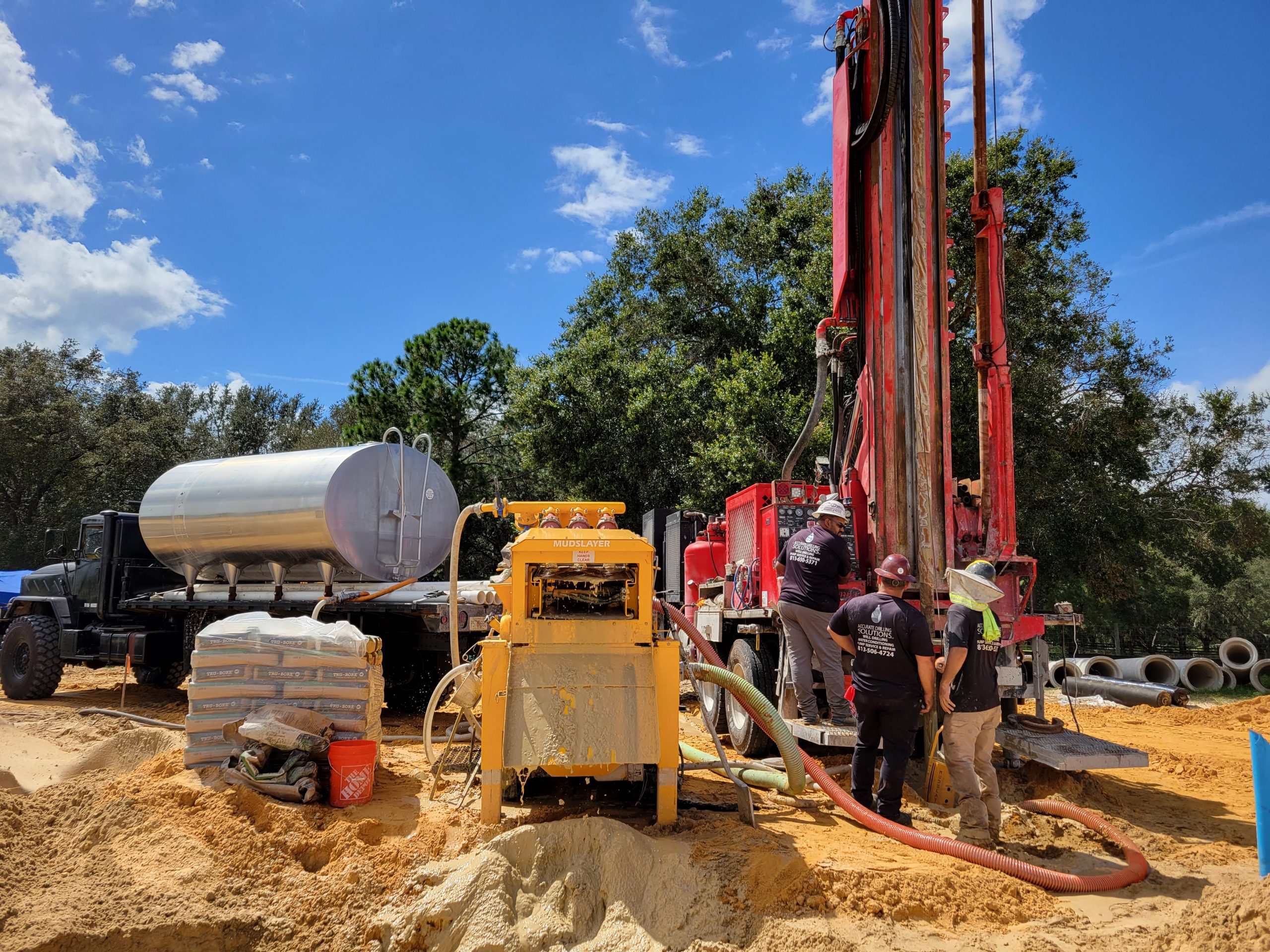
If your geothermal system in Largo is showing signs of reduced performance, the supply well may be the source of the problem. This article covers the key symptoms of well yield decline, limestone aquifer scaling, and reduced system efficiency — and what to do about them.
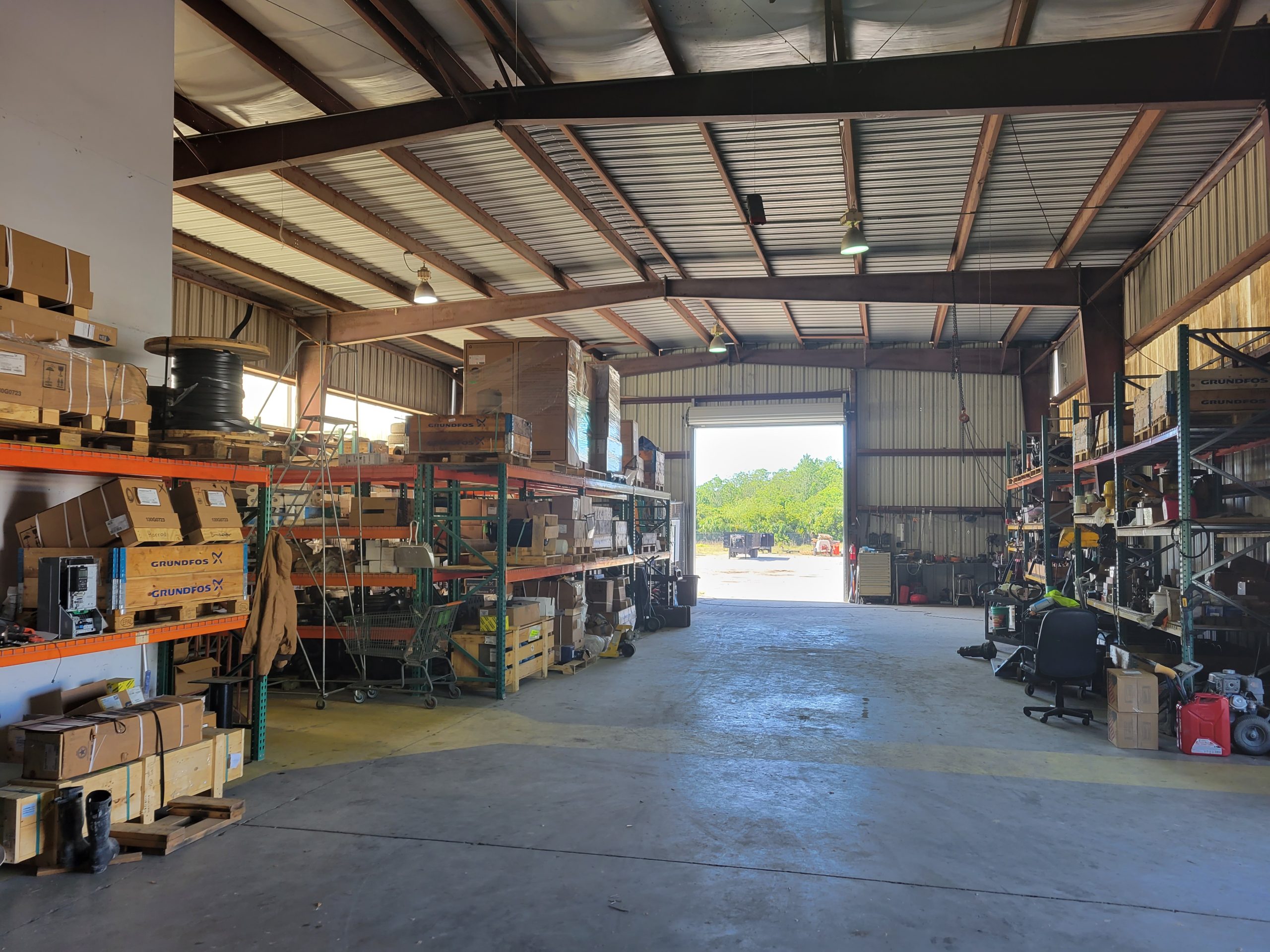
Selecting the right well pump system in Zephyrhills involves more than picking a pump off a shelf. This guide walks Pasco County property owners through submersible vs. jet pump comparisons, Florida-specific sizing factors, and why professional installation is the only responsible path forward.

Largo's coastal position, shallow Floridan Aquifer access, and aging residential well infrastructure create specific stress patterns on well pump systems. Understanding these local conditions helps homeowners protect their equipment before problems develop. Learn what makes Largo different — and what to do about it.