Summer in Lutz arrives fast and hits hard. By early June, daytime temperatures are regularly pushing into the low 90s, afternoon thunderstorms are rolling through Hillsborough County like clockwork, and commercial irrigation systems are running harder than they have in months. For property managers, HOA boards, and business owners who rely on well-fed pump systems, this seasonal shift creates both a window of opportunity and a window of risk.
Scheduling commercial pump system service in Lutz at the right point in the summer calendar — not just whenever something breaks — is one of the most practical decisions you can make for your property’s water infrastructure. Here’s how to think about that timing.
Why Florida’s Summer Season Creates Unique Pump Stress
Florida’s summer isn’t just hot. It’s a combination of sustained heat, dramatically increased water demand, and violent electrical activity that few other regions experience together in the same window. Each of these factors stresses commercial pump systems in different ways.
Heat and Continuous Operation
Commercial pumps running irrigation systems in June and July often operate far more frequently than they do in winter or spring. Heat accelerates wear on motor windings, seals, and bearings. Pumps that were running fine in February may start to show performance issues by mid-June simply because they haven’t had sustained rest between cycles. Extended run times also raise the risk of overheating, especially in above-ground pump houses that absorb afternoon sun.
Florida Rainy Season and the Aquifer Effect
Lutz sits above Florida’s limestone aquifer system, which means water table levels can shift meaningfully as the rainy season ramps up. While that sounds like good news for wells, rapid fluctuations in aquifer pressure can temporarily draw sand or fine sediment into pump intakes. Sand intrusion is a known issue across Hillsborough County and can cause premature wear on impellers and pump casings if the system isn’t inspected and maintained before the heaviest rains arrive.
Lightning and Electrical Surge Risk
June and July are peak months for afternoon lightning in the Tampa Bay area. A single nearby strike can send a voltage surge through a well pump’s control box or motor. Surge damage doesn’t always kill a pump outright — it often degrades components gradually, leading to failures weeks later when the cause is no longer obvious. Checking surge protection devices and electrical connections before storm season is fully underway is a straightforward precaution that pays real dividends.
The Ideal Service Calendar for Lutz Commercial Properties
Rather than waiting for a failure notice, experienced property managers treat summer pump maintenance in Florida as a structured, calendar-based activity. Here’s a practical breakdown of when to act.
Late May Through Early June: Pre-Season Inspection Window
This is the most valuable window for scheduling a comprehensive commercial pump system inspection. Rainy season hasn’t fully arrived yet, irrigation demand is beginning to climb, and service providers have more scheduling flexibility than they will in July when emergency calls spike. A full inspection in this window should cover pump performance output, control panel and capacitor condition, pressure tank function, check valves, and any signs of corrosion or biological buildup in the casing.
Properties with irrigation wells should also use this window to verify that irrigation system connections and pump sizing are still matched to current landscaping demand. Irrigation expansions or landscaping changes made over the winter may have shifted the load on an existing pump beyond its ideal operating range.
Mid-June: Electrical and Surge Protection Review
Once the rainy season officially begins — typically around June 1 in this part of Florida — the daily lightning pattern becomes predictable. Mid-June is a smart point to confirm that surge protection on all pump control panels is functional and correctly rated. If a surge protector was triggered during a storm last summer and wasn’t replaced, it may no longer be offering protection. This is a quick check that’s easy to overlook and expensive to skip.
Early July: Mid-Season Performance Check
By the time July arrives, your commercial pump system has been under elevated load for several weeks. A mid-season check at this point allows technicians to catch developing issues before they become full failures. Motor amperage readings, pressure consistency, and cycle frequency are the key indicators to review. Unusual cycling behavior — the pump starting and stopping more frequently than normal — is often an early sign of a waterlogged pressure tank or a failing check valve.
This is also an appropriate time to review water quality if your commercial property is on a private well. Florida’s sulfur water presence is common across Hillsborough County, and summer heat can amplify hydrogen sulfide odors, particularly if bacterial activity in the well has increased. A water quality test mid-summer gives you accurate, current data rather than relying on results from last fall or winter.
The Accurate Drilling Solutions Lutz service team works with commercial accounts throughout the summer season, providing scheduled inspections that keep systems running reliably during the highest-demand months of the year.
Maintenance Agreements Make This Easier to Manage
For property managers overseeing multiple buildings, HOA campuses, or large commercial sites, tracking individual pump service schedules across a property portfolio is genuinely difficult. A structured maintenance agreement with a qualified well and pump service provider removes that burden. It ensures inspections happen on a defined schedule, creates a service history record that’s useful for budgeting and capital planning, and often allows issues to be caught during scheduled visits rather than after a failure has disrupted operations.
Lutz commercial properties that manage their own irrigation wells or domestic water supply wells especially benefit from this approach, since those systems don’t have the municipal utility as a fallback when something goes wrong.
Video Inspections: Worth Considering Before Summer Peaks
If a commercial well hasn’t been inspected internally in several years, pre-season is an excellent time to schedule a professional video inspection. A downhole camera reveals casing condition, screen integrity, sediment accumulation, and signs of corrosion that surface-level testing simply can’t detect. Identifying a casing crack or a degraded well screen before summer demand peaks gives you time to plan repairs without urgency-driven delays.
Accurate Drilling Solutions performs video inspections on commercial wells throughout Hillsborough County, giving property managers a clear picture of what’s happening below the surface before problems surface in water quality or pump performance.
Don’t Wait for a Failure to Set the Schedule
Pump failures during summer peak season are disruptive in a way that failures in milder months simply aren’t. An irrigation well going down during a heat event can damage landscaping that took years to establish. A commercial water supply disruption during July is an operational problem that affects tenants, employees, and daily business functions.
The summer service calendar outlined here isn’t complicated — it’s three basic touchpoints spread over about eight weeks. Pre-season inspection in late May or early June, electrical check in mid-June, and a performance review in early July. That rhythm addresses the three main risk factors that Florida summer creates for commercial pump systems: sustained heat load, sand and sediment from aquifer fluctuation, and lightning surge damage.
To schedule commercial pump system service for your Lutz property or to ask about maintenance options, contact the team at Accurate Drilling Solutions by calling 813-643-6161.
Frequently Asked Questions
How often should a commercial pump system be serviced in Florida’s climate?
Most commercial pump systems in Florida benefit from at least one comprehensive inspection per year, with a second check recommended before or during the summer rainy season. Properties with high-demand irrigation systems or older well infrastructure may need more frequent attention. Florida’s heat, lightning activity, and limestone aquifer conditions create wear patterns that don’t match national averages for pump service intervals.
What signs indicate a commercial pump needs immediate attention during summer?
Watch for sudden drops in water pressure, unusual cycling behavior where the pump starts and stops repeatedly in short intervals, changes in water color or odor, and unexplained increases in energy consumption. Any of these during peak summer months warrants a prompt inspection. Heat-related motor stress can accelerate a minor issue into a full failure quickly if left unaddressed.
Can lightning really damage a well pump even if it doesn’t strike directly?
Yes. Nearby lightning strikes frequently induce voltage surges through buried electrical lines and control wiring connected to pump systems. These surges can damage motor windings, capacitors, and control panels without a direct strike. Surge protection devices rated appropriately for pump systems provide meaningful defense, but they should be inspected after significant storm events to confirm they’re still functional.
What is sand intrusion, and why is it a concern during Florida’s rainy season?
Sand intrusion occurs when fine sand or sediment enters the well and reaches the pump intake. In Florida, this can happen when rapid changes in aquifer water levels disturb sediment near the well screen. Sand passing through a pump causes accelerated wear on impellers and other internal components. Regular inspections and, when necessary, well rehabilitation can reduce the risk of sand-related pump damage.
Is a maintenance agreement worth it for a single commercial property with one pump system?
It depends on how critical the system is to daily operations. If the pump serves a commercial irrigation system or supplies water to tenants or employees, unexpected downtime carries real operational and financial consequences. A maintenance agreement provides scheduled service, a documented service history, and earlier detection of developing issues — all of which reduce the likelihood of unplanned failures at the worst possible times.
What’s the difference between a pump performance check and a video inspection?
A pump performance check evaluates how the system is operating — pressure output, motor amperage, cycle frequency, and component condition at the surface and control panel level. A video inspection goes further by sending a camera down the well casing to examine the interior for cracks, corrosion, sediment buildup, and screen condition. Both are useful tools, and they provide different but complementary information about system health.
continue reading
Related Posts
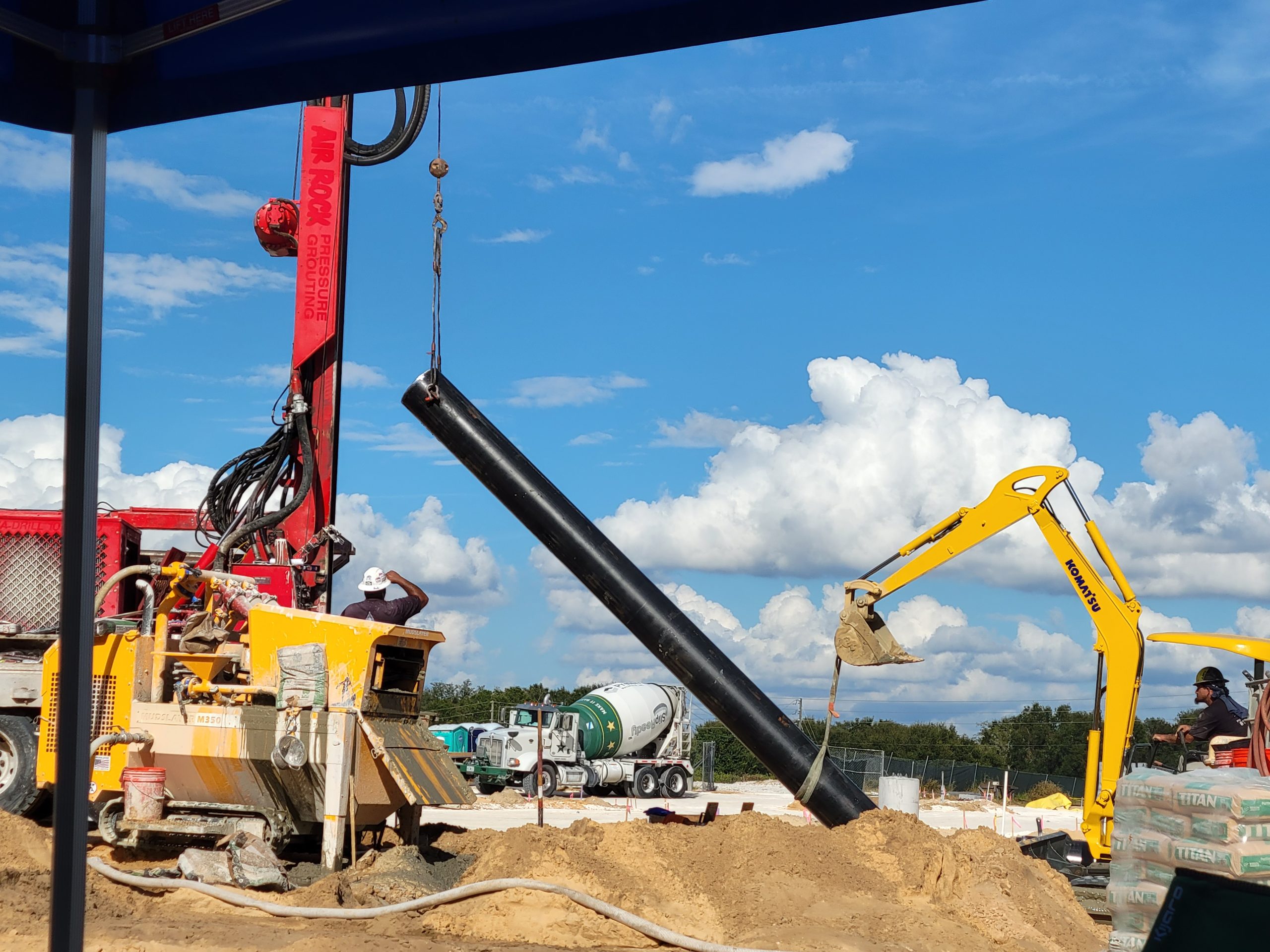
With hurricane season ending and winter rains approaching, fall is the critical window for Largo property owners to properly decommission abandoned wells before surface contaminants reach the Floridan aquifer. Learn what proper well abandonment involves, why Florida regulations require it, and why waiting carries real risk.
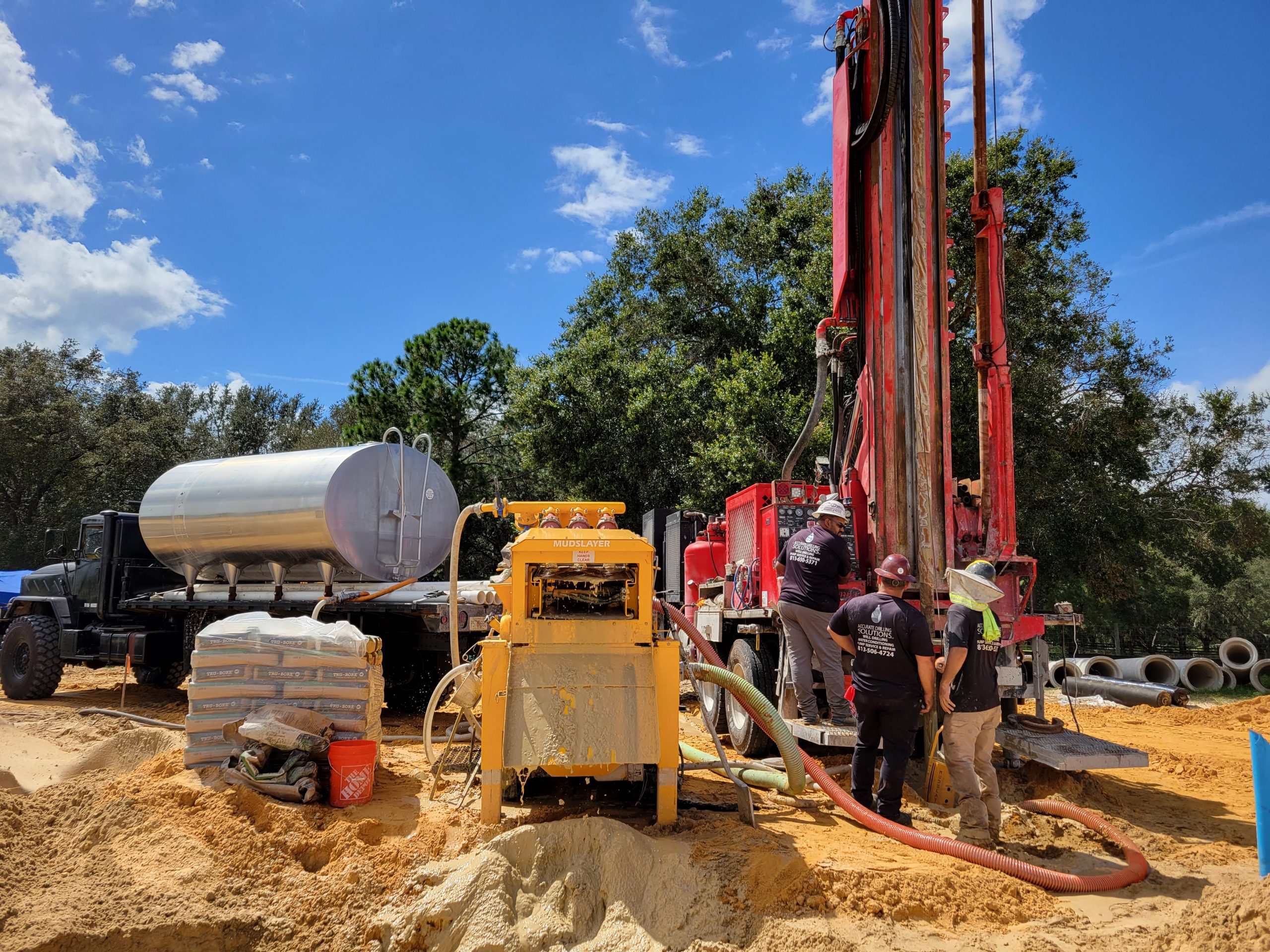
If your geothermal system in Largo is showing signs of reduced performance, the supply well may be the source of the problem. This article covers the key symptoms of well yield decline, limestone aquifer scaling, and reduced system efficiency — and what to do about them.
Selecting the right well pump system in Zephyrhills involves more than picking a pump off a shelf. This guide walks Pasco County property owners through submersible vs. jet pump comparisons, Florida-specific sizing factors, and why professional installation is the only responsible path forward.