Why Do I Have Iron In My Water
Enjoying good well water can be a fairly hands-off process. After properly maintaining your well, it cleans your water and delivers it dutifully. A good pump means steady pressure, and your needs are met. What about when it needs some help, though? What do you do when your well water tastes strange? No matter how clean the water source is, your water will still encounter minerals. The metal pipes that it flows through can introduce it into the water. Without testing your water, trace amounts of ferrous material can be present without detection. This means bacteria that feed on it can grow and further contaminate your water.
However, high iron content will be pretty obvious. You will smell it, taste it, and see it as it stains fixtures and clothes.
Where Does Ferrous Compounds in Water Come From?
Because well water draws its water from underground, it’s prone to contamination through seepage. The water primarily comes from rain and other sources of freshwater. As it moves down through the soil, it carries minerals with it. Iron in the soil will wind up in the water table, too. Corrosion is another source of iron in the water.
Rust comes from oxidization, and your pies are always exposed to water. This means they are always exposed to oxygen, too. Iron in your pipes or well will corrode and degrade over time. As rust builds up, it breaks away and dissolves in your water. It gets into your tank, heater, filtration and eventually makes its way to your tap.
Is Iron in Water Dangerous?
It really isn’t. While the taste, smell, and color are unpleasant, iron won’t harm you. This is because the amount in your drinking water is very small. In fact, the body needs a certain amount of iron to be healthy. Iron helps oxygen bind to blood cells and performs other bodily duties. But, of course, too much iron can be toxic – Like with anything, even water. There’s just no way you could ever drink enough water to experience iron toxicity. This is why iron is classified as a secondary contaminant by the Environmental Protection Agency.
It Can Cause Damage, Though
Even if iron isn’t dangerous to you, it can be dangerous to your appliances and plumbing systems. The metallic taste in your water won’t “cook out” of food. If you prepare pasta in a pot of iron contaminated water, it will taste like iron.
Your coffee will taste like it – And contaminated water can react with some drinks, turning them cloudy and dark. You will also notice your clothes turning a rusty color over time or developing very dark stains in the wash. Washing machines, dishwashers, and sinks can clog with ferrous flakes. This can cause very expensive damage.
Removing Iron From Water
An instinct many homeowners have is to invest in a water softener. While water softening systems can reduce iron count, it isn’t sufficient in many cases. The first step to reducing your ferrous material count is to test your water supply. Your well water test results may be hard for you to interpret. However, well water specialists like those at Accurate Drilling will know how to solve any issues in the results.
Visit our website to learn more about the effects and signs of ferrous material and other contaminants. One of the first things you want to do is add more robust filtration, but there are other options. If you’re noticing contaminants in your water, contact us today.
continue reading
Related Posts
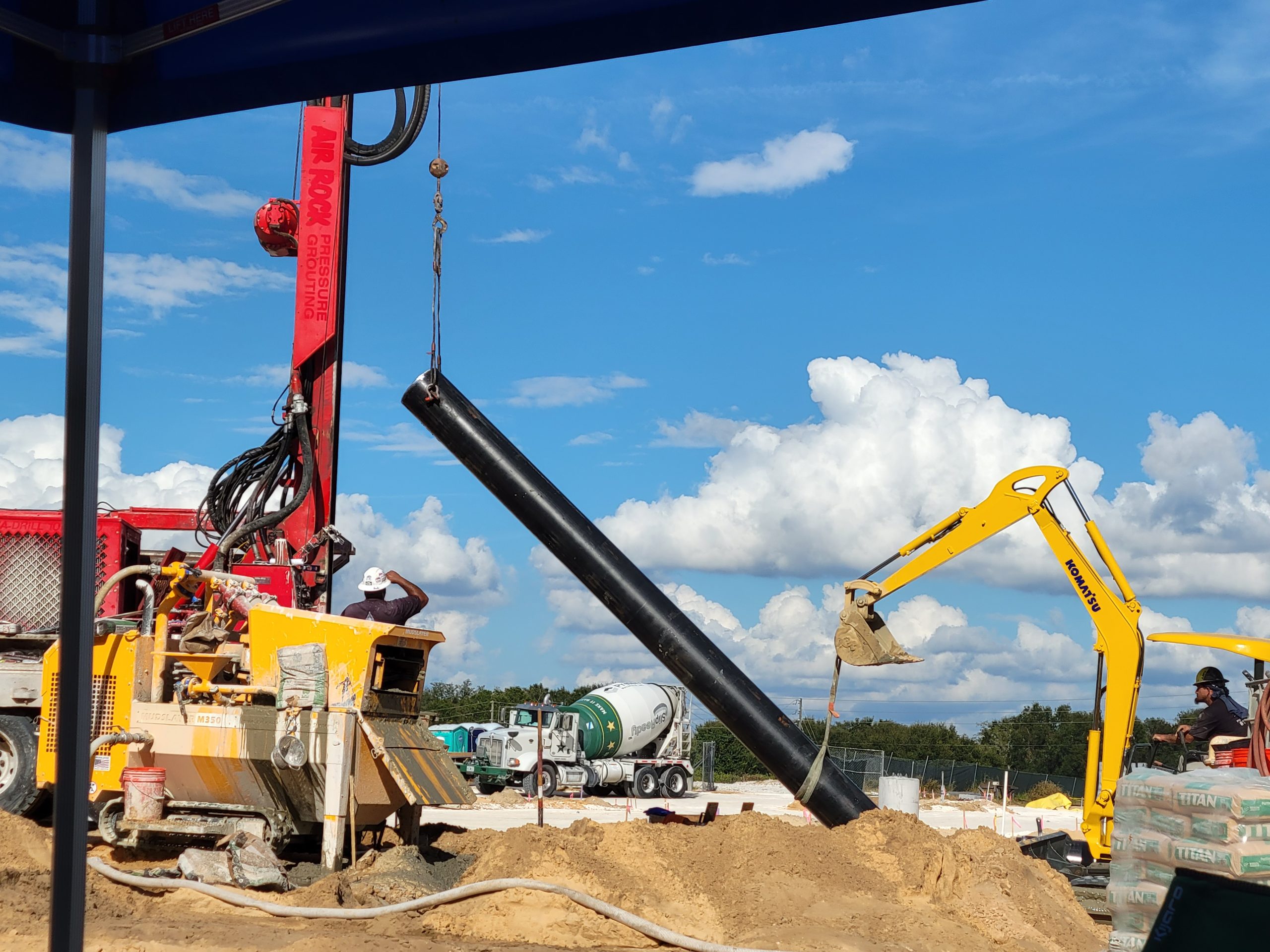
With hurricane season ending and winter rains approaching, fall is the critical window for Largo property owners to properly decommission abandoned wells before surface contaminants reach the Floridan aquifer. Learn what proper well abandonment involves, why Florida regulations require it, and why waiting carries real risk.
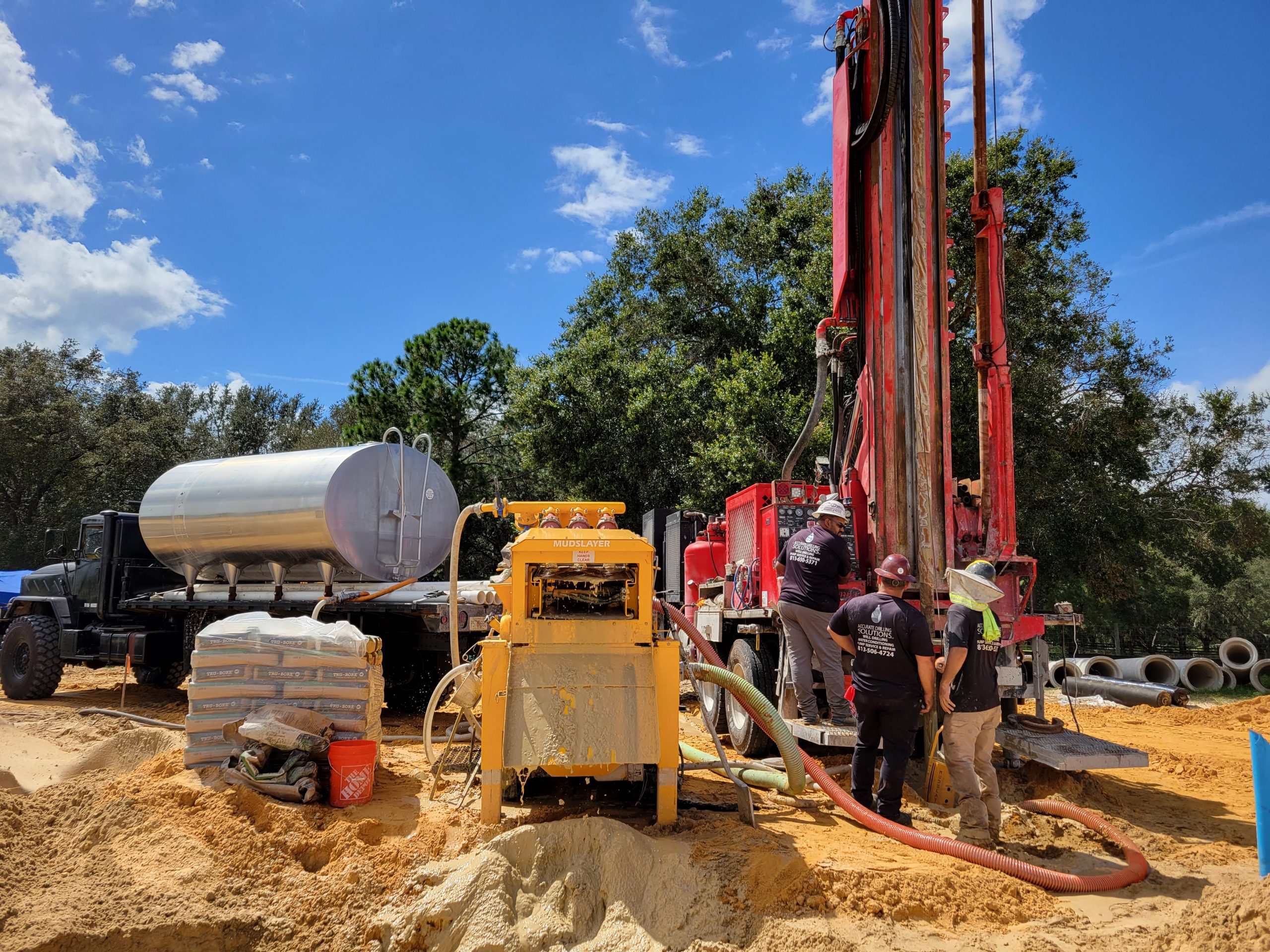
If your geothermal system in Largo is showing signs of reduced performance, the supply well may be the source of the problem. This article covers the key symptoms of well yield decline, limestone aquifer scaling, and reduced system efficiency — and what to do about them.
Selecting the right well pump system in Zephyrhills involves more than picking a pump off a shelf. This guide walks Pasco County property owners through submersible vs. jet pump comparisons, Florida-specific sizing factors, and why professional installation is the only responsible path forward.