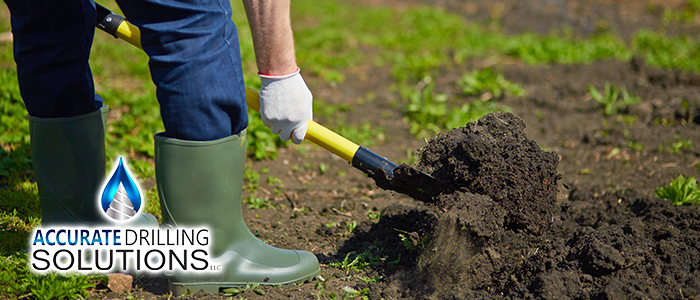
Believe it or not, people ask all the time if they can dig their own well. Sure, it sounds easy – we’ve all seen wells in cartoons, and they look simple enough. If people in the olden days could figure it out when homesteading, what’s the problem? Unfortunately, there are many potential problems and not too many reasons to do it yourself. We’ll be going over some of the things you should know. Additionally, we’ll be talking about the well drilling process and the pitfalls of digging a well yourself. Since the pioneering days, we’ve come a long way and understand much more about the water table and how we should leave well construction and maintenance to experts.
How Would You Dig Your Own Well?
First of all: Stop before you get started! In many places, drilling your own well is illegal. In Florida, there are rigorous requirements to be met, and you need a permit. The paperwork process is filled with pitfalls, and things to be aware of that could potentially land you and your property in some hot water if filed incorrectly. In Florida, you can drill a well yourself if it’s less than two inches (2″) in diameter. It must also be on your own property. The equipment to drill and case a well this small is very expensive. Learning how to operate it is another issue.
But what about shallow wells? You may have heard that using some PVC pipe and a garden hose is all you need to drill a well. This idea is dangerous not only to you and your family, but also to Florida’s rigorously protected water table. Even if you could manage a shallow well, these are likely to reduce or eliminate many of the benefits of owning a well. The use capacity of shallow wells are much lower than a professionally installed well, and the water has a much higher risk of contamination.
Why Would You Dig Your Own Well?
For some people, the idea of self-reliance is understandably very appealing. Our forefathers settled the land and dug open wells on their property, and survived to create a vast empire across the continent. They also suffered from dysentery and other waterborne diseases in numbers far greater than today. Cost is another frequently cited reason to ‘do it yourself.’ However, in the long term, you may pay for it in medical bills, property repair costs, state or federal fines, the purchase of expensive equipment, and many more ways because of the number of unknowns that a layman won’t know how to prepare for.
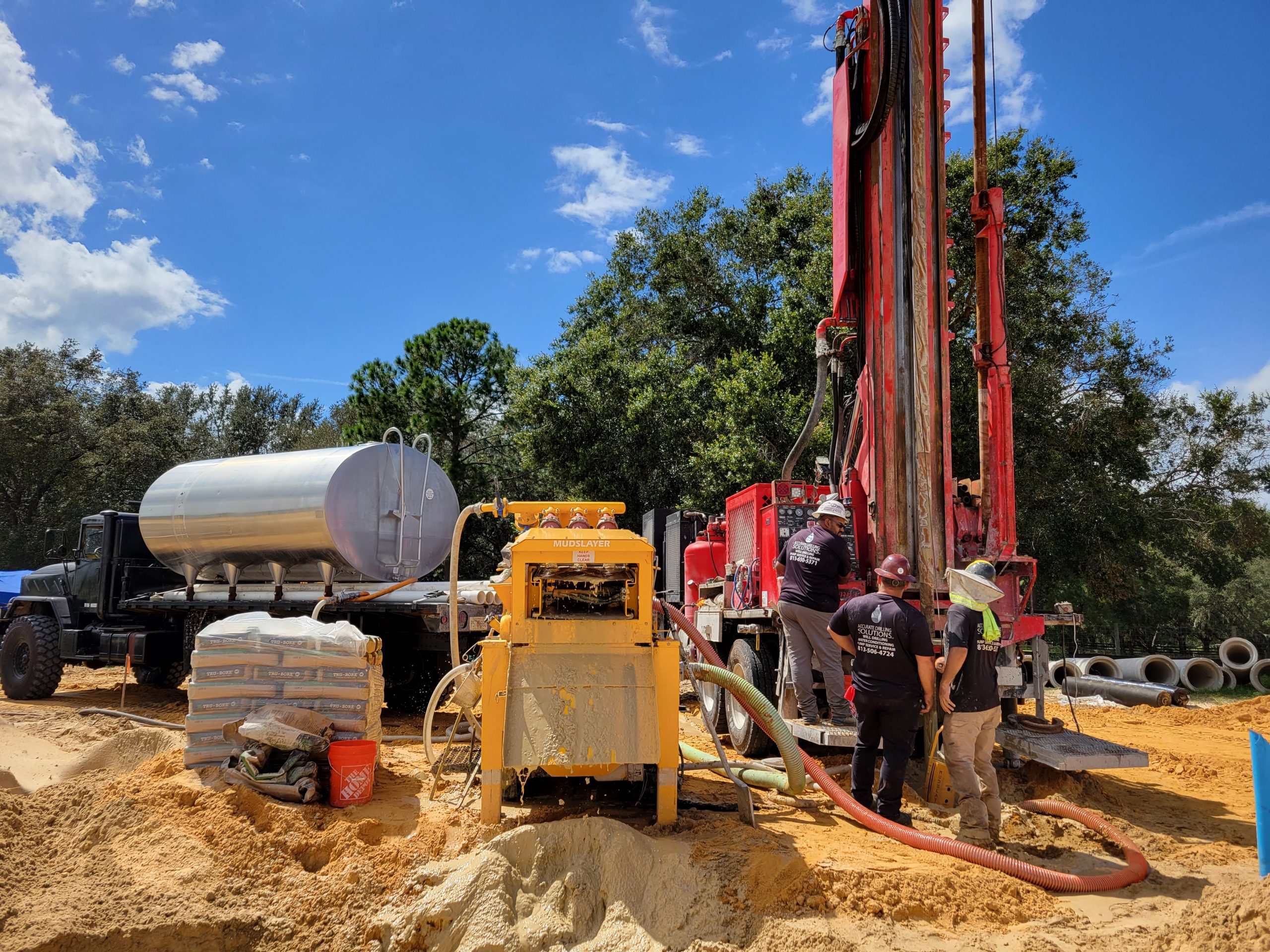
The money you spend on having a well drilled on your property goes into the entire well drilling process. It involves bringing longtime professionals onto your property to survey for the best prospective drill site. Then, they drill a well quickly and effectively. Finally, they case and sealing the well for sanitary and conservation purposes and making sure all cohort equipment is installed in working order. Having a well dug and tested professionally ensures that your family has its water needs met and met safely.
What To Do If You Want a Well
If you’re thinking about digging your own well so you can enjoy well water benefits, please leave it to professionals. Can you go about digging your own well? Sure, maybe – but it will not be a very safe one. We’re here to help you safely enter into the world of private well ownership and are here to answer any questions you may have about the process. Give us a call today to learn more.
continue reading
Related Posts
If your geothermal system in Largo is showing signs of reduced performance, the supply well may be the source of the problem. This article covers the key symptoms of well yield decline, limestone aquifer scaling, and reduced system efficiency — and what to do about them.
Selecting the right well pump system in Zephyrhills involves more than picking a pump off a shelf. This guide walks Pasco County property owners through submersible vs. jet pump comparisons, Florida-specific sizing factors, and why professional installation is the only responsible path forward.

Largo's coastal position, shallow Floridan Aquifer access, and aging residential well infrastructure create specific stress patterns on well pump systems. Understanding these local conditions helps homeowners protect their equipment before problems develop. Learn what makes Largo different — and what to do about it.