Having a water well is something that many homeowners enjoy. The presence of a well allows people to leave municipal water lines behind. Well owners get more control over what goes into their water and no water bills along with that. However, installing a well is initially pricy. Understandably, after the initial cost, most people want their well to last them as long as possible. The key to a lasting water well is effective maintenance. Read on to learn some top water well maintenance tips.
-
Keep Meticulous Records
One of the most important ways that homeowners can help themselves with anything in their house is to keep records. Wells in particular have a lot of data. There is installation information, professional maintenance, homeowner maintenance, equipment testing, and water testing. The more exact your records, the easier it is to help if you have a large issue. Records also make it easy to make warranty or insurance claims.
-
Watch Your Well Cap
The well cap is the covering that protect the external part of a well. Removing the well cap gives direct access to the well, so it is important to keep the cap on tight. Double check that the cap has no cracks or damages. A damaged well cap can let contaminants straight into your water supply. Always do a visual check to make sure that the cap is tightened and has no visible damage.
-
Be Careful With Chemicals
Homeowners need to make sure that any chemicals that they have are stored far away from their well. If chemicals get into your well, it can potentially spread to the larger water source, and other wells. Common home chemicals include cleaning solutions, pesticides or insecticides, pool chemicals, paint, oils, gasoline, grease, and sealants. Do not dump, store, or use these chemicals near your well.
-
Test Regularly
Maintenance is proactive, and either protects or maintains your well for future use. However, nothing is perfect. If a well part is broken, or a well is infected, it is better to know sooner rather than later. The first part of testing regularly is to get your water tested on a regular schedule. It is a very simple process to have well experts come in and test your well water. They test for harmful bacteria or unsafe runoff that may finds its way into the source your well pulls from. If there is a contaminant, they can work with you to develop a treatment plan. The most commonly suggested timeline is to test it once or twice a year. For Floridians, it is also smart to get your well tested after major storms like hurricanes.
In addition to testing the water, test the parts of your well often. Make sure that the water appearance, smell, or taste has not changed. Listen to your pump as someone in the house runs it. Are there any strained mechanical noises? Whirs, clicks, thumps, or bump can indicate that one or more well parts are having issues.
continue reading
Related Posts
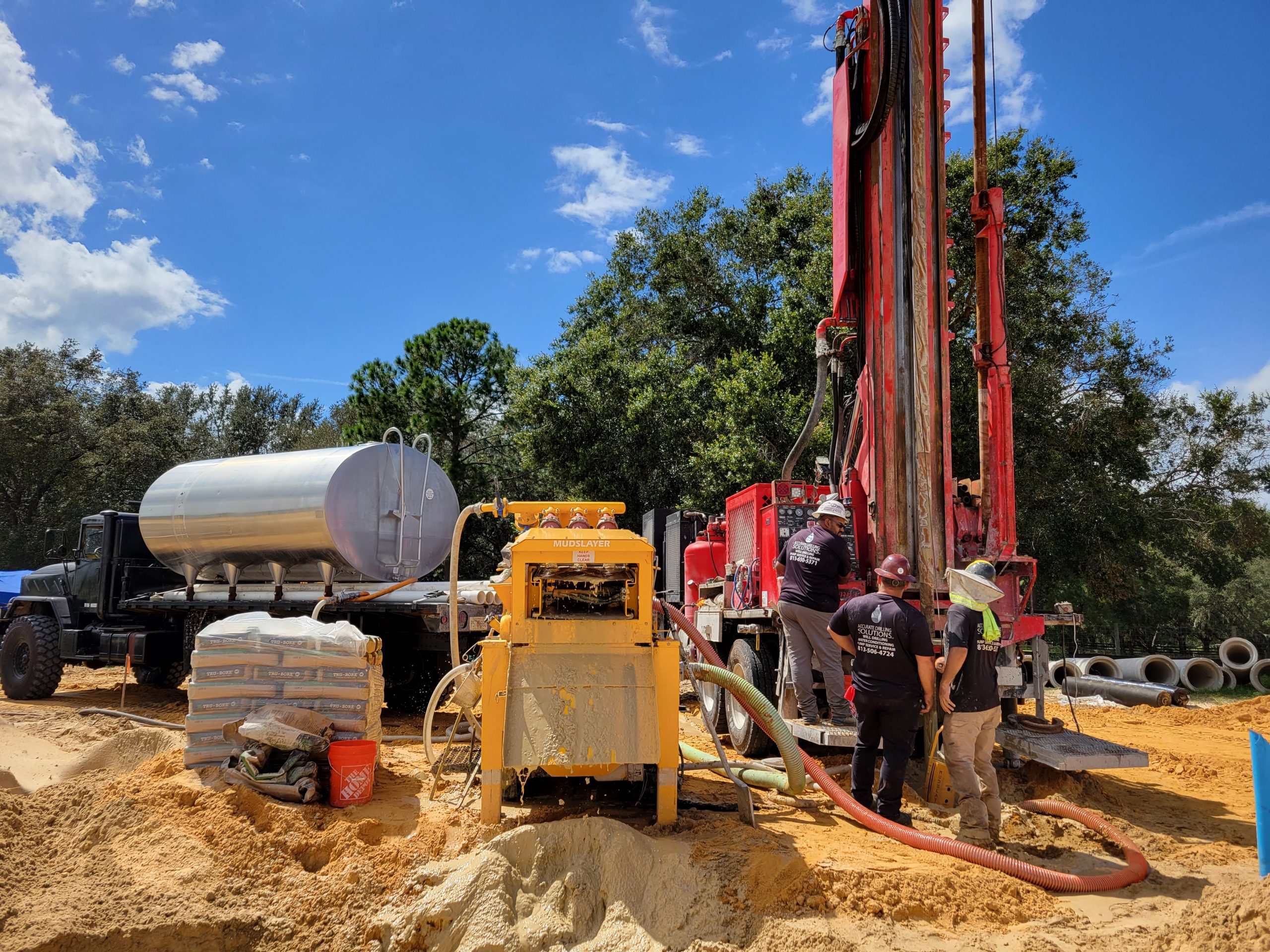
If your geothermal system in Largo is showing signs of reduced performance, the supply well may be the source of the problem. This article covers the key symptoms of well yield decline, limestone aquifer scaling, and reduced system efficiency — and what to do about them.
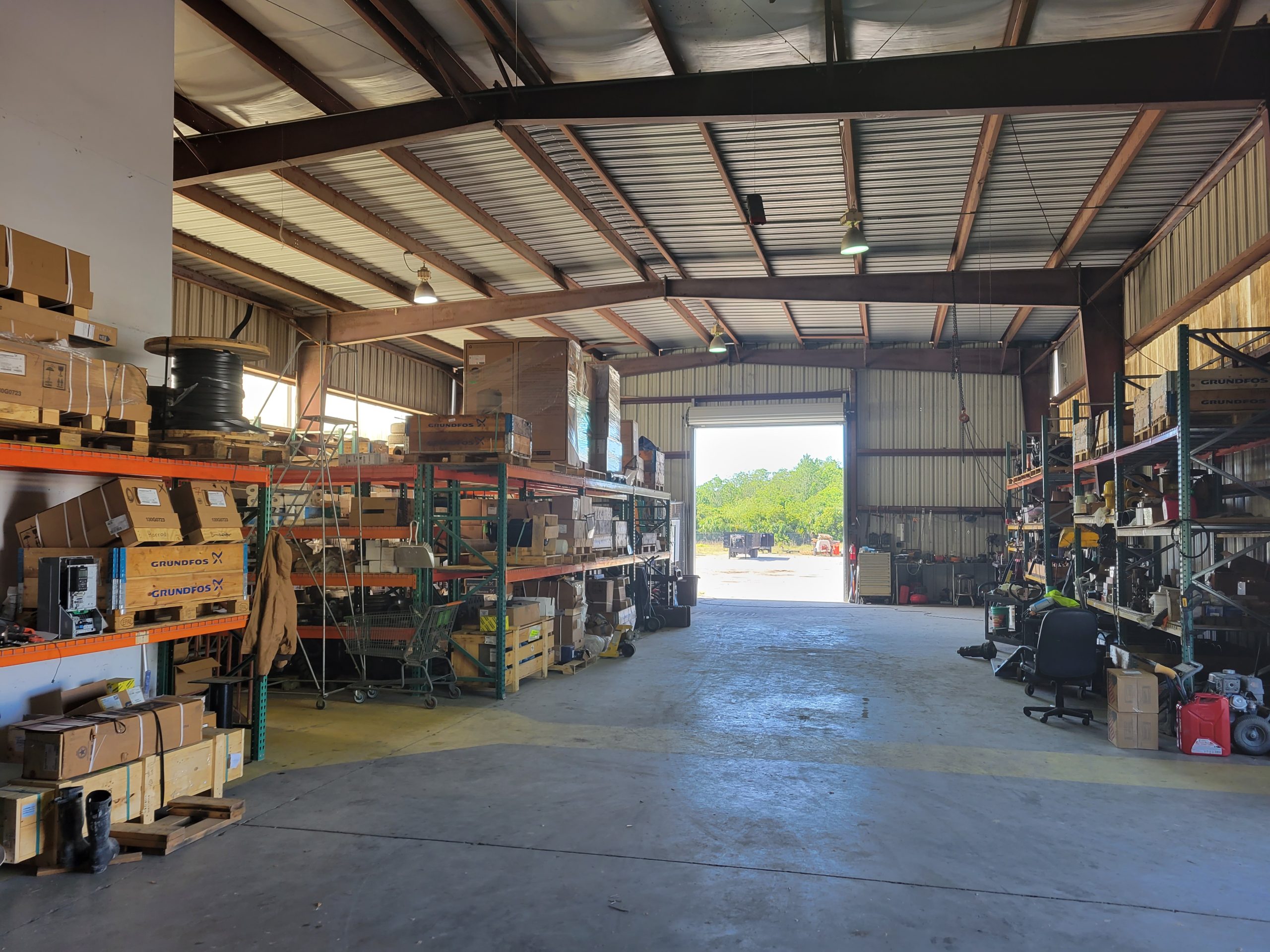
Selecting the right well pump system in Zephyrhills involves more than picking a pump off a shelf. This guide walks Pasco County property owners through submersible vs. jet pump comparisons, Florida-specific sizing factors, and why professional installation is the only responsible path forward.

Largo's coastal position, shallow Floridan Aquifer access, and aging residential well infrastructure create specific stress patterns on well pump systems. Understanding these local conditions helps homeowners protect their equipment before problems develop. Learn what makes Largo different — and what to do about it.