Choosing a well pump system is one of the more consequential decisions a Zephyrhills property owner can make. The right system delivers consistent water pressure for years. The wrong one leads to repeated service calls, water quality issues, and premature failures. Understanding your options before making a selection puts you in a much stronger position.
Submersible vs. Above-Ground Jet Pumps: What Fits Your Property?
The most fundamental choice in any well pump installation is the pump type. Zephyrhills sits in Pasco County, where the Floridan Aquifer System drives most domestic well water supply. That geology plays a direct role in which pump configuration works best.
Submersible Pumps
Submersible pumps are sealed motor-and-pump units that sit directly inside the well casing, fully submerged in water. They push water up to the surface rather than pulling it, which makes them far more efficient at depth. For wells deeper than 25 feet — which describes the vast majority of domestic wells in the Zephyrhills area — a submersible pump is almost always the correct choice.
Because they operate underwater, submersibles run quieter, require no priming, and are better protected from surface-level hazards like flooding and freezing. They are also the preferred configuration for high-demand systems serving larger homes, irrigation, or commercial properties.
Jet Pumps (Above-Ground)
Jet pumps sit above ground, typically in a pump house or garage. They use suction to draw water upward. Shallow-well jet pumps work reliably for wells no deeper than about 25 feet. Deep-well jet pumps can reach further, but they become significantly less efficient as depth increases.
Jet pumps are easier to access for maintenance, which sounds appealing. But in Florida’s climate — with heat, humidity, and the storm exposure that comes with every hurricane season — above-ground equipment takes on added wear. They also lose prime during power outages and can be vulnerable to air intrusion. For most Zephyrhills properties, submersibles offer a more dependable long-term solution.
Well Pump Sizing: Why Florida Aquifer Depth Matters
Sizing a pump correctly is where technical knowledge makes the biggest difference. A pump that is too small can’t meet household demand. A pump that is too large cycles on and off too frequently, which shortens the motor’s lifespan and puts stress on pressure tank components.
Proper well pump sizing in Florida depends on several variables working together:
- Total Dynamic Head (TDH): This accounts for the vertical lift from the water table to your pressure tank, plus friction losses through the pipe. Deeper aquifer levels and longer pipe runs both increase TDH.
- Flow rate requirements: Residential systems are typically sized in gallons per minute (GPM). A single-family home generally needs 8–12 GPM, but larger homes, irrigation systems, or commercial operations may need considerably more.
- Well yield: Your pump should never exceed what the well can sustainably produce. Drawing down the well faster than it can recharge leads to air entrainment, sand intrusion, and motor damage.
- Aquifer characteristics: The limestone aquifer formations common across Pasco County can vary in yield and depth within a surprisingly short distance. Static water levels and recovery rates need to be assessed on a property-by-property basis.
This is precisely where guesswork becomes expensive. An experienced drilling company evaluates all of these factors together before recommending a system.
Florida-Specific Challenges That Affect System Selection
Selecting a well pump system in Zephyrhills isn’t the same as selecting one in a northern state. Florida’s environment introduces several factors that need to be part of the conversation.
Sulfur Water and Water Quality
Hydrogen sulfide — the source of that rotten-egg odor found in some Florida groundwater — is a common reality in Pasco County wells. Some pump materials handle sulfur exposure better than others. Stainless steel components and chemical-resistant seals are important considerations if sulfur content is a known issue on your property.
Sand Intrusion
Sand and fine sediment entering the pump is one of the leading causes of premature failure in Florida domestic wells. Properly installed well screens and pump intake guards reduce this risk. A quality submersible pump with the right motor housing can also tolerate some sand exposure better than a standard unit.
Hurricane Preparedness
Power outages during storm season are a reality across Central Florida. If your property relies on well water as a primary source, a backup power plan — whether a generator hookup or a battery-backed system — deserves consideration alongside your pump selection. Some systems also support pressure tank configurations that store a modest water reserve for short outages.
Grundfos Pumps: Why Brand Selection Matters
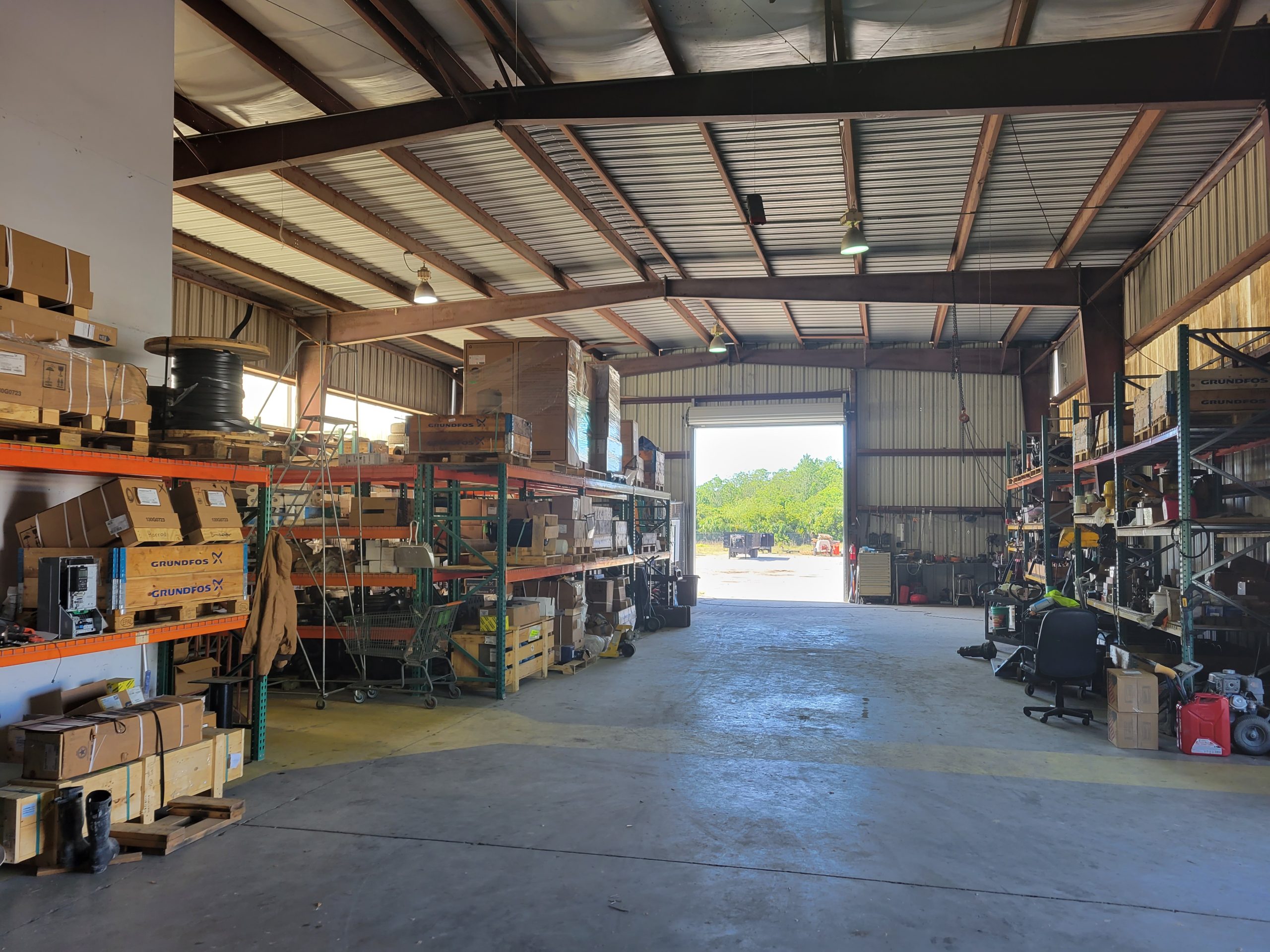
Not all submersible pumps are built to the same standard. Accurate Drilling Solutions is a premier dealer of Grundfos pumps, and there are sound technical reasons why Grundfos equipment is well-regarded in the industry. Grundfos pumps are engineered with high-efficiency motors, built-in overload protection, and durable construction that holds up well in demanding Florida aquifer conditions. When equipment quality matters over the long run, the brand behind the pump is worth understanding.
For properties across Pasco County and beyond, you can learn more about well pump installation services in Zephyrhills and how equipment selection factors into the overall system design.
DIY Installation vs. Professional Well Pump Installation
It’s worth being direct on this point. Well pump installation is not a project suited to DIY approaches, regardless of general mechanical aptitude. Here’s why.
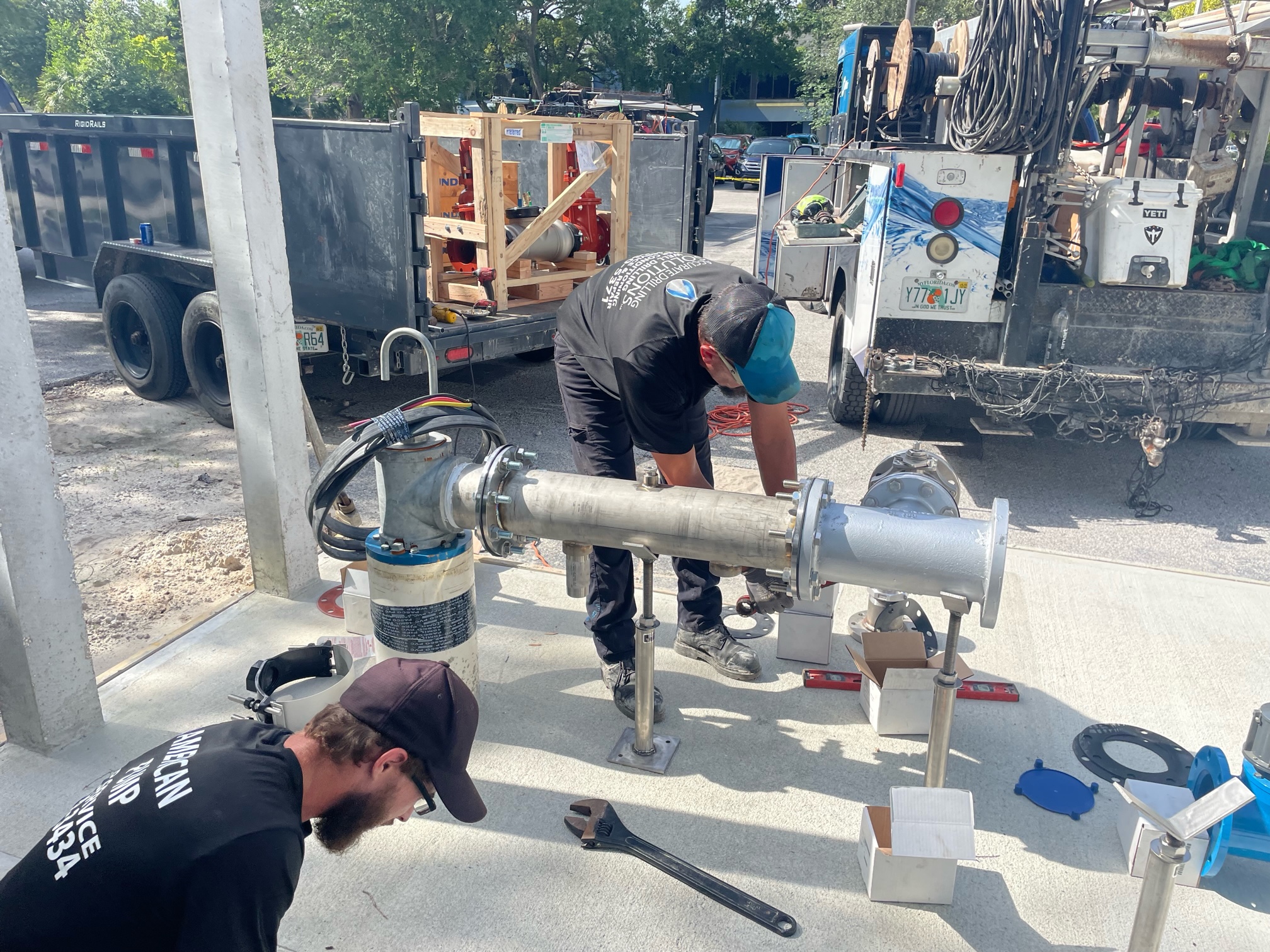
Pulling and resetting a submersible pump requires specialized equipment — drop pipe handling, safety cables, torque arrestors, and properly rated electrical connections. Florida well installations must comply with state and county permitting requirements. Incorrect wiring can create electrocution hazards inside the well casing. An improperly seated pump can allow contamination into the water supply.
Beyond safety, incorrect installation voids most manufacturer warranties. That matters when the equipment you’ve selected carries warranty protection worth preserving.
The Accurate Drilling Solutions team has the licensed personnel, equipment, and Florida-specific experience to handle installations that meet code and protect your investment from day one.
When to Replace vs. Repair Your Existing Pump
If your current pump is underperforming rather than completely failed, the replacement-vs-repair question comes up. Several indicators suggest replacement makes more sense than repair:
- The pump is more than 10–15 years old and has a history of service calls
- Pressure has declined progressively and cleaning hasn’t resolved it
- The motor has overheated or shows signs of winding damage
- Sand intrusion has scored the impellers significantly
- The existing unit is undersized for current household or irrigation demand
Repair makes sense for isolated component failures on a pump in otherwise good condition. A professional evaluation removes the guesswork. You can also explore water pump repair services to understand when targeted repairs are the right call.
Maintenance Agreements: Protecting Your Investment Long-Term
A well pump installation is a significant system investment. Scheduled maintenance — checking pressure tank pre-charge, inspecting electrical connections, monitoring flow rates, and testing water quality — extends system life and catches small problems before they become large ones. Well maintenance agreements offer a structured way to stay ahead of issues rather than reacting to them.
Properties in areas like Zephyrhills that experience seasonal demand swings — heavier irrigation use in the dry season, storm-related stress in summer — benefit particularly from consistent maintenance oversight.
Choosing a Well Pump Contractor in Zephyrhills
When evaluating contractors for a well pump installation in Zephyrhills, look for Florida Water Well Association membership, active state licensing, documented experience with local aquifer conditions, and a track record with both residential and commercial properties. HOAs and CDDs in Pasco County have specific system demands that require contractors who understand multi-unit and high-volume configurations.
The right contractor won’t just drop in a pump — they’ll assess your entire system, confirm the well’s condition, select appropriately sized equipment, and stand behind the installation. If you’re ready to move forward or want a professional assessment of your current system, the team is reachable at 813-643-6161 or through the contact page.
Frequently Asked Questions
How deep are most residential wells in the Zephyrhills area?
Depth varies by location within Pasco County, but many residential wells in and around Zephyrhills reach the Floridan Aquifer at depths ranging from roughly 100 to several hundred feet. The specific geology of your parcel determines the actual drilling depth needed to reach productive water-bearing zones. A licensed driller can evaluate local records and site conditions before recommending a target depth.
What is the lifespan of a submersible well pump in Florida?
Most quality submersible pumps last 10 to 15 years under normal residential use, though Florida-specific factors — including mineral content, sand intrusion, and cycling frequency — can affect that range in either direction. Proper sizing, quality equipment like Grundfos, and regular maintenance all contribute to longer service life. Pumps that are oversized or improperly installed often fail earlier than expected.
Does a new well pump require a permit in Pasco County?
Florida requires permits for well construction and certain well modifications. Pump replacements on existing wells may or may not require a permit depending on the scope of work and whether the well casing or components are being altered. A licensed contractor will know which work triggers permitting requirements and will handle the filing process as part of the installation.
Can I use my well pump for both household water and irrigation?
It depends on the system design and the pump’s capacity. Some properties successfully run both domestic and irrigation demand from a single well, while others benefit from a dedicated irrigation well to avoid overtaxing the primary domestic system. The decision depends on total GPM demand, well yield, and aquifer recovery rates. A professional assessment will clarify the right configuration for your property.
What causes low water pressure from a well pump system?
Low pressure can result from several issues: a failing pump motor, worn impellers, a waterlogged pressure tank, a clogged well screen, or a pump that was never correctly sized for the demand placed on it. Sand intrusion is a common culprit in Florida wells. Diagnosing the root cause accurately is important before committing to any repair or replacement solution.
How does sulfur in groundwater affect my pump system?
Hydrogen sulfide in Florida groundwater can corrode certain metals and degrade pump seals over time. When sulfur levels are elevated, selecting pump components with appropriate material ratings — stainless steel hardware, chemical-resistant seals — helps extend system life. Water treatment options can also reduce sulfur content before it reaches household fixtures and appliances.
continue reading
Related Posts

Largo's coastal position, shallow Floridan Aquifer access, and aging residential well infrastructure create specific stress patterns on well pump systems. Understanding these local conditions helps homeowners protect their equipment before problems develop. Learn what makes Largo different — and what to do about it.

Hudson and Pasco County well owners have a lot of questions about video well inspections — what the camera finds, how the process works, and when to schedule one. This FAQ covers the most common questions specific to older coastal-area wells in this part of Florida.
Well pump replacement in Pinellas Park depends on more than age alone. Learn how Florida groundwater conditions, pump type, water quality, and usage patterns affect how often your pump should be replaced or upgraded.