
If you’ve never scheduled an irrigation well service call before, it’s easy to feel uncertain about what you’re agreeing to. What will the technician need to see? How long will it take? What happens after they leave? These are fair questions, and having clear answers makes the whole experience much smoother. This walkthrough covers every stage of a typical irrigation well appointment in Wesley Chapel so you know exactly what to expect from start to finish.
Before the Technician Arrives: What You Should Have Ready
The process starts the moment you call. When you schedule your irrigation well service in Wesley Chapel, a knowledgeable team member will ask a few basic questions upfront. These usually include how old your well is, whether you’ve noticed any changes in water pressure or coverage, and whether your system has had any recent repairs.
This isn’t just paperwork. The answers help the technician arrive prepared with the right tools and parts for your specific setup. If you have records of past service — even a basic installation date — have those available. Don’t worry if you don’t have documentation. Experienced technicians work with what’s on-site.
Before the visit, clear the area around your wellhead and controller box if possible. This gives the technician safe, efficient access and keeps the appointment moving without delays.
What Happens During the Service Appointment
System Inspection and Assessment
The technician’s first priority is a thorough assessment of your well and pump system. In Wesley Chapel and the surrounding Pasco County area, irrigation wells typically draw from Florida’s Floridan aquifer — a limestone-based formation that produces reliable water but comes with its own set of challenges. Sand intrusion, mineral buildup, and the effects of seasonal drawdown during dry months are all common findings during routine inspections.
The technician will check the pump, pressure settings, electrical connections, and the condition of the drop pipe and wiring inside the well casing. They’ll also look at the control panel and any above-ground components for signs of wear or corrosion.
Pressure and Performance Testing
One of the most informative parts of the visit is live pressure testing. Low or inconsistent pressure is one of the most common complaints from Wesley Chapel homeowners, especially during dry season when irrigation demand peaks. Testing reveals whether the issue is mechanical — such as a failing pump motor or worn impeller — or related to water table depth and aquifer conditions.
Flow rate testing helps identify whether your pump is still sized correctly for your irrigation zones. Over time, as landscaping grows and irrigation zones expand, original equipment can become undersized. This is a common situation in established Wesley Chapel neighborhoods where properties and irrigation layouts have evolved since the well was first drilled.
Checking for Florida-Specific Issues
Florida wells face conditions that aren’t typical in other parts of the country. Sulfur odor in irrigation water, while not always a health concern in non-potable systems, can indicate bacterial activity or specific aquifer characteristics worth monitoring. Sand intrusion from the aquifer can wear down pump components faster than normal and may point to a compromised well screen. The technician will note any signs of these conditions during the visit.
If your area experienced significant rainfall or storm activity recently — something Wesley Chapel sees regularly during hurricane season — the technician will also check for any pressure fluctuations or sediment that storm events can temporarily introduce into well systems.
What the Technician Will Explain to You
A good service visit isn’t just about fixing problems quietly and leaving. The technician should walk you through their findings in plain language. You’ll hear what’s working well, what needs attention now, and what may need monitoring over time.
If repairs are needed, the technician will explain what the work involves and why it matters. Whether it’s replacing a pump component, adjusting pressure switch settings, or recommending a downhole video inspection to get a clearer look at the well casing, each recommendation should be grounded in what they actually observed during the visit — not a one-size-fits-all suggestion.
The team at Accurate Drilling Solutions trains technicians to communicate findings clearly, because a homeowner who understands their system is better equipped to protect it long-term.
After the Visit: Follow-Up and Documentation
Once the service is complete, you should receive documentation of what was inspected, what was found, and what work was performed. Keep this on file. It becomes part of your well’s service history and is useful for future appointments, property transactions, or warranty purposes.
If follow-up work was recommended, a reputable service provider will reach out to confirm next steps rather than leaving you to track it down. Ask about well maintenance agreements if you’d prefer a scheduled, ongoing service plan. For Wesley Chapel properties with active irrigation systems running multiple days per week, a maintenance plan can catch small issues before they interrupt your lawn and landscape schedule.
When to Schedule — and When Not to Wait
Routine annual service is the standard recommendation for residential irrigation wells. But there are situations where you shouldn’t wait for a scheduled appointment. If you notice a sudden drop in pressure, zones that were previously green going dry, the pump running constantly without shutting off, or any unusual sounds from the pump housing, those are signals to call promptly.
Wesley Chapel’s warm climate means irrigation systems run hard for much of the year. That extended runtime accelerates wear on pump components compared to cooler climates, which makes regular service more important — not less. Learn more about irrigation well systems and services to understand what keeps these systems performing reliably season after season.
Scheduling shouldn’t feel complicated. If you have questions about what a service call involves or want to get an appointment on the calendar, call Accurate Drilling Solutions at 813-643-6161. The team is familiar with local well conditions across Wesley Chapel and the greater Tampa Bay area and can help you figure out the right next step for your property.
Frequently Asked Questions
How long does a typical irrigation well service appointment take?
Most routine service calls take between one and three hours, depending on the complexity of the system and whether any repairs are needed on-site. A straightforward inspection and performance test is generally on the shorter end, while a visit that includes pump work or parts replacement will take longer. The technician can give you a more specific time estimate once they’ve assessed your setup.
Do I need to be home during the irrigation well service call?
It’s strongly recommended that someone be present, at least at the start of the appointment. The technician will need access to your pump system, controller, and possibly your electrical panel. Being available also means you can ask questions and receive a direct explanation of findings. If you can’t be there in person, make sure another adult who knows the property is present.
What are the most common problems found during irrigation well service in Wesley Chapel?
Sand intrusion, worn pump impellers, pressure switch issues, and mineral scaling from the Floridan aquifer are among the most frequently identified problems. Seasonal drawdown during dry periods can also cause reduced performance. Many of these issues develop gradually, which is why routine service catches them before they become system failures.
Can my irrigation well be inspected without digging or disrupting my yard?
Yes. Most of what a technician needs to assess is accessible above ground or through the well casing opening. A downhole video inspection, when needed, sends a camera down the casing to check for damage, corrosion, or obstructions — all without excavation. This is a non-invasive way to get detailed information about the condition of your well.
How often should I schedule irrigation well service for a residential property?
Annual service is the standard recommendation for most residential irrigation wells. Properties with high-demand irrigation schedules, older equipment, or known water quality concerns may benefit from more frequent checkups. Florida’s climate — including extended dry seasons and storm activity — puts more strain on well systems than many homeowners realize, making consistent service an important part of protecting the investment.
What should I do to prepare my irrigation well before hurricane season?
Schedule a service appointment before the season starts, ideally in late spring. The technician can verify that your pump, pressure system, and electrical components are in good condition before storms arrive. It’s also worth confirming that your wellhead is properly sealed and that any above-ground components are secure. Proactive service is far easier than emergency repair after a storm has passed through.
continue reading
Related Posts

If your irrigation well in Spring Hill is losing pressure or falling behind demand, the cause could be pump wear, sand intrusion, a clogged screen, or aquifer yield decline. This guide walks through the symptoms of each problem so you know what you're dealing with before it gets worse.
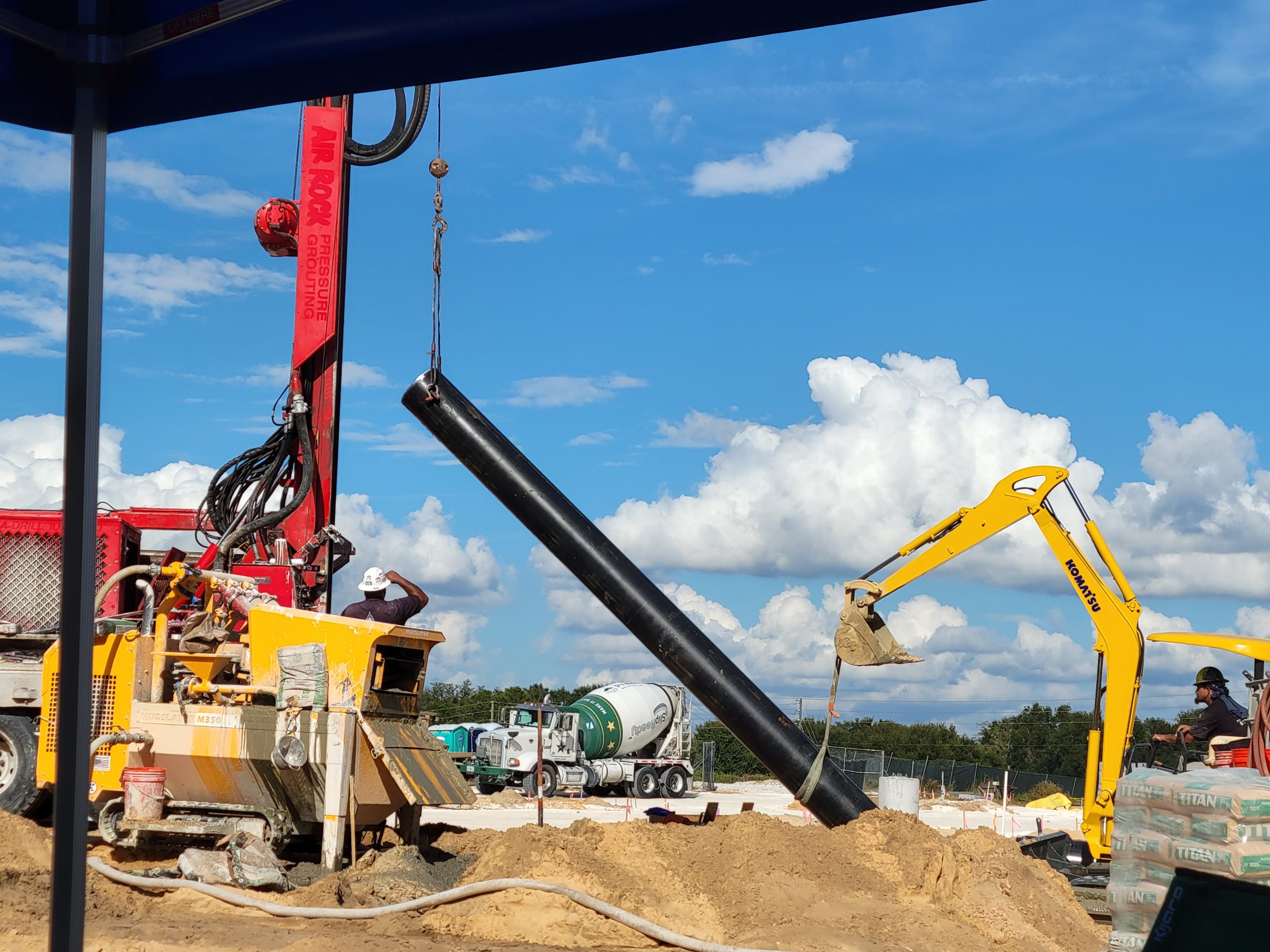
With hurricane season ending and winter rains approaching, fall is the critical window for Largo property owners to properly decommission abandoned wells before surface contaminants reach the Floridan aquifer. Learn what proper well abandonment involves, why Florida regulations require it, and why waiting carries real risk.
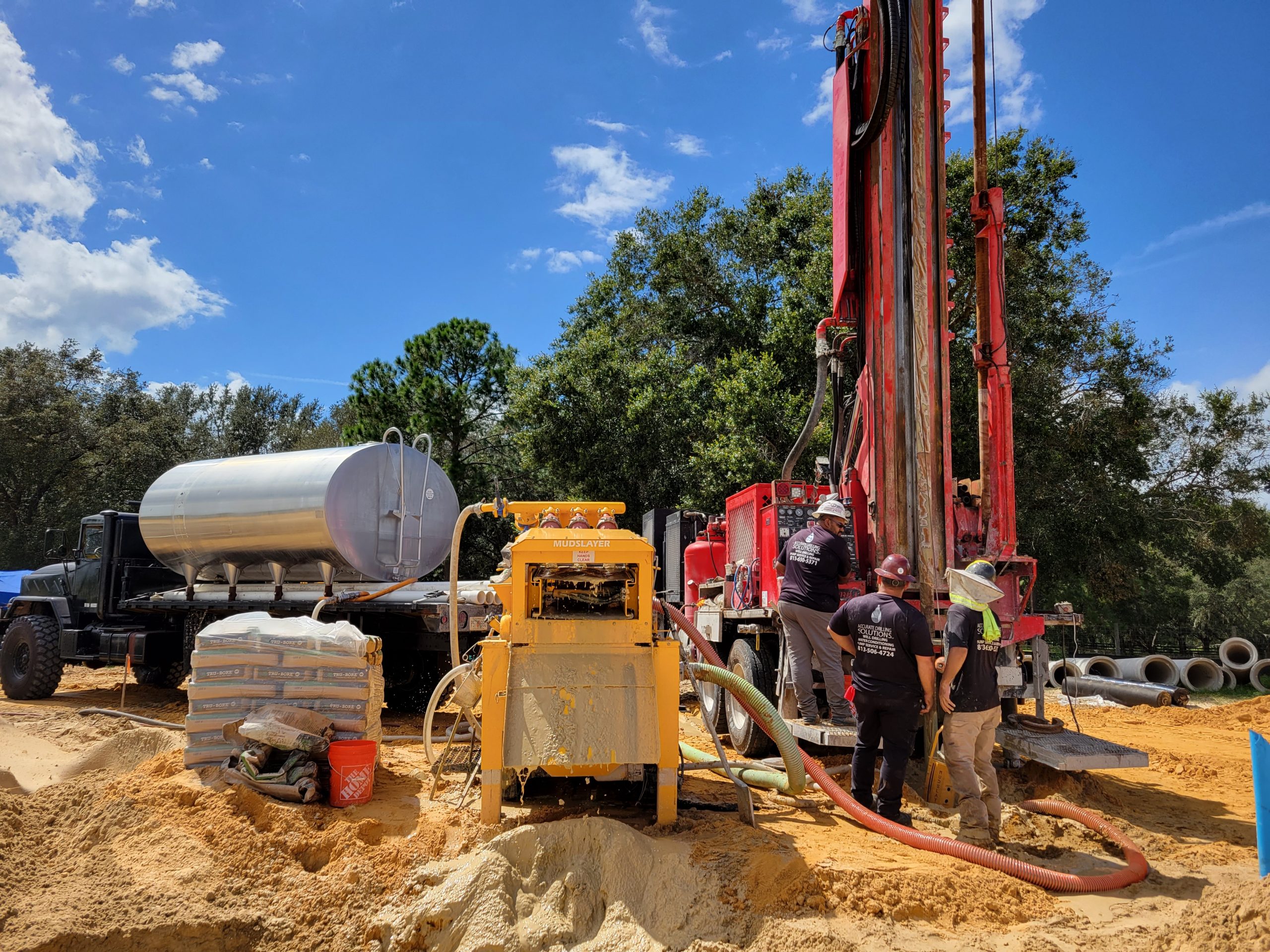
If your geothermal system in Largo is showing signs of reduced performance, the supply well may be the source of the problem. This article covers the key symptoms of well yield decline, limestone aquifer scaling, and reduced system efficiency — and what to do about them.