Your irrigation well in Spring Hill was working fine last season. Now your zones are running weak, your pressure drops halfway through a cycle, or your heads barely pop up. Something has changed — but what exactly? Before you assume the worst, a symptom-by-symptom look at your system can tell you a lot about what’s actually going on underground.
Hernando County sits over a limestone aquifer system that behaves differently than the sandy formations you’ll find closer to the coast. That geology creates specific failure patterns worth understanding before you call anyone out.
Start With What You Can See: Surface-Level Symptoms
Not every irrigation well problem starts underground. Some of the most useful diagnostic clues are right in front of you.
Uneven Zone Coverage
If one or two zones run fine but others are noticeably weak, the issue is more likely a pump delivering inadequate pressure under load than an aquifer problem. A healthy pump should maintain consistent pressure across all zones when they run in sequence. If pressure drops progressively as more zones activate, that points toward pump wear or a decline in pump output capacity.
Low Pressure Across All Zones
When every zone runs weak, you’re dealing with a system-wide issue. This is where irrigation pump low pressure becomes the central diagnostic question. The cause could be a worn impeller, a failing motor, a partially closed valve, or a pressure tank that’s lost its charge. It can also indicate a drop in water level inside the well itself — which is a different problem entirely.
Sputtering or Air in the Lines
Intermittent flow, sputtering heads, or air pockets in the discharge line are red flags. These symptoms often indicate the pump is drawing from a water level that’s dropped below the intake. In Spring Hill, this can happen during extended dry periods when seasonal demand on the Floridan Aquifer is highest. It can also indicate the well screen is partially blocked, restricting water entry into the wellbore.
Sand in the System: A Hernando County Concern
Sand intrusion in irrigation wells is more common in Hernando County than many property owners realize. The geological formations here include zones where fine-grained sediments sit adjacent to water-bearing limestone. If the well screen develops a breach or was undersized for the formation from the start, sand and fine sediment can migrate into the casing.
Signs of sand intrusion in an irrigation well include:
- Grit or fine particles visible in filter housings or strainer baskets
- Accelerated wear on pump impellers and wear rings
- Scratching or grinding sounds from the pump
- Sediment buildup in drip emitters or low-flow heads
Left unaddressed, sand intrusion moves from a screen problem to a pump problem. The abrasive particles eat through impeller stages faster than normal wear would, and a pump that could have been saved with screen service instead needs full replacement. This is why professional irrigation well Spring Hill evaluation matters — catching it early changes the outcome significantly.
Well Screen Clogging: Slow But Damaging
Well screen clogging in Hernando County formations often develops gradually. Calcium carbonate from the limestone aquifer can deposit on the screen openings over time, progressively reducing the amount of water that can enter the well. Iron bacteria — common in Florida groundwater — can also create a biological fouling layer that restricts flow.
The diagnostic pattern for a clogged screen looks like this: the pump runs normally, pressure at startup seems adequate, but the system can’t sustain flow under demand. Water level inside the casing drops quickly when the pump is running, because water can’t enter the well fast enough to keep up. This is called a reduced specific capacity, and it’s measured during a well yield test.
A video well inspection is the most direct way to see what’s happening at screen depth. It eliminates guesswork and shows whether you’re dealing with mineral scale, biological fouling, physical screen damage, or sediment packing around the screen exterior.
Aquifer Yield Decline vs. Equipment Failure
This is the question that separates a straightforward pump repair from a more involved well problem. Aquifer yield decline means the formation itself is producing less water — not that your equipment has failed. In Spring Hill and across Hernando County, this can occur seasonally or in response to sustained drought conditions and regional groundwater demand.
How do you tell the difference? Equipment failure typically presents suddenly or worsens quickly. A pump that blew a capacitor fails in a matter of hours. Aquifer yield issues tend to develop over weeks or months, with gradual pressure loss and progressively shorter run times before recovery is needed.
If your system ran well for years and is now consistently underperforming only during the dry season — roughly November through May — seasonal aquifer drawdown is worth investigating. A licensed well contractor can conduct a pump test to measure how quickly the water level recovers after a controlled pumping period. That data tells you whether you have a formation problem, a screen problem, or an equipment problem.
Pump Wear: What It Looks Like in Practice
Submersible pumps used in irrigation wells don’t last forever. Typical service life depends on run hours, water quality, and whether sand has been present in the water column. A pump approaching the end of its service life often shows these signs:
- Longer run times to achieve the same irrigation results
- Higher amp draw at the control panel (if monitored)
- Intermittent cycling where the pump shuts off and restarts unexpectedly
- Reduced flow rate even when the well has adequate water
Pump wear is normal and expected. The goal is catching it before a full failure leaves your irrigation system down during a dry stretch when your landscape — or an HOA’s common areas — can least afford it. Water pump repair performed before complete failure is almost always less involved than an emergency replacement.
When to Stop Diagnosing and Call a Professional
Some symptoms are clear enough that further investigation on your own isn’t going to move the needle. If you’re seeing any of the following, it’s time to bring in a licensed well contractor:
- Visible sand or sediment in the irrigation system that’s new or increasing
- A complete loss of pressure that doesn’t restore after the system rests
- Grinding or burning smells from the pump or control panel
- Tripped breakers that keep returning
- Water level that won’t recover between irrigation cycles
The Accurate Drilling Solutions team works throughout Spring Hill and Hernando County and understands the specific aquifer conditions and formation challenges that affect wells in this area. Matching the diagnosis to the right solution requires local knowledge — not just general well service experience.
HOAs and CDDs managing common-area irrigation systems face amplified versions of these same problems. A single well servicing multiple zones across a large property puts more sustained demand on the pump and the formation than a residential setup does. Regular monitoring and scheduled evaluations make a measurable difference in avoiding system failures during peak season.
If you’re managing a property in Spring Hill and your irrigation well isn’t keeping up, reach out to Accurate Drilling Solutions at 813-643-6161. A proper diagnosis now is far less disruptive than a system failure in the middle of a Florida dry season. You can also schedule a consultation online to get the process started.
Frequently Asked Questions
How do I know if my irrigation well problem is the pump or the well itself?
Pump failures tend to happen suddenly — one day the system works, the next it doesn’t. Well-related problems like screen clogging or aquifer yield decline usually develop gradually, with progressive loss of pressure or flow over weeks or months. A pump test conducted by a licensed well contractor can measure water level recovery rates and help pinpoint whether equipment or the formation is the root cause.
What causes well screens to clog in Hernando County?
Two main culprits are common in this area. Calcium carbonate from the limestone aquifer deposits on screen openings over time, reducing water entry into the well. Iron bacteria — naturally present in many Florida groundwater systems — can also form a biological fouling layer inside the screen. Both issues are identifiable through a video inspection and are addressable before they cause serious yield loss.
Is sand in my irrigation system always a sign of a well screen problem?
Not always, but it’s a strong indicator. Fine sediment in filter baskets or drip emitters that wasn’t present before suggests sand is entering the water column. This can result from a damaged or deteriorated well screen, a screen that’s undersized for the formation, or shifts in the sediment layers surrounding the well casing. A video inspection is the most reliable way to confirm the source.
Can seasonal dry weather in Spring Hill actually reduce my well’s output?
Yes. Florida’s dry season runs roughly from late fall through spring, and sustained periods without rainfall reduce aquifer recharge. In Hernando County, where many irrigation wells draw from the Floridan Aquifer system, seasonal water table fluctuations are real. If your well underperforms only during dry months and recovers after significant rain, seasonal drawdown may be a contributing factor alongside any equipment issues.
How often should an irrigation well in Spring Hill be professionally inspected?
An annual inspection is a reasonable baseline for most residential irrigation wells. HOAs and CDDs running high-demand systems benefit from more frequent evaluations — twice yearly or on a scheduled maintenance agreement. Regular inspections catch early-stage screen fouling, pump wear, and pressure anomalies before they become system failures, especially heading into Florida’s dry season when irrigation demand peaks.
What is a well yield test and when is it needed?
A well yield test measures how much water a well can reliably produce over a set period and how quickly the water level recovers after pumping. It’s the most direct way to distinguish between an equipment limitation and a formation limitation. If your system has progressively lost output over time and standard pump diagnostics don’t reveal a clear equipment failure, a yield test gives you the data needed to make an informed decision about next steps.
continue reading
Related Posts
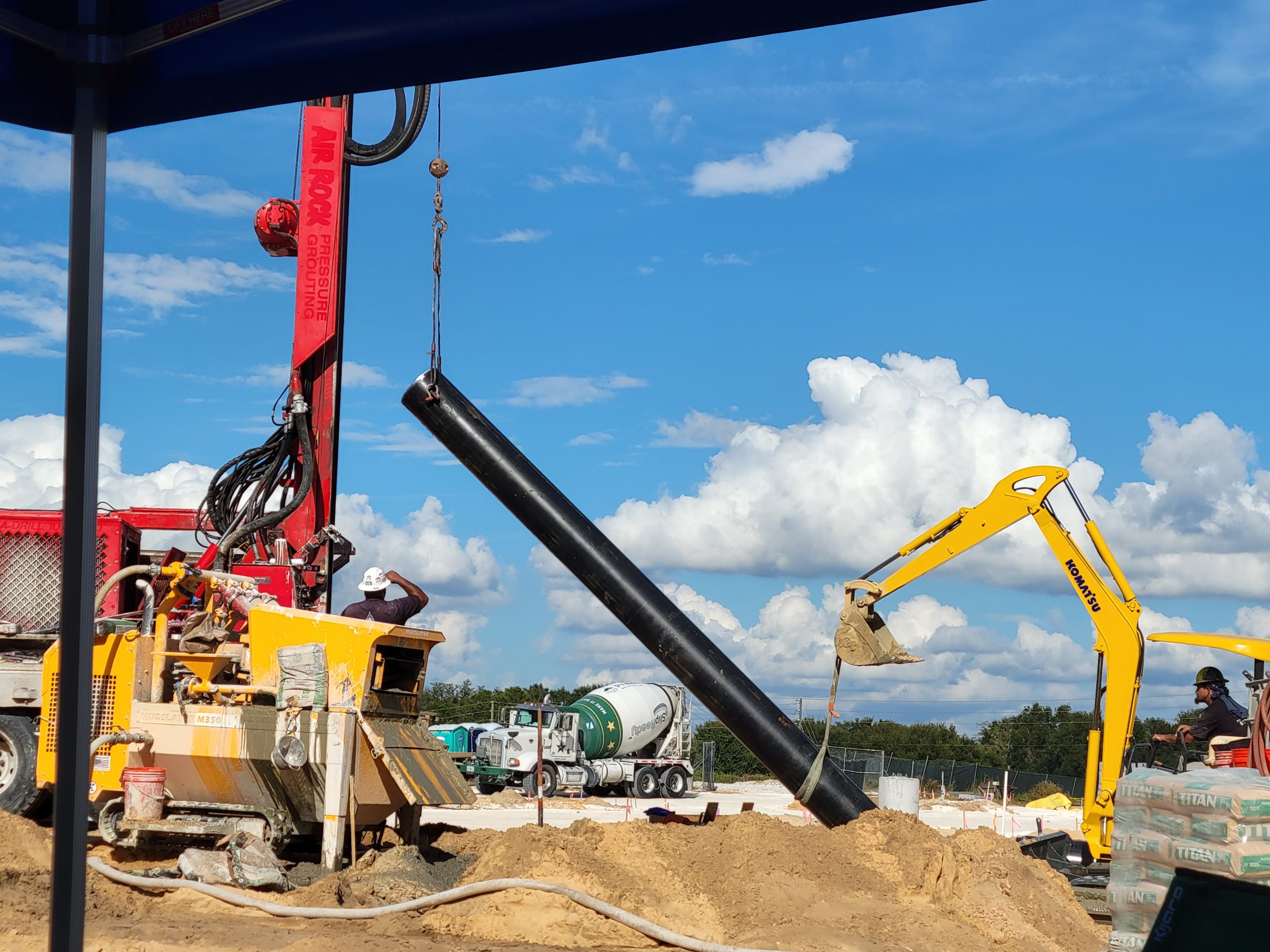
With hurricane season ending and winter rains approaching, fall is the critical window for Largo property owners to properly decommission abandoned wells before surface contaminants reach the Floridan aquifer. Learn what proper well abandonment involves, why Florida regulations require it, and why waiting carries real risk.
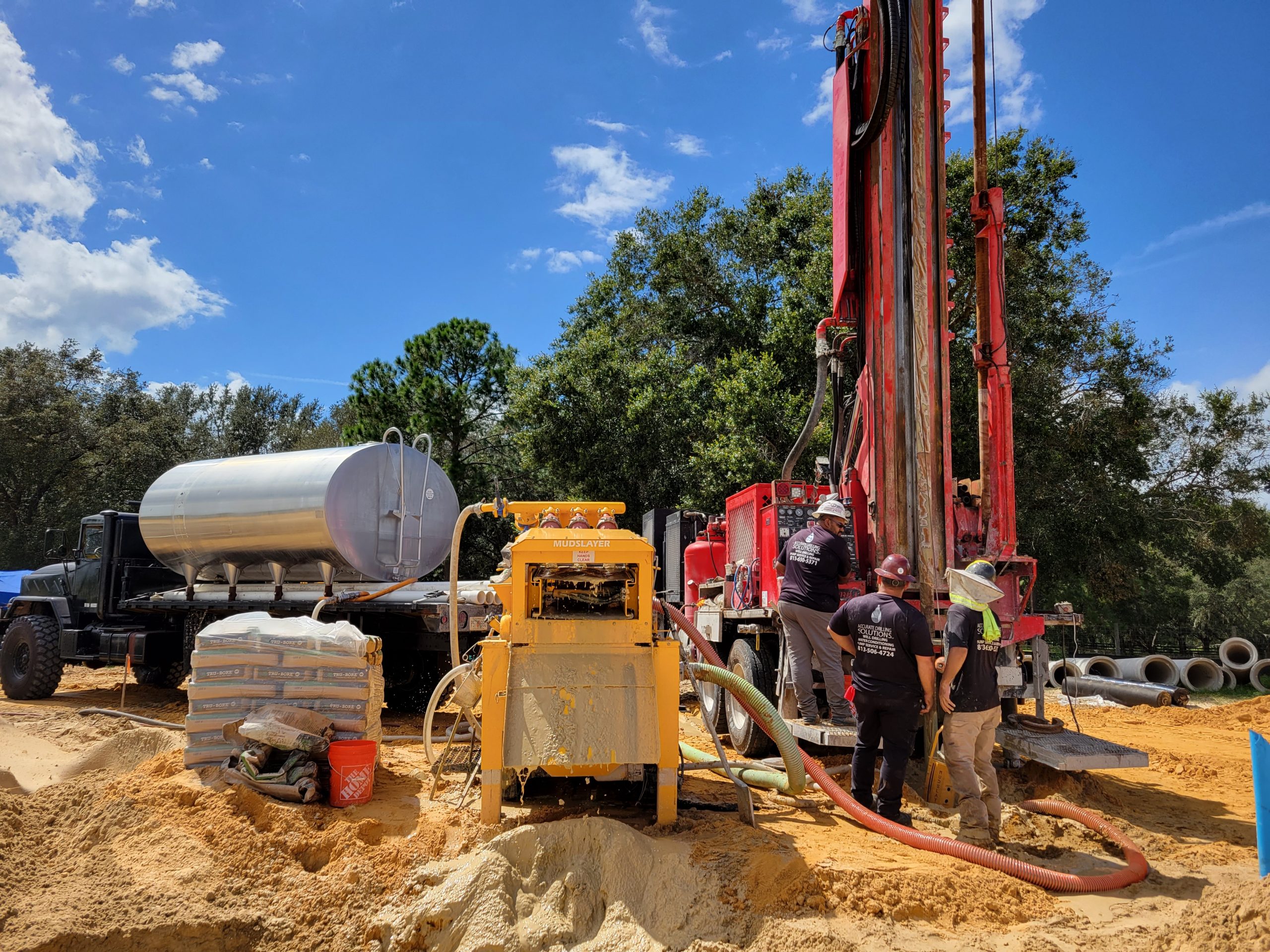
If your geothermal system in Largo is showing signs of reduced performance, the supply well may be the source of the problem. This article covers the key symptoms of well yield decline, limestone aquifer scaling, and reduced system efficiency — and what to do about them.
Selecting the right well pump system in Zephyrhills involves more than picking a pump off a shelf. This guide walks Pasco County property owners through submersible vs. jet pump comparisons, Florida-specific sizing factors, and why professional installation is the only responsible path forward.