
Largo sits on a narrow peninsula surrounded by Tampa Bay to the east and the Gulf of Mexico to the west. That geography is beautiful — and it creates some of the most demanding conditions for residential well systems in all of Pinellas County. If your property relies on a private well, understanding why Largo is different from inland communities can help you stay ahead of pump failures before they interrupt your water supply.
The Saltwater Intrusion Problem in Pinellas County
Saltwater intrusion is one of the most significant groundwater threats along Florida’s Gulf Coast, and Largo homeowners feel it more directly than most. Because the city is surrounded on multiple sides by saltwater bodies, the boundary between fresh groundwater and encroaching saltwater is closer to residential wells here than in communities further inland.
When saltwater migrates into the aquifer — even in relatively small concentrations — it raises chloride levels in well water. Elevated chloride is corrosive to metal pump components, motor housings, and electrical connections. A pump that might last 12 to 15 years in a freshwater environment can experience accelerated deterioration much sooner when the water chemistry is working against it.
Saltwater intrusion in Pinellas isn’t always dramatic. It can creep gradually, shifting with rainfall patterns, drought cycles, and the cumulative draw of nearby wells. Many Largo homeowners don’t realize their water chemistry has changed until they’re already dealing with a pump that’s corroding from the inside out.
The Floridan Aquifer in Largo: Shallow Access, Specific Challenges
Most of the Tampa Bay region draws from the Upper Floridan Aquifer — a vast limestone formation that underlies the entire Florida peninsula. In Largo and surrounding Pinellas communities, access to that aquifer is relatively shallow compared to areas further north or east.
Shallow aquifer access sounds like an advantage, and in some ways it is. Drilling depths are shorter, and yields can be consistent. But the shallow limestone geology in this part of Pinellas also means well casings sit in proximity to brackish transition zones. Changes in regional water use, seasonal drawdown, or even a dry winter can shift the balance enough to allow slightly saltier water to enter the well column.
Limestone and Sand Intrusion
The karst limestone that defines the Floridan Aquifer is porous by nature. That porosity is what makes it such a productive water source, but it also creates pathways for fine sediment and sand to enter the well. Sand intrusion is a known stressor for submersible pump impellers — the spinning components that move water up to the surface. When sand moves through the pump repeatedly, it causes wear that shortens the pump’s service life and can eventually lead to failure.
Largo wells, particularly older ones, can be more susceptible to this issue if the well screen or casing has deteriorated over time. A video inspection of the well can reveal casing damage, screen gaps, or sediment buildup that wouldn’t be visible any other way.
Aging Well Infrastructure in Largo Neighborhoods
Largo experienced significant residential development in the 1960s through the 1980s. Many of the private wells serving homes today were drilled during that era — which means they’re 40 to 60 years old. While a well itself can last for decades with proper care, the pump, casing, electrical components, and wellhead hardware all have finite service lives.
Older wells are more likely to have steel casings that have begun to corrode, undersized pitless adapters, or pumps that were installed long before modern corrosion-resistant materials were standard. In a corrosive groundwater environment like Largo’s, these age-related vulnerabilities compound quickly.
What Corrosion Actually Does to a Well Pump
Well pump corrosion isn’t just surface rust. It affects motor windings, shaft seals, and the mechanical tolerances inside the pump housing itself. As metal components degrade, the pump has to work harder to maintain pressure. That increased electrical draw puts stress on the motor and shortens its life further. Eventually, the pump may run continuously without delivering adequate pressure — or fail to start altogether.
Common signs of corrosion-related pump stress include inconsistent water pressure, discolored water (particularly reddish or brownish tinting), increased electricity usage without a clear cause, and unusual sounds from the pump or pressure tank. If you’re seeing any of these in a Largo home with an older well, professional well pump repair in Largo should be scheduled before the situation becomes an emergency.
Sulfur Water: A Related but Separate Issue
Many Largo residents are also familiar with the hydrogen sulfide smell — the rotten egg odor — that comes from some Pinellas well water. While sulfur water is primarily a water quality issue rather than a mechanical one, it’s worth noting that hydrogen sulfide gas can be corrosive to pump components as well. It contributes to the overall chemical stress on the system, particularly at the pump motor and any exposed metal fittings.
If your well water has an odor, addressing it with proper treatment equipment is both a comfort issue and a long-term protection measure for your pump system.
Hurricane Season and Pump System Stress
Pinellas County sits in one of the most hurricane-vulnerable regions in Florida. Power surges and outages during storms are hard on submersible well pumps. Voltage fluctuations when power is restored can damage motor windings in a pump that might otherwise have years of life left. Homeowners with wells in Largo should have a surge protector specifically rated for well pump systems — and should have their pump inspected after any significant storm event that caused extended outages or power anomalies.
How to Protect Your Largo Well Pump
Understanding the local conditions is the first step. Acting on that understanding is what actually protects your system. A few practices make a meaningful difference for Largo well owners:
- Schedule regular water quality testing to monitor chloride levels and catch early signs of saltwater migration.
- Have the pump and pressure system professionally inspected every two to three years, more frequently for older systems.
- Request a video inspection if you have an older well — seeing the actual condition of the casing and screen is far more informative than guessing.
- Consider upgrading to a corrosion-resistant pump model if your current system is aging. Grundfos submersible pumps, for example, are engineered with materials specifically designed to perform in chemically challenging water conditions.
- Enroll in a well system maintenance agreement to stay on a scheduled inspection cycle rather than waiting for a failure.
The team at Accurate Drilling Solutions works throughout Pinellas County and understands the specific groundwater conditions that affect Largo properties. As a premier Grundfos pump dealer, the company installs equipment built to handle corrosive and chemically complex water environments — the kind Largo wells frequently produce.
Knowing When to Repair vs. Replace
Not every pump problem requires full replacement. A failing pressure switch, a waterlogged tank, or a deteriorating capacitor can often be repaired without pulling the pump. But when a submersible pump itself is corroded, worn by sand intrusion, or has failed electrically, replacement is typically the more cost-effective path — especially in a system where the pump is already 10 or more years old.
The right answer depends on the specific condition of your pump and well. That’s why an honest, experienced assessment from a water pump repair specialist matters more than a blanket recommendation in either direction.
If your Largo home relies on a private well, don’t wait for a dry faucet to start asking questions. The groundwater conditions in this part of Pinellas County are real, documented, and manageable — but they require attention. Reach out to Accurate Drilling Solutions at 813-643-6161 to schedule an inspection and get a clear picture of where your system stands.
Frequently Asked Questions
How does saltwater intrusion actually damage a well pump?
Elevated chloride levels in well water accelerate corrosion on metal pump components, motor housings, shaft seals, and electrical connections. Over time, this weakens the structural integrity of the pump and reduces its efficiency. The motor has to work harder to maintain pressure, drawing more electricity and generating more heat, which shortens its overall service life significantly compared to operation in clean freshwater conditions.
How can I tell if my Largo well water has been affected by saltwater intrusion?
A water quality test measuring chloride concentration is the most reliable method. Some homeowners notice a slightly salty or brackish taste before a formal test is done. Corrosion appearing on fixtures, a metallic taste, or changes in water clarity can also be indicators. Because intrusion can be gradual, annual or biennial water testing is a practical habit for Largo well owners specifically.
How long do well pumps typically last in Pinellas County conditions?
In ideal freshwater conditions, a quality submersible pump can last 12 to 15 years or longer. In coastal and near-coastal areas like Largo — where water chemistry is more aggressive — that lifespan can be shorter without proper maintenance and corrosion-resistant equipment. Pump longevity depends heavily on water quality, usage volume, the pump’s material construction, and how consistently the system is inspected and serviced.
What is a video well inspection and why is it useful for older Largo wells?
A video inspection uses a waterproof camera lowered into the well column to visually assess the condition of the casing, screen, joints, and surrounding formation. It can reveal cracks, corrosion, sediment buildup, and structural failures that no surface-level check could detect. For wells drilled in the 1960s through 1980s — common in Largo — a video inspection provides an accurate picture of what’s actually happening underground before committing to any repair or replacement decision.
Does well pump corrosion always mean the pump needs to be replaced?
Not always. Early-stage corrosion on accessible components may be addressable through targeted repairs or by treating the water chemistry to reduce ongoing aggression. However, when corrosion has reached the pump motor, impellers, or internal seals, full replacement is typically the more reliable and economical solution. A professional inspection will identify how far the deterioration has progressed and recommend the appropriate course of action.
Should I be concerned about my well pump after a hurricane or major storm?
Yes. Power surges during storm events and voltage fluctuations when utility power is restored can damage submersible pump motors, even if the pump appeared to be working normally beforehand. A post-storm inspection is a reasonable precaution — especially for older systems. Installing a pump-rated surge protector is a simple step that provides meaningful protection against electrical damage during Pinellas County’s active hurricane season.
continue reading
Related Posts

Hudson and Pasco County well owners have a lot of questions about video well inspections — what the camera finds, how the process works, and when to schedule one. This FAQ covers the most common questions specific to older coastal-area wells in this part of Florida.
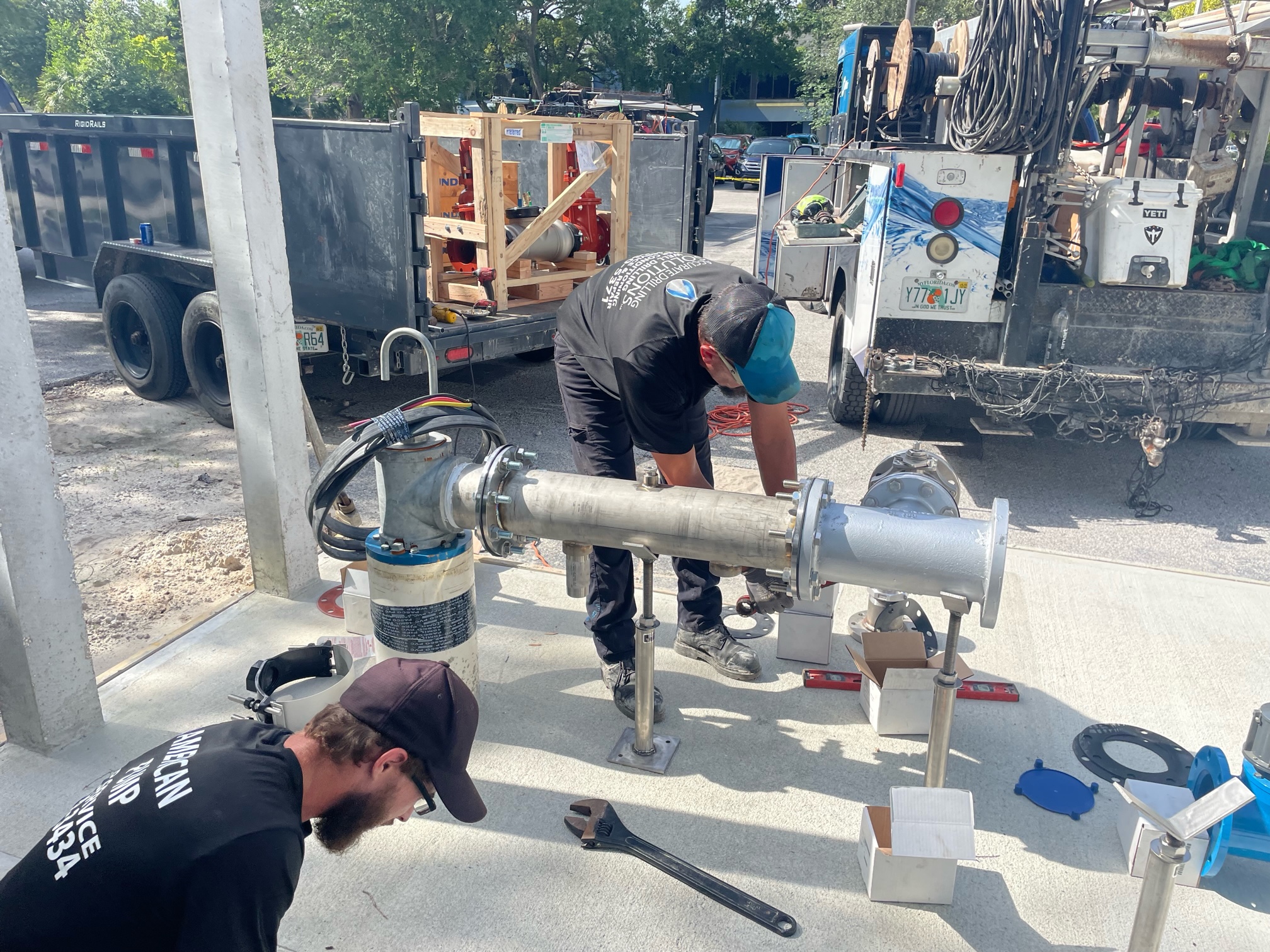
Well pump replacement in Pinellas Park depends on more than age alone. Learn how Florida groundwater conditions, pump type, water quality, and usage patterns affect how often your pump should be replaced or upgraded.
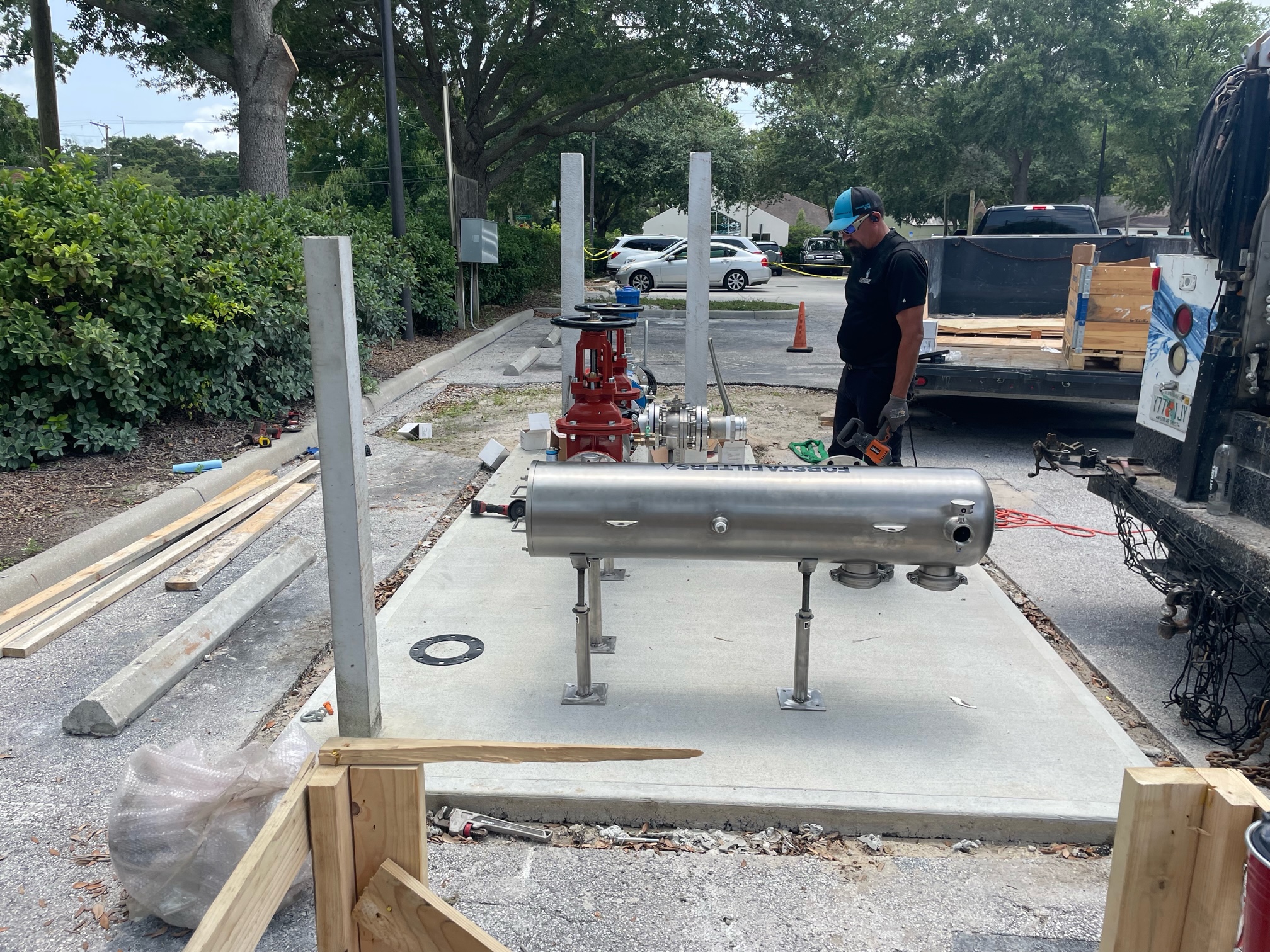
Mulberry and Polk County homeowners have specific questions about well pump repair — from sulfur water corrosion to pressure tank failure and what happens during a service call. This FAQ-style guide answers the most common ones with practical, locally relevant detail.