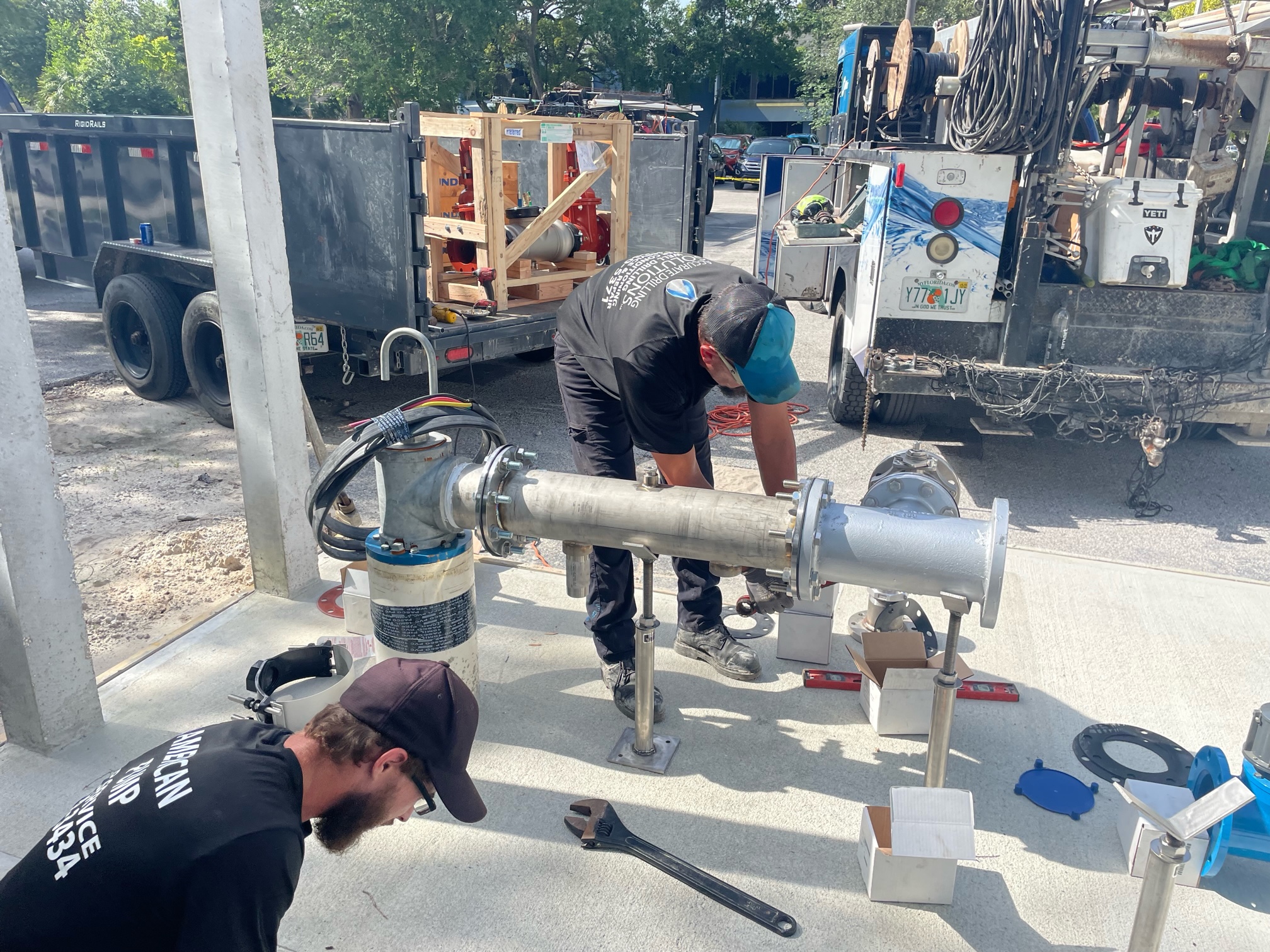
Most well pumps don’t announce when they’re ready to fail. They slow down gradually, cycle on and off more than usual, or simply stop delivering water on an ordinary Tuesday morning. For Pinellas Park homeowners who rely on a private well, knowing when to plan for well pump replacement in Pinellas Park — rather than waiting for a breakdown — can save a significant amount of stress and disruption.
The honest answer to “how often should I replace my well pump?” is that there’s no single schedule that fits every property. Several variables determine how long a pump realistically lasts, and Florida’s specific groundwater conditions play a meaningful role in that calculation.
General Well Pump Lifespan in Florida
Under average conditions, a submersible well pump lasts somewhere between 8 and 15 years. Jet pumps tend to sit at the shorter end of that range. The wide spread exists because lifespan depends heavily on water quality, how hard the pump works, and how well the system has been maintained over the years.
Well pump lifespan in Florida often skews toward the lower end of national averages. The state’s shallow aquifer systems, mineral-rich groundwater, and warm ambient temperatures all create conditions that are harder on mechanical components than what you’d find in, say, the Midwest or Pacific Northwest.
Why Pinellas County Groundwater Is Harder on Pumps
Pinellas County draws water from the Floridan Aquifer System — a deep limestone formation that produces water with naturally high mineral content. That mineral load accelerates wear on pump impellers, motor windings, and internal seals.
Saltwater Intrusion
Pinellas Park sits on a peninsula surrounded by Tampa Bay and the Gulf of Mexico. Saltwater intrusion into the aquifer is a real and documented concern in coastal Pinellas County. Salt-laden water is corrosive. It attacks pump housings, motor components, and any exposed metal in the well casing faster than freshwater sources would. If your well pulls from a shallow or compromised zone, this accelerates replacement timelines noticeably.
Sulfur and Hydrogen Sulfide
Sulfur water is extremely common in this part of Florida. Beyond the unmistakable rotten-egg odor, hydrogen sulfide in groundwater contributes to corrosion inside the pump and pressure tank system. Pumps operating in high-sulfur environments often show signs of wear years earlier than expected.
Sand and Sediment Intrusion
Sandy soils throughout Pinellas County mean sand intrusion is a recurring issue for many wells. Even small amounts of sand passing through the pump over time act as an abrasive, grinding down the internal components that keep water moving efficiently. A video well inspection can help identify whether sand infiltration is already affecting your system before the pump gives out entirely.
Factors That Change Your Replacement Timeline
Beyond regional groundwater conditions, several property-specific factors push your pump toward the earlier or later end of its lifespan.
Household Water Demand
A pump serving a single-person household cycles far less frequently than one supplying a large family or an irrigation-heavy property. High-cycle loads — where the pump turns on and off dozens of times per day — shorten motor life. This is one reason why proper pressure tank sizing matters so much at installation. An undersized pressure tank forces the pump to cycle more often than it should.
Pump Quality and Type
Not all pumps are built to the same standard. High-efficiency pumps built with durable materials hold up longer in demanding water conditions. As a premier dealer of Grundfos pumps, Accurate Drilling Solutions in Pinellas Park recommends Grundfos submersible models for Florida installations because of their corrosion-resistant components and proven performance in high-mineral groundwater environments. A quality Grundfos pump installation in Pinellas County typically outlasts lower-grade alternatives by several years when all else is equal.
Maintenance History
Pumps that receive regular professional attention — annual inspections, pressure checks, water quality testing — consistently outperform neglected systems. Maintenance agreements that include scheduled service visits allow technicians to catch early warning signs before they become failures. You can learn more about maintenance agreement options that keep Pinellas Park well systems running efficiently year-round.
Power Fluctuations and Storm Events
Florida’s hurricane season runs from June through November, and the Tampa Bay area has seen its share of storm-related power surges and outages. Voltage irregularities — both spikes and sustained low voltage — are among the leading causes of premature motor burnout in submersible pumps. Surge protection and proper electrical grounding are worth verifying on any existing system.
Signs It’s Time to Replace Rather Than Repair
Repairs make sense for many pump issues, but there’s a point where continued repairs become less practical than replacement. Watch for these indicators:
- The pump is more than 10 years old and has required multiple repairs within the past two years
- Water pressure is consistently low even after professional service
- The pump runs continuously without building adequate pressure
- You’re noticing discolored water or sediment that wasn’t present before
- Electrical draw on the pump motor has increased significantly
- A recent pump inspection revealed significant corrosion or impeller damage
An older pump showing multiple symptoms simultaneously is usually a better candidate for full replacement than ongoing patchwork repairs.
Upgrading vs. Replacing: Is There a Difference?
Replacement addresses a failing pump. Upgrading means swapping a functional but outdated pump for a more efficient model — sometimes before the original pump fails at all. Homeowners often consider upgrades when their current pump struggles to keep up with increased water demand, when energy efficiency is a priority, or when they’re adding irrigation zones or other water-intensive systems.
Variable-speed pump technology, like what’s available through Grundfos, allows the pump to match output to actual demand rather than running at full power all the time. This reduces wear, cuts energy use, and extends the life of the system overall. For Pinellas Park properties with high irrigation demand or aging infrastructure, an upgrade conversation is worth having even if the current pump is still technically functional.
How Often Should You Schedule Professional Evaluations?
Annual inspections are the baseline recommendation for most residential wells in Pinellas County. Properties with known water quality issues — high sulfur, iron, or confirmed saltwater influence — benefit from more frequent evaluations. If your pump is approaching the 8-to-10-year mark, annual inspections become especially important for catching early failure indicators before they leave you without water.
The team at Accurate Drilling Solutions works with homeowners, HOAs, and property managers across Pinellas Park and the broader Tampa Bay area to evaluate pump systems and identify whether repair, replacement, or upgrade is the right path forward for each situation.
Frequently Asked Questions
How long does a well pump typically last in Florida?
Most submersible well pumps last between 8 and 15 years under average conditions. In Florida, factors like high mineral content in the Floridan Aquifer, sulfur water, and saltwater intrusion in coastal areas like Pinellas County can push systems toward the lower end of that range. Regular maintenance and quality pump selection help extend service life.
Does the type of pump affect how often it needs to be replaced?
Yes. Submersible pumps generally last longer than jet pumps in Florida’s groundwater conditions. Within submersible models, build quality matters significantly. Pumps with stainless steel components and corrosion-resistant construction handle high-mineral and high-sulfur water better than lower-grade alternatives, which translates to longer service intervals and fewer mid-cycle failures.
Can saltwater intrusion damage my well pump?
It can, and it’s a legitimate concern in coastal Pinellas County. Saline or brackish groundwater accelerates corrosion on pump housings, motor components, and metal well casing. If your well is located near tidal influence zones or in an area with known saltwater intrusion, more frequent inspections and corrosion-resistant pump materials are especially important considerations.
What’s the difference between repairing and replacing a well pump?
Repair addresses a specific component failure — a worn capacitor, a faulty pressure switch, or a damaged check valve. Replacement means pulling the entire pump and installing a new unit. When a pump is older and experiencing multiple issues, replacement often provides better long-term value than continued individual repairs. A professional inspection helps determine which path makes sense for your system.
How does a maintenance agreement help extend pump life?
Scheduled professional inspections catch early signs of wear, corrosion, or pressure irregularities before they lead to full failures. Maintenance agreements also ensure your water quality is tested regularly, which matters in Pinellas County where groundwater conditions can shift. Consistent service history also gives technicians a clearer picture of how your system is trending over time.
When should I consider upgrading my pump instead of just replacing it with the same model?
An upgrade makes sense when your household water demand has increased, when energy efficiency is a priority, or when you want features like variable-speed operation that reduce wear and lower operating costs. It’s also worth exploring if your original pump was undersized for your property’s needs. A professional assessment can identify whether a higher-capacity or more efficient model would serve you better.
If your well pump is aging, showing warning signs, or you simply haven’t had a professional evaluation in a few years, reach out to the team at Accurate Drilling Solutions. Call 813-643-6161 to schedule a service visit for your Pinellas Park property.
continue reading
Related Posts
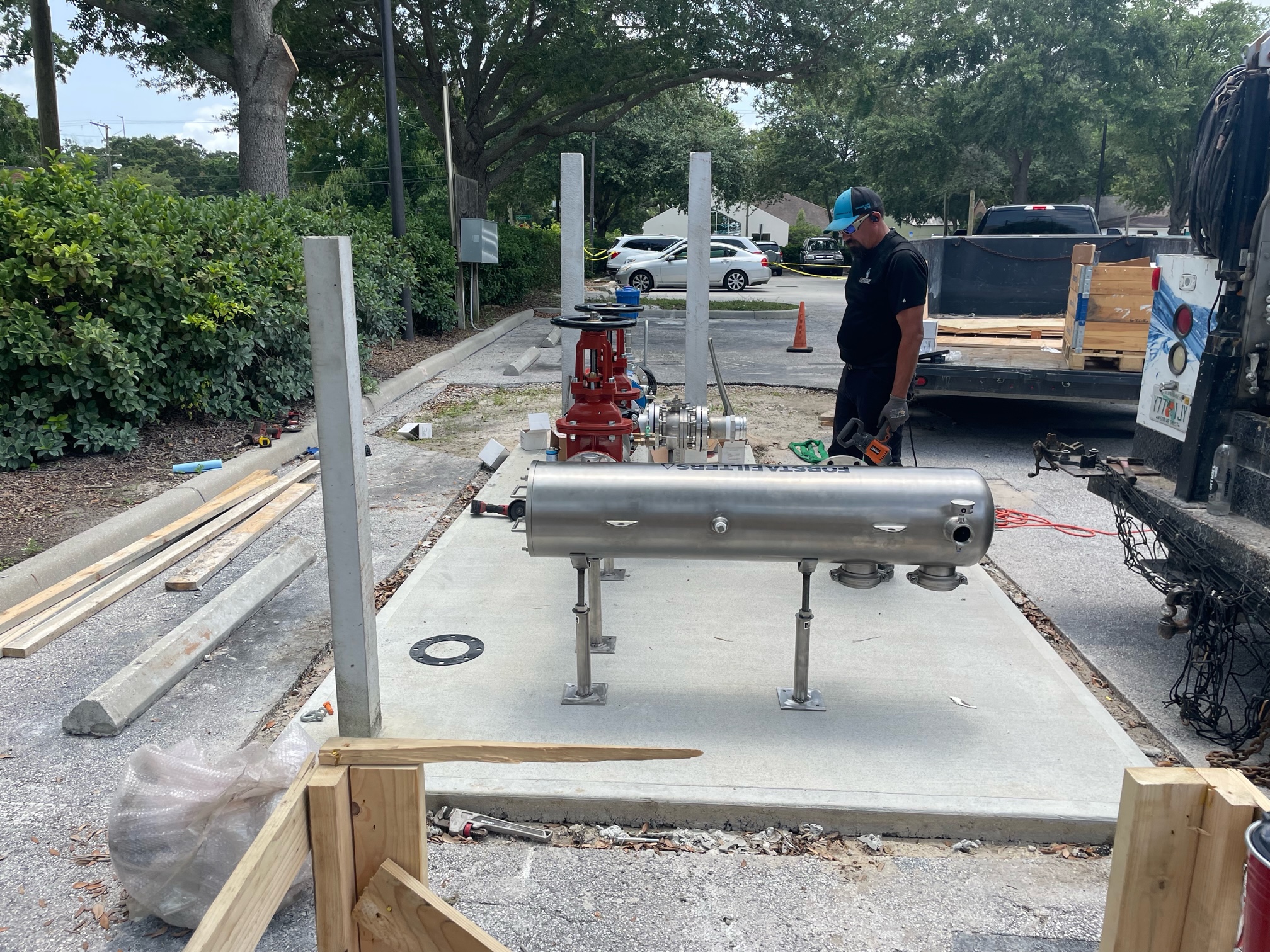
Mulberry and Polk County homeowners have specific questions about well pump repair — from sulfur water corrosion to pressure tank failure and what happens during a service call. This FAQ-style guide answers the most common ones with practical, locally relevant detail.
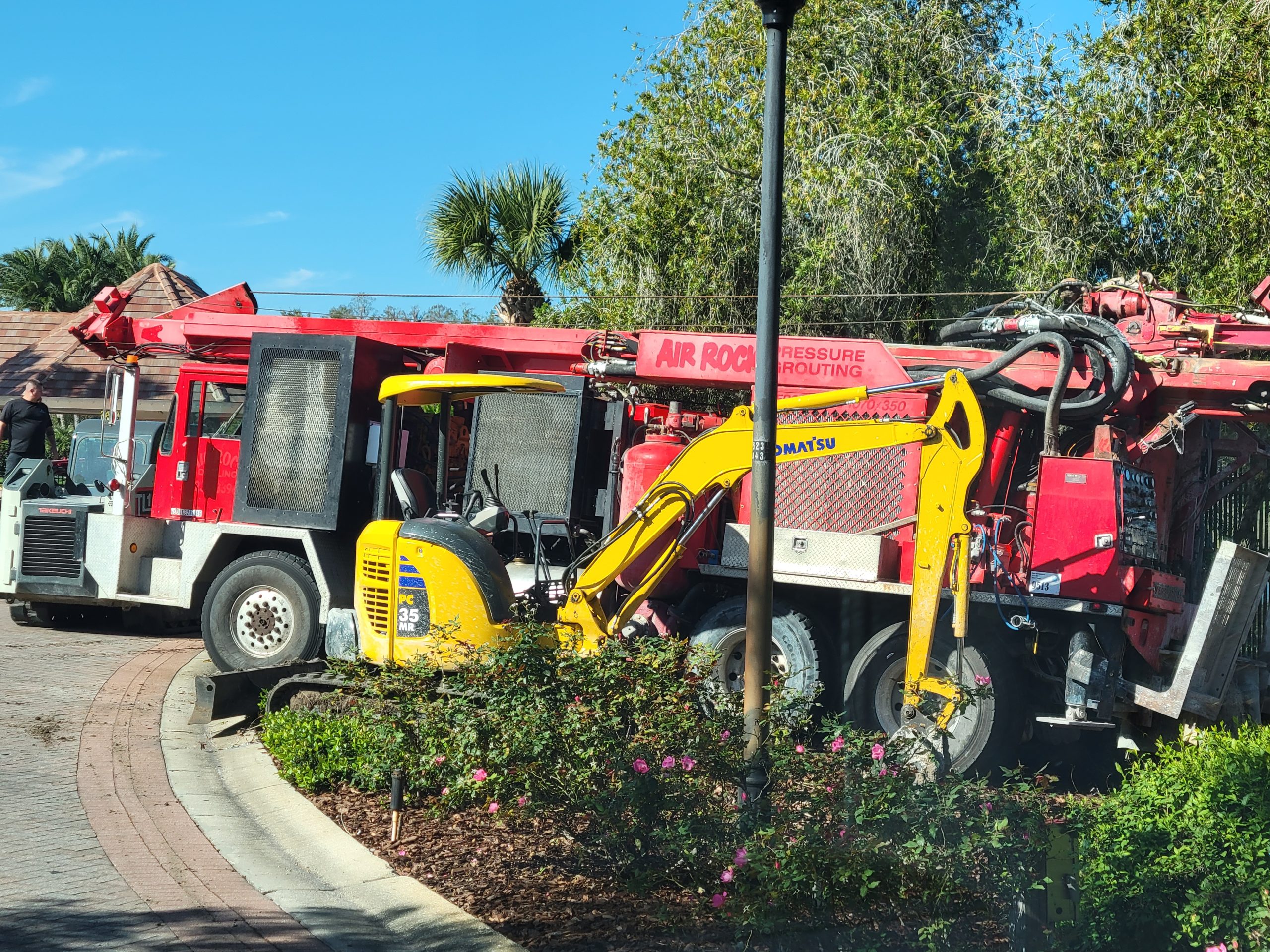
Parrish and Manatee County's rapid shift from agricultural land to residential development has left behind a legacy of shallow, unmaintained wells that present distinct abandonment challenges. Local limestone conditions, loose soils, and incomplete permit records make proper well decommissioning here more complex than in other parts of the Tampa Bay region. Understanding what sets Parrish apart is the first step toward addressing it correctly.
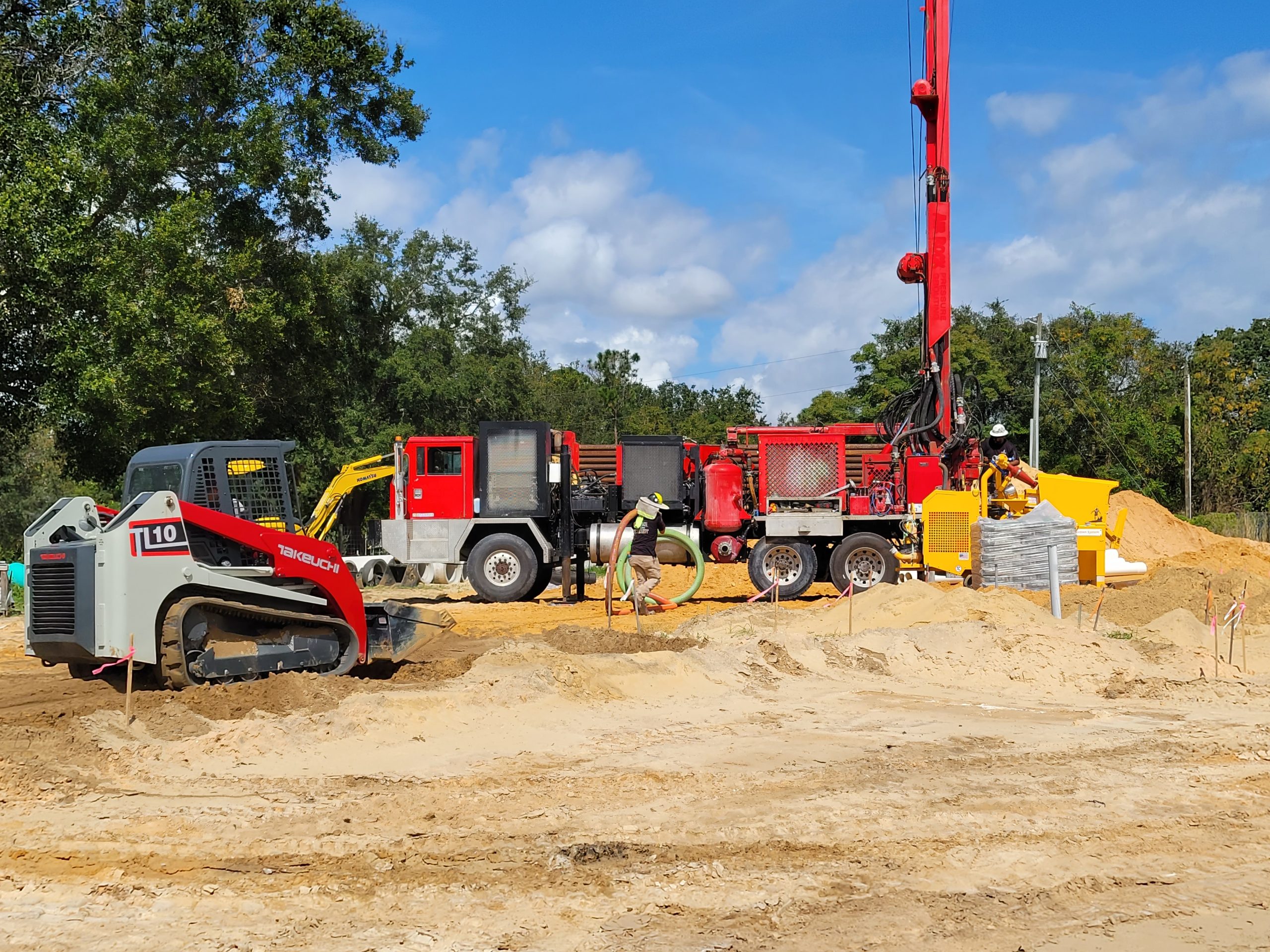
Fall is one of the most strategic times for well pump installation in Ridge Manor, FL. This article explains how hurricane season wind-down, Hernando County limestone aquifer cycles, and contractor scheduling patterns all point to October and November as the smart window to act.