
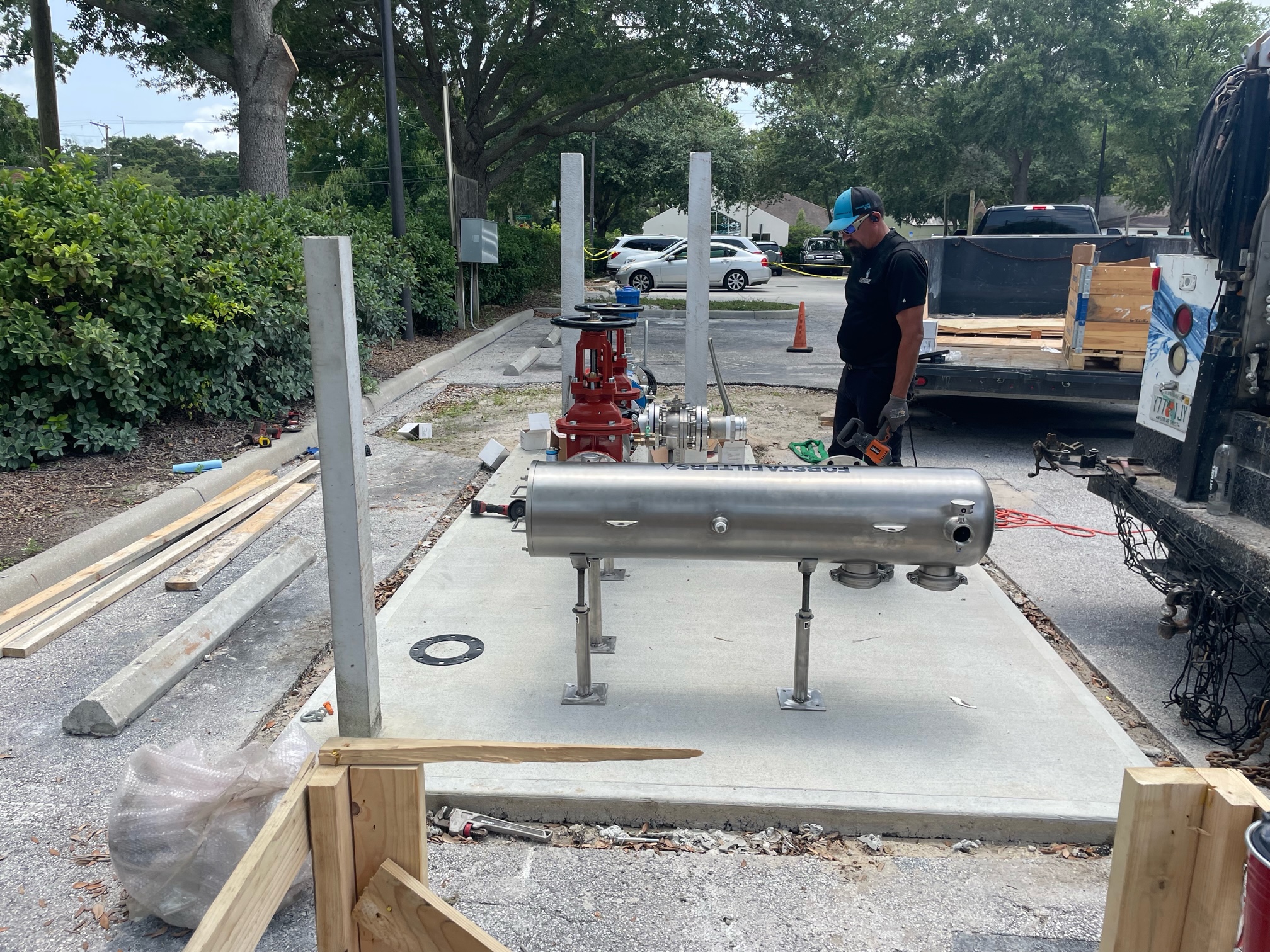
If you own a home in Mulberry and rely on a private well, questions about your pump system probably come up more than you’d like. Polk County’s water chemistry, the area’s aging infrastructure, and Florida’s relentless heat can all put stress on well equipment. The questions below are the ones that come up most often — and the answers can help you know when to watch, when to worry, and when to call a professional.
Why Do Mulberry Homeowners Experience So Much Pressure Loss?
Pressure loss is one of the most common complaints from well owners across Polk County, and the cause isn’t always obvious. Several factors can work against steady pressure here.
First, sulfur-heavy groundwater is a well-known characteristic of this part of Florida. Hydrogen sulfide gas — the source of that rotten egg smell — can corrode pump components and foul pressure sensors over time. This corrosion gradually reduces the pump’s ability to maintain consistent output.
Second, the Floridan Aquifer system beneath Polk County is limestone-based. That means groundwater often carries dissolved minerals that build up inside pipes, check valves, and pump housings. Even a modest buildup narrows flow paths and drops pressure at the tap.
Third, pressure tanks wear out. A waterlogged pressure tank — one where the internal bladder has failed — forces your pump to cycle on and off constantly. You’ll notice pressure swings rather than steady flow. That short-cycling puts heavy stress on the pump motor and shortens its life.
How Can I Tell If the Problem Is the Pump Motor or the Pressure Tank?
These two problems feel similar from inside the house but have different causes and different solutions.
Signs of a Failing Pressure Tank
- Pressure fluctuates rapidly when you run water — it spikes, drops, spikes again.
- You can hear the pump kicking on every few seconds.
- The pressure gauge needle bounces constantly instead of holding steady.
- There is water coming from the air valve on the tank.
Signs of a Failing Pump Motor
- No water at all, even though the pump appears to be running.
- The circuit breaker for the pump trips repeatedly.
- You hear unusual humming, grinding, or clicking from the pump controls.
- Water pressure drops significantly during high-demand periods and doesn’t recover.
- Sand or grit appears in your water — a sign the pump may be damaged or pulling from a disturbed zone.
A pressure tank problem is generally simpler to address. A motor or submersible pump failure usually involves pulling the pump from the well, which is a job for a licensed contractor with the right equipment. If you’re unsure which you’re dealing with, a professional well pump repair evaluation can sort it out quickly without guesswork.
Does Sulfur Water Cause Extra Wear on Well Pumps?
Yes, and it’s a real concern for Mulberry properties. Hydrogen sulfide is corrosive to metal components, including pump housings, impellers, and electrical connectors. Over time, even stainless steel parts can show pitting and degradation in high-sulfur environments.
Beyond the pump itself, sulfur water often signals the presence of sulfur-reducing bacteria. These microorganisms form biofilm inside the well casing and on pump surfaces. Biofilm reduces flow, can clog screens, and accelerates corrosion. If your water has a strong sulfur odor, it’s worth having a technician evaluate not just your pump but also the condition of your wellbore.
Polk County well owners dealing with sulfur water issues may also want to look at well and pump services specific to the Mulberry area to understand what treatment and equipment options make sense locally.
What Happens During a Well Pump Service Call?
Knowing what to expect takes the uncertainty out of scheduling service. A typical service call for Polk County well pump repair follows a fairly consistent process.
The technician will start by checking system pressure and observing pump behavior at the pressure switch and tank. They’ll test the electrical supply to the pump, check amperage draw, and inspect the pressure tank’s charge. This initial evaluation usually points clearly toward the pressure tank, the pump motor, the controls, or another component like a check valve or foot valve.
If a submersible pump needs to come out of the well, the technician will use a pulling rig to extract it safely. The pump and drop pipe are inspected once surfaced. Depending on findings, the pump may be repaired or replaced. The well itself may also be inspected visually or with a video inspection camera if there are signs of casing damage or debris.
After any repairs, the system is tested under normal operating conditions before the technician leaves. Pressure readings are confirmed, and the technician will explain what was found and what was done.
Should I Be Concerned About Sand or Sediment in My Water?
Sand in your well water is not normal and should be addressed promptly. In Polk County, sandy intrusion can result from a pump that has been set too deep, a worn pump intake screen, or a well that has developed a breach in its casing. Over time, sand passing through the pump accelerates wear on internal components significantly.
Sediment can also come from the aquifer itself during periods of heavy rainfall or following hurricanes, when water tables shift and disturb settled material. If you notice grit in your water or see brown discoloration after a storm, have the system evaluated before running it heavily.
How Do I Know When It’s Time to Replace the Pump Rather Than Repair It?
Age is the starting point. Most submersible well pumps have a service life of roughly eight to fifteen years, though that range varies based on water chemistry, usage, and maintenance history. In sulfur-heavy areas like parts of Polk County, the lower end of that range is more realistic without regular upkeep.
If a pump has already been repaired once for a major component and fails again within a short period, replacement often makes more economic sense than repeated repairs. A technician from Accurate Drilling Solutions can assess the condition of your pump and give you an honest picture of whether repair or replacement is the better path for your specific situation.
Homeowners across Mulberry and the broader Polk County area can also protect their equipment long-term with a well maintenance agreement that includes periodic inspections and early detection of developing issues.
Frequently Asked Questions
How often should a well pump be inspected in Polk County?
An annual inspection is a reasonable baseline for most residential well systems. In areas with high sulfur content, hard water, or heavy daily usage, inspections every six to twelve months help catch corrosion, pressure tank issues, and motor wear before they become failures. Routine checks of the pressure switch, tank charge, and electrical connections are quick and can extend pump life considerably.
Can a pressure tank problem damage my submersible pump?
Yes. When a pressure tank’s bladder fails, the pump short-cycles — turning on and off far more frequently than it should. Every start puts mechanical and electrical stress on the motor. Over weeks or months, short-cycling can burn out a pump motor that would otherwise last years longer. Addressing a failing pressure tank promptly is one of the most cost-effective ways to protect your submersible pump.
What causes well water pressure to drop only in the morning or evening?
Pressure drops during peak demand periods — early morning showers, evening irrigation — typically point to a pump that can no longer keep up with the flow rate your household needs. This may reflect a pump that is undersized for current demand, a worn impeller reducing output, or a partially blocked intake screen. A flow and pressure test during a service call will identify the cause.
Is sulfur smell in well water a sign the pump is failing?
Not necessarily. Sulfur odor is usually a water quality issue tied to hydrogen sulfide gas or sulfur-reducing bacteria in the aquifer or wellbore — not a direct sign of pump failure. However, sulfur conditions do accelerate pump corrosion over time. If the smell is new or has gotten stronger, it’s worth having both the water and the pump system evaluated together rather than separately.
What should I do if I suddenly have no water from my well?
Check the obvious first: confirm the circuit breaker for the pump hasn’t tripped. If the breaker is fine, check whether your pressure switch is functioning — the contacts can burn or stick. If the breaker has tripped, reset it once. If it trips again immediately, do not keep resetting it. That repeated tripping signals an electrical fault in the pump or motor that needs professional diagnosis before running the system again.
Does Accurate Drilling Solutions service wells throughout Polk County?
Yes. The team serves Mulberry and the surrounding Polk County area, including communities throughout the broader Central Florida region. Whether the need is a pump repair, pressure tank replacement, video inspection, or full pump pull and replacement, service is available for residential properties, irrigation systems, and commercial wells across the area.
For well pump repair questions specific to Mulberry or anywhere in Polk County, reach out to Accurate Drilling Solutions directly at 813-643-6161. The team is equipped to diagnose problems accurately and get your system running reliably again.
continue reading
Related Posts
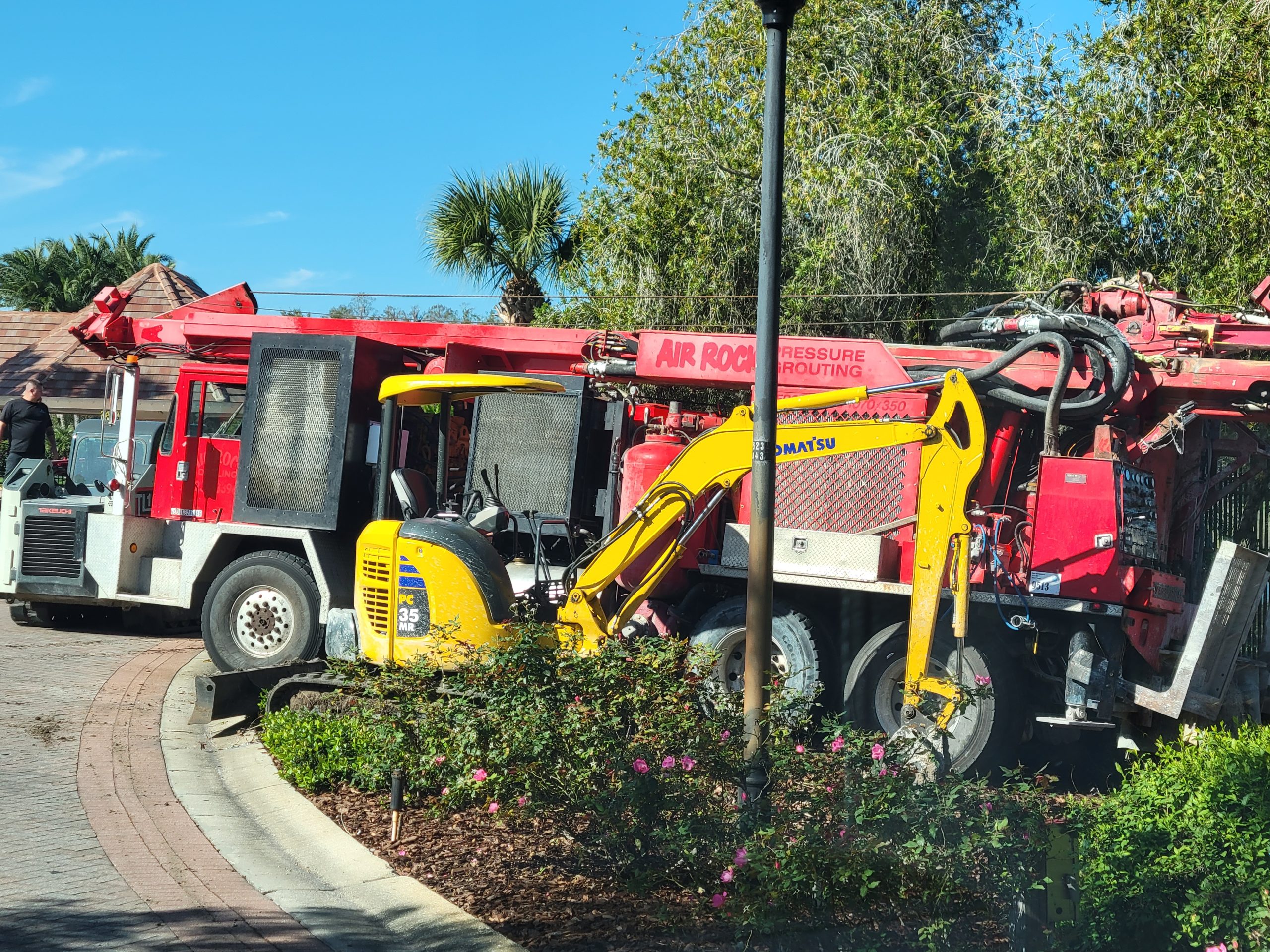
Parrish and Manatee County's rapid shift from agricultural land to residential development has left behind a legacy of shallow, unmaintained wells that present distinct abandonment challenges. Local limestone conditions, loose soils, and incomplete permit records make proper well decommissioning here more complex than in other parts of the Tampa Bay region. Understanding what sets Parrish apart is the first step toward addressing it correctly.
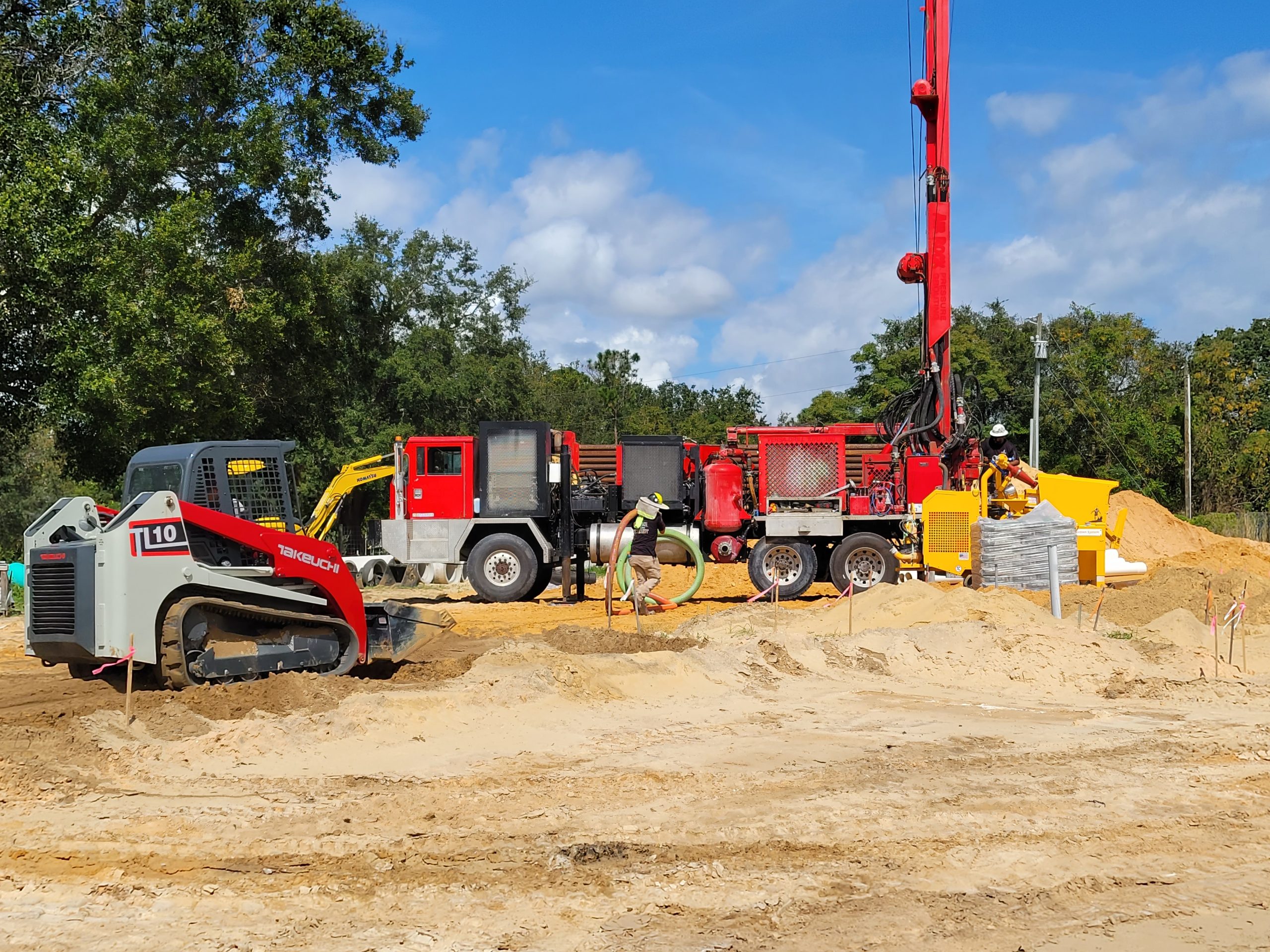
Fall is one of the most strategic times for well pump installation in Ridge Manor, FL. This article explains how hurricane season wind-down, Hernando County limestone aquifer cycles, and contractor scheduling patterns all point to October and November as the smart window to act.
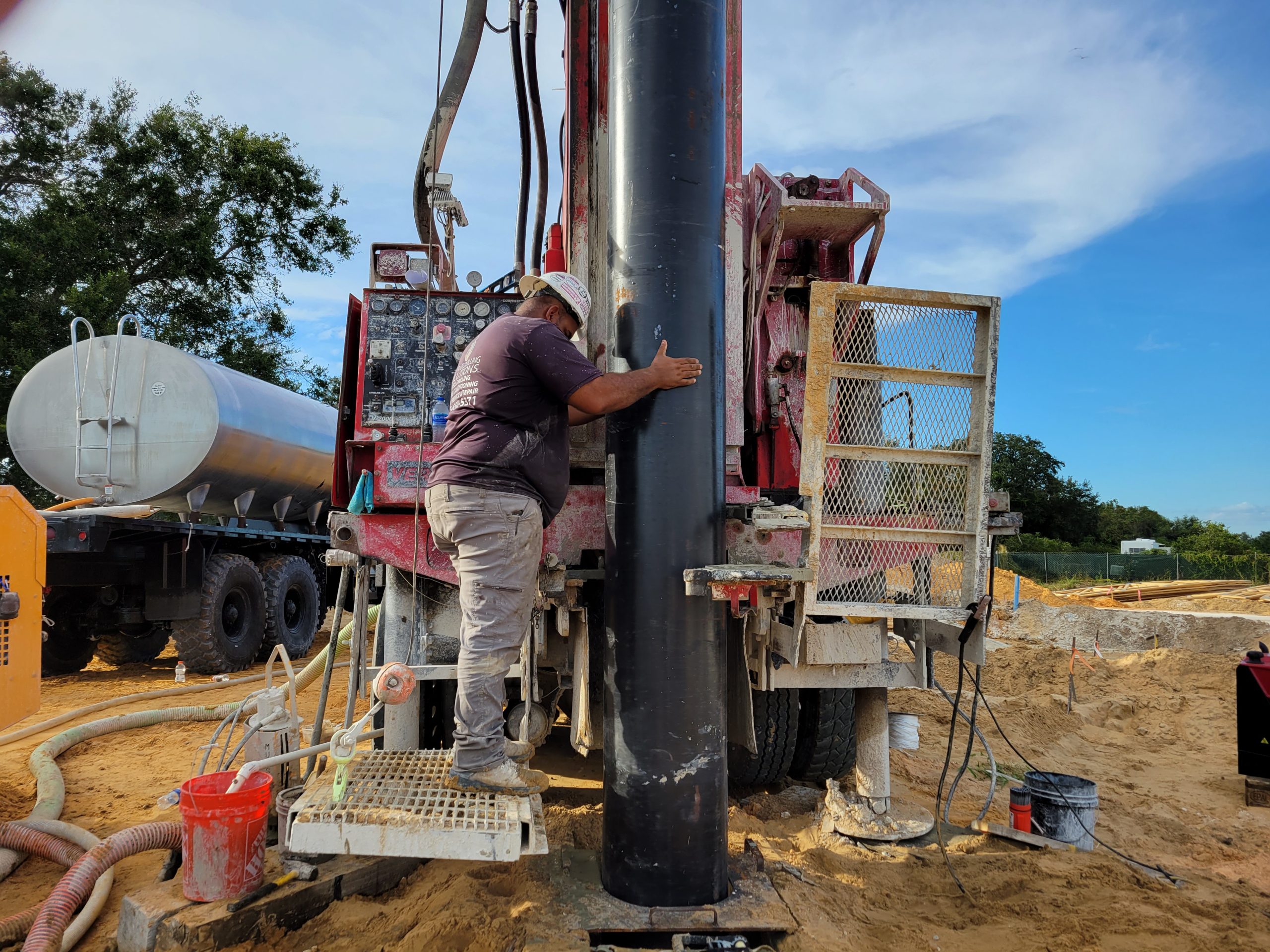
August in Brooksville combines peak household water demand, hurricane season risks, and Florida aquifer pressure fluctuations — making it one of the most demanding periods for private well systems. This article explains what is happening underground right now and what Hernando County homeowners should do to protect their water supply before a problem develops.