Hudson property owners who rely on private wells know how quickly a pump problem can disrupt daily life. No water pressure in the morning, a pressure tank that short-cycles all night, or a submersible pump that simply stops pulling water — these issues demand a decision: handle it yourself or call a licensed contractor. The answer depends on what the actual problem is, and understanding that line clearly can save you time, protect your equipment, and keep your family safe.
What Homeowners Can Reasonably Handle Themselves
Not every well pump issue requires a licensed technician on-site. Some basic troubleshooting steps are well within reach for most homeowners. Before assuming a major repair is needed, start with the simple checks.
Check the Electrical Panel First
A tripped breaker is one of the most common reasons a well pump stops working. Check the breaker dedicated to your pump and reset it if it has tripped. If it trips again immediately, stop there — that points to an electrical fault that needs professional attention. Do not keep resetting a breaker that won’t hold.
Inspect the Pressure Switch
The pressure switch tells your pump when to turn on and off. Sometimes the contacts inside corrode or a small insect builds a nest in the housing — both common in Florida’s humid, coastal environment around Hudson. You can visually inspect the switch for obvious corrosion or debris. However, adjusting or replacing a pressure switch involves live electrical connections and should only be done by someone comfortable with electrical safety procedures. When in doubt, leave it alone.
Check Your Pressure Tank’s Air Charge
A waterlogged pressure tank — one that has lost its air charge — causes your pump to short-cycle constantly. You can check the tank’s pressure with a standard tire gauge at the Schrader valve on top when the system is depressurized. If the reading is well below the standard 2 PSI below your cut-in pressure, the tank may need air added or it may need replacement. Adding air is something many homeowners can do, but diagnosing whether the tank bladder has failed is another matter.
Where DIY Well Pump Repair in Florida Gets Risky
Florida presents some specific challenges that make certain repairs more complicated than they might appear. Pasco County wells, including those throughout Hudson, often draw from limestone aquifers. That geology means sand intrusion, mineral buildup, and sulfur-bearing water are all common. These conditions accelerate wear on pump components and can make what looks like a simple fix significantly more involved.
Submersible Pump Repair Is Not a DIY Job
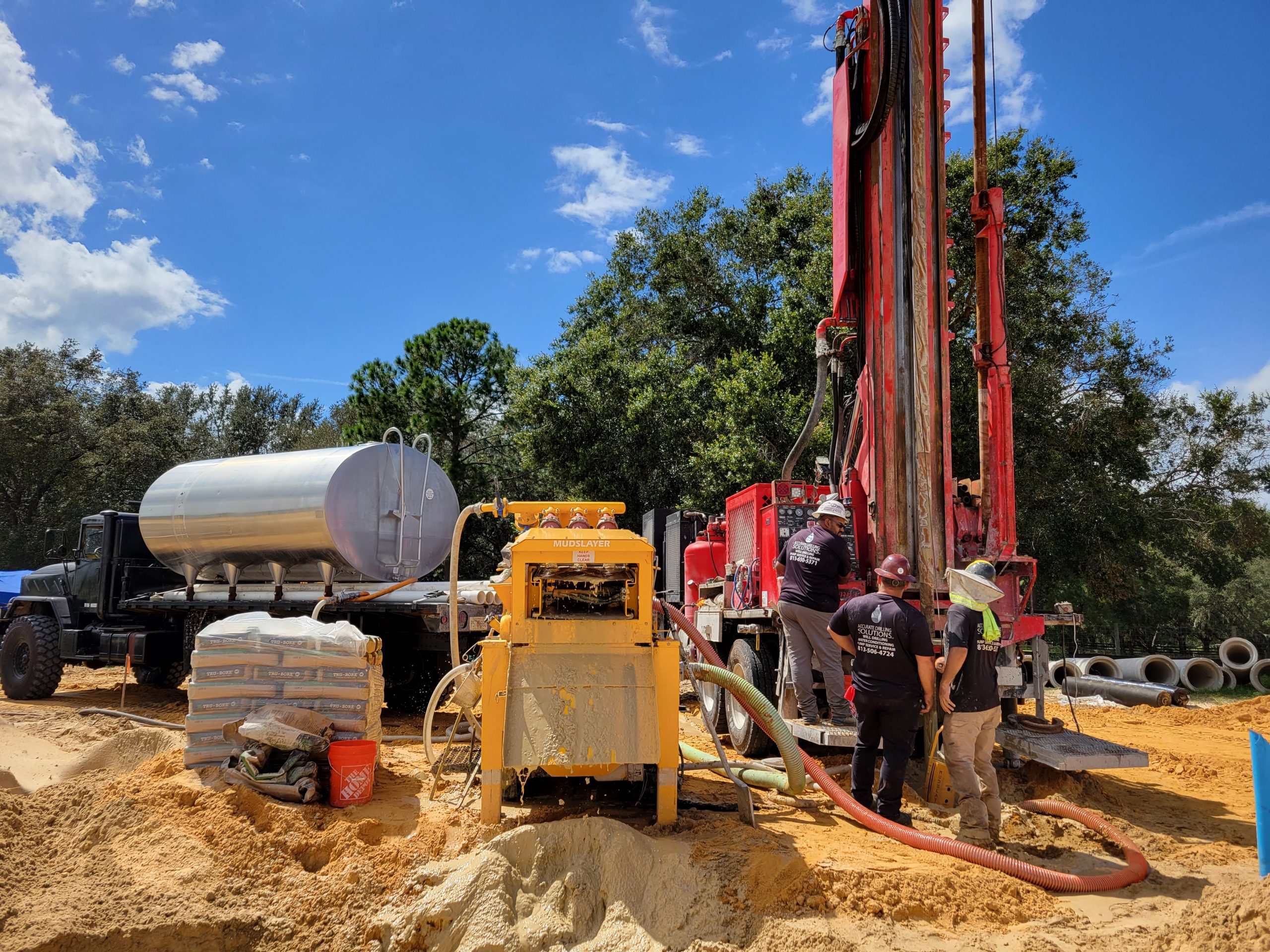
Submersible pumps sit at the bottom of your well casing — often 100 to 300 feet down or deeper in this region. Pulling a submersible pump requires a safety rope, the right pulling equipment, and knowledge of how to disconnect wiring and drop pipe safely without contaminating the well. Attempting this without the right tools risks dropping the pump entirely, damaging the casing, or introducing bacteria into the water supply. Professional water pump repair involves specialized rigging, and that equipment isn’t something a typical homeowner has on hand.
Electrical Wiring on Well Systems Carries Real Hazards
Well pump systems operate on 240-volt circuits in most residential installations. Working around that voltage without proper training is genuinely dangerous. Beyond the shock risk, improper wiring can damage the motor windings in your pump, creating an expensive repair that was entirely avoidable. Florida also requires that well system electrical work meet state and local code — unlicensed work can create issues when you sell your property or file an insurance claim.
Well Pressure Tank Replacement Requires More Than a Wrench
Replacing a failed pressure tank seems straightforward until you realize the system needs to be properly depressurized, the plumbing connections need to be made correctly to avoid leaks, and the new tank needs to be pre-charged to the right pressure before being put into service. Get any of those steps wrong and you’re back to short-cycling, or worse, a fitting failure under pressure. Well pump repair in Hudson that involves pressure tank work is genuinely a job for someone who has done it many times.
Why Licensing Matters in Florida
Florida requires well contractors to be licensed through the state. That licensing exists for good reasons. Licensed contractors understand Florida’s water management district regulations, proper well construction standards, and the specific aquifer conditions that affect Pasco County properties. When a licensed contractor does the work, there’s a paper trail, proper permitting where required, and accountability. DIY repairs that go wrong and cause contamination of a well can create health hazards that are difficult and expensive to remediate.
For HOAs, CDDs, and commercial property managers in Hudson, the stakes are even higher. A system failure that interrupts water service to multiple units or facilities isn’t just an inconvenience — it’s a liability. That’s one reason many property management organizations across the region rely on established contractors like Accurate Drilling Solutions to manage their well and pump systems.
Signs You Should Skip the DIY Route Entirely
There are certain situations where calling a licensed contractor should be your first move, not a last resort.
- Your pump runs continuously without building pressure
- You have no water at all and the breaker is fine
- The water has turned cloudy, sandy, or has a strong sulfur odor
- The pressure tank is making a loud banging or clicking noise
- Your system is more than 15 years old and showing any symptoms
- You recently had a hurricane or tropical storm pass through the area
Storms that come through Pasco County can shift ground conditions, affect well casings, and introduce surface water into the wellbore. After significant weather events, having a professional evaluate your system before using the water is a sound practice.
Choosing the Right Licensed Contractor for Submersible Pump Repair in Hudson
When you do decide to call a professional, look for a contractor with specific experience in submersible pump repair in Hudson and the surrounding Pasco County area. Local experience matters because contractors familiar with the regional geology, aquifer depth, and water chemistry will diagnose problems more accurately and make repair decisions that account for Florida-specific conditions like sand intrusion and mineral scaling.
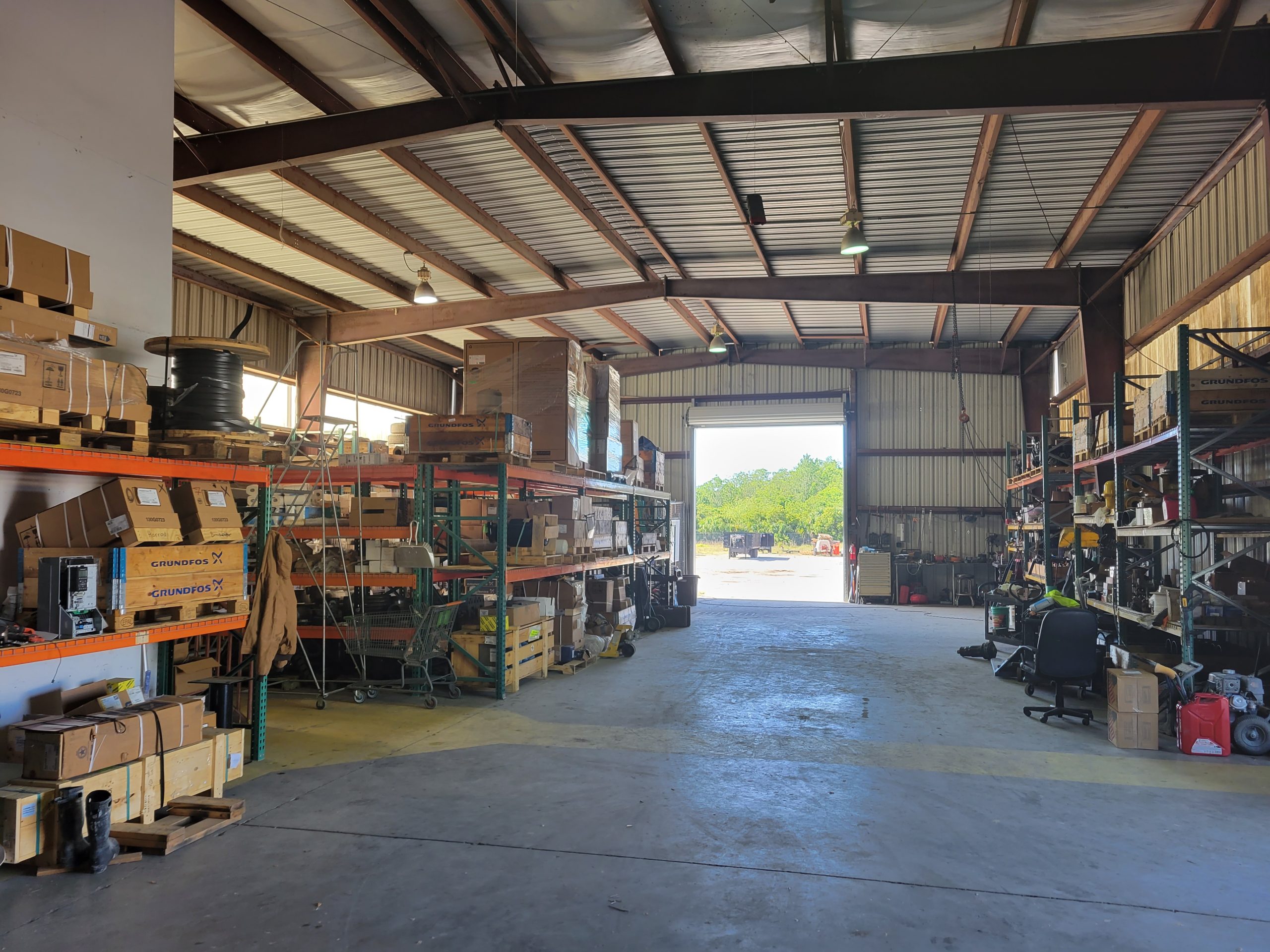
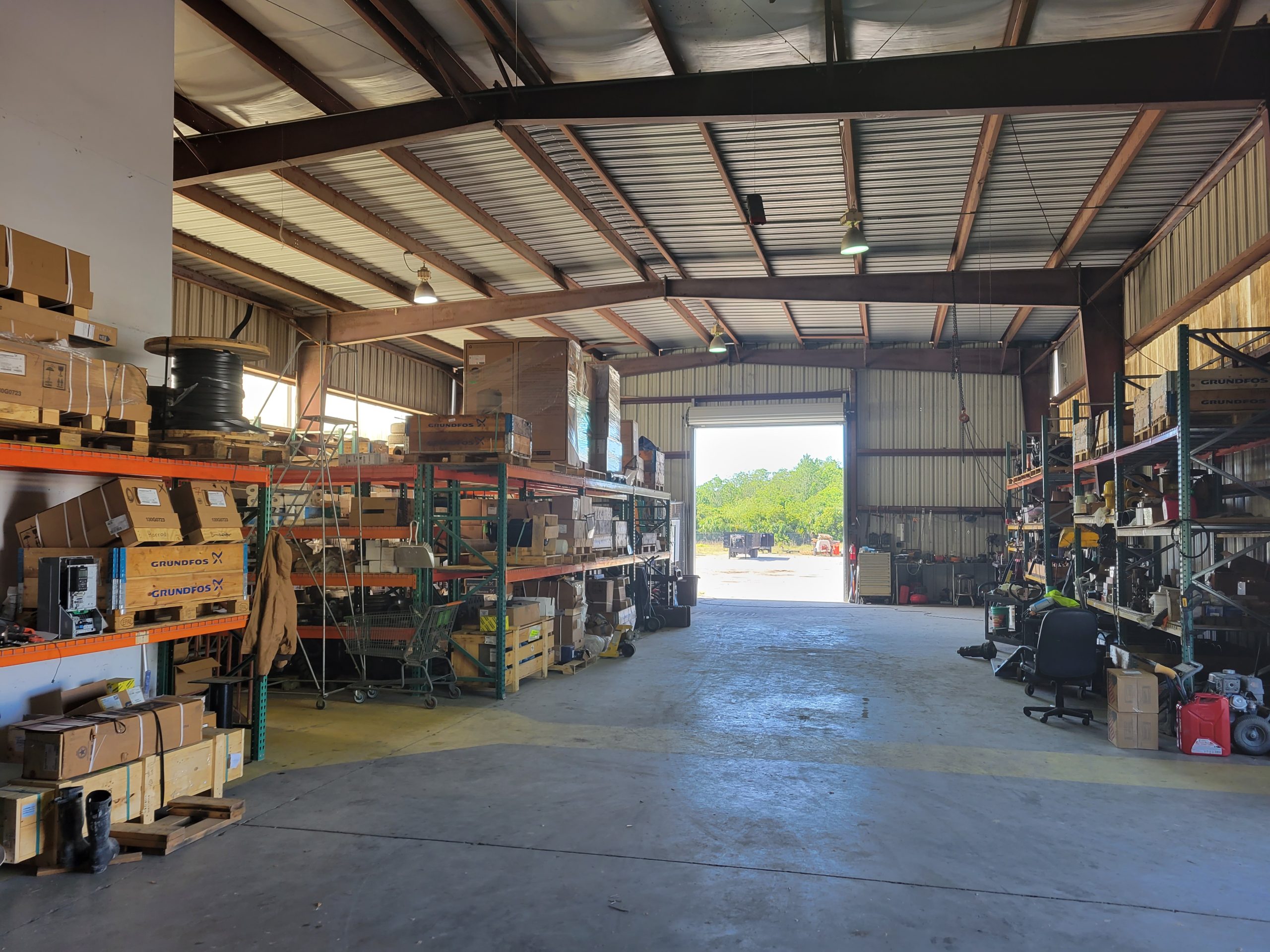
Ask whether they’re a licensed well contractor in Florida, whether they carry appropriate insurance, and whether they have experience with your pump brand. Accurate Drilling Solutions is a premier dealer of Grundfos pumps and has been serving property owners throughout the Tampa Bay region, including Hudson and the broader Pasco County area, for years. The team handles everything from submersible pump pulls to well pressure tank repair and full system diagnostics.
The Bottom Line
Basic visual checks, breaker resets, and pressure gauge readings are reasonable starting points for any Hudson homeowner. But once the diagnosis moves into the pump itself, the electrical system, or the pressure tank, the risk-to-reward ratio shifts sharply toward calling a licensed professional. Florida’s regulatory requirements, the physical demands of pulling submersible systems, and the very real electrical hazards involved make professional well pump repair in Hudson the right call for anything beyond surface-level troubleshooting.
When you’re ready to get your system evaluated or repaired by a licensed team, contact Accurate Drilling Solutions at 813-643-6161.
Frequently Asked Questions
Can I replace my own well pressure tank in Florida?
Technically, Florida law does not prohibit a homeowner from working on their own well system. However, pressure tank replacement requires proper depressurization, correctly sized components, accurate pre-charging, and leak-free plumbing connections. Errors during installation can cause short-cycling, fitting failures, or pump damage. For most homeowners, the risk of a mistake outweighs the effort of doing it themselves, and a licensed contractor will complete the job correctly the first time.
How do I know if my submersible pump has failed or if it’s a different component?
Common indicators of a failed submersible pump include no water delivery despite the pump appearing to run, loss of pressure that doesn’t recover, or a complete loss of power to the pump circuit that isn’t explained by a tripped breaker. However, similar symptoms can come from a failed pressure switch, a broken drop pipe, or a wiring fault. A licensed contractor can use electrical testing and pressure diagnostics to identify the actual source before pulling the pump unnecessarily.
Why does sand in my well water make pump repairs more complicated?
Sand intrusion is common in parts of Pasco County and can wear down impellers, clog intake screens, and accelerate motor wear. When a pump has been running in sandy conditions, internal damage may be more extensive than a simple component swap can address. A contractor experienced with Pasco County well conditions will assess whether the pump can be repaired or needs full replacement, and may also recommend addressing the sand intrusion at the wellbore level.
Does Florida require a permit for well pump repair?
In Florida, routine pump repairs and replacements generally do not require a permit, but new well construction and certain modifications do fall under permitting rules managed by the regional water management district. Pasco County properties fall under the Southwest Florida Water Management District’s jurisdiction. A licensed well contractor will know which work requires permits and handle the paperwork appropriately, keeping your system compliant and protecting your property rights.
How often should a well pump system be professionally inspected?
An annual inspection is a reasonable standard for residential well systems, and more frequent checks make sense for systems that are older, have a history of issues, or serve multiple units as in HOA or CDD settings. Inspections can catch deteriorating pressure tanks, early signs of pump wear, and water quality changes before they become emergencies. Some contractors offer scheduled maintenance agreements that make this easier to manage consistently.
What should I do to protect my well pump before a hurricane?
Before a storm, verify your system is functioning normally and consider running a water quality test if you haven’t done so recently. After the storm, do not use well water until a licensed contractor has confirmed the casing is intact and the water is safe. Flooding can introduce surface contaminants into the wellbore, and storm-related ground movement can affect the well casing or pump connections. This is especially relevant for Hudson properties given the area’s exposure to Gulf Coast storm activity.
continue reading
Related Posts
If your geothermal system in Largo is showing signs of reduced performance, the supply well may be the source of the problem. This article covers the key symptoms of well yield decline, limestone aquifer scaling, and reduced system efficiency — and what to do about them.
Selecting the right well pump system in Zephyrhills involves more than picking a pump off a shelf. This guide walks Pasco County property owners through submersible vs. jet pump comparisons, Florida-specific sizing factors, and why professional installation is the only responsible path forward.

Largo's coastal position, shallow Floridan Aquifer access, and aging residential well infrastructure create specific stress patterns on well pump systems. Understanding these local conditions helps homeowners protect their equipment before problems develop. Learn what makes Largo different — and what to do about it.