When your water pressure drops unexpectedly or your pump starts cycling on and off without a clear reason, the instinct is to call for help — and then wonder what happens next. For Mulberry homeowners on private well systems, a pump repair service call can feel like unfamiliar territory. Understanding what technicians actually do from the moment they arrive helps remove the guesswork and puts you in a better position to make informed decisions about your water system.
What Happens Before the Technician Arrives
A productive service call starts before the truck pulls into your driveway. When you contact a well service company, the scheduling conversation matters. You’ll typically be asked about your symptoms — things like low pressure, no water, air spitting from faucets, discolored water, or a pump that runs constantly without building pressure. This initial information helps the technician prepare the right tools and anticipate what they may find.
If you know details about your well — approximate depth, pump age, pressure tank size, or when the system was last serviced — have that information ready. It’s not required, but it gives the technician a useful starting point. Many Mulberry properties draw from the Floridan Aquifer system, which has its own set of characteristics that experienced Polk County technicians will already factor in.
First Inspection: What the Technician Looks at on Arrival
The first thing a technician does is a visual and mechanical assessment of what’s accessible above ground. This includes the pressure tank, control box, wiring, pressure switch, and any visible plumbing near the wellhead. These components can reveal a lot before anything is pulled from the ground.
Pressure Tank and Switch Assessment
A waterlogged pressure tank is one of the most common findings on a well pump diagnosis service call in Florida. When the tank loses its air charge, the pump cycles on and off rapidly — a condition called short cycling. Technicians check tank pressure with a simple gauge and assess whether the tank is functioning within its designed range. A faulty pressure switch can produce similar symptoms and is also inspected early in the process.
Control Box and Electrical Components
For submersible pump systems, the control box sits above ground and manages the pump’s start and run functions. Technicians check for burned components, failed capacitors, and wiring issues that can prevent the pump from running properly. Electrical problems are a frequent cause of apparent pump failure — and catching them early can avoid an unnecessary pump pull.
Diagnosing the Pump Itself
If the above-ground components check out, the technician moves toward diagnosing the pump and drop pipe. Amp draw testing is a standard tool here. By measuring the electrical current the pump draws while running, a technician can identify whether the motor is working too hard, underperforming, or failing. Abnormal amp readings are a reliable indicator of internal wear or obstruction.
Well water quality in this part of Polk County can accelerate pump wear. Sandy soils in and around Mulberry contribute to sand intrusion — a condition where fine particulates enter the well casing and pass through the pump. Over time, sand erodes impellers and other internal components, reducing pump efficiency and eventually causing failure. Technicians look for signs of sand intrusion both in the pump’s performance data and in the water itself.
When the Pump Needs to Come Out
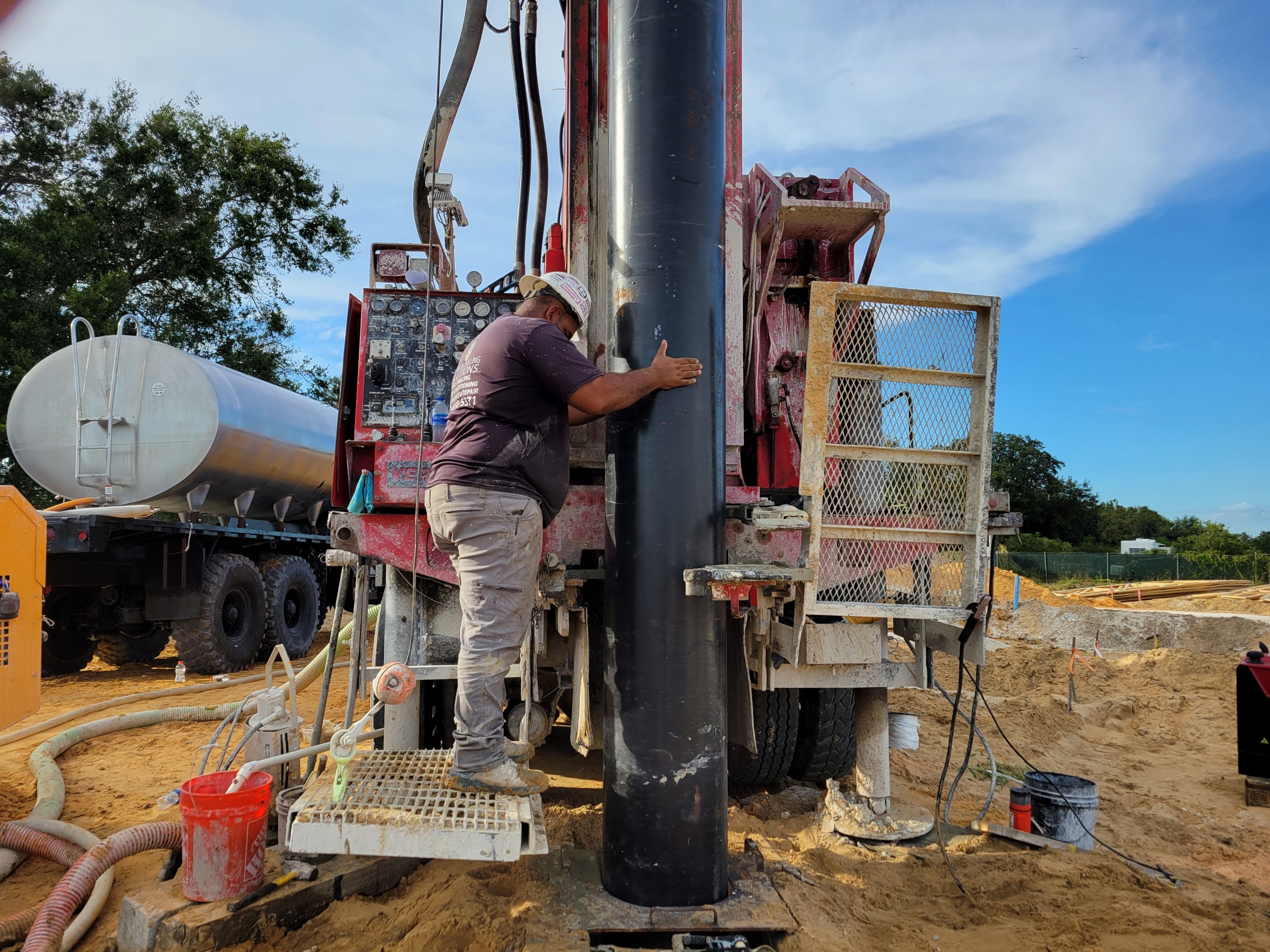
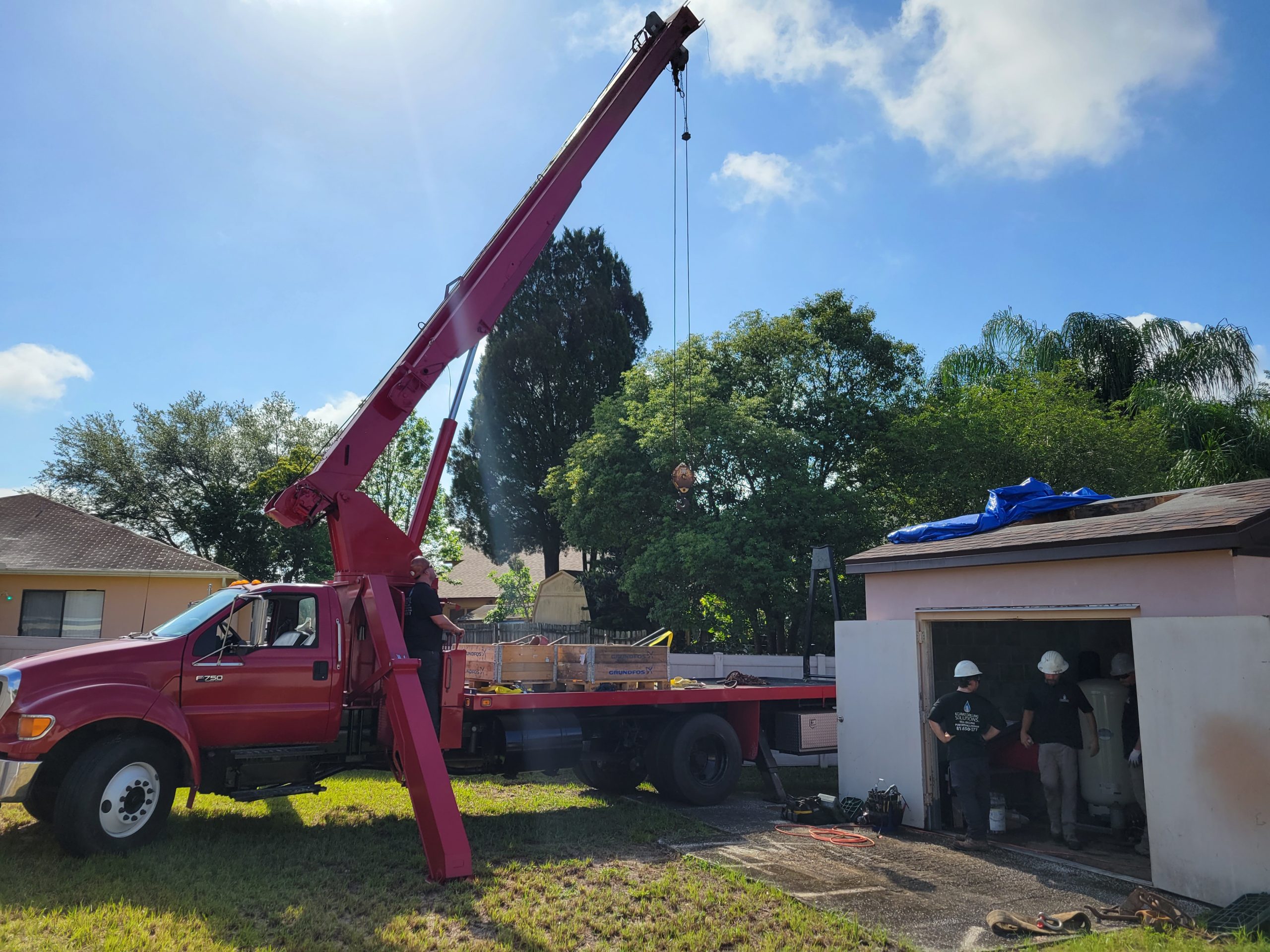
If testing points to a problem with the submersible pump, it has to be physically pulled from the well. This involves disconnecting the wiring, removing the drop pipe, and extracting the pump from the casing — sometimes from depths of 100 feet or more. It’s a skilled process that requires proper equipment. Once the pump is out, the technician can inspect it directly, confirm the diagnosis, and discuss repair or replacement options with you.
This is also an opportunity to inspect the well casing and drop pipe for damage, corrosion, or any signs that the well itself needs attention. A thorough video inspection can be valuable at this stage, particularly for older wells where casing integrity is a concern.
Common Issues Found During a Mulberry Well Service Call
Several issues come up repeatedly during well pump repair in Mulberry FL and the surrounding area. Knowing what they are helps you understand why your technician is checking what they’re checking.
- Worn or damaged impellers — Often caused by sand intrusion or simply age. Impeller damage reduces water flow and pressure.
- Failed motor bearings — Bearings wear over time, especially in systems that cycle frequently or run dry.
- Corroded or cracked drop pipe — Can introduce air into the system and reduce pump efficiency.
- Waterlogged pressure tank — Causes rapid cycling and can shorten pump life significantly if left unaddressed.
- Clogged or fouled well screen — Reduces water flow into the casing, starving the pump and causing it to overheat.
Florida’s climate adds its own layer of stress to well systems. Extended dry seasons lower water table levels, which can cause pumps to work harder or pull air. After major weather events, wellheads should be inspected for contamination or physical damage. These are the kinds of real-world conditions that experienced technicians in this region account for during every Mulberry well service visit.
From Diagnosis to Completed Repair
Once the problem is identified, the technician explains what was found and walks you through the recommended repair. Good communication at this stage is important. You should understand what failed, why it likely failed, and what’s involved in fixing it — whether that means replacing a capacitor in the control box, installing a new pressure tank, or pulling and replacing the submersible pump.
After repairs are made, the system is tested thoroughly before the technician leaves. This includes checking pressure buildup, confirming the pump cycles correctly, verifying flow rate, and making sure there are no leaks at connections. The goal is to hand the system back to you in verified working order, not just “running.”
The team at Accurate Drilling Solutions approaches every service call this way — thorough diagnosis first, clear explanation second, quality repair third. As a premier dealer of Grundfos pumps and a company trusted by HOAs and property managers across Central Florida, the standard is consistent whether the job is a simple pressure switch swap or a full pump replacement.
Protecting Your Well System After the Repair
A completed repair is a good opportunity to think about ongoing maintenance. Well systems benefit from periodic inspections, especially in areas like Mulberry where sand intrusion and mineral content can shorten component life. A maintenance agreement can keep your system on a regular inspection schedule and help catch small issues before they become expensive ones.
If your well is older or hasn’t been professionally inspected in several years, it’s worth discussing the full picture with your technician — not just the immediate problem. Understanding your system’s overall condition puts you in a much stronger position long-term. You can also explore water pump repair services in more detail to get a clearer picture of what comprehensive pump care looks like.
Frequently Asked Questions
How long does a typical well pump repair service call take?
The duration depends on what’s found. Above-ground repairs like a pressure switch or control box replacement may take one to two hours. If the submersible pump needs to be pulled, inspected, and replaced, the process can take most of a workday. Technicians generally give a time estimate once they’ve completed the initial diagnosis and have a clear picture of the work involved.
What are the most common signs that a well pump needs repair in Polk County?
Low or fluctuating water pressure, a pump that runs constantly, air sputtering from faucets, discolored or sandy water, and sudden loss of water are the most frequent indicators. In areas with sandy soils like Mulberry, sand intrusion can develop gradually and show up first as reduced flow before causing more serious pump damage.
Can sand intrusion be fixed, or does it mean the pump needs full replacement?
It depends on the extent of the damage. In some cases, a pump can be cleaned and returned to service. In others, impeller wear is significant enough that replacement is the more reliable solution. Technicians assess the pump’s condition once it’s pulled from the well and give a straightforward recommendation based on what they find.
Is it worth repairing an older well pump, or should I consider replacement?
Age is one factor, but overall condition matters more. A pump that’s mechanically sound with a single failed component may be worth repairing. One that shows widespread wear, multiple failed parts, or declining efficiency is often better replaced. Your technician can walk you through the specific findings and help you weigh the options based on what’s actually in the ground.
What should I do to prepare for a well pump service call?
Make sure the technician has clear access to the wellhead, pressure tank, and control box. Note any recent changes in water quality or pressure, and try to recall when the system was last serviced if you can. If you have a well completion report or any previous service records, those are helpful but not required. Being available to answer questions during the visit also speeds the process along.
Does a well pump repair service call also check the well itself?
A standard pump service call focuses on the pump, pressure tank, and related components. However, if the pump is pulled for repair or replacement, the technician has the opportunity to visually inspect accessible portions of the casing and drop pipe. If there’s reason to suspect a deeper issue with the well, a dedicated video inspection can provide a full look at what’s happening below ground.
When you’re ready to schedule a service call or have questions about your well system, the team at Accurate Drilling Solutions is ready to help. Call 813-643-6161 to speak with someone who knows Polk County well systems and can get you on the schedule.
continue reading
Related Posts
A video well inspection gives Plant City property owners a clear look at the condition of their well casing, screen, and pump from the inside. This step-by-step guide explains how to prepare, what to ask, and how to act on the findings to protect your water supply.
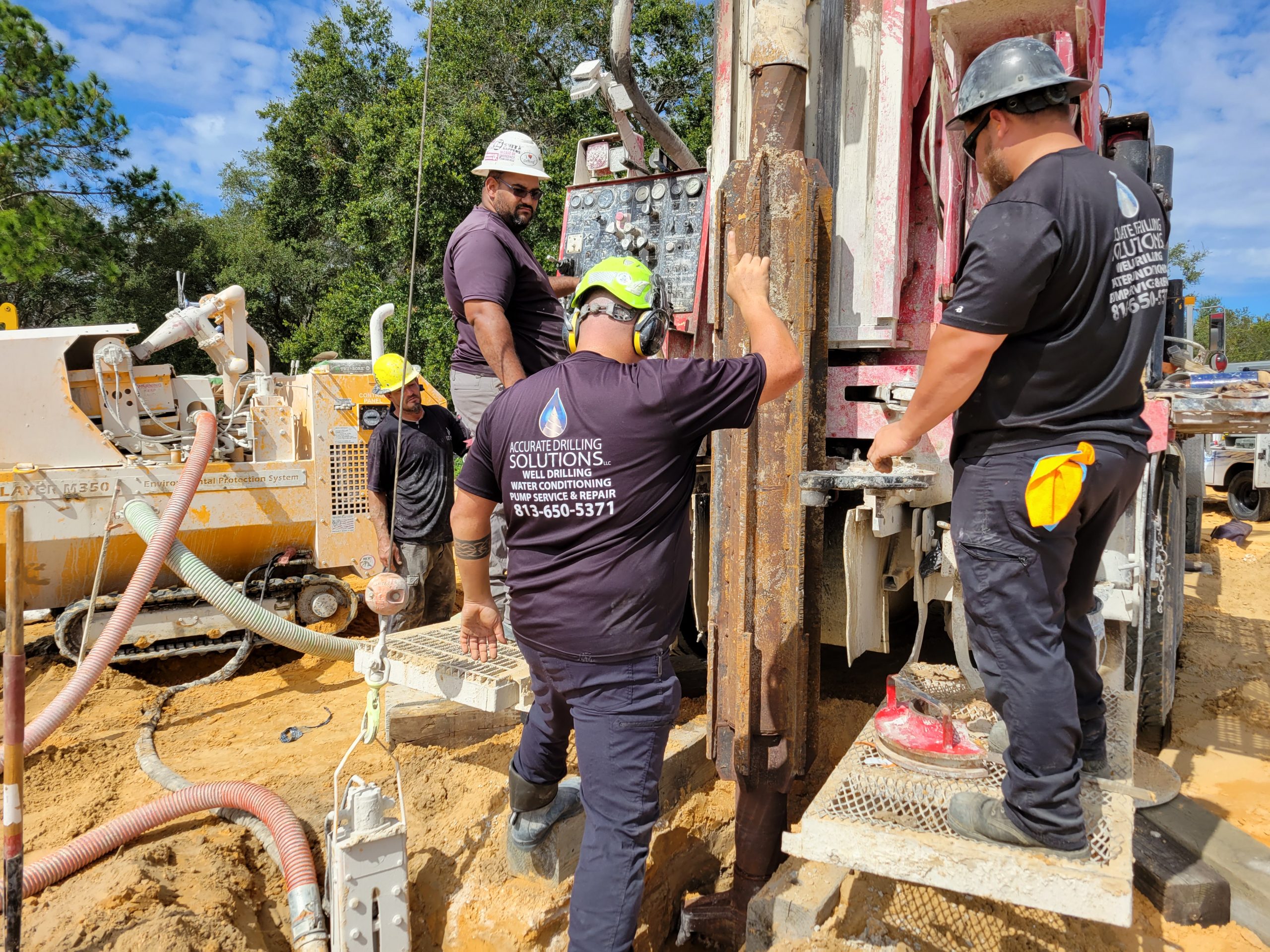
With the rainy season winding down and groundwater levels stabilizing, fall is one of the best times to plan a well pump installation in Dade City. Learn why November timing works in your favor, what Pasco County's geology means for your system, and how to know when replacement makes more sense than repair.

Not sure what happens during an irrigation well service appointment? This guide walks Wesley Chapel homeowners through every stage — from the initial call to post-visit follow-up — so there are no surprises. Know what to prepare, what the technician checks, and what comes next.