
Your well pump works quietly in the background every day, delivering water to your home without much fanfare. Most Bradenton homeowners don’t think about it until something goes wrong. But well pumps rarely fail without warning. They send signals first — and knowing how to read those signals can save you from a complete system failure and the headaches that come with it.
Manatee County sits over the Floridan Aquifer System, a deep limestone aquifer that supplies water to countless private wells throughout the region. That geology, combined with Bradenton’s humidity, seasonal storms, and shifting groundwater levels, creates specific stress conditions for well pumps and the systems connected to them. The checklist below covers the warning signs that should prompt a call to a qualified well professional — before a manageable repair becomes a full replacement.
Pressure Problems You Should Not Ignore
✓ Fluctuating Water Pressure Throughout the Day
If your shower pressure drops mid-use or your kitchen faucet delivers an inconsistent flow, your well pump may be struggling to maintain consistent output. Pressure fluctuations are one of the most common early well pump failure symptoms homeowners notice. They’re easy to dismiss as minor annoyances — but they often point to a worn pump motor, a failing pressure switch, or a waterlogged pressure tank.
✓ Pressure That Drops When Multiple Fixtures Run Simultaneously
A healthy pump system handles reasonable simultaneous demand — a dishwasher running while someone showers, for example. If your pressure collapses every time two fixtures run at once, the system isn’t keeping up. This can indicate reduced pump output, a pressure tank that has lost its charge, or early motor wear.
✓ Low Water Pressure That Has Gradually Gotten Worse
Low water pressure in Bradenton wells doesn’t always arrive suddenly. A slow, creeping decline over weeks or months is actually a more common pattern — and it’s easy to normalize until you barely have enough pressure to run a garden hose. Gradual pressure loss often signals a pump that is losing efficiency or a partially blocked intake screen.
Air and Strange Sounds From Your Faucets
✓ Air Spitting or Sputtering From Faucets
If your faucets sputter and spit air before water flows — or deliver an inconsistent, bubbly stream — air is getting into your water line. This is a clear warning sign. It may mean your well’s water level has dropped below the pump intake, which can happen during Bradenton’s dry season or after a period of heavy pumping. It can also indicate a crack in the drop pipe or a failing pump that is losing its prime.
✓ Clicking or Rapid Cycling Sounds Near the Pressure Tank
A well pump that short-cycles — turning on and off rapidly instead of running in normal intervals — puts extreme stress on the motor. You may hear the pressure tank clicking frequently, or notice your circuit breaker tripping more often. Short cycling is often caused by a waterlogged pressure tank, a failing bladder, or a pressure switch that is no longer calibrated correctly. Left unaddressed, it can burn out the pump motor entirely.
✓ Grinding, Humming, or Screeching Motor Sounds
Any unusual mechanical noise from your pump system deserves attention. A grinding sound can indicate worn bearings. A loud hum that doesn’t resolve into normal operation may signal a motor struggling under electrical stress or mechanical resistance. These sounds rarely improve on their own.
Water Quality Changes That Signal Trouble
✓ Sand or Grit in Your Water
Sand intrusion is a real concern for Bradenton-area well owners. The limestone and sandy soil composition around Manatee County means fine sediment can enter a well through a deteriorating well screen, a shifting casing, or a pump that has been positioned too deep in a sandy zone. Sand in your water is abrasive — it damages appliances, clogs fixtures, and wears out the pump impellers faster than almost anything else. If you’re seeing grit in your water or noticing sediment collecting in aerators, don’t wait on this one.
✓ Sudden Changes in Water Color or Clarity
Brown or rusty water can indicate corrosion inside the casing or pump components. Milky or cloudy water may point to air infiltration or sediment disturbance. Any sudden, unexplained change in how your water looks warrants a professional pump and well inspection — especially after a major storm or hurricane, when ground movement and debris intrusion are more likely.
✓ Increased Sulfur or Mineral Odors
Sulfur water is common across much of West-Central Florida due to hydrogen sulfide naturally present in the aquifer. However, a sudden increase in odor intensity — particularly after the pump has been running — can indicate a change in the pump’s draw depth or a well screen that is no longer filtering effectively. It’s worth having the system evaluated if the smell has noticeably worsened.
Electrical and System-Level Warning Signs
✓ Higher Electricity Bills With No Other Explanation
A struggling pump motor draws more power as it works harder to compensate for wear or mechanical resistance. If your electricity bill has crept upward and you haven’t added new appliances or changed your habits, your pump system may be the cause. This is an underappreciated early warning sign that homeowners often attribute to other sources.
✓ No Water at All — Even Briefly
A total loss of water, even momentarily, is never something to dismiss. It may be a tripped breaker, a failed pressure switch, or a pump that has finally given out. In Bradenton, it’s also worth checking whether recent heavy rainfall or a storm event has affected groundwater conditions near your well. Either way, a no-water situation calls for immediate professional evaluation.
When to Call for Well Pump Repair in Bradenton
Any single item on this checklist is worth monitoring. Two or more items occurring together is a clear signal to schedule a professional inspection before the problem escalates. Well pump issues that are caught early are almost always less disruptive and less extensive to address than those that reach full failure.
The team at Accurate Drilling Solutions has extensive experience with the specific aquifer conditions, soil types, and groundwater behavior across Manatee County and the broader Bradenton area. As a premier Grundfos pump dealer and one of the most established well service companies in the Tampa Bay region, they bring both the equipment and the field knowledge to diagnose problems accurately — not just swap parts and hope for the best.
If you want to stay ahead of potential problems, a well maintenance agreement can help you schedule regular system checks before warning signs turn into emergencies. And if you’d like to see what’s actually happening inside your well casing, a video well inspection gives you a clear, unambiguous picture of your well’s current condition.
Don’t wait for a complete water outage to take well pump warning signs seriously. Call Accurate Drilling Solutions at 813-643-6161 to schedule a professional evaluation of your well pump system in Bradenton.
Frequently Asked Questions
How do I know if my well pump is failing or if it’s a pressure tank issue?
The symptoms often overlap, which is why professional diagnosis matters. Rapid cycling and fluctuating pressure frequently point to a waterlogged pressure tank or failed bladder. Weak or declining output with no cycling issues more often points to the pump itself. A qualified technician can test both components and identify the true source of the problem quickly, rather than guessing.
Is sand in my well water a pump problem or a well problem?
It can be either — or both. Sand intrusion sometimes happens when a well screen deteriorates or shifts, allowing sediment to enter the casing. It can also occur if the pump was installed too close to the bottom of the well. In either case, sand is abrasive and will accelerate pump wear. A professional inspection is needed to determine the source and recommend the right fix.
How does Bradenton’s dry season affect well pump performance?
During Florida’s dry season, aquifer levels can drop in certain areas, particularly in shallower wells. When the water level falls closer to or below the pump intake, you may notice air in the lines, reduced pressure, or the pump cycling more frequently. If these symptoms appear during dry months and improve with rainfall, water table changes may be a contributing factor worth discussing with a well professional.
Can a well pump failure affect my water quality?
Yes. A failing pump can draw from inconsistent depths, disturb sediment, or allow air infiltration — all of which affect water quality. Deteriorating pump components can also introduce rust or mineral particles into the water supply. If you notice simultaneous changes in both water pressure and water quality, treat that combination as an urgent signal to have your system inspected.
How long do well pumps typically last in Florida?
Submersible well pumps in Florida generally last between 8 and 15 years, though this varies based on water quality, usage volume, pump brand, and how consistently the system has been maintained. Florida’s mineral-rich groundwater and sandy aquifer conditions can shorten pump lifespan if sediment infiltration or short cycling goes unaddressed. Regular inspections help identify wear before it causes a full system failure.
What should I do immediately if I lose water pressure suddenly?
First, check your circuit breaker panel to see if the breaker for the pump has tripped. If it has, reset it once — but if it trips again, do not keep resetting it. A recurring trip usually indicates an electrical fault that needs professional attention. If the breaker is fine and you still have no water, contact a licensed well pump service professional as soon as possible to diagnose the issue.
continue reading
Related Posts

Improperly closing an old well in Lakeland or Polk County can trigger permit violations, groundwater contamination liability, and complications during property sales. This article outlines the most common well abandonment mistakes and explains exactly how to avoid each one.
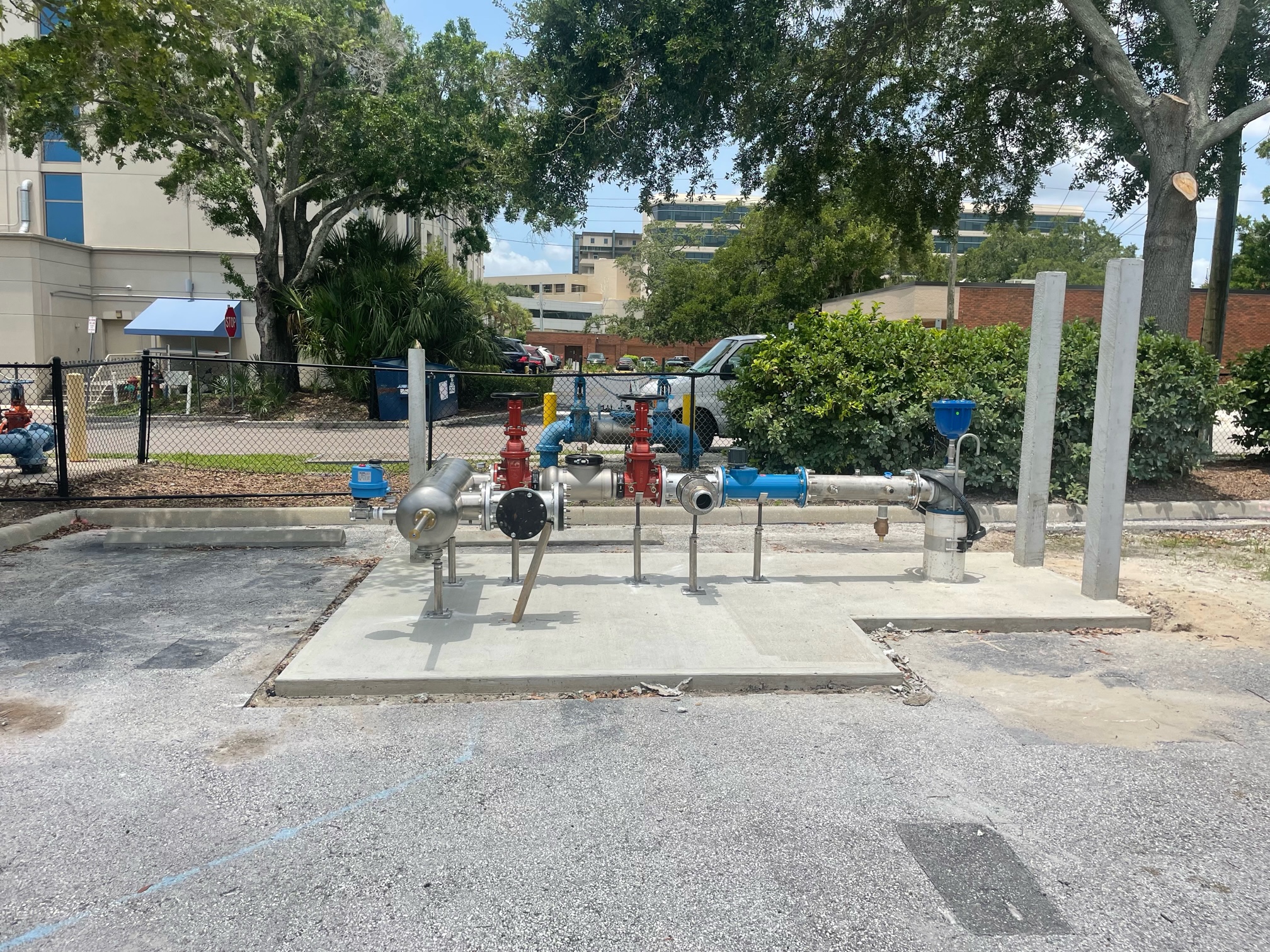
A practical, printable fall prep checklist for Hudson property owners and HOAs managing Pasco County irrigation wells. Covers pump performance, valve inspections, sand intrusion checks, pressure testing, and water quality steps specific to the region.
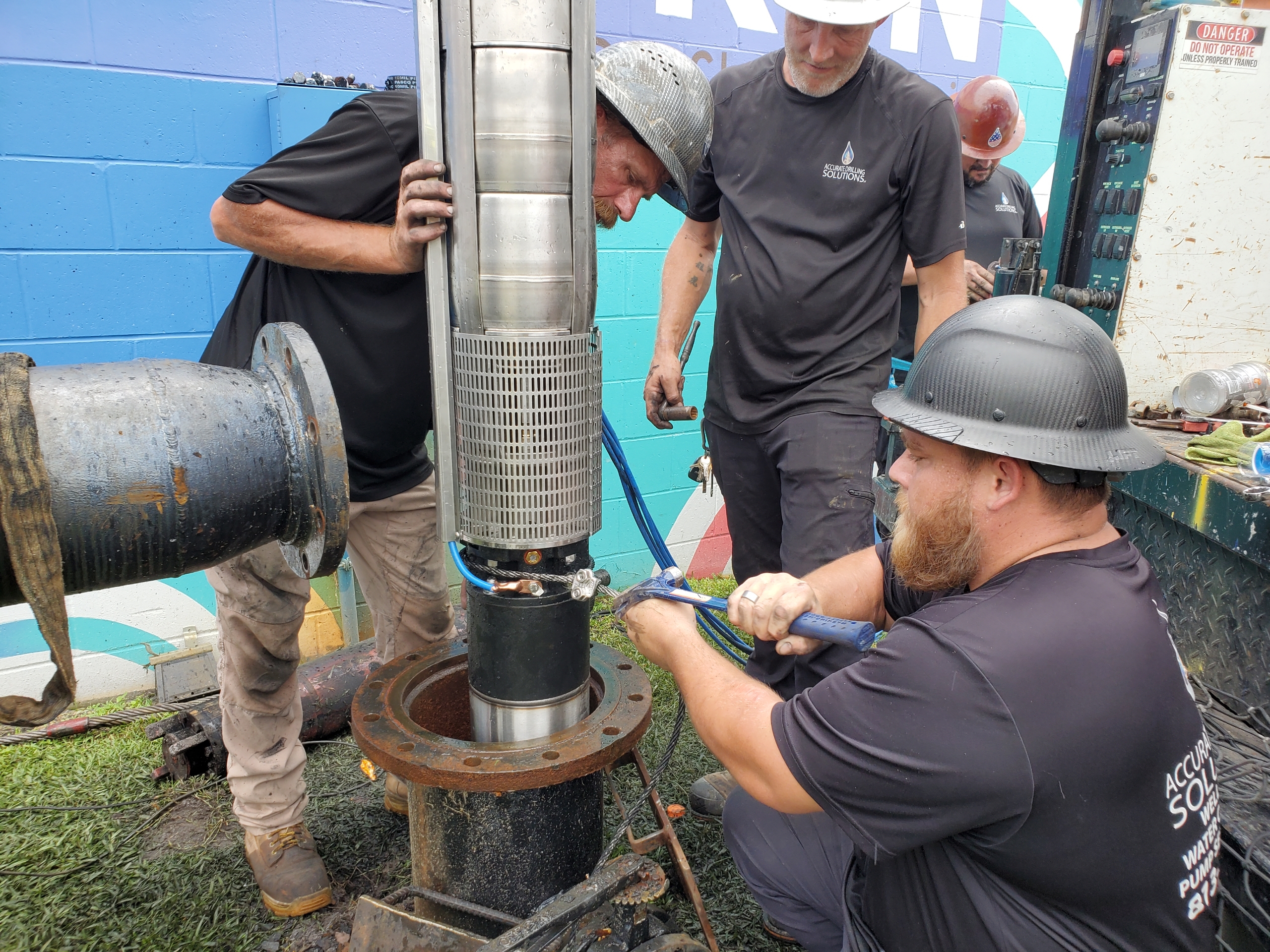
Florida's fall dry season puts serious demand on irrigation wells across Auburndale and Polk County. This printable step-by-step checklist helps property owners inspect pump pressure, check for sand intrusion, test water output, and confirm all system connections before seasonal dry patterns set in.