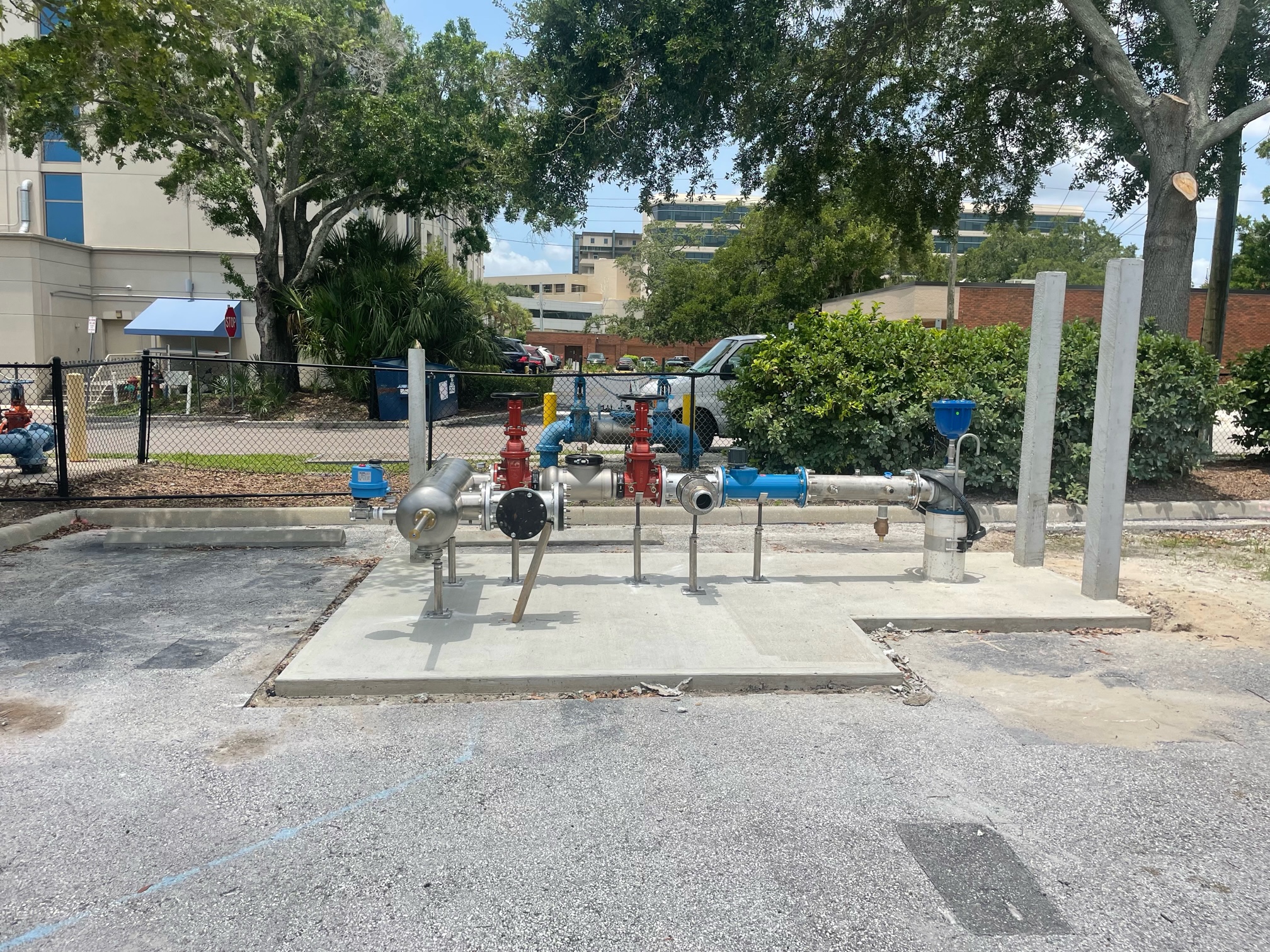
Fall is the right time to get your irrigation well in order. In Hudson, the rainy season winds down around October, and that shift changes everything for your irrigation system. Demand stays high well into winter, but the aquifer has had months of heavy pumping. If you haven’t looked closely at your well since spring, there’s a good chance something needs attention before the dry season hits hard.
This checklist is designed for Hudson property owners, HOAs, and CDDs who want a clear, step-by-step process for fall irrigation well prep. Print it out, work through it section by section, and flag anything that needs a professional follow-up. A little attention now prevents expensive repairs later.
Why Fall Prep Matters for Pasco County Irrigation Wells
Pasco County wells draw from the Floridan Aquifer, a limestone-based system that performs well under normal conditions but can develop issues after a long, high-demand summer. Limestone formations can shift how water moves through the aquifer, and that affects pressure, yield, and sediment levels. Sand intrusion is especially common in the area. If your sprinkler heads have been throwing gritty water or your pump has been running louder than usual, that’s often the first sign.
Sulfur odor is another regional concern. It doesn’t mean your well is unsafe for irrigation, but it can affect certain plant species and irrigation hardware over time. Fall is a good opportunity to note whether the smell has changed or intensified since you last had a look at the system.
The Full Fall Irrigation Well Prep Checklist
Step 1 — Visual Inspection of the Wellhead and Casing
- Check the wellhead for cracks, corrosion, or signs of surface water intrusion.
- Make sure the well cap is sealed tightly and free of insect nests or debris.
- Look for rust staining or mineral deposits on the casing above ground — these can signal water quality changes inside the well.
- Clear vegetation within two feet of the wellhead. Overgrowth traps moisture and can accelerate casing corrosion.
- Note whether the ground around the casing has settled or shifted since last year.
Step 2 — Pump Performance Check
- Run the system through a full cycle and listen for unusual sounds — grinding, rattling, or intermittent cycling are all warning signs.
- Check whether pressure builds and holds within normal range for your system.
- Time how long it takes the pump to reach operating pressure. A slower climb can indicate a worn pump or a developing pressure tank problem.
- If your system uses a Grundfos pump or similar submersible, verify the motor amperage is within rated specs — your service records should have the baseline reading.
- Look at run time versus off time. Short-cycling (pump kicks on and off rapidly) often means a waterlogged pressure tank.
For HOA and CDD systems managing multiple zones, run each zone separately and document any zones where pressure drops noticeably. Uneven pressure across zones is often a sign of a partially clogged screen, a failing valve, or sand accumulation in the lateral lines.
Step 3 — Valve and Line Inspection
- Test every zone valve manually and via the controller to confirm it opens and closes fully.
- Inspect mainline connections and zone valves for drips or weeping joints.
- Check the backflow preventer for proper operation — this is a regulatory requirement in Florida and must be tested annually.
- Walk each zone while it runs and look for sunken heads, tilted heads, or heads that aren’t retracting fully after the cycle ends.
- Look for any surface pooling that might indicate a broken lateral line underground.
Step 4 — Sand Intrusion Assessment
Sand intrusion is one of the most common issues affecting Hudson irrigation wells. The sandy soils around Pasco County, combined with the region’s limestone aquifer structure, make it easy for fine sediment to enter the well column — especially after heavy summer rain or after the water table drops during a dry stretch.
- Collect a sample of water from a hose bib connected to the irrigation system and let it sit in a clear container for 15 minutes. Any visible sediment settling to the bottom confirms sand is present.
- Check sprinkler heads for abrasion wear on the nozzles — sand-laden water grinds down heads faster than clean water.
- Inspect any inline sediment filters or spin-down filters and measure sediment accumulation since your last cleaning.
- If you’ve noticed unexplained pump wear or impeller damage in recent service visits, chronic sand intrusion is the likely cause and warrants a downhole video inspection to assess the well screen and casing.
Step 5 — Pressure System Testing
- Check the pressure tank’s air precharge using a tire gauge on the Schrader valve (with the pump off and system depressurized). It should read approximately 2 PSI below the pump’s cut-in pressure.
- Record static pressure, cut-in pressure, and cut-out pressure and compare to your system’s original settings.
- Verify that pressure switch contacts are clean and making solid connections — corroded contacts cause erratic pressure behavior.
- For larger HOA or CDD systems with variable frequency drives (VFDs), check drive fault logs for any recorded errors since the last service.
Step 6 — Water Quality Notes
- Document any changes in odor, color, or clarity since spring.
- Note whether any landscape areas show signs of iron staining — orange or rust-colored deposits on concrete, fencing, or plants near sprinkler heads.
- If the sulfur smell has increased significantly, schedule a water quality test to determine whether bacterial activity in the well column has increased.
- For community systems, review the most recent water quality records and flag anything outside acceptable ranges for irrigation use.
Step 7 — Controller and Electrical Review
- Confirm the irrigation controller’s seasonal watering schedule is updated for fall. Hudson’s Southwest Florida Water Management District (SWFWMD) restrictions limit irrigation to specific days and times — verify compliance.
- Check the controller’s battery backup and replace if more than 12 months old.
- Inspect the pump control panel for signs of moisture intrusion, corrosion on terminals, or burnt wiring.
- Test the system’s lightning arrestor if installed — summer storm season in Pasco County takes a toll on electrical components, and fall is the right time to assess damage before relying on the system through winter.
When to Call a Professional
Some items on this checklist are straightforward for a property owner or facilities manager to handle. Others — pump amperage testing, pressure tank diagnostics, downhole video inspections, and backflow preventer certification — require licensed equipment and trained technicians.
If you work through this list and find multiple concerns, or if your pump’s performance has changed noticeably this summer, schedule a professional inspection rather than deferring until something fails. The team at Accurate Drilling Solutions in Hudson serves Pasco County irrigation systems of all sizes, from residential wells to large HOA and CDD pump stations.
For community systems where downtime affects multiple properties, a well maintenance agreement can help you stay ahead of seasonal issues with scheduled inspections instead of reactive repairs. Many HOAs and CDDs across the Tampa Bay area use this approach to keep irrigation systems running reliably year-round.
You can also review our irrigation well services to understand the full range of support available for your system type. And if you want to see the kind of work that goes into a thorough pump and well inspection, the work photo gallery gives you a clear picture of what a professional service visit looks like.
A Note for Hudson HOAs and CDDs
Community irrigation systems carry a different level of responsibility than a single residential well. If your HOA or CDD manages a shared pump station, the checklist above applies — but the stakes for each missed item are multiplied across every property in your community. Documentation matters here. Keep records of every inspection, every pump runtime reading, and every service call. That paper trail protects the community and helps technicians diagnose recurring problems faster.
Fall is also a practical time to review your system’s capacity against your community’s current irrigation demands. Hudson has seen steady development pressure in recent years, and older community wells designed for lower demand may be working harder than originally intended.
Frequently Asked Questions
How often should a Pasco County irrigation well be professionally inspected?
Most irrigation wells benefit from at least one professional inspection per year. In Pasco County, where sand intrusion and mineral buildup are common, twice-yearly inspections — once before the dry season and once before the rainy season — give you the best protection against unplanned failures. HOA and CDD systems with higher demand cycles may warrant quarterly checks depending on well age and output history.
What are the signs of sand intrusion in an irrigation well?
Common signs include visible sediment in water samples, accelerated wear on sprinkler nozzles, gritty discharge from heads, and unexplained pump impeller damage. Sand can also clog inline filters quickly. If any of these symptoms appear, a downhole video inspection can confirm whether the well screen or casing has been compromised and to what extent.
Do Florida irrigation wells need to comply with SWFWMD watering restrictions?
Yes. Even if your water source is a private irrigation well rather than a municipal supply, Southwest Florida Water Management District restrictions apply to properties in Pasco County. These rules govern the days and times you can irrigate. Violations carry fines. Fall prep is a good opportunity to confirm your controller schedule aligns with current district rules, which can change seasonally.
What causes short-cycling in an irrigation pump?
Short-cycling — where the pump kicks on and off rapidly during a cycle — is usually caused by a waterlogged pressure tank. When the tank loses its air charge, it can no longer buffer pressure changes effectively, so the pump runs constantly in short bursts. Left uncorrected, this significantly shortens pump motor life. A pressure tank inspection or recharge often resolves the issue.
When should an irrigation well be video inspected rather than just serviced?
A video inspection makes sense when you’re seeing performance changes that can’t be explained by surface-level checks — things like unexplained pressure drops, chronic sand intrusion, reduced yield, or unusual water quality changes. A camera run down the well column can identify casing cracks, screen damage, sediment accumulation, and other issues that aren’t visible or diagnosable any other way.
Is fall a good time to schedule irrigation well pump repairs in Hudson?
Fall is one of the better windows for scheduling pump work in Hudson. The most intense summer irrigation demand has passed, scheduling is typically more flexible than peak season, and addressing issues before winter means your system is ready when dry-season watering resumes at full intensity. Waiting until a pump fails mid-season almost always means longer downtime and more complicated repairs.
To schedule an irrigation well inspection or discuss your Pasco County system’s needs, contact Accurate Drilling Solutions at 813-643-6161. The team is available to help Hudson property owners, HOAs, and CDDs get their systems ready before the dry season demands full performance.
continue reading
Related Posts
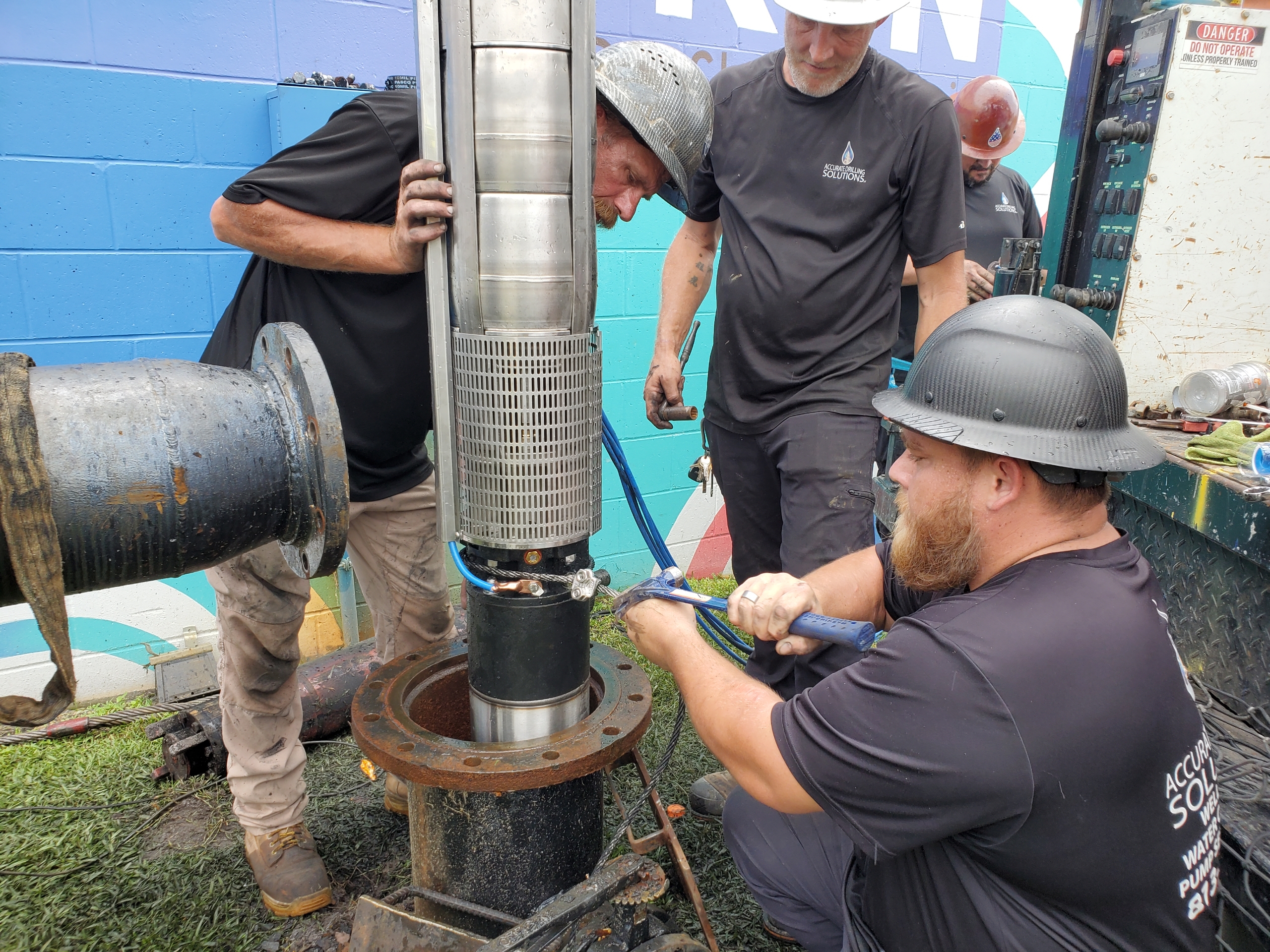
Florida's fall dry season puts serious demand on irrigation wells across Auburndale and Polk County. This printable step-by-step checklist helps property owners inspect pump pressure, check for sand intrusion, test water output, and confirm all system connections before seasonal dry patterns set in.

Bradenton homeowners who depend on private wells often make preventable mistakes that turn minor pump issues into costly failures. This article covers the most damaging missteps — from delaying summer repairs to ignoring sulfur water — and how to avoid them.
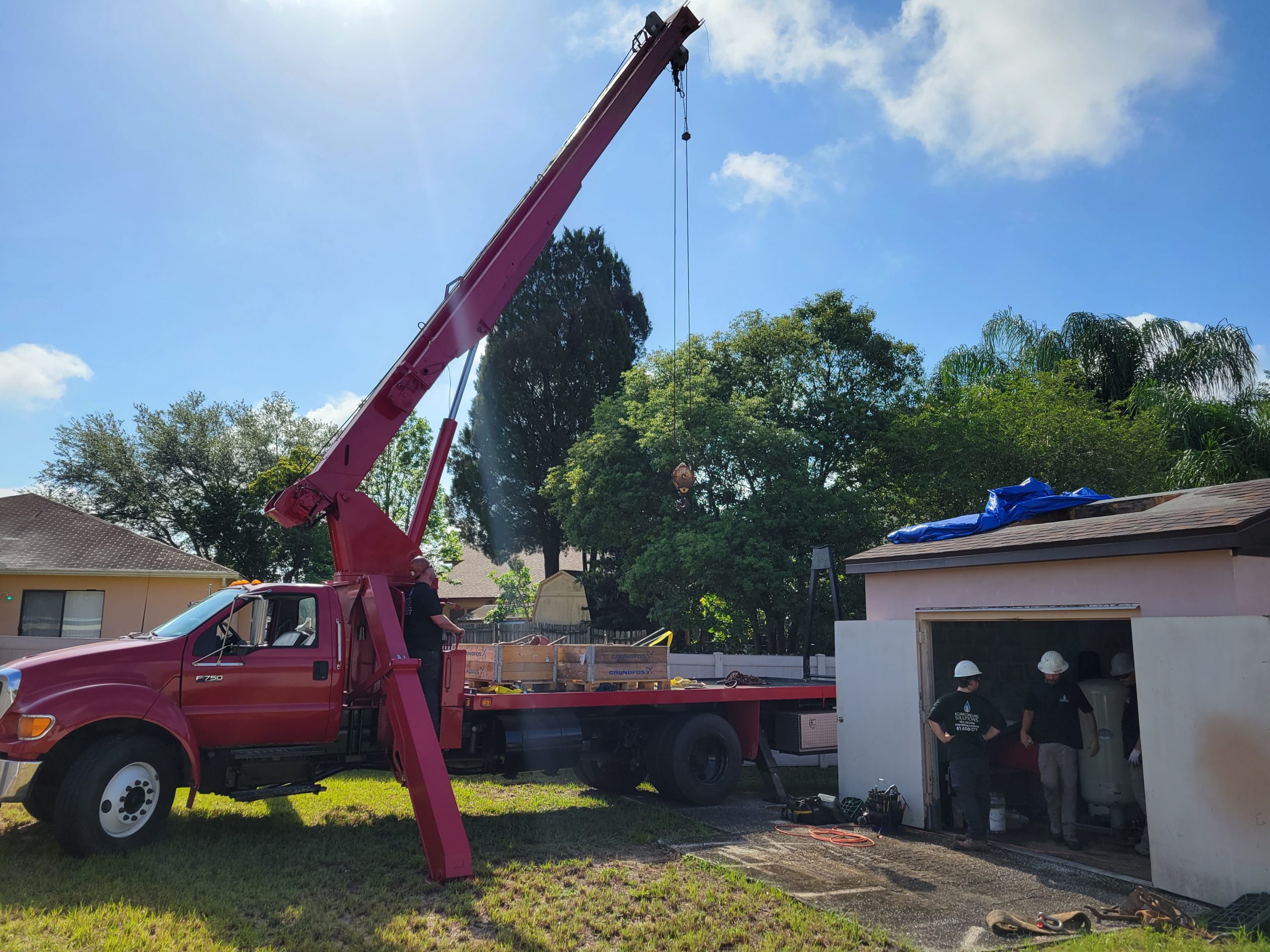
Getting ready for a well pump installation in Tampa takes more than just scheduling the appointment. This step-by-step guide walks Hillsborough County homeowners through every preparation task — from locating the well casing and cutting power to clearing site access and gathering system documentation — so installation day goes smoothly.