
Myakka City homeowners rely on private wells in ways that most suburban residents never have to think about. Out here in eastern Manatee County, municipal water lines are not an option for most rural properties. Your well is your water supply — full stop. That makes every mistake you make with it more consequential than it might be elsewhere.
Some of these mistakes are easy to avoid once you know what to watch for. Others are surprisingly common, even among people who have owned a domestic water well in Myakka City for years. Here is a straightforward look at the errors worth stopping today.
Mistake #1: Skipping Annual Water Quality Testing
This is the most common private well mistake in Florida, and it carries real health consequences. Unlike municipal water, your private well water is not tested or treated by any public utility. That responsibility falls entirely on you.
Florida’s shallow and deep aquifer systems can introduce a range of contaminants into well water — including bacteria, nitrates, arsenic, and naturally occurring sulfur compounds. The sulfur issue is especially familiar to Myakka City residents. That rotten-egg odor is not just unpleasant; it can signal hydrogen sulfide levels worth monitoring. Well water quality testing should happen at minimum once a year, and more frequently after flooding, drought, or any nearby agricultural or land-use changes.
Mistake #2: Ignoring the Florida Limestone Aquifer Under Your Property
Most of Florida sits on top of a karst limestone geology. This Florida limestone aquifer system is porous, which means it delivers water reliably — but it also means contaminants can move through it faster than homeowners expect. Sinkholes, fractures, and shifts in the rock formation can affect well depth performance and water chemistry over time.
Homeowners who drilled their well years ago sometimes assume nothing has changed underground. That assumption can be wrong. Aquifer conditions do shift, especially during extended dry seasons or following significant storm activity. A well that performed perfectly a decade ago may need evaluation today.
What This Means Practically
Periodic video well inspections can reveal changes inside the borehole that would otherwise go undetected — things like casing corrosion, sediment buildup, or structural shifts near the screen zone. These are not dramatic problems you will notice at the faucet right away. They develop slowly, and catching them early saves serious trouble later.
Mistake #3: Waiting for a Complete Pump Failure Before Calling Anyone
Pump problems almost always give warning signs before total failure. Low water pressure, air sputtering from faucets, cycling on and off too frequently, or unusual sounds from the pressure tank are all red flags. Most homeowners wait too long to act on them.
Pump failure does not typically happen on a convenient Tuesday afternoon. It tends to happen during a heat wave, right before guests arrive, or in the middle of a storm. Addressing early warning signs through routine water pump repair or evaluation is far less disruptive than an emergency replacement call.
Mistake #4: Not Having a Maintenance Plan in Place
A private well system has multiple components — the pump, pressure tank, pressure switch, wellhead, casing, and more. Each of these has a service life, and each can degrade independently. Without a scheduled maintenance routine, homeowners end up in reactive mode rather than proactive mode.
A well maintenance agreement creates a regular inspection schedule so problems are caught before they escalate. This is especially important for properties that are seasonal or occasionally vacant. A well system that sits unused for months and then gets heavy demand is more likely to show stress.
Hurricane and Storm Season Preparedness
Myakka City properties are no strangers to severe weather. Tropical storms and hurricanes can flood wellheads, push contaminants into the casing, or damage electrical components connected to the pump system. After any significant storm, wells should be inspected and the water tested before resuming normal use. This step is routinely overlooked in the post-storm cleanup rush.
Mistake #5: Mishandling Sand Intrusion Problems
Sand in the water is one of the more immediate problems Florida well owners encounter. It wears down pump impellers, clogs fixtures, and degrades water quality. Sand intrusion typically signals a problem with the well screen or a shift in the surrounding formation — not something to filter around indefinitely.
Running a pump against persistent sand without addressing the root cause accelerates component wear significantly. If you are noticing grit in your water or sediment collecting in fixtures, that is a condition worth investigating at the source rather than masking with filters alone.
Mistake #6: Treating Well Abandonment as a Low Priority
Older properties in Myakka City often have more than one well on the land — including abandoned or unused ones from prior use. An improperly abandoned well is not just a liability; it is a direct pathway for surface contaminants to enter the aquifer below. Florida law requires wells to be properly decommissioned by a licensed contractor.
If you have an old well on your property that is no longer in use, do not assume it is harmless just because no one draws water from it. The Accurate Drilling Solutions team handles well abandonment in compliance with Florida Water Management District requirements, so the process is done correctly and documented properly.
Mistake #7: DIY Repairs on Licensed Well System Components
Florida law restricts who can perform certain types of well work. Unlicensed repairs to well casings, pump systems, or anything below the wellhead can void permits, create liability, and introduce problems that cost significantly more to fix later. Even well-intentioned homeowners can cause damage by attempting repairs without the right equipment or knowledge of local aquifer conditions.
This is not about distrust of capable people — it is about the specific technical demands of working with pressurized systems in a karst limestone environment. The margins for error are narrow.
Frequently Asked Questions
How often should I test my domestic water well in Myakka City?
At minimum, annual testing is recommended for private well water quality testing. Florida’s Department of Health suggests testing for bacteria and nitrates every year. Additional testing for sulfur compounds, arsenic, and other contaminants is advisable given local geology. You should also test after flooding, nearby land-use changes, or any noticeable change in water taste, odor, or color.
What causes the sulfur smell in Myakka City well water?
The sulfur odor — often described as rotten eggs — typically comes from hydrogen sulfide gas, which occurs naturally in Florida’s groundwater, particularly in deeper aquifer zones. It can also result from sulfur-reducing bacteria in the well or water heater. A water quality test will help identify the source and guide the right treatment approach for your specific system.
How do I know if my well pump is failing before it stops working entirely?
Common early warning signs include inconsistent water pressure, air sputtering from faucets, a pressure tank that cycles on and off rapidly, unusual humming or clicking sounds near the pump, and unexplained increases in electricity usage. Any of these symptoms warrant a professional inspection before a complete failure occurs, which is typically more disruptive and more extensive to resolve.
What is a video well inspection, and when do I need one?
A video well inspection uses a waterproof camera lowered into the borehole to visually assess the casing, screen, and surrounding formation. It can detect corrosion, cracks, sediment accumulation, and other issues that cannot be identified from above ground. It is particularly useful for older wells, wells showing performance changes, or before purchasing a rural property with an existing well system.
Are there Florida regulations about well abandonment on private property?
Yes. Florida requires that abandoned, unused, or deteriorated wells be properly plugged and decommissioned by a licensed well contractor in accordance with Florida Water Management District rules. An improperly abandoned well can serve as a conduit for surface contaminants to enter the aquifer. Permits and documentation are typically required, and the process must meet specific grouting and sealing standards.
Does my well system need attention after a hurricane or major storm?
Absolutely. Floodwaters can overwhelm the wellhead seal and introduce bacteria or other contaminants directly into the casing. Electrical components and pressure systems can also be damaged by power surges or physical debris. After any significant storm event, it is wise to have the well inspected and the water tested before resuming normal household use, even if pressure seems normal.
If you have questions about your well system or want to schedule an evaluation, contact Accurate Drilling Solutions at 813-643-6161. Serving Myakka City and surrounding communities across Manatee, Sarasota, and the broader Tampa Bay region.
continue reading
Related Posts

A practical, printable well pump repair checklist for Tampa homeowners and property managers. Covers how to document symptoms, prepare your site, ask the right questions during the visit, and verify your system is working properly once repairs are complete.

As Florida's dry season approaches and rainfall totals drop heading into November, Ridge Manor property owners need to inspect and service their irrigation wells before demand peaks. This guide covers the key steps to take right now to protect your system and keep your irrigation running reliably through spring.
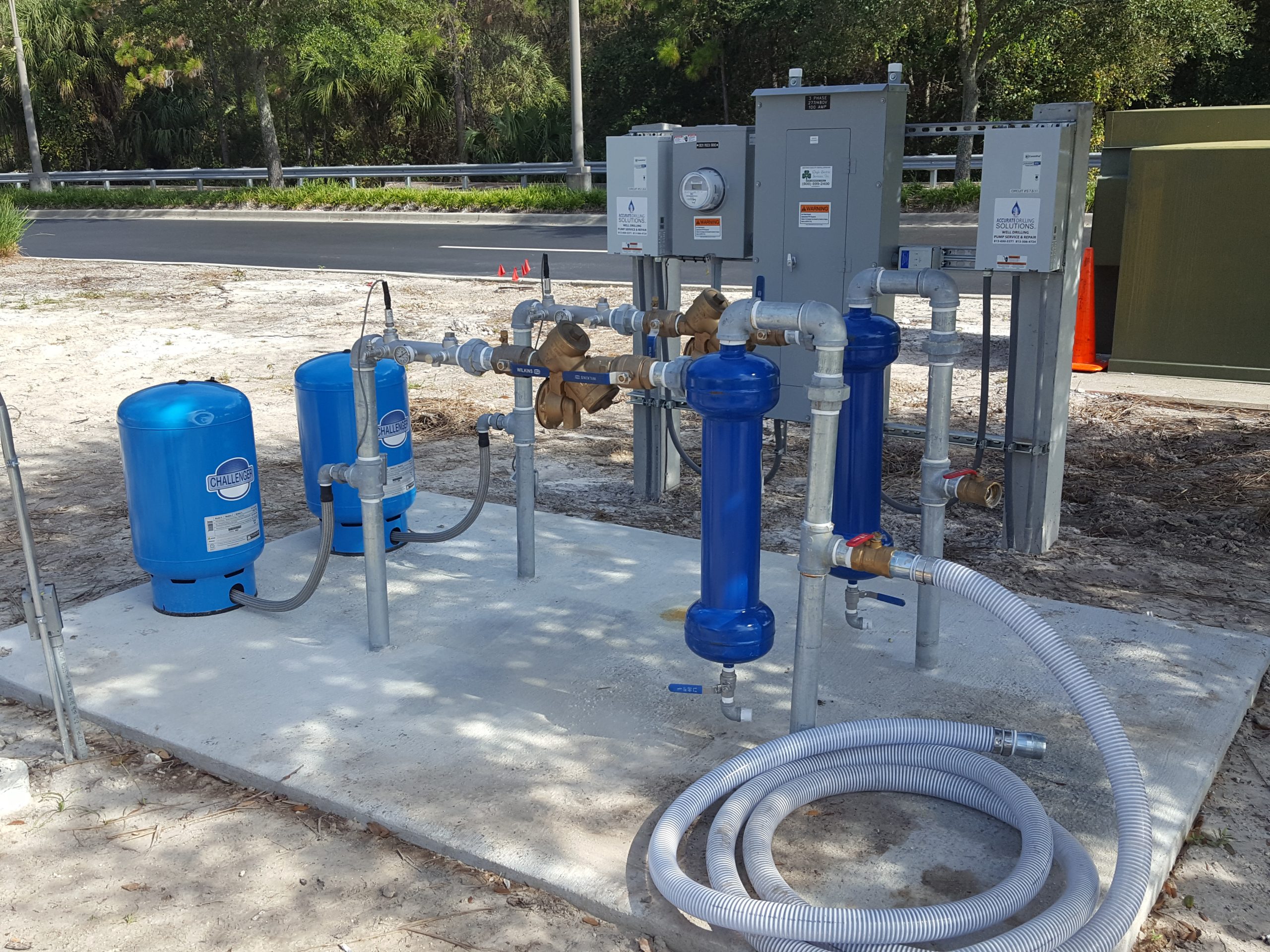
A practical numbered guide for Tampa commercial property owners, HOAs, and CDDs covering how to assess pump performance, schedule inspections, and keep Grundfos and other commercial pump systems running reliably year-round. Learn the key steps to stay ahead of failures before they happen.