
Old wells are easy to forget about. They get covered with overgrowth, buried under a patio slab, or simply labeled as someone else’s problem. But in Lakeland and across Polk County, an improperly closed well doesn’t just disappear — it creates real risk for your property, your neighbors, and the drinking water supply the region depends on. Well abandonment done wrong can leave you exposed to code violations, groundwater contamination liability, and even sinkholes.
The good news is that most of these problems are entirely avoidable. Knowing where property owners go wrong is the first step toward getting it right.
What “Well Abandonment” Actually Means in Florida
Well abandonment isn’t simply filling in a hole and walking away. In Florida, it refers to the formal, regulated process of permanently closing a well that is no longer in use. That means grouting the well bore from bottom to top with approved materials, removing or sealing the casing properly, and filing the required documentation with the state. Every step matters — and each one has a specific way it can go wrong.
Mistake #1: Skipping the Required Permits
Florida law requires a permit before a well can be plugged and abandoned. This applies whether the well is a domestic supply well, an irrigation well, or an old agricultural well sitting on land you recently purchased. Many Lakeland property owners assume a small or inactive well doesn’t require paperwork. That assumption can become expensive.
The Southwest Florida Water Management District (SWFWMD) oversees well permitting in Polk County. Operating without a permit — or abandoning a well without one — can result in fines and may require costly remediation. Before any work begins, confirm that Florida well abandonment permits are in place and that the contractor you hire pulls them on your behalf.
Mistake #2: Hiring Someone Without a Florida Well Contractor License
Well abandonment in Florida must be performed by a licensed water well contractor. This is not optional. An unlicensed person performing Polk County well plugging work creates a paper trail problem: the work cannot be legally documented, and the abandoned well may still be considered open under state records. That means the liability stays with the property owner.
Always verify that your contractor holds a current Florida Department of Environmental Protection (FDEP) water well contractor license. Reputable companies will provide this without hesitation.
Mistake #3: Using the Wrong Grouting Material for Florida Geology
Central Florida’s limestone aquifer system is not forgiving of shortcuts. The Floridan Aquifer — the deep freshwater source this region depends on — is separated from shallower, potentially contaminated groundwater by natural confining layers. When a well bore is left open or improperly grouted, those protective layers are bypassed. Contaminants from the surface can migrate directly into the aquifer.
Lakeland sits in an area where the limestone geology creates unpredictable void spaces and fractures. Standard fill material used in other states — sand, gravel, or even concrete — does not meet Florida’s grouting requirements. SWFWMD mandates the use of neat cement grout or bentonite-based materials placed continuously from the bottom of the well to the surface. Improper well decommissioning using unapproved materials is one of the most technically damaging mistakes a property owner can make.
Mistake #4: Ignoring Old Wells Found During Property Transactions
Polk County has a long agricultural and residential history. It is not unusual to discover abandoned or undocumented wells when purchasing older properties near the Lakeland area — sometimes buried under concrete, hidden in brush along fence lines, or sitting in the middle of a pasture. Many buyers and sellers treat these as cosmetic issues. They are not.
An old well that was never properly closed is still legally open. The current property owner carries responsibility for its status. During real estate transactions, having a professional assess any known or suspected wells is a smart step — and in some cases, it is required before closing. The well abandonment process should be completed before transfer of ownership when possible, not after.
Mistake #5: Confusing “Decommissioning” With Just Removing the Pump
Pulling the pump and capping the casing is not abandonment. It is a maintenance action. A well with the pump removed and the casing capped is still an active, open hole into the ground. If it is no longer needed, it needs to go through the full abandonment process — permits, grouting, and final documentation submitted to SWFWMD.
This misunderstanding is common, particularly with older irrigation wells that have been unused for years. The well may look inactive, but it remains a potential pathway for contamination until it is formally closed.
Mistake #6: Not Documenting the Abandonment Correctly
Even when the physical work is done properly, skipping the paperwork creates problems down the road. Florida requires a Well Completion Report (Form 1205) to be submitted after abandonment. Without it, state records still show the well as active. This can trigger complications during future property sales, permitting for new construction, or environmental compliance reviews.
A qualified contractor will handle this documentation as a standard part of the job. If yours doesn’t mention it, that’s a warning sign.
Mistake #7: Waiting Too Long to Address a Known Problem Well
Delay is one of the most common mistakes. A well that is cracked, deteriorating, or sitting in a flood-prone area — which is relevant throughout much of Polk County after heavy summer storm seasons — becomes a more serious hazard over time. Corroded casings, collapsed bores, and open wellheads that collect runoff all increase contamination risk with every passing season.
The team serving Lakeland at Accurate Drilling Solutions regularly encounters wells that were put off for years, only to require significantly more work to address safely. Acting when the problem is identified is almost always easier than waiting.
How to Avoid These Mistakes
The simplest way to avoid every mistake on this list is to work with a licensed, experienced well contractor who operates in Polk County and understands Florida’s specific regulatory environment. Proper well abandonment Lakeland Florida requires knowledge of SWFWMD rules, local geology, and accurate documentation procedures — not just the mechanical ability to fill a hole.
Before work begins, ask your contractor to confirm permit requirements, show their license, explain the grouting method they plan to use, and describe how the completion report will be filed. A contractor who can answer all of those questions clearly and specifically is one you can trust with the job.
Accurate Drilling Solutions has worked across Polk County and the wider Central Florida region for years. The company’s background in well drilling and decommissioning means the technical requirements — especially those specific to Florida’s limestone aquifer system — are handled correctly from start to finish. Learn more about well services available near the Lakeland area, or reach out directly to discuss a well on your property.
If you have a well that needs to be properly closed — or you’re not sure whether an old well on your property was ever abandoned correctly — contact Accurate Drilling Solutions at 813-643-6161. Getting it documented and done right protects your property and the water supply your community depends on.
Frequently Asked Questions
Do I need a permit to abandon a well in Polk County, Florida?
Yes. Florida law requires a permit from the Southwest Florida Water Management District before a well can be plugged and abandoned. The permit ensures the work is performed by a licensed contractor, that approved materials are used, and that a completion report is filed after the job is done. Skipping this step can result in fines and leave you legally responsible for an improperly closed well.
What happens if an old well on my property was never properly abandoned?
Under Florida law, an improperly closed or undocumented well is still considered active and open. That means the current property owner carries responsibility for it. It can create complications during real estate transactions, new construction permitting, and environmental compliance reviews. It also poses a genuine groundwater contamination risk if the well bore provides a pathway between surface water and the aquifer.
What materials are required for well grouting in Florida?
SWFWMD requires neat cement grout or approved bentonite-based materials for well abandonment grouting. These must be placed continuously from the bottom of the well to the surface — not just at the top. Florida’s limestone geology makes proper grouting especially important, because voids and fractures in the rock can allow contaminants to travel significant distances if the bore is not fully sealed.
Can I just cap a well I’m no longer using instead of abandoning it?
No. Capping a well or removing the pump does not satisfy Florida’s well abandonment requirements. A capped well is still a direct opening into the ground and can allow surface water, insects, and contaminants to enter the groundwater system. If a well is permanently out of service, it must go through the formal abandonment process — including permits, grouting, and documentation — to be considered legally closed.
How do I know if a well on a property I’m buying was properly abandoned?
You can check SWFWMD records for well completion or abandonment reports associated with the property address. However, older wells — especially those on agricultural or rural Polk County land — may predate documentation requirements or were never reported at all. A licensed well contractor can physically inspect the site and help determine whether any wells present were properly closed or need to be addressed before the sale is finalized.
How long does the well abandonment process typically take?
The timeline depends on permit processing, well depth, and site conditions. In most cases, once permits are approved, the physical work for a standard residential or irrigation well can be completed in a single day. The completion report is then submitted to SWFWMD to formally close the record. Your contractor should give you a clear timeline based on the specific well and site conditions at your property.
continue reading
Related Posts
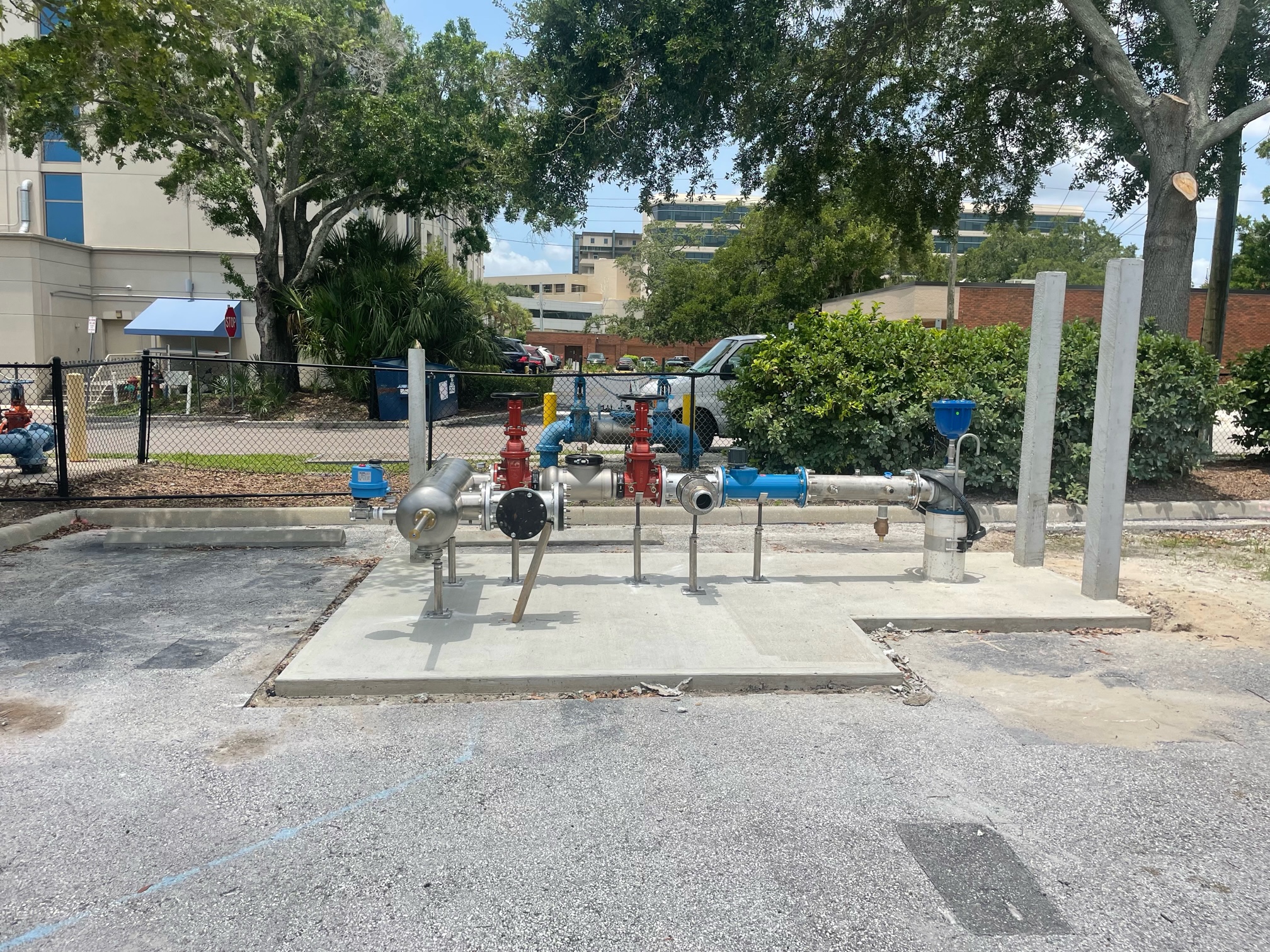
A practical, printable fall prep checklist for Hudson property owners and HOAs managing Pasco County irrigation wells. Covers pump performance, valve inspections, sand intrusion checks, pressure testing, and water quality steps specific to the region.
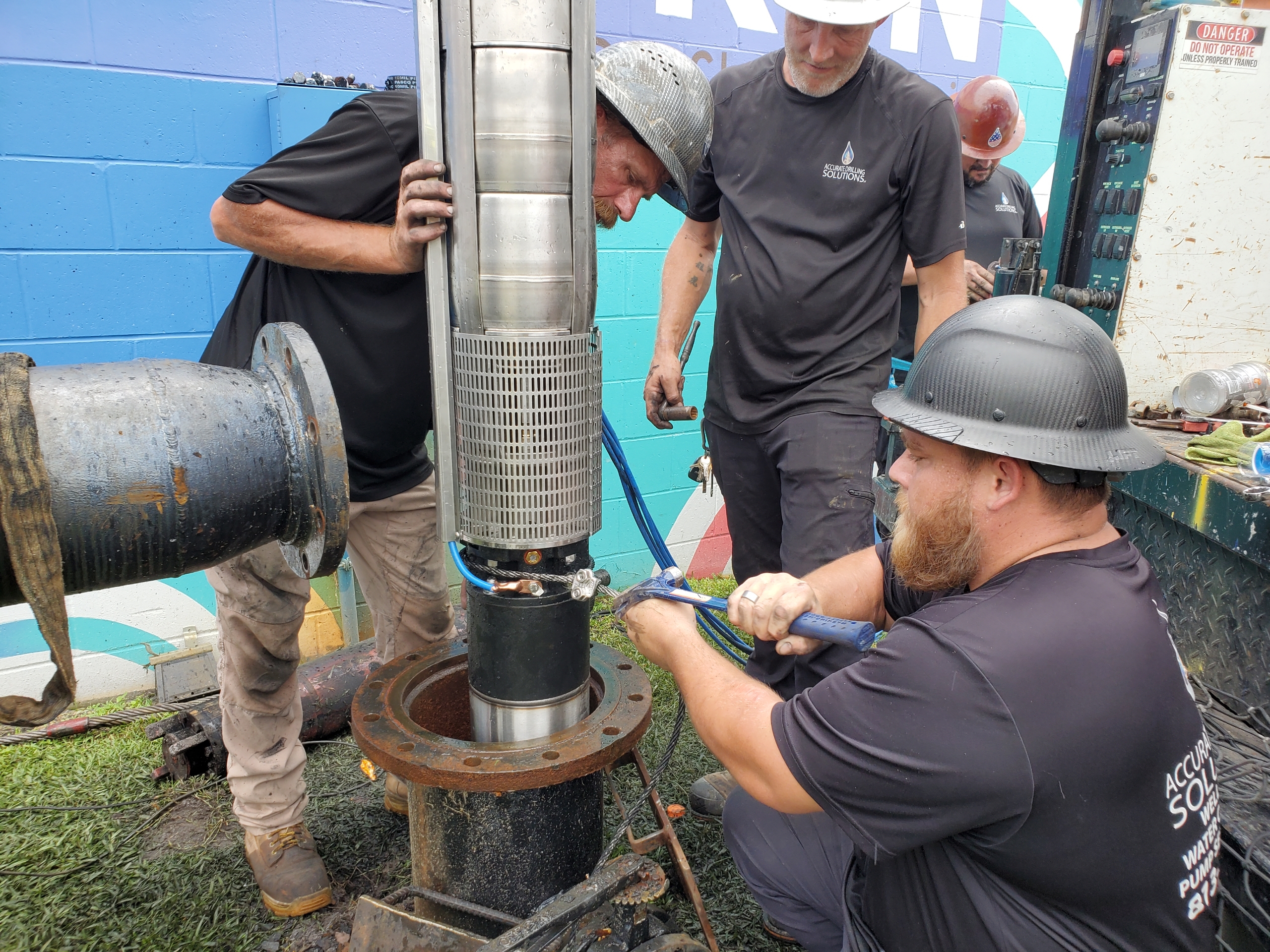
Florida's fall dry season puts serious demand on irrigation wells across Auburndale and Polk County. This printable step-by-step checklist helps property owners inspect pump pressure, check for sand intrusion, test water output, and confirm all system connections before seasonal dry patterns set in.

Bradenton homeowners who depend on private wells often make preventable mistakes that turn minor pump issues into costly failures. This article covers the most damaging missteps — from delaying summer repairs to ignoring sulfur water — and how to avoid them.