

Well pump problems rarely announce themselves at a convenient time. For Bradenton homeowners who depend on a private well, a failing pump can mean no water for showers, laundry, or irrigation — often during the hottest stretch of the year. The mistakes homeowners make when handling these situations can turn a manageable repair into a full system replacement. Understanding where things go wrong is the first step toward protecting your water supply.
Delaying Repairs During Peak Summer Demand
Manatee County summers push well systems hard. Irrigation runs longer, household water use climbs, and heat accelerates wear on pump components. When a pump starts showing early warning signs — low water pressure, sputtering faucets, or the pump cycling on and off more frequently than usual — many homeowners wait to see if the problem resolves on its own.
It rarely does. What starts as a worn pressure switch or a failing capacitor can progress into motor failure when the system is running under load every day. Scheduling a professional inspection at the first sign of trouble is far less disruptive than dealing with a complete pump failure in July. If you’re already noticing symptoms, the Bradenton well repair services page is a good place to start.
Treating DIY Submersible Pump Repairs as a Weekend Project
Submersible pumps sit hundreds of feet underground, submerged in water, and wired directly into your electrical system. The well pump DIY risks here are significant. Pulling a submersible pump without the right equipment — a proper safety rope, a pump puller, or a torque arrestor — can drop the pump into the casing. Recovering a dropped pump is a major job that could have been avoided entirely.
There is also a real electrical hazard. Submersible motors operate at high voltages, and water and electricity are a dangerous combination. Florida law requires licensed contractors for certain well work, and for good reason. Beyond safety, an improper repair can void equipment warranties, including those on premium systems like Grundfos pumps. What looks like a simple fix from the surface is rarely simple once you account for what’s actually happening underground.
What Homeowners Can Reasonably Check Themselves
There are a few things worth checking before calling a professional. Verify that the circuit breaker for the pump hasn’t tripped. Check that the pressure tank gauge is reading within its normal range. Look for any visible leaks around the pressure tank or at the wellhead. Beyond that, leave the diagnostics and hands-on work to a licensed well contractor. A professional water pump repair evaluation will identify root causes rather than just symptoms.
Ignoring Sulfur Water as an Early Warning Sign
That rotten egg smell coming from your tap isn’t just unpleasant — it can be an indicator of changing conditions in your aquifer or early pump wear allowing sediment and bacterial activity to increase. In parts of Bradenton and greater Manatee County, the Floridan aquifer naturally contains hydrogen sulfide. But if sulfur odor appears suddenly or intensifies, that change in water quality deserves attention.
Sulfur water pump damage is a real concern. Hydrogen sulfide is corrosive to pump components, including impellers, motor housings, and check valves. Homeowners who dismiss the smell as a quirk of Florida well water and take no action may find that corrosion has quietly shortened the life of their pump. A water quality test combined with a pump inspection can determine whether the issue is geological, bacterial, or equipment-related.
Skipping Routine Maintenance Between Problems
Most homeowners only think about their well pump when something goes wrong. That reactive approach misses the value of routine service. Annual inspections allow a technician to catch pressure tank pre-charge issues, worn wiring, and early bearing wear before any of those problems cause a system failure. A well maintenance agreement puts that schedule on autopilot so nothing gets overlooked year to year.
In Bradenton, hurricane season also adds a layer of urgency. Power surges and outages during storms can damage pump motors and control boxes. Having a technician inspect the system after a significant storm event — not just when water stops flowing — can catch storm-related damage early.
Overlooking Sand Intrusion as a Pump Killer
Florida’s sandy soils and limestone aquifer geology mean sand intrusion is a genuine risk for many wells across Manatee County. Sand passing through the pump wears down impellers, clogs check valves, and increases motor heat. Homeowners sometimes notice gritty water and assume it’s a water quality issue rather than a mechanical one.
Sand intrusion often points to a screen problem at the well base or a pump that has shifted out of position. Ignoring gritty water leads to accelerated submersible pump wear and, eventually, premature failure. A video inspection of the well casing can reveal exactly what’s happening below grade without guesswork.
Assuming All Well Contractors Have the Same Level of Expertise
Not all contractors who advertise well pump service have deep experience with submersible systems, aquifer conditions specific to this region, or the equipment to handle a full pump pull safely. Bradenton homeowners should ask whether a contractor is licensed in Florida, whether they’re familiar with Manatee County well permit requirements, and what equipment they use for submersible work.
Accurate Drilling Solutions has served the Tampa Bay area and Manatee County for years, working with HOAs, CDDs, and homeowners across the region. As a premier Grundfos pump dealer, the team brings both equipment knowledge and hands-on field experience to every job. You can learn more about the company’s background and approach on the About Accurate Drilling Solutions page.
Not Acting Before Hurricane Season Hits
Every spring, Bradenton homeowners have an opportunity to get ahead of hurricane season by scheduling a well pump inspection before June. Waiting until after a storm to discover the pump was already on its last legs leaves households without water when they need it most. Pre-season inspections are one of the most practical steps a well owner can take.
If your well pump is showing any of the signs mentioned above — reduced pressure, unusual noises, sulfur odor, or gritty water — don’t wait for a full failure. The Accurate Drilling Solutions team is ready to help. Call 813-643-6161 to schedule a professional evaluation at your Bradenton property.
Frequently Asked Questions
How do I know if my well pump is failing or if it’s a pressure tank issue?
The symptoms overlap, which is why a professional diagnosis matters. A failing pressure tank often causes the pump to short-cycle — turning on and off very rapidly. A failing pump typically shows as low or no water pressure with the pump running continuously. A licensed technician can test both components during the same visit and identify the actual source of the problem.
Is sulfur smell in well water always a pump problem?
Not always. Sulfur odor in Bradenton-area wells often originates from hydrogen sulfide naturally present in the Floridan aquifer. However, a sudden increase in odor or a change in water quality can indicate bacterial growth, a drop in water table, or corrosion inside the pump and piping. A water quality test and pump inspection together give the clearest picture of what’s happening.
Can sand in my well water damage the pump quickly?
Yes. Sand is abrasive, and submersible pump impellers are precision-engineered components. Even moderate sand intrusion can wear impellers down significantly over months of use, reducing pump output and generating excess heat in the motor. If you notice gritty water or sediment in your fixtures, arrange an inspection sooner rather than later to prevent accelerated wear.
What should I do to protect my well pump before a hurricane?
Schedule a pre-season inspection to confirm the pump, motor, pressure tank, and control box are all in sound condition. Make sure your breaker panel is clearly labeled so the pump circuit can be shut off quickly during a storm. After the storm, have a technician check for power surge damage to the motor and control components before returning the system to normal operation.
How long do submersible well pumps typically last in Florida?
Lifespan varies based on water quality, usage volume, and maintenance history. In Florida’s environment — with factors like mineral content, hydrogen sulfide, and sand — well pumps commonly last anywhere from 8 to 15 years. Regular maintenance, quality equipment, and prompt attention to early warning signs all contribute to longer service life. Systems that are never serviced tend to fall toward the lower end of that range.
Do I need a permit for well pump repair or replacement in Manatee County?
Manatee County follows Florida Department of Environmental Protection regulations for water well work. Certain activities, including new well construction and some repair work, require permits and must be performed by a licensed water well contractor. Your contractor should be familiar with current local requirements and handle permitting as part of the job. Always confirm licensure before authorizing any well work on your property.
continue reading
Related Posts
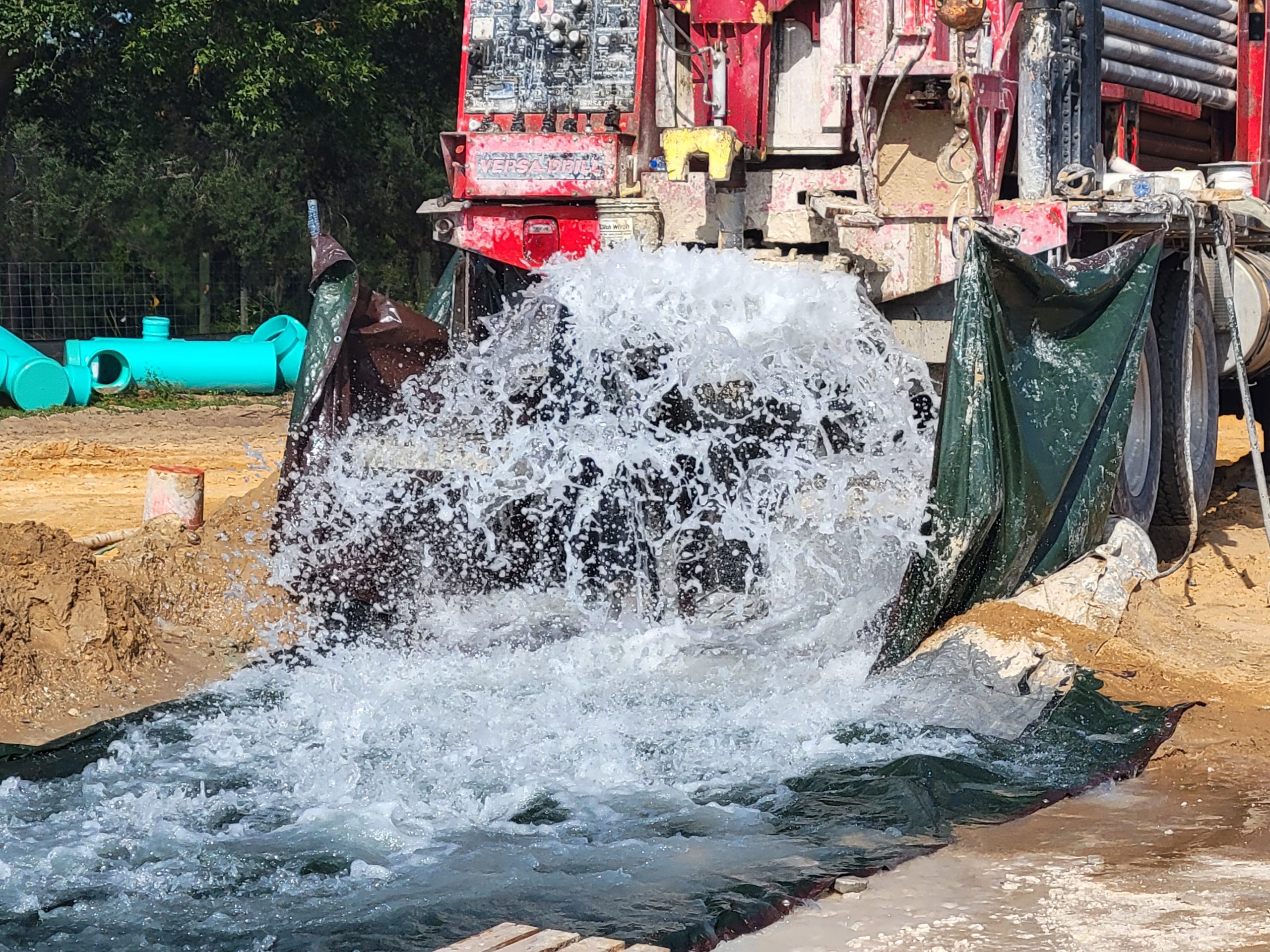
Plant City property owners rely on private wells that can show subtle warning signs long before a full failure occurs. This checklist covers the key indicators — from declining yield and sulfur odor changes to sediment increases and aging well structure — that signal it's time for a professional water well evaluation.

Bradenton well owners should know the early warning signs of a failing pump before a minor issue becomes a full system failure. This checklist covers pressure fluctuations, air in faucets, sand intrusion, unusual cycling, and other symptoms tied to Manatee County aquifer conditions. Catching these signs early can prevent costly emergencies.

Improperly closing an old well in Lakeland or Polk County can trigger permit violations, groundwater contamination liability, and complications during property sales. This article outlines the most common well abandonment mistakes and explains exactly how to avoid each one.