
If you own a private well in Hudson, you’ve probably wondered what’s actually happening down inside that casing. The water looks fine, the pressure seems okay — but wells age, and Florida’s coastal geology creates conditions that can quietly cause problems underground. A professional video well inspection gives you a clear look at what’s going on before small issues become expensive ones. Below are the questions Hudson and Pasco County well owners ask most often about this service.
What Is a Video Well Inspection and How Does It Work?
A downhole camera well inspection uses a waterproof camera mounted on a flexible cable. A technician lowers the camera into your well casing while recording live footage on a monitor at the surface. The camera captures the full interior of the casing — from the wellhead down to the pump and beyond. The process is non-invasive and typically takes less than an hour on a standard residential well.
The footage reveals what visual checks and water tests alone cannot. You see the physical condition of the casing, the pump, drop pipe, electrical connections, and the aquifer zone itself. That’s information you simply can’t get any other way.
What Problems Can the Camera Actually Find?
This is the question most Hudson well owners ask first, and the answer covers a wide range of issues.
Casing Damage and Corrosion
Florida’s older wells — many drilled in the 1970s and 1980s — often used steel casing that has been exposed to decades of groundwater chemistry. The camera can reveal rust, pitting, cracks, or sections where the casing wall has deteriorated. A cracked casing allows surface water, sediment, and contaminants to enter the well.
Sand and Sediment Intrusion
Sand intrusion is a well-known issue in Pasco County and the broader Gulf Coast area. When the screen at the bottom of the well develops a breach, fine sand enters the system. You might notice gritty water at the tap, accelerated pump wear, or reduced flow. The camera identifies exactly where the problem originates.
Biofouling and Mineral Buildup
Iron bacteria and mineral deposits from Florida’s limestone aquifers build up on casing walls and pump components over time. Heavy buildup restricts water flow and can affect water quality. A coastal well inspection in Hudson should always include a look for this kind of accumulation, which is common in this part of the state.
Pump and Drop Pipe Condition
The camera shows how the submersible pump and drop pipe are sitting inside the casing. Shifted pump position, worn cable insulation, or a drop pipe that’s pulling loose at a joint — these are things you’d never know about without a visual. Catching a failing drop pipe connection early can prevent a pump from dropping to the bottom of the well.
Grouting and Well Seal Issues
Florida requires wells to be properly grouted to prevent surface water from migrating down the outside of the casing. The camera can sometimes reveal voids or gaps near the top of the well where that seal has failed — a concern worth addressing given how much rain Hudson receives during hurricane season.
When Should Hudson Homeowners Schedule a Well Inspection?
There’s no single trigger. Many well owners schedule a Pasco County well inspection as part of a home purchase, especially on older properties. Others schedule one after noticing changes — a drop in pressure, gritty water, a sulfur smell, or discoloration. After major storm events, including hurricanes that can shift surface soils and affect wellhead integrity, an inspection makes good sense.
A general rule worth following: if your well is more than 10 years old and has never had a downhole camera inspection, you’re overdue. This is especially true for wells near Hudson’s coastal zones, where saltwater intrusion and fluctuating water table conditions add additional stress to older infrastructure.
Does a Video Inspection Replace Water Testing?
No — and this distinction matters. A camera inspection is a structural and mechanical evaluation. It tells you about the physical condition of the casing, the pump, and the aquifer connection. Water testing tells you about what’s in the water itself — bacteria, nitrates, minerals, and other parameters. The two services complement each other. A well can look physically sound and still have water quality issues, and vice versa.
For a complete picture of your well’s health, both types of assessment are worth doing, particularly before a real estate transaction or after a significant weather event.
What Happens After the Inspection?
After the camera is retrieved, the technician reviews the footage with you and walks through what was observed. If issues are found — casing damage, pump wear, sand intrusion — you’ll understand what they are and what options exist to address them. Not every finding requires immediate action; the goal is to give you accurate information so you can make an informed decision.
The team at Accurate Drilling Solutions handles everything from the initial inspection to pump repair or replacement if needed. That continuity matters — the same company that inspects the well understands the findings and can advise on the right next steps without any guesswork.
Is a Video Inspection Disruptive to Daily Water Use?
In most cases, no. The inspection process itself does not require the well to be taken offline for extended periods. Depending on what’s found and whether any follow-up work is needed, your water service may need to be briefly interrupted. Your technician will let you know before any work begins.
If you’d like to see examples of what inspection work looks like in the field, the work photo gallery gives you a good sense of the equipment and process involved.
How Do I Schedule One?
Scheduling a video well inspection in Hudson, Florida is straightforward. Accurate Drilling Solutions serves the full Pasco County area and surrounding communities. You can contact the team directly to set up a time that works with your schedule. If you have questions before booking, a call to 813-643-6161 connects you with someone who can answer them.
Frequently Asked Questions
How long does a video well inspection take?
Most residential well inspections in the Hudson area take between 45 minutes and two hours, depending on well depth and any findings that require closer review. Deeper wells or wells with significant buildup may take a bit longer. The process is non-invasive, and normal water use can typically resume the same day unless follow-up repairs are needed.
Can a video inspection detect saltwater intrusion?
A camera inspection can identify physical signs related to saltwater intrusion, such as casing corrosion patterns or damage to the well screen that may allow brackish water to enter. However, confirming actual saltwater intrusion in the aquifer requires water testing alongside the visual inspection. Hudson’s proximity to the Gulf coast makes this a legitimate concern for older wells in the area.
How often should I have my well inspected with a camera?
For most residential wells, a downhole camera inspection every five to seven years is a reasonable baseline. Wells older than 20 years, wells with a history of sand or sediment issues, or those that have experienced mechanical problems may warrant more frequent checks. After a major hurricane or significant storm event, an inspection is worth scheduling regardless of where you are in that cycle.
Will the inspection find out why my water smells like sulfur?
A video inspection can rule out or identify structural causes that may contribute to water quality issues, such as a compromised casing allowing organic material to enter. However, sulfur odor in Florida wells is often related to naturally occurring hydrogen sulfide in the Floridan Aquifer. A water quality test is the most direct way to diagnose and address a sulfur smell alongside a visual inspection.
Is a video inspection required when buying a home with a well in Pasco County?
Florida does not mandate a video well inspection for residential real estate transactions, but it is strongly advisable. A standard home inspection rarely includes a thorough evaluation of the well’s internal condition. Adding a downhole camera inspection to your due diligence process gives you a much clearer picture of what you’re purchasing and any well-related maintenance that may be needed.
What if the inspection reveals serious damage to the casing?
If the camera reveals significant casing damage, the technician will explain the extent and location of the problem and discuss the appropriate repair or replacement options. In some cases, casing repair or liner installation is possible. In others, drilling a new well may be the most practical solution. The findings from the inspection guide that conversation with accurate, documented information rather than guesswork.
continue reading
Related Posts
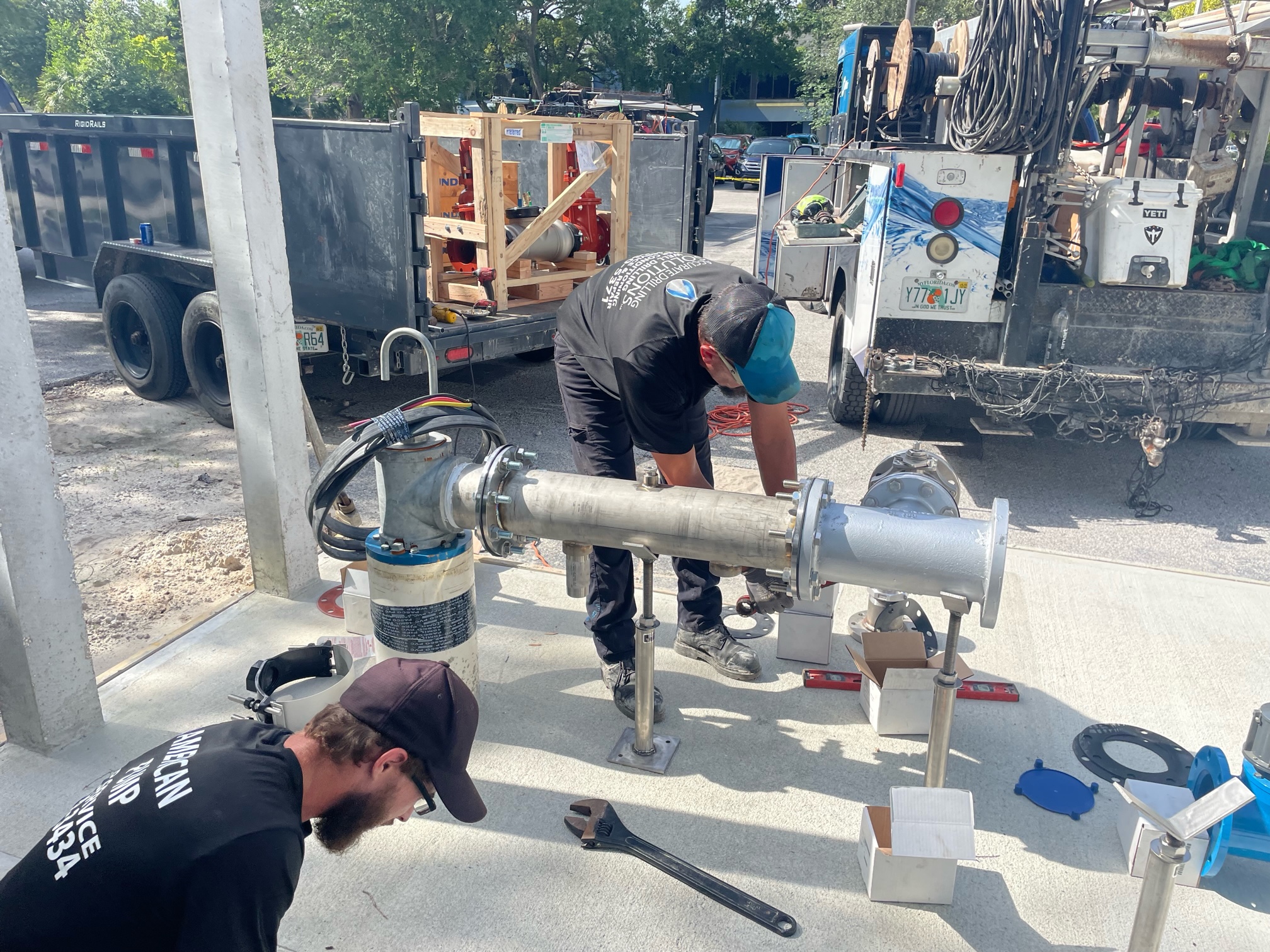
Well pump replacement in Pinellas Park depends on more than age alone. Learn how Florida groundwater conditions, pump type, water quality, and usage patterns affect how often your pump should be replaced or upgraded.
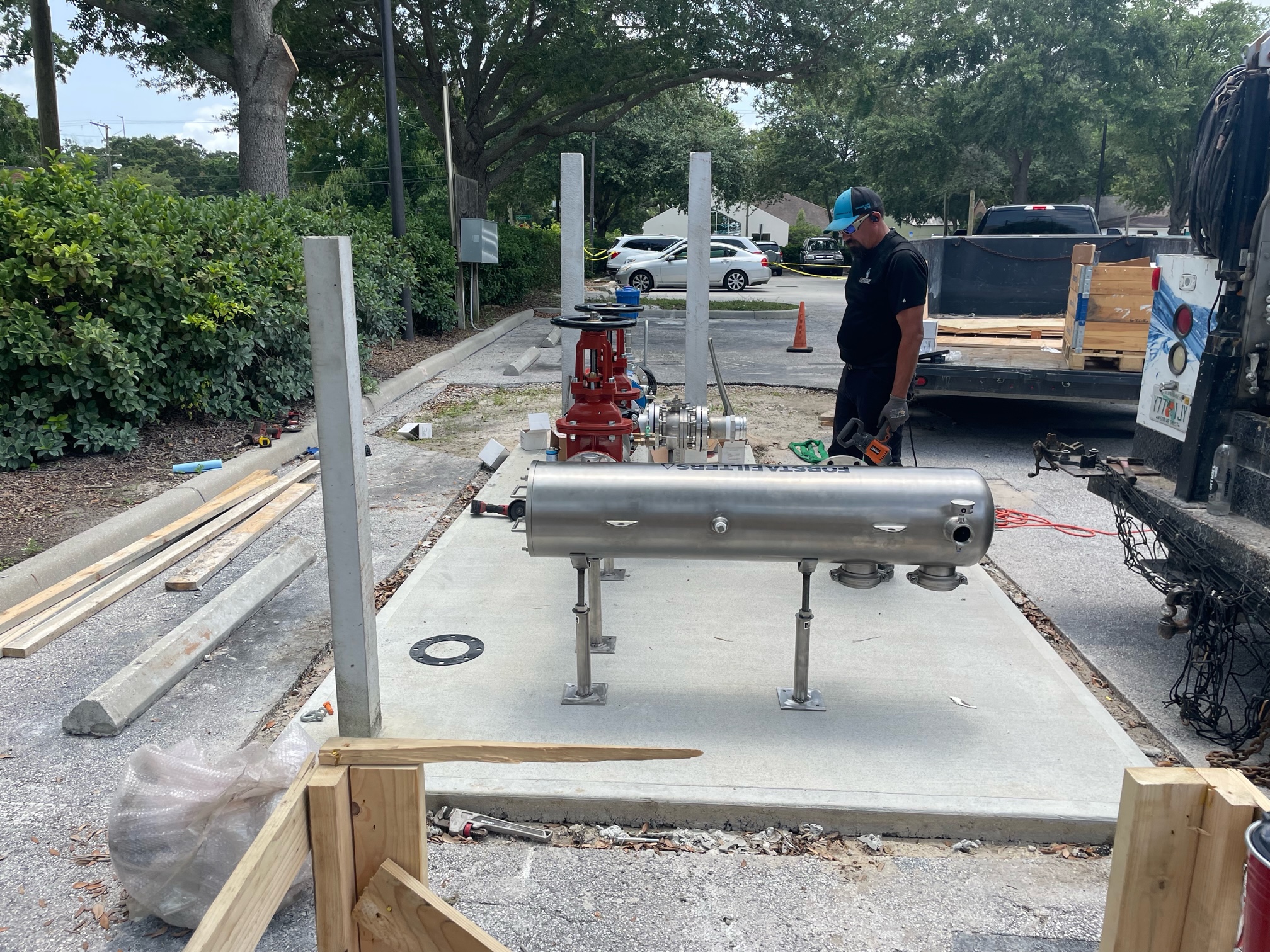
Mulberry and Polk County homeowners have specific questions about well pump repair — from sulfur water corrosion to pressure tank failure and what happens during a service call. This FAQ-style guide answers the most common ones with practical, locally relevant detail.
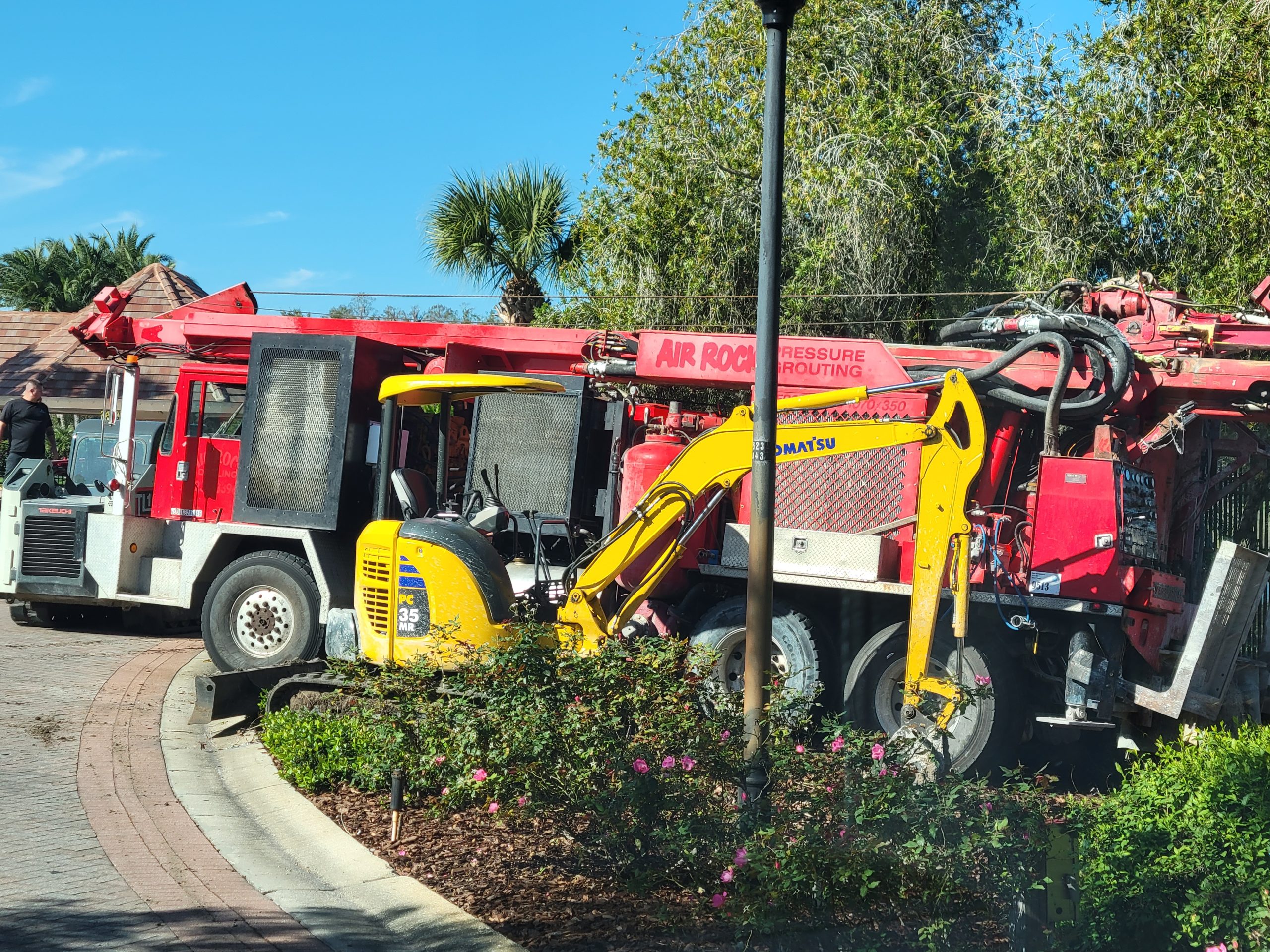
Parrish and Manatee County's rapid shift from agricultural land to residential development has left behind a legacy of shallow, unmaintained wells that present distinct abandonment challenges. Local limestone conditions, loose soils, and incomplete permit records make proper well decommissioning here more complex than in other parts of the Tampa Bay region. Understanding what sets Parrish apart is the first step toward addressing it correctly.