

If your home in Brooksville depends on a private well, a failing pump isn’t just an inconvenience — it can leave you without water entirely. Well pump repair questions come up constantly among Hernando County homeowners, and for good reason. The local geology, mineral content, and Florida’s seasonal weather patterns all create conditions that accelerate pump wear. This guide answers the questions well owners here ask most often.
How Do You Know Your Well Pump Is Failing?
Pump failure rarely happens all at once. Most of the time, it announces itself gradually through a handful of recognizable symptoms. Knowing what to watch for gives you time to act before you lose water completely.
Low Water Pressure That Wasn’t There Before
Low water pressure from a well is one of the most common complaints in Hernando County. If your showers feel weak, your irrigation system underperforms, or your faucets sputter, the pump may no longer be delivering water at the pressure your system requires. A worn impeller, a failing motor, or a waterlogged pressure tank can all cause this. Don’t assume it’s just a minor annoyance — low water pressure in a well system usually signals something that will get worse without attention.
Pump Cycles On and Off Constantly
This is called short cycling, and it puts serious stress on your pump motor. If you hear your pump clicking on and off every few seconds or minutes, your pressure tank bladder may have failed. A healthy pressure tank stores water under pressure so the pump doesn’t have to run continuously. When the tank loses its air charge, the pump works overtime and burns out faster.
No Water at All
A complete loss of water points to a pump that has stopped working, a tripped breaker, a broken wire, or a burned-out motor. Before calling for service, check your breaker panel — a tripped breaker is an easy fix. If the breaker is fine and you still have no water, it’s time to call a professional.
Muddy, Gritty, or Discolored Water
Sand or sediment coming through your taps can mean the pump screen is damaged, the well casing has cracked, or the pump has dropped to a depth where it’s pulling in fine particles from the aquifer. In Brooksville’s karst limestone terrain, shifts in the aquifer layer can expose pumps to sand and debris they weren’t designed to handle.
Why Florida’s Limestone Aquifer Creates Unique Pump Challenges
Brooksville sits in an area underlain by the Floridan Aquifer System — one of the most productive aquifer systems in the world, but also one that creates specific challenges for well pumps. The limestone geology means water travels through porous rock, picking up minerals along the way.
Mineral Buildup on Pump Components
Calcium and magnesium deposits can accumulate on pump impellers and motor components over time. This buildup reduces flow efficiency and forces the motor to work harder. In some parts of Hernando County, the mineral load in groundwater is high enough to noticeably shorten pump service life if maintenance is skipped.
Hydrogen Sulfide and Sulfur Water
The rotten-egg smell that some Brooksville homeowners notice is hydrogen sulfide gas, which occurs naturally in Florida groundwater. Beyond the odor, sulfur-laden water can corrode pump components and wiring over time. If you notice this smell alongside changes in water pressure or pump behavior, it’s worth having the system evaluated.
Sand Intrusion from Aquifer Shifts
Florida’s karst landscape means underground conditions can shift. Aquifer drawdown during dry seasons — which Hernando County experiences regularly — can expose pump intakes to fine sand and sediment. Sand intrusion wears down pump impellers quickly and can cause a pump that was working fine to fail within a single season.
Understanding these Florida well pump problems specific to the Brooksville area is part of what separates a generalist plumber from a trained well drilling professional. The equipment choices and repair strategies differ depending on what the local aquifer is doing.
What Does Well Pump Repair Actually Involve?
Homeowners often aren’t sure what to expect when a technician arrives. The process is more involved than most people realize, particularly for submersible pumps installed deep in the well casing.
Diagnosis First
A proper diagnosis includes checking system pressure, testing the electrical components, inspecting the pressure tank, and sometimes pulling the pump from the well to examine it directly. Rushing past diagnosis leads to misidentified problems and repairs that don’t solve the underlying issue.
Pump Pulling and Inspection
Submersible pumps are installed hundreds of feet underground in most Hernando County wells. Pulling the pump requires specialized equipment — it’s not a job that can be done with a ladder and a pair of gloves. Once the pump is out, a technician can evaluate the motor, impellers, wiring, and discharge pipe for wear, corrosion, or damage.
Repair or Replacement Decision
Not every pump issue requires full replacement. Sometimes a capacitor, pressure switch, or control box is the culprit, and the fix is straightforward. Other times, the motor or pump end has failed completely and replacement is the smarter call. The right answer depends on the pump’s age, condition, and the specific failure. The team at Accurate Drilling Solutions works through this evaluation systematically before recommending a course of action.
Can Regular Maintenance Prevent Pump Failures?
Yes — and it’s one of the most cost-effective things a Brooksville well owner can do. Scheduled inspections catch early signs of wear before they become full failures. A technician can check pressure tank pre-charge, test electrical components, measure pump output, and inspect water quality. Some homeowners also benefit from video well inspections that let technicians see conditions inside the casing without pulling the pump.
Maintenance matters even more in Florida, where high humidity, corrosive groundwater chemistry, and seasonal fluctuations put systems under stress year-round. If it’s been several years since anyone looked at your well system, that’s worth addressing sooner rather than later.
When Should You Call a Professional Immediately?
Some situations call for same-day service rather than waiting to schedule a routine appointment. Call right away if you have no water at all, if your pump is making loud grinding or clicking sounds, if you see sparking or smell burning near your electrical panel or pressure tank, or if your water suddenly turns brown or has a strong chemical odor. These are signs of failures that can worsen quickly or indicate a safety concern.
For Hernando County well owners, Accurate Drilling Solutions provides professional well pump repair and diagnostic services across the region. The company is also a premier Grundfos pump dealer, meaning pump replacements use equipment known for durability in demanding Florida aquifer conditions.
Frequently Asked Questions
What causes low water pressure in a well system?
Low water pressure from a well can result from several issues: a failing pump motor, worn impellers, a waterlogged pressure tank, a clogged well screen, or even a drop in the water table during dry periods. In Hernando County, seasonal aquifer drawdown contributes to pressure drops in some wells. A pressure test and pump evaluation will identify the specific cause so the right repair can be made.
How long do well pumps typically last in Florida?
Submersible well pumps generally last between 8 and 15 years, but Florida’s groundwater conditions — including mineral content, sulfur, and sand — can shorten that range. Pumps that run frequently, are undersized for the demand, or go years without inspection tend to fail earlier. Regular maintenance and correct initial sizing are the two biggest factors in extending pump life.
Does the limestone aquifer in Brooksville affect pump performance?
Yes. The Floridan Aquifer System delivers water that’s naturally high in dissolved minerals, which can accumulate on pump components and reduce efficiency over time. Aquifer shifts during dry seasons can also introduce sand into the well, accelerating wear on impeller stages. Pumps installed in limestone aquifer areas benefit from periodic inspection and, in some cases, sediment filtration at the pump intake.
Can a well pump be repaired, or does it always need to be replaced?
Not every pump failure requires full replacement. Electrical components like capacitors, control boxes, and pressure switches are common failure points that can be repaired or swapped without pulling the pump or replacing the motor. However, if the motor has burned out or the pump end is heavily worn, replacement is usually more reliable than repair. A diagnostic evaluation determines which path makes sense.
What should I do if I suddenly have no water from my well?
First, check your electrical panel for a tripped breaker — this is a simple fix and sometimes the entire problem. If the breaker is fine, check whether your pressure tank gauge reads zero or very low. If both of those check out and you still have no water, the pump motor has likely failed or a wire has broken underground. At that point, contact a licensed well pump technician for a same-day evaluation.
How do I know if my pressure tank needs to be replaced?
A waterlogged pressure tank — one that has lost its internal air charge — causes short cycling, where the pump kicks on and off repeatedly in short bursts. You may also notice pressure that spikes and drops sharply rather than holding steady. Tapping the tank can help: a healthy tank sounds hollow in the upper portion. A technician can check the pre-charge pressure directly to confirm whether replacement is needed.
continue reading
Related Posts

Hudson and Pasco County well owners have a lot of questions about video well inspections — what the camera finds, how the process works, and when to schedule one. This FAQ covers the most common questions specific to older coastal-area wells in this part of Florida.
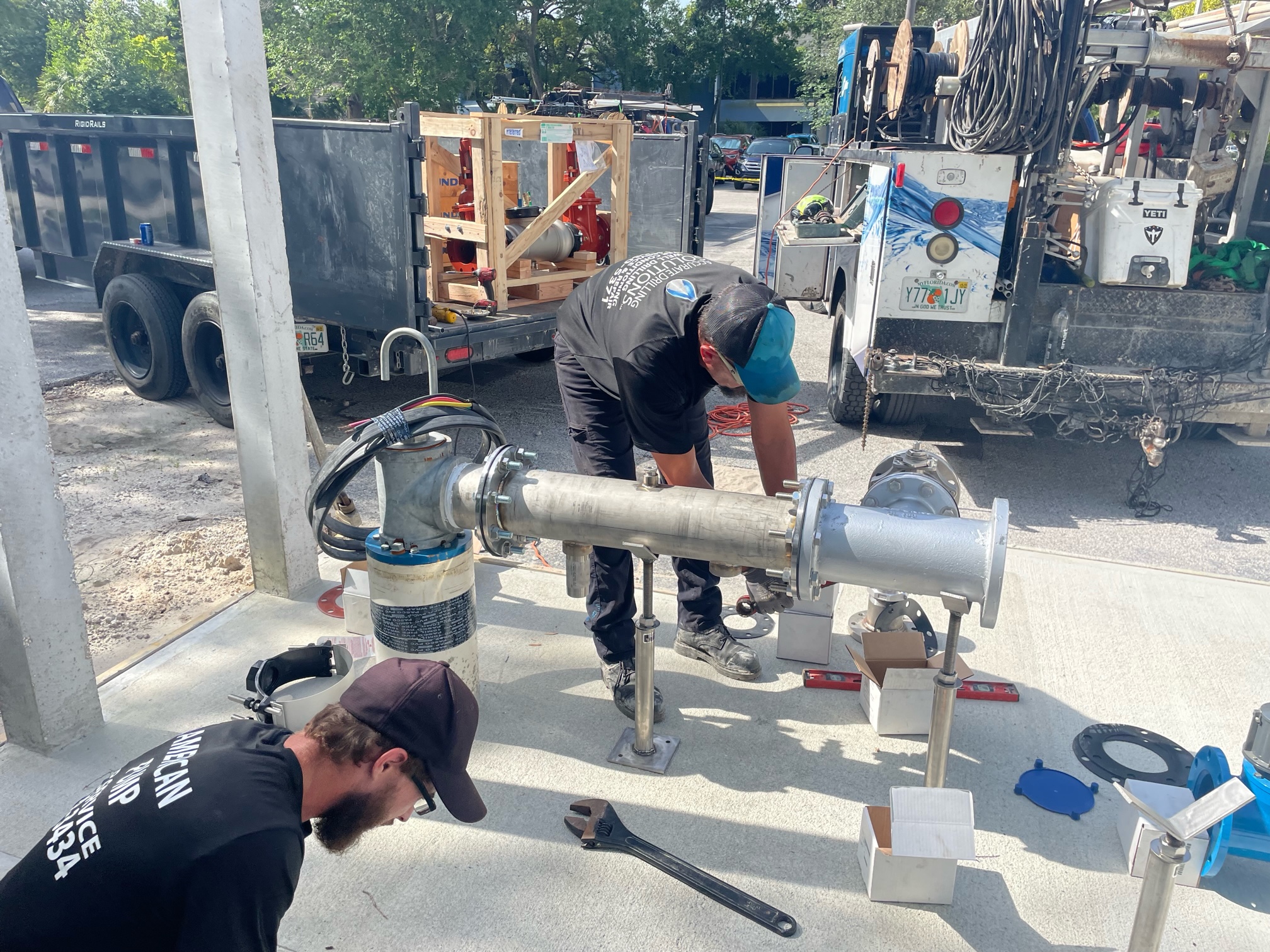
Well pump replacement in Pinellas Park depends on more than age alone. Learn how Florida groundwater conditions, pump type, water quality, and usage patterns affect how often your pump should be replaced or upgraded.
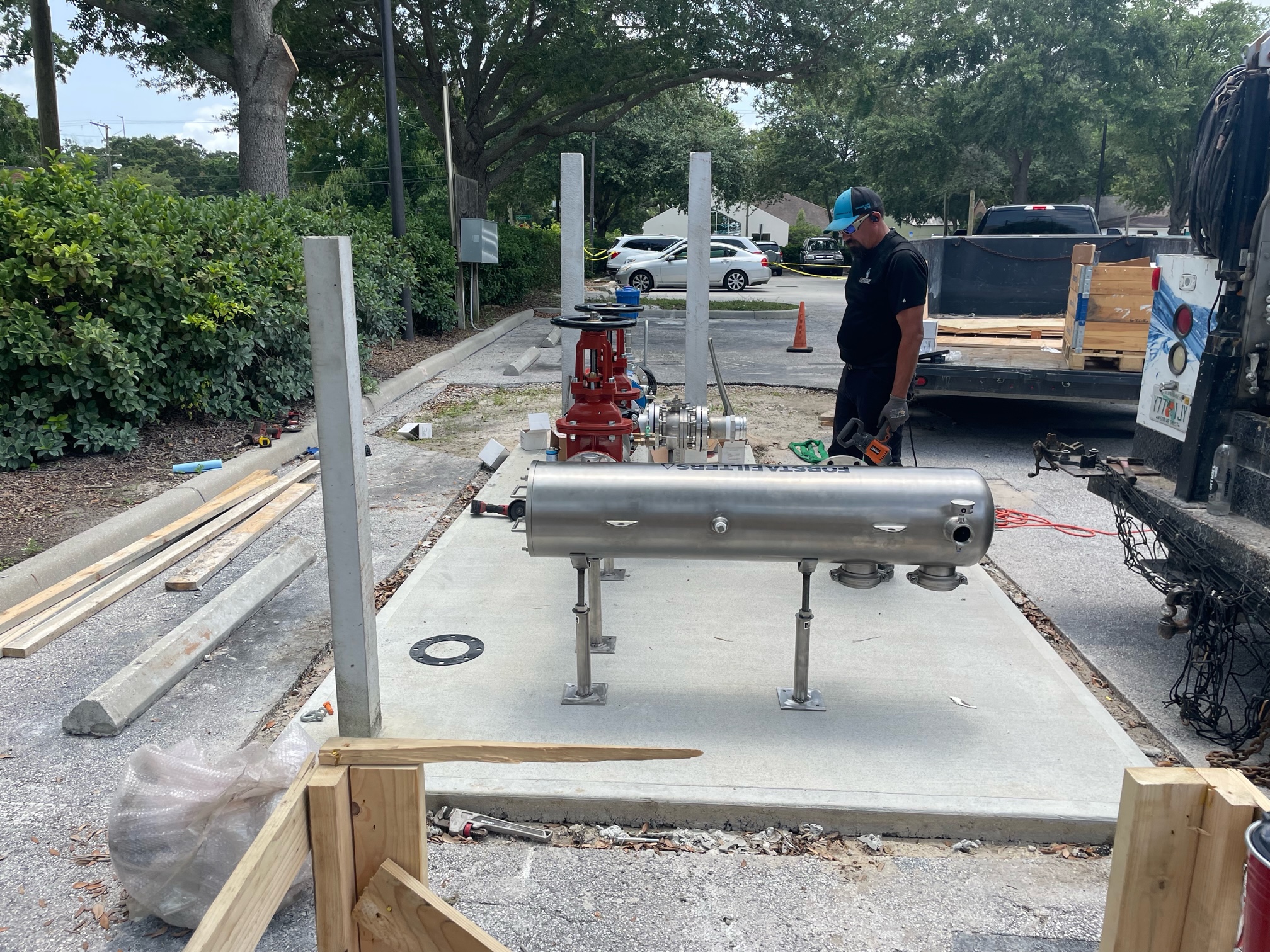
Mulberry and Polk County homeowners have specific questions about well pump repair — from sulfur water corrosion to pressure tank failure and what happens during a service call. This FAQ-style guide answers the most common ones with practical, locally relevant detail.