The Benefits of Agricultural Water Well Drilling
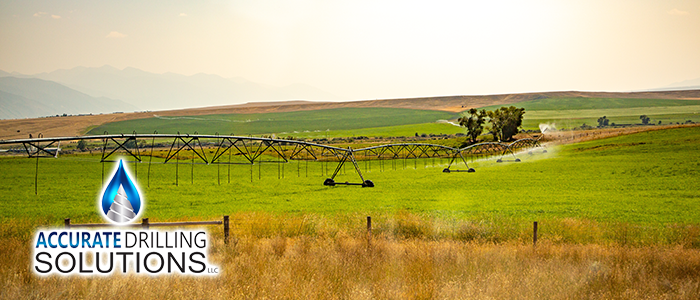
Water well drilling for agriculture is a process that allows farmers to drill down into the ground and extract groundwater. This can be done to provide drinking water for livestock, or it can be used as a source of irrigation for crops. An agricultural water well is especially beneficial in areas where there is little rainfall or surface water available, such as deserts. In these cases, groundwater may be all that stands between survival and failure for your farm business!
Benefits of Water Well Drilling for Agriculture
Water wells are a great way to control the water supply in your field. This can be especially helpful if you have unpredictable rainfall or live in an area where there is not enough rainfall to support crops.
Water wells also help increase crop yield, which means more money for farmers! When it comes to irrigating crops, municipal water sources are often too expensive for farmers who want their fields well-watered but don’t have access to municipal water lines. Having a well drilled will save these farmers money on irrigation costs by allowing them more control over how much water goes into each field at any given time (and thus saving money).
The benefits of water well drilling for agriculture are numerous, but it’s important to understand how they can be realized in real-world applications. For example, here’s a common story that could be you!
A farmer in Kansas had been struggling with low yields on his crops for years. He tried all kinds of different strategies, but nothing seemed to work until he drilled a new well on his property. From there, he began using an irrigation system that used mineral rich groundwater straight from his property as its source. With this boon and a new, fresh source (not the nasty mess from the pipes), he was able to improve his yield and cut costs as well!
Challenges and Concerns
There are a number of potential environmental impacts that can occur during the drilling process, including:
- Drilling fluid spills or leaks into surface waters.
- The introduction of contaminants into groundwater systems.
- Groundwater contamination from chemicals used in drilling operations (e.g., diesel fuel).
Our company’s trained and experienced operators will take every precaution to avoid these issues, but if they do occur, we will take immediate action to remediate any damage caused and restore your land back to its original state as quickly as possible. We also offer a variety of services that can help mitigate these issues before they start–for example, we can provide you with recommendations for how much water should be used during each step so that you don’t overuse resources or cause unnecessary waste!
Conclusion for Agricultural Water Well Drilling
If you are an agricultural business looking to drill a water well, we can help. Our team of experts has been providing this service for years, and we have the knowledge and experience necessary to get the job done right. We understand that each project is unique, so we’ll work with you closely throughout every step of the process. We’ll even provide recommendations on what type of well would be best suited for your property based on its location and other factors like soil composition and depth requirements.
Our goal is always to provide our clients with high-quality products at affordable prices–and we’re confident that our services will meet those standards every time!
continue reading
Related Posts
Scheduling a commercial pump system service in Spring Hill doesn't have to be a mystery. This guide walks property managers and business owners through every phase of the service visit — from initial site assessment and diagnostics to post-service testing and documentation.

Pinellas Park homeowners on well water face local conditions that directly affect how often their pump needs professional attention. This guide covers the recommended well pump service frequency and the key factors — sand intrusion, mineral content, pump age, and water demand — that can shorten or extend that schedule.

Brooksville homeowners with private wells often face well pump problems tied to Florida's limestone aquifer, mineral-rich groundwater, and seasonal water table changes. This guide answers the most common well pump repair questions — from spotting early warning signs to understanding what the repair process involves.