
Well Pump Failure For Homeowners
If you’re wondering why you’re suffering from well pump failure, there are a few things that could have caused the problem. Homeowners can do their own diagnosis to find out what went wrong with a well pump, but we recommend calling in professionals because they know how to fix these issues most effectively.
Equipment Problems
Many different pieces of equipment can malfunction and cause a well pump to stop working. If one part fails, it could affect the entire system.
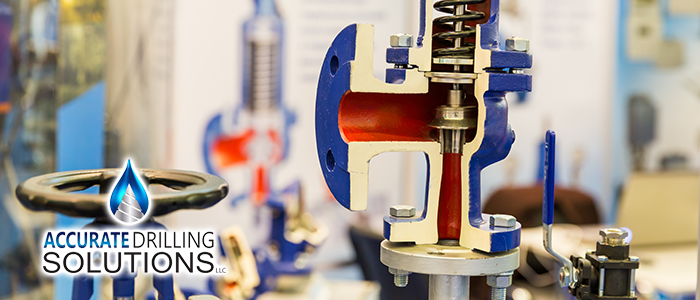
Modern drilled well systems consist of a submersible pump, check valve (and an additional one every 100 feet), pitless adaptor, well cap, electrical wiring including a control box, and pressure switch. The system also has additional fittings and cut-off switches for protection, but these are the most basic parts.
Groundwater Problems and Well Depletion
If you have running water first thing in the morning and it seems to fade throughout the day, only coming back when you return home from work, this could be a sign that your well is being depleted. For a pump system to function properly—and for groundwater levels not to drop too far below what’s needed by drinking-water wells—the aquifer needs replenishing at about the same rate as water is pumped out of it
Water availability can vary from year to year, but if your well is drilled deep enough, you shouldn’t have a problem with water loss. A typical well in Florida needs to go at least 200 feet down, to the bedrock of the aquifer. If a well is drilled only until it hits water and no further, the aquifer will supply less reliable water. At Accurate Drilling, our wells are always drilled until they hit bedrock, ensuring that you have an abundant source of clean drinking water in your home or business.
Wear and Tear on Your Well Pump
Submersible pumps that are properly constructed and installed usually last from 7–14 years. However, the life of a pump can be shorter if it is placed in an unsuitable well. For example, one made only out of PVC pipe instead of being encased in steel or another material with greater durability. PVC pipe is easily damaged, and because it’s not encased in steel, it can degrade quickly. If the water has high sediment content (sand, minerals etc), the well pump will wear out faster than normal.
Any impact to your well, such as hitting it with a car or truck, can cause the pump inside to fail prematurely and lose pressure. In order to prevent this from happening, we recommend regular preventative maintenance on your well.
Diagnosing a Failure
If you’re not sure what caused your well pump system failure, we have a few steps to help diagnose the problem.
1) Checking the Power Supply
If your well pump stops working after a thunderstorm, check the circuit breaker connected to it and see if there is a short in the system. If you determine that lightning struck your well during severe weather, turn off power at the main panel, or remove the fuse.
2) Observe the Tank Pressure
Check the pressure gauge on your water tank, as well as any valves there may be. If you don’t see a reading of between 30-50 psi or 40-60 psi (depending on what kind of pressure system you have), it could mean that either your electrical pressure switch is broken. In that case, finding a quality team like our own is your best bet for a solution.
continue reading
Related Posts
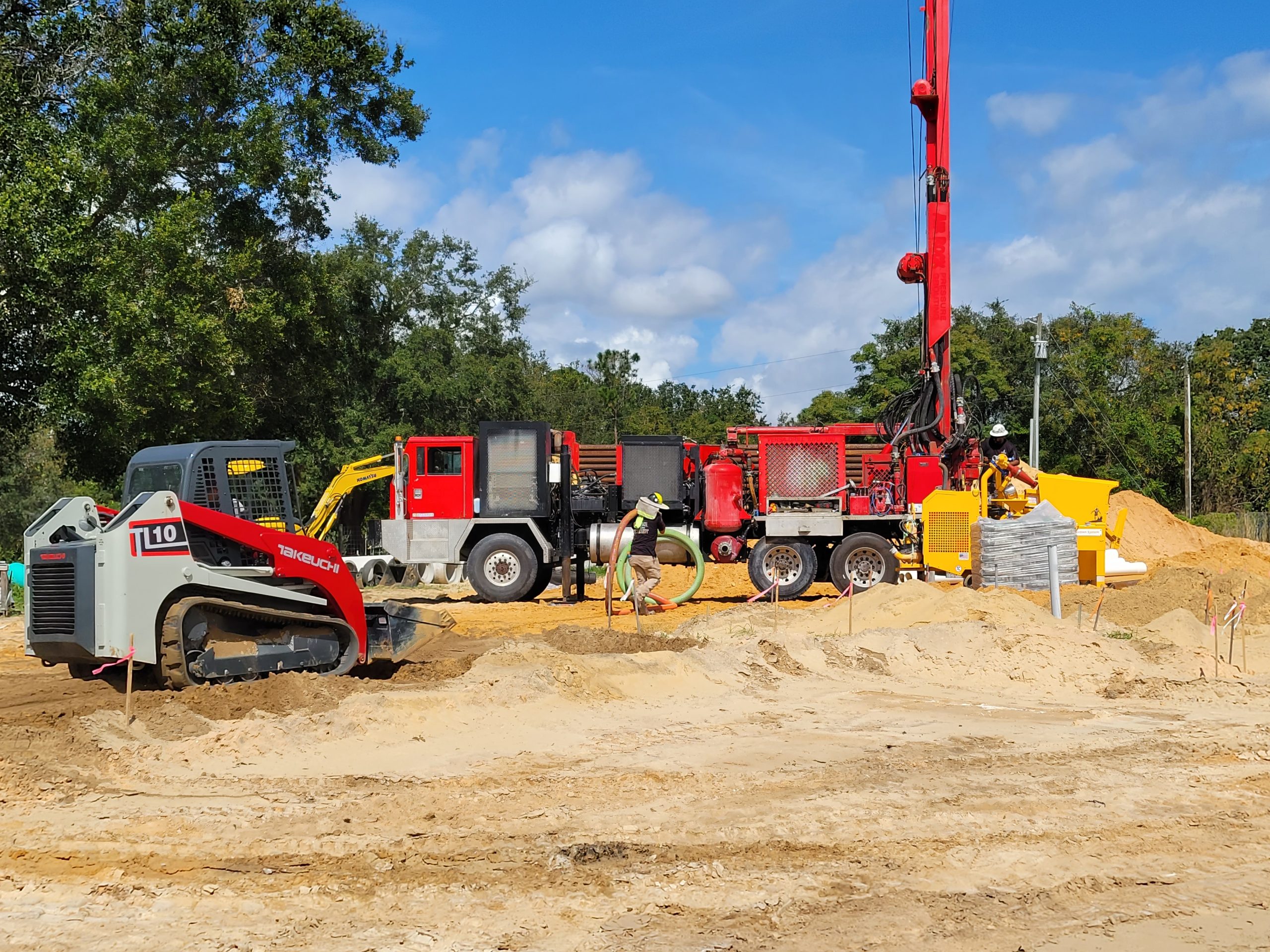
Fall is one of the most strategic times for well pump installation in Ridge Manor, FL. This article explains how hurricane season wind-down, Hernando County limestone aquifer cycles, and contractor scheduling patterns all point to October and November as the smart window to act.
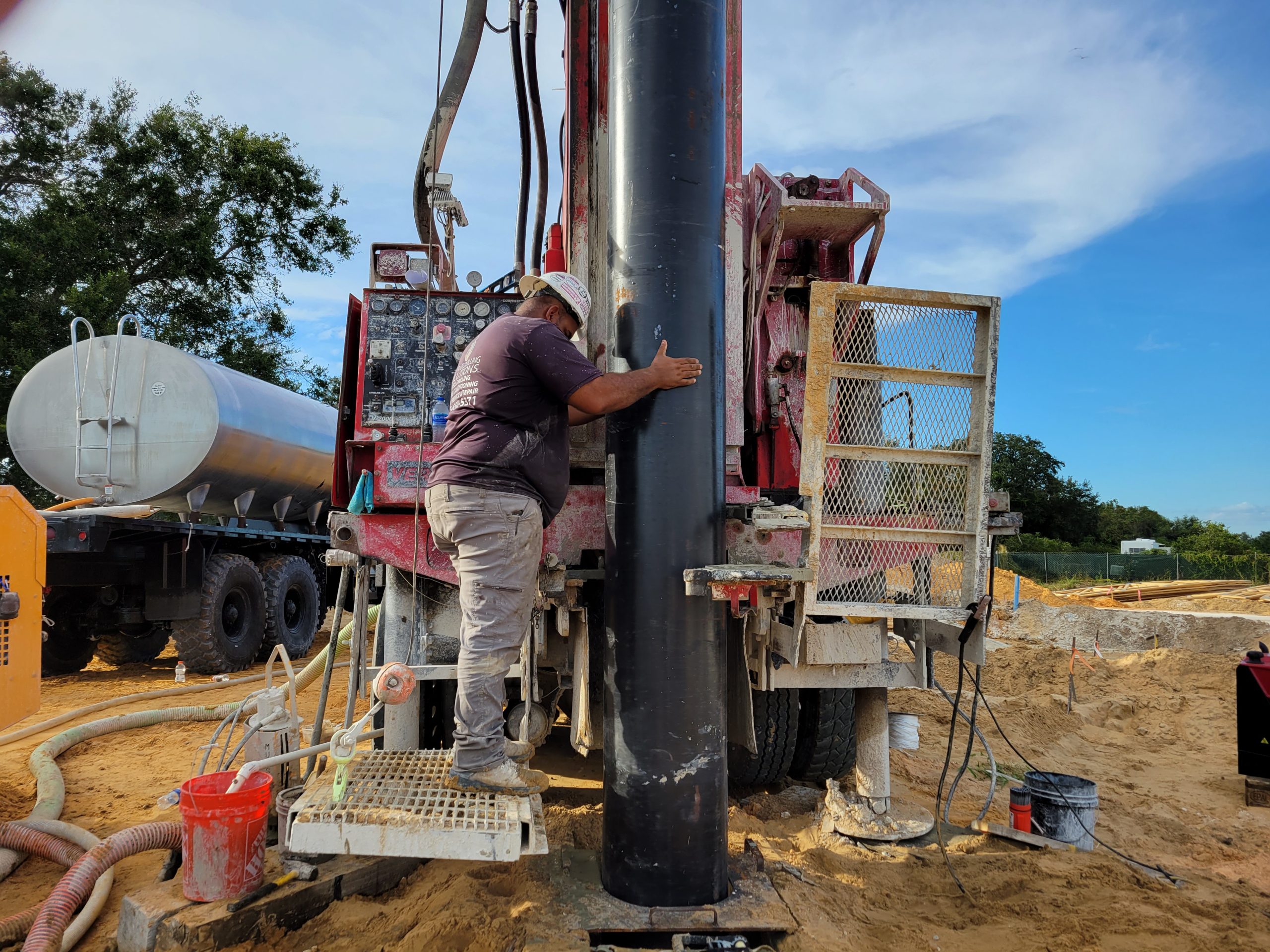
August in Brooksville combines peak household water demand, hurricane season risks, and Florida aquifer pressure fluctuations — making it one of the most demanding periods for private well systems. This article explains what is happening underground right now and what Hernando County homeowners should do to protect their water supply before a problem develops.
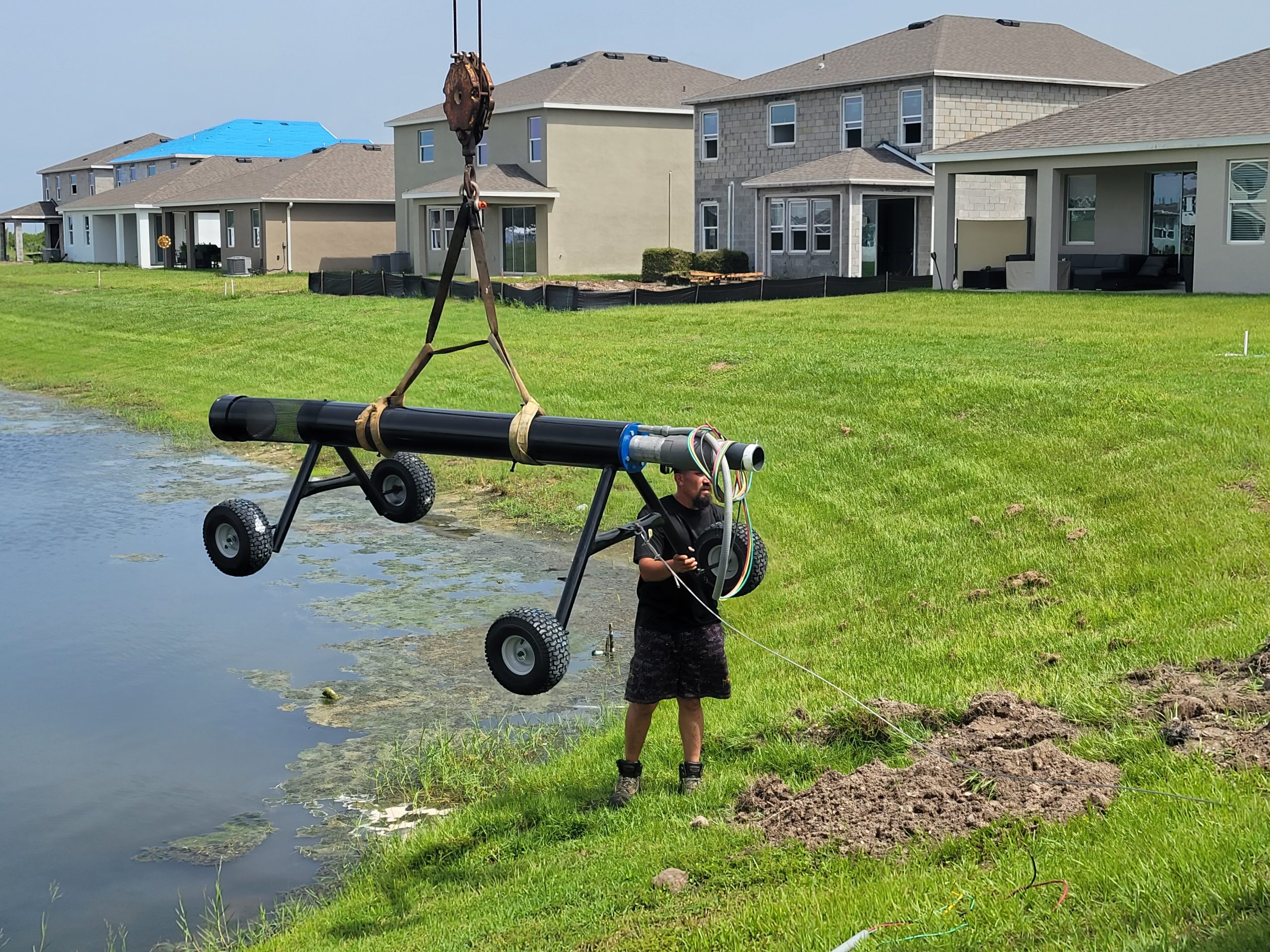
Scheduling a commercial pump system service in Spring Hill doesn't have to be a mystery. This guide walks property managers and business owners through every phase of the service visit — from initial site assessment and diagnostics to post-service testing and documentation.