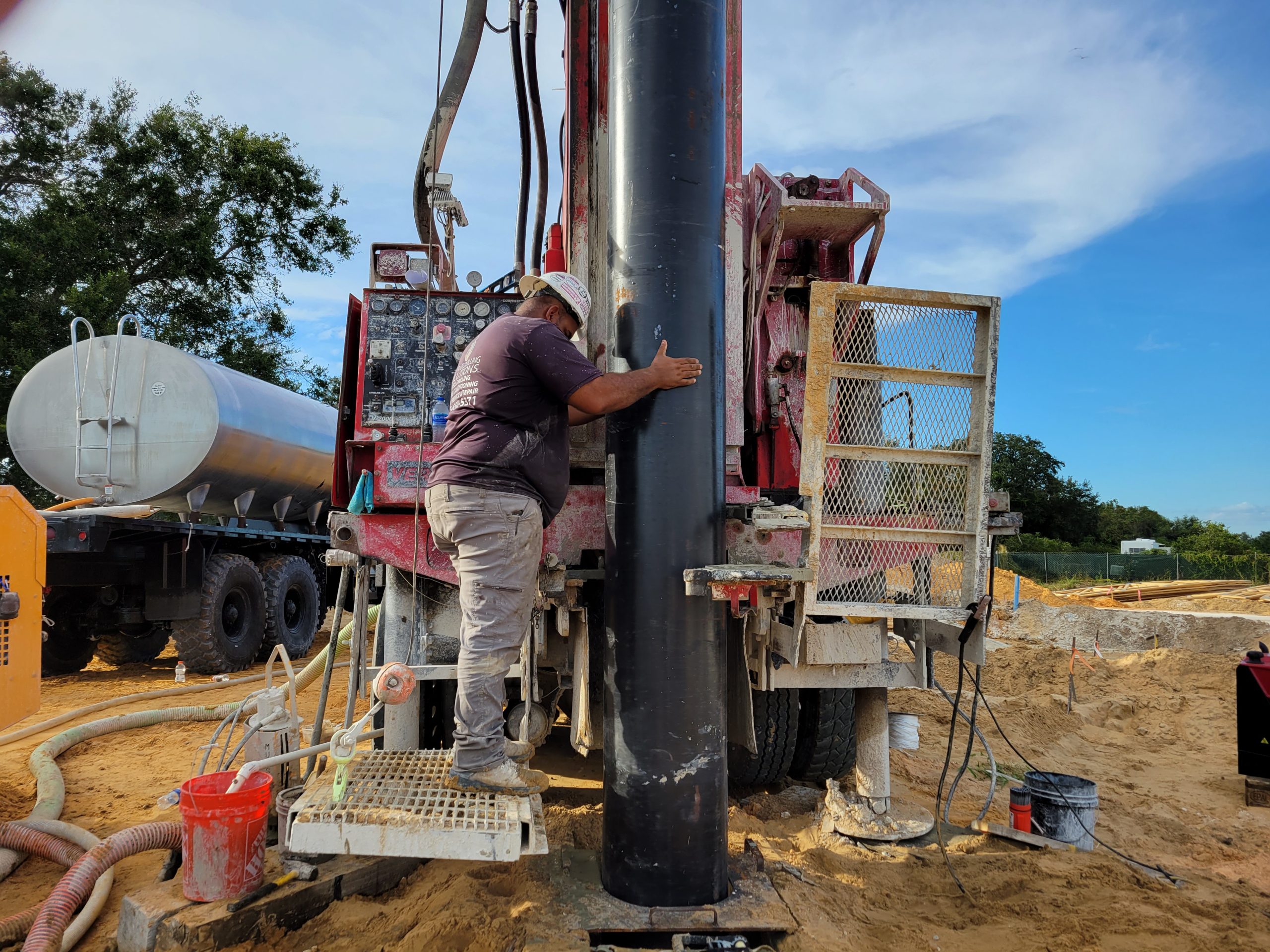
August in Brooksville is relentless. The heat index climbs past 100°F, afternoon storms roll through almost daily, and households are running more water than at any other point in the year. For Hernando County homeowners who depend on a private well, that combination creates real stress on a system that often gets overlooked until something goes wrong. Understanding what your well is dealing with right now — and taking a few targeted steps — can be the difference between reliable water all summer and an emergency call at the worst possible time.
Why Summer Is the Hardest Season for a Domestic Water Well in Brooksville
Florida’s aquifer system is dynamic. The Floridan Aquifer, which supplies the vast majority of domestic wells in Hernando County, responds to seasonal rainfall patterns, withdrawal rates, and surface conditions. Summer looks like the wet season on paper, but the reality on the ground is more complicated.
Heavy afternoon rain events in July and August deliver large volumes of water in short bursts. Much of that water runs off before it can recharge the aquifer. Meanwhile, evaporation rates are high, irrigation demands across the region increase, and households use significantly more water for showers, laundry, pools, and outdoor tasks. The net result is that aquifer pressure in some zones drops even during months that appear rainy on a weather chart.
Increased Household Demand Puts Pump Systems Under Pressure
When a pump runs longer and more frequently to meet peak summer demand, it generates more heat and experiences more mechanical wear. Submersible pumps in particular are cooled by the water flowing around them. If a well has any reduction in yield — even a temporary one driven by aquifer pressure changes — the pump can run hotter than it should. Over time, that shortens pump life. In the near term, it can trigger thermal shutdowns that leave a household without water mid-day.
This is one of the more common issues seen in domestic water wells during summer in Brooksville. The pump isn’t necessarily failing because it’s old — it may be struggling because conditions have changed around it. A professional pump assessment can identify whether the pump is operating within its designed parameters or beginning to show signs of thermal or mechanical stress.
Hurricane Season Adds a Layer of Uncertainty
June through November is hurricane season, but August and September are historically the most active months. Hernando County homeowners need to think about their well in the context of storm prep, not just storm cleanup. A named storm brings irregular, intense rainfall that can temporarily raise surface water levels and introduce contaminants near older or improperly sealed wellheads.
Floodwater intrusion is one of the more serious risks for domestic wells during hurricane season. If water carrying bacteria, sediment, or surface runoff enters a well through a compromised casing or wellhead seal, it can contaminate the water supply. Identifying and correcting wellhead integrity issues before a storm arrives — not after — is the right approach. The Accurate Drilling Solutions team serving Brooksville regularly inspects wellheads as part of seasonal preparation work.
What Florida’s Limestone Geology Means for Your Well This Summer
Brooksville sits in a region where the karst limestone geology of the Floridan Aquifer is close to the surface. That’s part of why Hernando County has such abundant groundwater access — and also why water quality issues like elevated hydrogen sulfide (sulfur odor), calcium hardness, and occasional sand intrusion are common.
Summer heat can intensify the perception of water quality issues. Sulfur odors, for example, tend to be more noticeable when water is warm. If your water has taken on a stronger smell or taste this summer, the underlying geology hasn’t changed — but warmer temperatures and higher usage rates can concentrate or agitate these compounds. Water quality concerns like these are worth evaluating with a professional test, not just a home filter change.
Sand Intrusion: A Warm-Weather Warning Sign
Sand or grit in your water is never normal, and it tends to surface as a complaint more often in summer months. Increased pumping frequency can disturb fine sediment that settles in quieter periods. If you’re seeing discoloration, grit in fixtures, or sediment collecting in filters faster than usual, that’s a signal worth taking seriously. Left unaddressed, sand intrusion accelerates wear on pump impellers and can damage household appliances and plumbing fixtures.
Summer Well Maintenance in Florida: What Homeowners Should Do Right Now
If you haven’t had your well and pump system looked at this year, August is a practical time to act — before the heaviest storm activity of hurricane season and before the sustained heat causes additional wear on equipment that’s already been running hard since May.
Here’s what a summer well maintenance inspection should cover for a Hernando County domestic well:
- Wellhead condition: Check for cracks, gaps, or deterioration in the casing and cap that could allow surface water intrusion during heavy rain or flooding.
- Pump performance: Measure flow rate, pressure, and cycle frequency to confirm the pump is operating correctly under current demand conditions.
- Pressure tank inspection: A waterlogged or undercharged pressure tank causes the pump to short-cycle — running in rapid bursts rather than sustained cycles — which dramatically increases wear.
- Water quality testing: Confirm that bacterial counts, pH, hardness, and sulfur levels are within acceptable ranges. This is especially important if the well hasn’t been tested recently or if you’ve noticed any change in taste or odor.
- Electrical components: Heat and humidity accelerate corrosion on electrical connections associated with the pump system. A visual check of the control box and wiring is part of a thorough inspection.
Many Hernando County homeowners benefit from a well maintenance agreement that puts routine service on a predictable schedule, rather than reacting to problems as they develop. Proactive service is almost always more straightforward — and less disruptive — than emergency repair.
Video Inspections: Seeing What’s Actually Happening Underground
One tool that’s particularly useful for summer well assessment is a downhole video inspection. A camera lowered into the well casing provides a direct look at the condition of the casing walls, screen, and any visible sediment accumulation. This kind of inspection can reveal problems that pressure tests alone won’t catch — including casing cracks that aren’t yet causing obvious issues but could become pathways for contamination during a storm event.
If your Brooksville well is more than ten years old and has never had a camera inspection, scheduling one this summer gives you a clear picture of what you’re working with before conditions get more demanding. Learn more about what downhole video inspections can reveal about your well’s condition.
Don’t Wait for a Crisis
The most common feedback from homeowners who’ve dealt with a well failure in August is straightforward: they wish they’d called earlier. The combination of peak demand, storm season, and Florida’s aquifer dynamics makes summer the period when wells are most likely to underperform or fail — and also when service schedules fill up fastest.
Accurate Drilling Solutions works with homeowners, HOAs, and property managers across Hernando County and the broader Tampa Bay area. If your domestic water well hasn’t been serviced this year, or if you’ve noticed any change in water pressure, quality, or pump behavior, reach out now rather than after a problem develops. Call 813-643-6161 to schedule an inspection or speak with a technician about what your well may need this season.
You can also contact the team online to set up a service appointment at your convenience.
Frequently Asked Questions
How does summer heat actually affect a submersible well pump?
Submersible pumps rely on the water around them to stay cool during operation. When aquifer levels drop or a well’s yield decreases — both of which can happen in summer due to high regional demand — the pump may run with less water flowing past it. This reduces cooling efficiency and causes the motor to run hotter than its design rating, which accelerates wear and can trigger thermal protection shutdowns.
Should I test my well water before or after hurricane season?
Both, ideally. Testing before a major storm gives you a clean baseline. Testing after a significant storm event — especially one that brought flooding near your property — confirms whether surface water or contaminants entered the well. Bacterial contamination from storm intrusion doesn’t always show obvious signs in color or odor, so lab testing is the only reliable way to confirm water safety after a major weather event.
What are the early signs that a pressure tank is failing?
The most common sign is a pump that cycles on and off very rapidly — sometimes every few seconds — when a faucet is open. You might also notice fluctuating water pressure at fixtures, a pump that seems to run almost continuously, or an unusual surge when a tap is first opened. These symptoms often point to a waterlogged pressure tank that has lost its air charge and needs service or replacement.
How often should a domestic well in Hernando County be professionally inspected?
Most well service professionals recommend a full inspection at least once a year. For wells in active use — supplying a household’s full water needs rather than just irrigation — annual inspections catch developing issues before they become failures. Older wells, or those in areas with known water quality concerns like elevated sulfur or hardness, may benefit from more frequent monitoring.
Can heavy summer rainfall contaminate my well?
It can, under certain conditions. Intense rainfall that overwhelms drainage near a wellhead can carry bacteria, fertilizers, or surface runoff toward the casing. Older wells with deteriorated or improperly sealed casings are most vulnerable. Properly constructed and maintained wellheads with intact caps and good surface grading around them are far more resistant to intrusion during heavy rain events.
What is sand intrusion and why does it seem worse in summer?
Sand intrusion occurs when fine particles from the surrounding formation enter the well and are pulled up by the pump. It often increases during summer because higher pumping frequency disturbs settled sediment. A worn or damaged well screen is the most common structural cause. Sand in your water supply should be evaluated promptly — it damages pump components and household plumbing over time and doesn’t resolve on its own.
continue reading
Related Posts
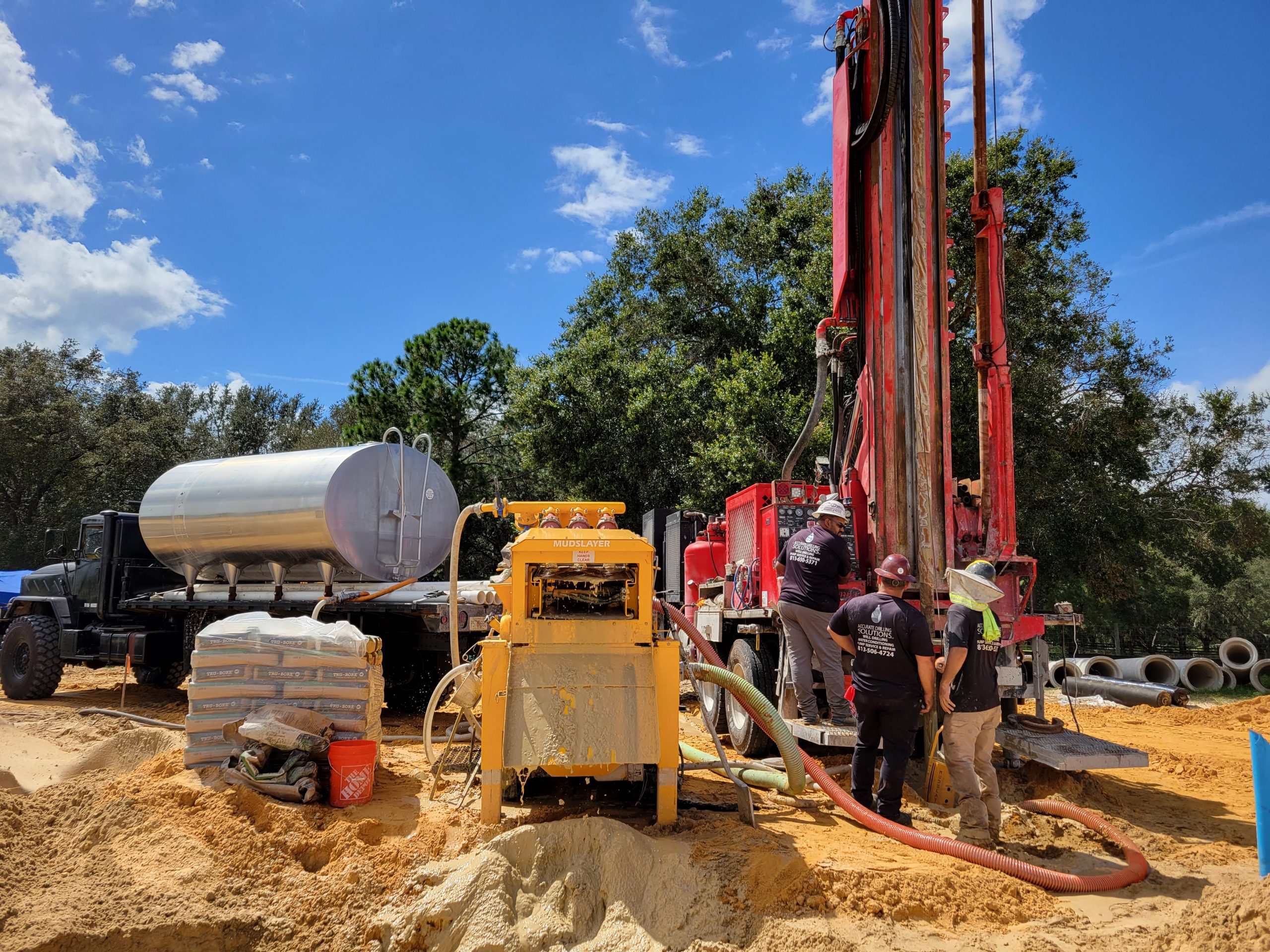
If your geothermal system in Largo is showing signs of reduced performance, the supply well may be the source of the problem. This article covers the key symptoms of well yield decline, limestone aquifer scaling, and reduced system efficiency — and what to do about them.
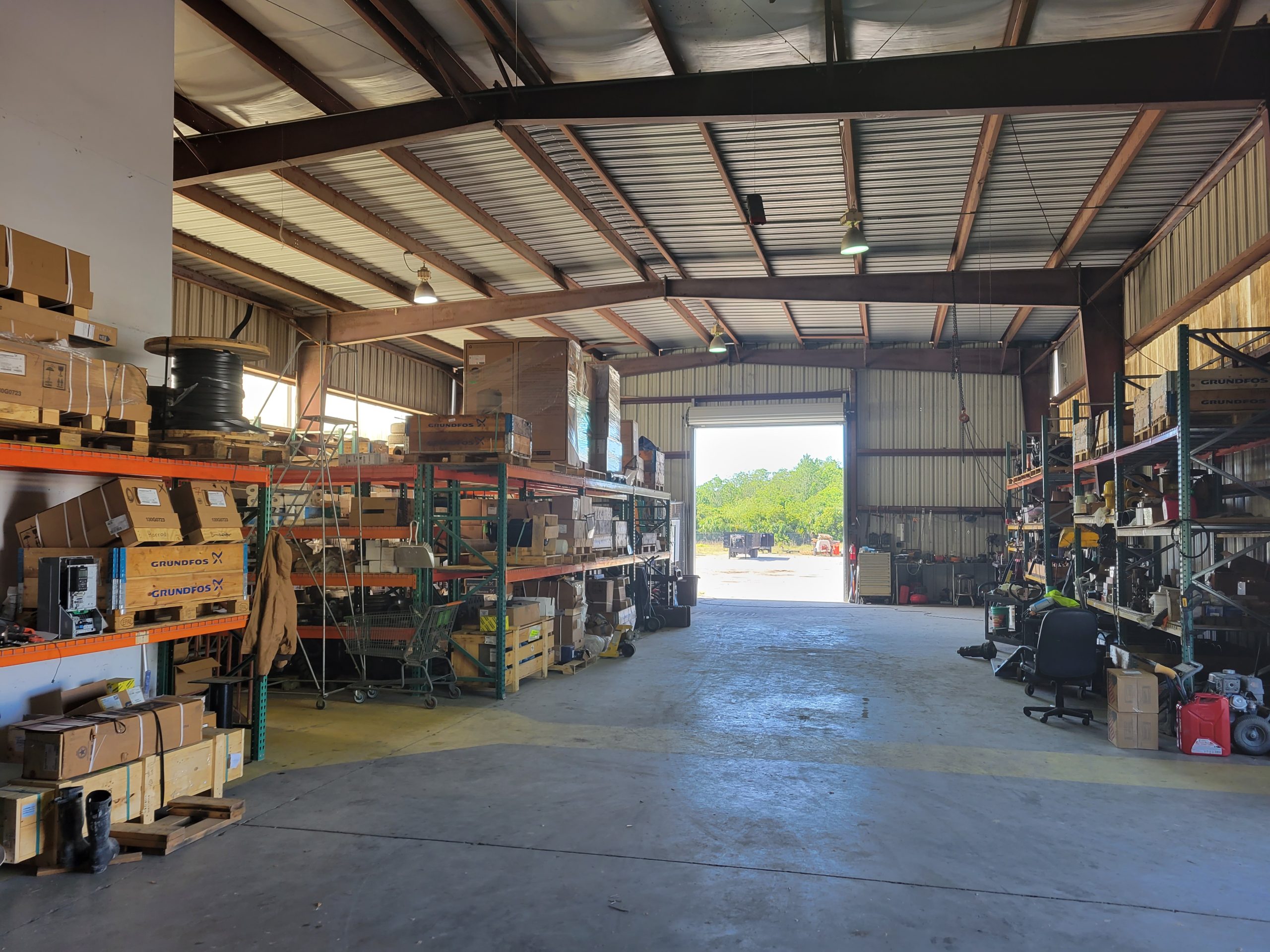
Selecting the right well pump system in Zephyrhills involves more than picking a pump off a shelf. This guide walks Pasco County property owners through submersible vs. jet pump comparisons, Florida-specific sizing factors, and why professional installation is the only responsible path forward.

Largo's coastal position, shallow Floridan Aquifer access, and aging residential well infrastructure create specific stress patterns on well pump systems. Understanding these local conditions helps homeowners protect their equipment before problems develop. Learn what makes Largo different — and what to do about it.