
November is nearly here, and for Ridge Manor property owners with irrigation wells, that shift in the calendar carries real weight. Florida’s dry season doesn’t ease in gradually — rainfall totals drop sharply, irrigation demand climbs, and systems that coasted through a wet summer suddenly face much heavier workloads. A well that kept up fine through August may struggle when it’s running every other day through March.
Getting ahead of that transition now, before the stress begins, is the smartest move you can make for your lawn, your landscaping, and your equipment.
Why the Dry Season Is a Critical Period for Irrigation Wells in Ridge Manor
Ridge Manor sits in Hernando County, where properties often rely on the Floridan Aquifer System — a limestone-based aquifer that can experience meaningful water table fluctuations during extended dry periods. When water levels drop, pumps have to work harder to pull from greater depths. That extra effort accelerates wear on motors, seals, and pump components that may already have some age on them.
The problem is timing. Most irrigation well failures during Florida’s dry season don’t happen because something broke overnight. They happen because a system was already showing small signs of strain — reduced pressure, slow recovery, unusual cycling — and those signs went unaddressed until demand made them impossible to ignore. By then, you’re looking at a mid-season repair on a busy schedule, often during the driest stretch of the year.
Start With a Pressure and Flow Check
Before dry season demand picks up, run your irrigation system through a full cycle and pay attention to how it performs. Walk each zone. Look for heads that aren’t popping up fully, spray patterns that seem weaker than normal, or zones that take noticeably longer to pressurize. These are signs that your pump may not be delivering the flow your system needs.
Also note how long it takes your system to recover between zones. A healthy well and pump combination should recover quickly. Sluggish recovery often points to a dropping water table, a worn pump impeller, or a pump that’s undersized for current demand — all of which become more significant as dry season progresses.
Check Your Pressure Tank and Controls
The pressure tank and pressure switch are easy to overlook but play a direct role in how efficiently your pump runs. A waterlogged pressure tank — one where the bladder has failed — causes the pump to short-cycle, switching on and off rapidly instead of running in longer, efficient intervals. Short-cycling puts serious stress on the motor and dramatically shortens pump life.
Listen for your pump kicking on and off frequently during irrigation. If it’s cycling every few seconds, the pressure tank likely needs attention before dry season begins in earnest.
Watch for Sand Intrusion and Water Quality Changes
Sand intrusion is a common issue in Florida irrigation wells, particularly when water levels shift. As aquifer levels drop during dry season, pumps can begin drawing from slightly different zones within the formation, sometimes picking up fine sediment. Sand passing through your pump is abrasive and causes internal wear that compounds over time.
If you notice gritty residue around irrigation heads, discoloration in the water, or a grinding sound from the pump, have it inspected before running the system heavily. A video well inspection can quickly identify what’s happening below the surface — sand infiltration, casing damage, screen wear — without any guesswork.
Sulfur Odor and Mineral Buildup
Hernando County wells can also be prone to sulfur and mineral content, particularly in deeper formations. During dry season, as water chemistry shifts slightly with changing aquifer levels, some homeowners notice stronger odors or increased mineral deposits on irrigation heads and landscaping. These aren’t emergencies, but they’re worth documenting and discussing with a well professional during a service visit.
Inspect the Well Cap and Casing
A quick visual inspection of your wellhead takes only a few minutes and can catch issues that lead to bigger problems. The well cap should be seated tightly and intact — no cracks, no gaps, no signs of pest intrusion. The casing should be clear of standing water pooling around the base. After a busy hurricane season, it’s also worth confirming that nothing shifted the casing or disturbed the wellhead area during storm activity.
Well caps that aren’t sealed properly allow surface water, insects, and debris to enter the casing. That contamination can affect water quality and, in some cases, damage pump components over time.
Consider a Pre-Season Service Visit
The most efficient way to head into Florida dry season with confidence is to have a qualified technician inspect your irrigation well and pump system before demand peaks. A professional service visit covers the components and conditions you may not be able to assess from the surface — pump performance, motor amperage draw, check valve function, water level, and overall system health.
For Ridge Manor homeowners who use their irrigation well regularly, a maintenance agreement is worth considering. Scheduled inspections catch small issues before they become costly failures, and they keep your system documented and dialed in across seasons.
The Accurate Drilling Solutions team serving Ridge Manor provides irrigation well inspections, pump repair and replacement, pressure tank service, and full system evaluations for residential and commercial properties throughout Hernando County. If your system hasn’t been looked at since spring, now is the right time to schedule that visit.
Irrigation System Runtime and Well Recovery — Finding the Balance
One of the more overlooked aspects of dry season prep is irrigation scheduling itself. Running zones back-to-back without giving your well adequate recovery time is hard on the pump and can pull water faster than the aquifer naturally replenishes it at your depth.
Talk to your irrigation professional about spacing zone run times to allow for recovery. Early morning watering — before temperatures climb — is both more efficient for plant uptake and easier on your well system, since you’re not fighting peak heat evaporation during the watering window.
Upgrading an Aging Pump Before Dry Season
If your pump is approaching or past the ten-year mark, dry season is not the time to gamble on it. Older pump motors are more vulnerable to the extended runtimes and increased demand that come with Florida irrigation season. Accurate Drilling Solutions is a premier dealer of Grundfos pumps, which are well-regarded for their efficiency and durability in Florida’s demanding groundwater conditions. If your pump is showing signs of age, a pre-season evaluation can tell you whether repair or replacement makes more sense for your situation.
You can learn more about pump repair and replacement services to understand what a professional assessment covers and what to expect from the process.
Don’t Wait Until Your Grass Tells You There’s a Problem
Irrigation well issues during Florida dry season rarely announce themselves clearly until a system is already failing. Reduced pressure, slow recovery, unusual pump sounds, and inconsistent zone performance are the early signals that something needs attention. Catching those signals now — while there’s still time to schedule service without urgency — is exactly the right approach for Ridge Manor property owners heading into November.
Reach out to the Accurate Drilling Solutions team to schedule a pre-season inspection for your irrigation well. Call 813-643-6161 to speak with someone who knows Hernando County well systems and can help you get your setup ready for the months ahead.
Frequently Asked Questions
How do I know if my irrigation well pump is struggling before dry season begins?
Common early warning signs include reduced pressure at irrigation heads, zones that pressurize slowly, a pump that cycles on and off rapidly, or a noticeable drop in spray distance. You may also hear the pump running longer than it used to during each irrigation cycle. These symptoms often indicate pump wear, a waterlogged pressure tank, or dropping water table levels — all worth addressing before dry season demand intensifies.
How often should an irrigation well in Ridge Manor be professionally inspected?
Annual inspections are a practical baseline for most residential irrigation wells in Hernando County. Properties with older pumps, high irrigation demand, or known water quality issues may benefit from service visits every six months. Pre-season inspections before Florida’s dry season — and again before hurricane season — give you the best chance of catching problems early and keeping your system running reliably year-round.
What causes sand to appear in my irrigation system, and is it serious?
Sand intrusion typically occurs when the well screen or casing has deteriorated, or when dropping water levels cause the pump to draw from sediment-heavy zones in the aquifer. Sand is abrasive and accelerates wear on pump impellers and internal components. Left unaddressed, it can significantly shorten pump life. A video inspection is the most effective way to pinpoint the source and determine the appropriate fix.
Does the Florida dry season actually affect aquifer water levels in Hernando County?
Yes. The Floridan Aquifer System, which supplies many Hernando County irrigation wells, does experience seasonal water level fluctuations. Extended periods without rainfall reduce recharge, causing water tables to drop. This means pumps must work harder to draw water, increasing stress on motors and reducing overall system efficiency. Knowing your well’s current water level and pump performance heading into dry season is valuable information to have.
What is a pressure tank, and why does it matter for my irrigation well?
A pressure tank stores a reserve of pressurized water so your pump doesn’t have to start every time the system needs a small amount of water. When the bladder inside the tank fails — a condition called waterlogging — the pump loses that buffer and begins short-cycling, turning on and off rapidly. This rapid cycling strains the motor, increases energy use, and shortens pump lifespan. A functioning pressure tank is essential to a healthy irrigation well system.
Can I run my irrigation system on a normal schedule through the dry season without stressing the well?
In most cases, yes — but scheduling matters. Giving your well adequate recovery time between zones, watering during early morning hours, and avoiding back-to-back heavy runtime cycles all reduce strain on the pump and aquifer. If your system is older or your property has high irrigation demand, having a professional assess your pump’s capacity relative to your current schedule is a smart step before dry season arrives.
continue reading
Related Posts
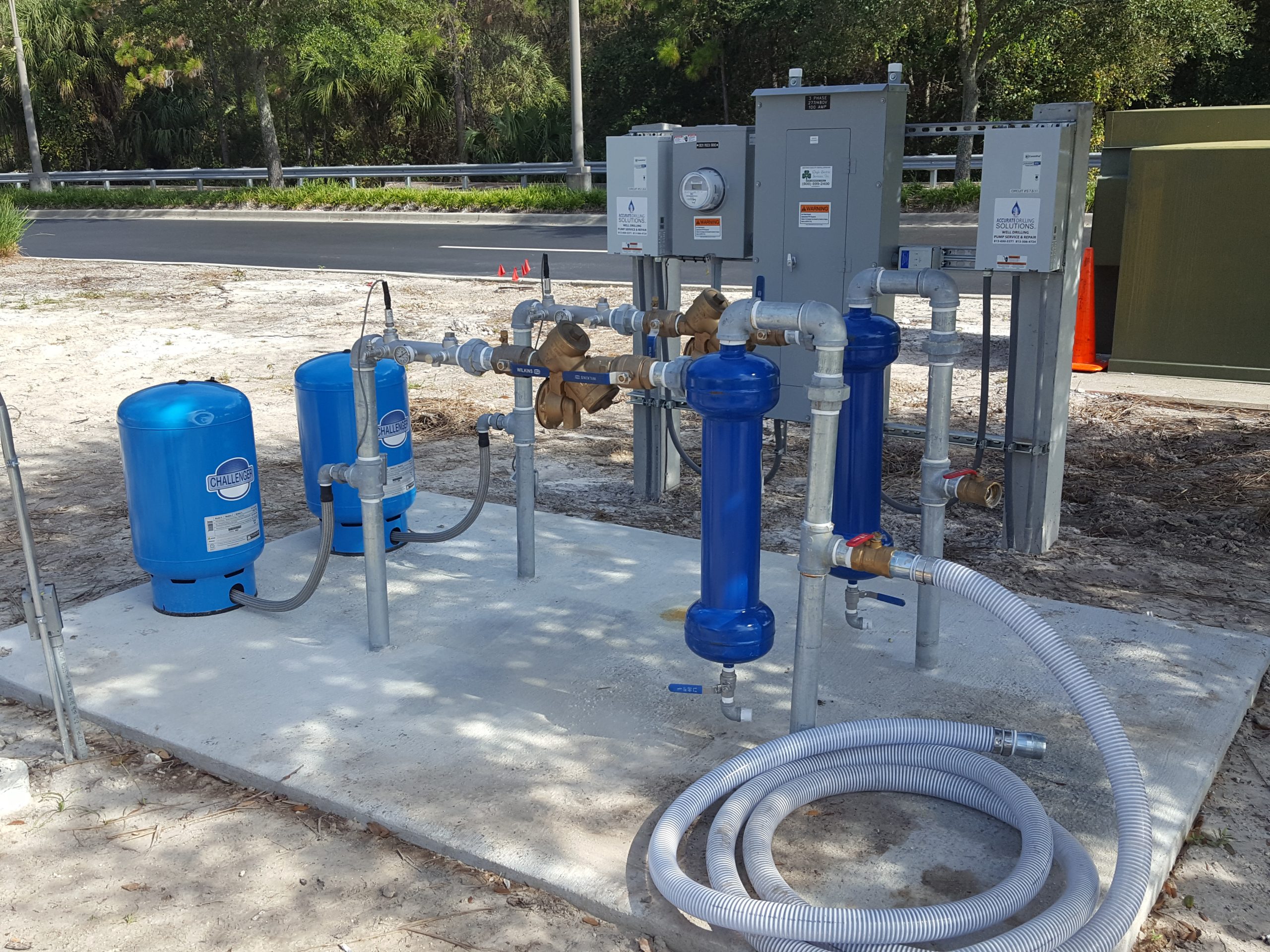
A practical numbered guide for Tampa commercial property owners, HOAs, and CDDs covering how to assess pump performance, schedule inspections, and keep Grundfos and other commercial pump systems running reliably year-round. Learn the key steps to stay ahead of failures before they happen.
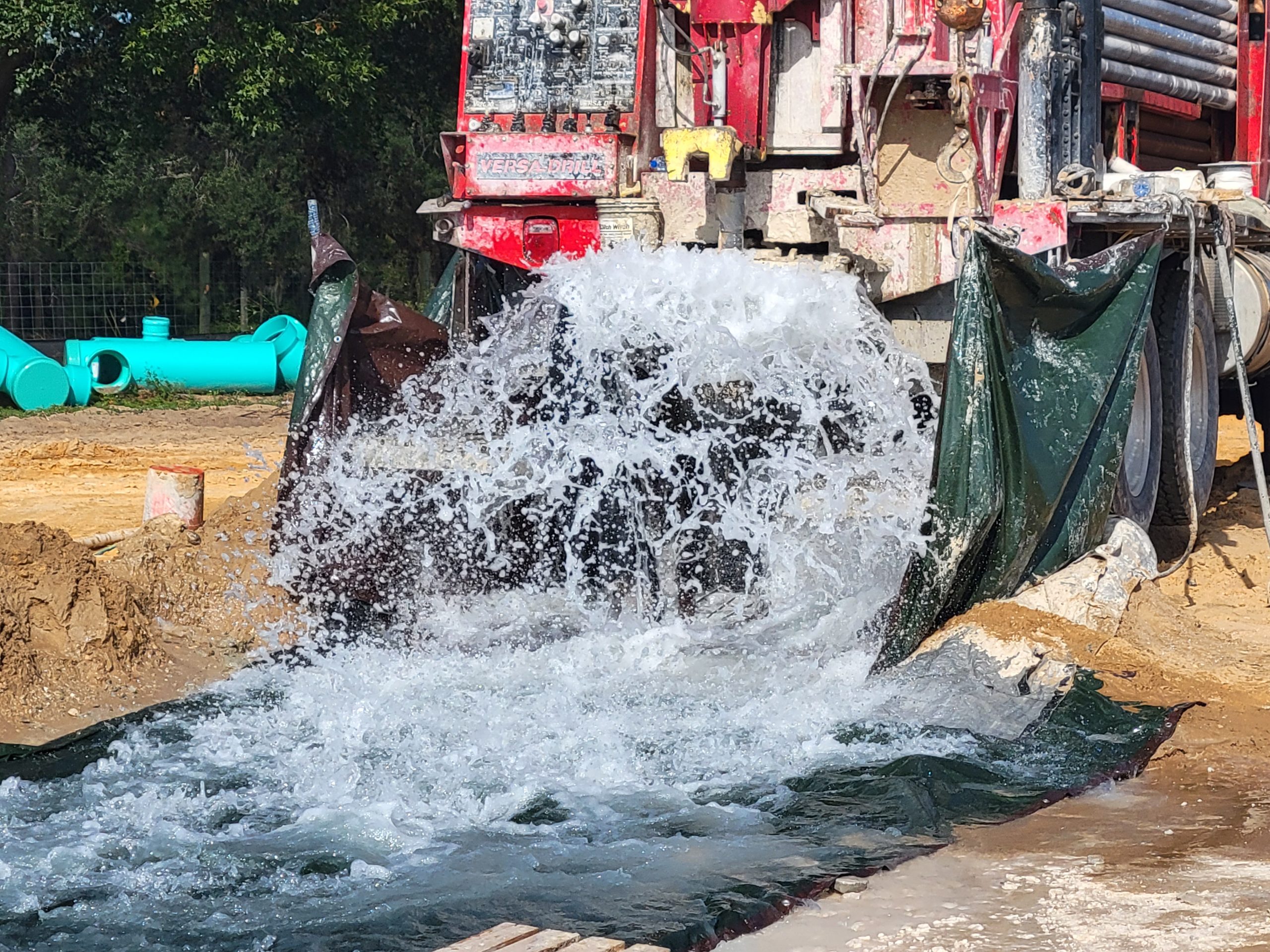
Plant City property owners rely on private wells that can show subtle warning signs long before a full failure occurs. This checklist covers the key indicators — from declining yield and sulfur odor changes to sediment increases and aging well structure — that signal it's time for a professional water well evaluation.

Bradenton well owners should know the early warning signs of a failing pump before a minor issue becomes a full system failure. This checklist covers pressure fluctuations, air in faucets, sand intrusion, unusual cycling, and other symptoms tied to Manatee County aquifer conditions. Catching these signs early can prevent costly emergencies.