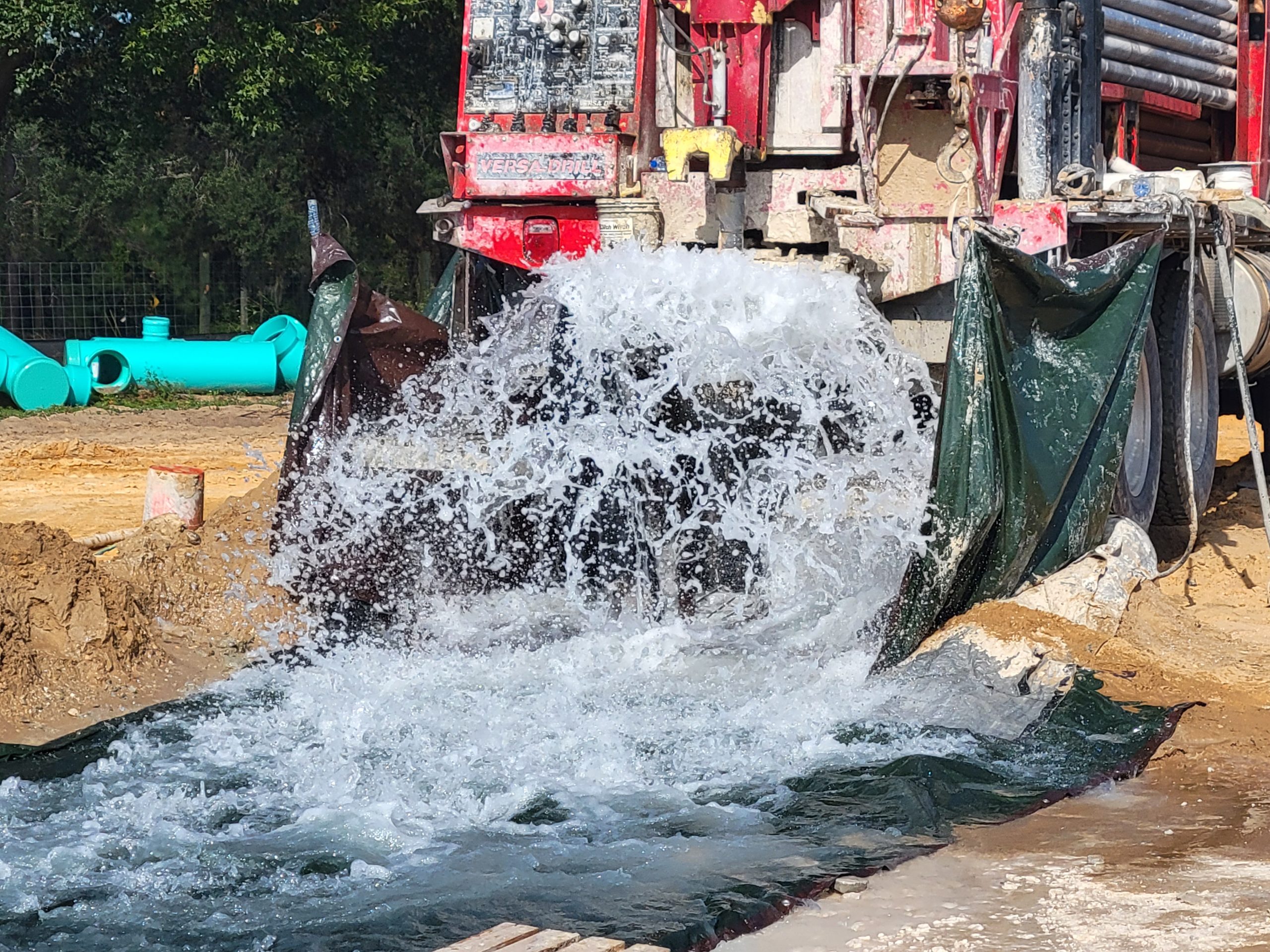
Geothermal systems depend on a consistent, reliable supply well to move heat efficiently. When that well starts to underperform, the entire system feels the strain — and so does your energy bill. For property owners in Mulberry, where Polk County’s unique geology plays a significant role in well behavior, catching the early signs of trouble can mean the difference between a simple service call and a major repair.
This checklist covers the warning signs that tell you it’s time to call a professional. Some are subtle. Others are hard to ignore. All of them deserve prompt attention.
Why Geothermal Supply Wells in Mulberry Face Unique Pressures
Polk County sits over a complex limestone aquifer system. That geology delivers excellent groundwater access, but it also comes with trade-offs. Limestone formations can shift, dissolve, and change flow patterns over time. The phosphate mining legacy in the Mulberry area has also influenced local groundwater conditions in ways that don’t affect most other parts of Florida.
Add in seasonal dry spells, intense summer recharge cycles, and the occasional stress of hurricane-season flooding, and you have a groundwater environment that demands attention. Geothermal supply wells here work hard. Knowing when they’re struggling is the first step toward protecting your system.
Early Warning Signs Checklist: Geothermal Supply Well Problems in Mulberry
1. Pressure That Fluctuates Without an Obvious Cause
If your geothermal system is showing inconsistent pressure readings — high at one point in the day, low at another — that’s a red flag. Supply well pressure loss can result from a partially clogged screen, pump wear, or declining water levels in the aquifer. Don’t assume the system will self-correct. Pressure inconsistency rarely resolves on its own.
2. Noticeable Drop in Flow Rate
A healthy supply well delivers a steady, predictable flow. If your geothermal system is cycling more frequently, struggling to maintain loop temperatures, or showing reduced output during peak demand hours, reduced flow rate is a likely culprit. Flow rate drops can happen gradually, which is why many property owners don’t notice until the problem is already advanced.
3. Sand or Sediment in the System
Finding sand or fine sediment in your system components is a serious signal. In Polk County’s sandier soil zones near Mulberry, sand intrusion into a supply well can accelerate pump wear and clog heat exchanger components. Sand intrusion typically points to a deteriorating well screen, shifting formation material, or a pump intake that’s positioned too low in the well.
4. Changes in Water Clarity or Odor
Sulfur odor — that familiar “rotten egg” smell — is common in Central Florida’s deeper aquifer zones. If that smell suddenly intensifies, or if you notice cloudiness or discoloration in your supply water, the well may be drawing from a different zone or experiencing casing issues. A change in water quality is one of the most telling geothermal well warning signs to watch for.
5. Pump Running Longer Than Usual
Your pump shouldn’t have to work overtime to maintain normal system performance. If run times have increased without a corresponding increase in demand, it often means the well is recovering more slowly than it used to. Slow recovery is a classic Polk County aquifer issue, especially during dry months between March and June when groundwater levels are at their seasonal low.
6. Unexplained Increases in Energy Consumption
A geothermal system that’s fighting a struggling supply well uses more electricity to maintain the same output. If your energy bills are trending upward without a clear reason, the supply well is one of the first places to investigate. This connection between well performance and energy cost is frequently overlooked.
7. Air in the Lines or Sputtering Delivery
Spitting, sputtering, or air-in-line symptoms usually mean the pump is drawing air. That can happen when water levels in the well drop below the pump intake — a sign of either aquifer stress or a pump that’s no longer correctly positioned. Either way, continued operation without addressing it can cause pump cavitation and accelerated component failure.
8. Visible Corrosion or Damage at the Wellhead
The wellhead is the visible entry point to everything underground. Rust, corrosion, cracking, or any sign of surface water intrusion near the wellhead should prompt immediate professional evaluation. In areas like Mulberry with significant rainfall variability, a compromised wellhead can allow contaminants or excess water into the casing during heavy rain events.
9. System Performance Declines After a Drought or Heavy Rain
Aquifer behavior in Polk County responds to seasonal extremes. A prolonged dry spell can lower the water table significantly. Conversely, heavy rainfall can flush surface contaminants downward. If you notice your geothermal system underperforming in the weeks following either extreme, the supply well may be reacting to those aquifer-level shifts.
10. It’s Been More Than Two Years Since a Professional Inspection
This one is easy to overlook because the system may seem fine. But many geothermal supply well problems in Mulberry develop quietly underground, well before any surface symptom appears. Regular video well inspections can catch developing issues — casing cracks, biofilm buildup, screen wear — before they become emergencies.
What to Do When You Notice These Signs
Some of these warning signs indicate slow-developing problems. Others suggest something may need immediate attention. In either case, acting early is almost always less disruptive and less costly than waiting for a full system failure.
Start by documenting what you’re observing — when the symptoms occur, how long they last, and whether they’re worsening. That information is useful when a technician arrives to evaluate the system. A professional assessment will typically include reviewing pump performance data, checking water levels, evaluating flow rate, and in many cases, running a camera inspection down the well bore.
The team at Accurate Drilling Solutions in Mulberry works with geothermal supply wells throughout Polk County and understands the local aquifer conditions that influence well behavior in this area. Whether the issue is supply well pressure loss, sand intrusion, or early signs of aquifer stress, a qualified evaluation puts you in a position to make informed decisions.
Ongoing maintenance also plays a key role. A well maintenance agreement ensures your supply well gets the regular attention it needs — scheduled check-ins, pump performance reviews, and priority service when something unexpected comes up. For geothermal systems that run year-round, that kind of proactive oversight pays off.
If your system is showing any of the signs on this checklist, don’t wait for the situation to escalate. Professional pump and well service from a team familiar with Polk County geology is the most reliable path to getting your system back to full performance.
Ready to schedule an evaluation? Call Accurate Drilling Solutions at 813-643-6161. The team serves Mulberry and the surrounding Polk County area and is ready to help you diagnose and address supply well issues before they affect your entire geothermal system.
Frequently Asked Questions
How do I know if my geothermal supply well is the source of system inefficiency?
The supply well is the logical starting point when a geothermal system underperforms without a clear mechanical cause. Signs like reduced flow, longer pump run times, and pressure inconsistency all point to the well rather than the heat pump itself. A professional evaluation — including a flow test and water level measurement — can confirm whether the well is responsible and what corrective steps make sense.
What causes supply well pressure loss in Polk County?
Pressure loss in Polk County supply wells is commonly tied to declining water levels in the Floridan Aquifer during dry seasons, sand intrusion from shifting formation material, worn pump components, or a clogged well screen. The limestone geology in this region also means the well’s producing zone can change gradually over time. A qualified technician can identify the specific cause through flow testing and inspection.
How often should a geothermal supply well be professionally inspected?
A professional inspection every one to two years is a reasonable standard for most geothermal supply wells in Central Florida. Wells in areas with known aquifer stress, high mineral content, or significant seasonal water table variation may benefit from more frequent check-ins. Video inspections are particularly useful because they reveal casing condition and screen wear that no surface test can detect.
Can sand intrusion damage a geothermal system beyond the well itself?
Yes. Sand that enters through a deteriorating well screen can travel into the pump, the piping, and the heat exchanger components of a geothermal system. Over time, even fine sediment causes abrasive wear on pump impellers and can partially block heat transfer surfaces. Catching sand intrusion early — through regular inspection or by noticing sediment in the system — helps prevent that downstream damage.
What is aquifer stress and how does it affect supply wells in the Mulberry area?
Aquifer stress refers to a condition where groundwater withdrawal outpaces natural recharge, leading to declining water table levels. In Mulberry and greater Polk County, extended dry seasons and regional water demand can contribute to aquifer stress. For a geothermal supply well, this can mean slower recovery times, reduced flow rates, and increased pump strain — all of which show up as performance problems in the geothermal system above ground.
Are geothermal supply well problems covered under standard maintenance agreements?
Maintenance agreement coverage varies depending on the provider and the specific terms. A well-structured agreement should include scheduled performance reviews, pump checks, and priority response when issues arise. Before signing, it’s worth understanding what’s included in routine visits versus what constitutes a separate service call. Asking your well service provider directly about geothermal supply well coverage is the best way to get a clear answer.
continue reading
Related Posts
Plant City property owners rely on private wells that can show subtle warning signs long before a full failure occurs. This checklist covers the key indicators — from declining yield and sulfur odor changes to sediment increases and aging well structure — that signal it's time for a professional water well evaluation.

Bradenton well owners should know the early warning signs of a failing pump before a minor issue becomes a full system failure. This checklist covers pressure fluctuations, air in faucets, sand intrusion, unusual cycling, and other symptoms tied to Manatee County aquifer conditions. Catching these signs early can prevent costly emergencies.

Improperly closing an old well in Lakeland or Polk County can trigger permit violations, groundwater contamination liability, and complications during property sales. This article outlines the most common well abandonment mistakes and explains exactly how to avoid each one.