Installing a domestic water well on your Spring Hill property is one of the most practical long-term investments you can make. It gives you control over your water supply, reduces dependence on municipal systems, and can serve your home reliably for decades when installed correctly. But the process involves more than just drilling a hole in the ground. Preparation matters — and knowing what to expect at each stage makes the whole project go smoother.
This step-by-step guide walks you through everything from evaluating your land to testing your first draw of well water. Follow these steps in order and you’ll avoid the most common mistakes Spring Hill homeowners make before and after well installation.
Step 1: Understand What’s Underground in Spring Hill
Hernando County sits over the Floridan Aquifer System, one of the most productive limestone aquifers in the world. That’s good news for well depth and yield. But limestone geology also means your Spring Hill well water may naturally contain elevated levels of hydrogen sulfide — that familiar sulfur smell — along with hardness minerals and occasional sand intrusion in shallower wells.
Before drilling begins, research the general hydrogeology of your specific parcel. Talk to a licensed driller about typical well depths in your neighborhood and what water quality characteristics are common nearby. This background knowledge shapes every decision that follows, from casing depth to filtration planning.
Step 2: Check Setback Requirements and Lot Conditions
Florida law and Hernando County rules require minimum distances between a well and potential contamination sources. These setbacks typically include separation from septic tanks, drain fields, property lines, and structures. Your lot size, shape, and existing infrastructure all affect where a well can legally be placed.
Walk your property and note the locations of your septic system, any outbuildings, drainage swales, and overhead utility lines. Drilling equipment needs clearance to operate safely. Identifying obstacles early prevents permit delays and costly repositioning later.
Step 3: Pull Your Well Drilling Permit
In Florida, all domestic water wells must be permitted before drilling begins. The well drilling permit process in Florida is managed at the county level through the Southwest Florida Water Management District (SWFWMD) for Hernando County properties. Your licensed well contractor typically handles permit applications on your behalf, but you should understand what’s required.
Required documentation generally includes a site plan showing the proposed well location relative to the septic system and property boundaries. Permit processing times vary, so don’t schedule drilling without confirmed permit approval. Starting without a permit leads to fines, mandatory well abandonment, and significant delays. The Accurate Drilling Solutions Spring Hill team handles permit coordination regularly and can guide you through local requirements.
Step 4: Select a Licensed, Insured Well Contractor
Florida requires well drillers to hold a valid water well contractor’s license through the Department of Environmental Protection. Verify that any contractor you hire carries current licensing and adequate insurance before signing anything. Ask to see their license number and confirm it’s active.
Beyond credentials, look for a contractor with direct experience in Hernando County. Local experience means familiarity with the aquifer depths, common well yields, and the specific soil and rock conditions around Spring Hill. Learn more about Accurate Drilling Solutions and the breadth of experience our team brings to every well project across the Tampa Bay region.
Step 5: Plan Your Pump System Before Drilling Starts
The pump system you install should match the well’s yield, your household’s daily water demand, and the total vertical lift required. These calculations need to happen before the drill rig arrives — not after. Undersized pumps short-cycle and burn out. Oversized pumps pull more water than the aquifer can recharge, which can draw in sediment and degrade water quality.
Accurate Drilling Solutions is a premier dealer of Grundfos pumps, which are engineered for efficiency, durability, and precise performance in residential applications. A properly matched pump protects your well investment for the long haul. Also plan the locations of your pressure tank, electrical supply, and any treatment equipment at this stage so installation day runs efficiently. You can explore professional pump services to understand what a full system assessment involves.
Step 6: Prepare the Site for the Drill Rig
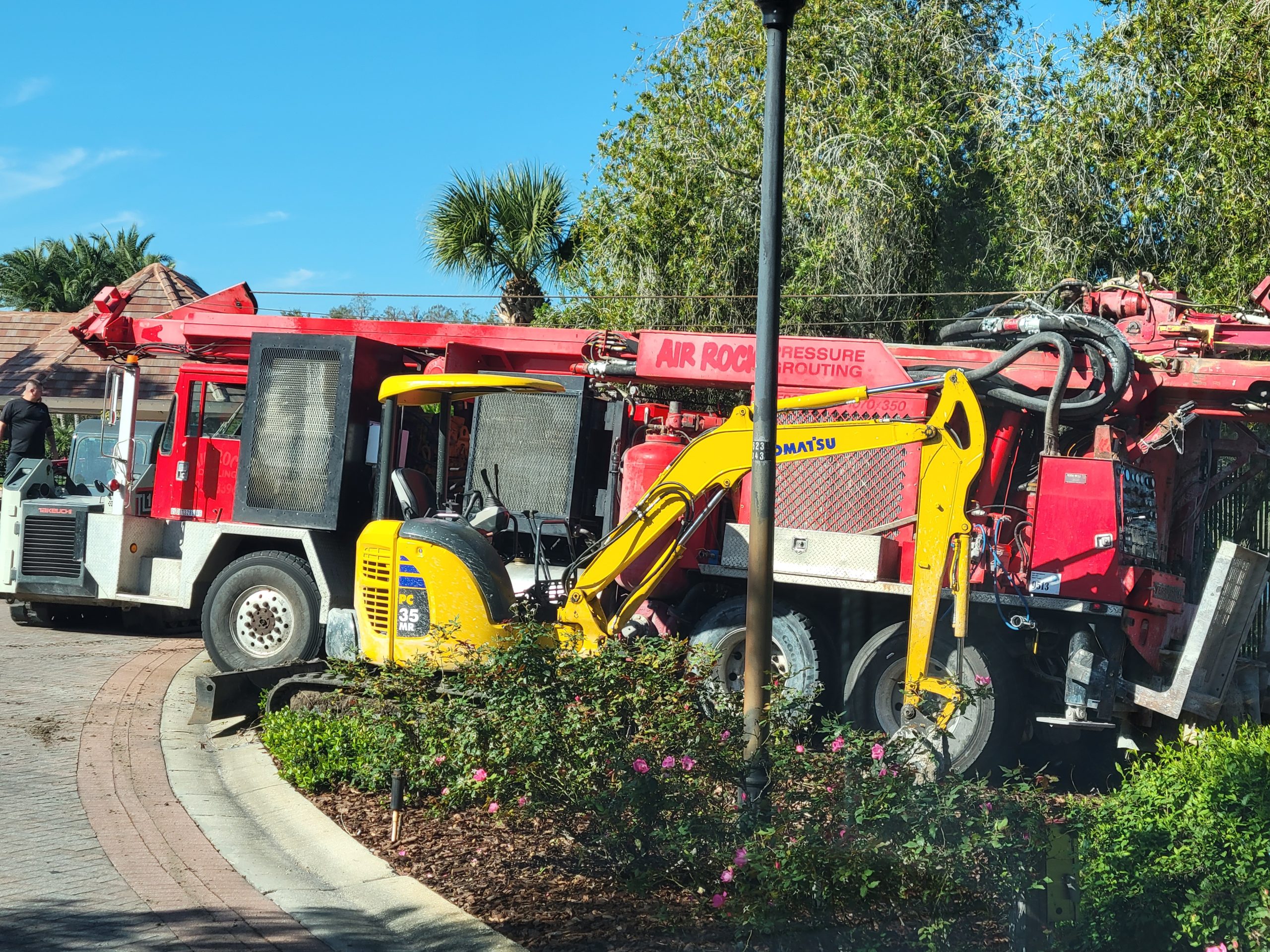
Drilling rigs are heavy equipment. They need a clear, stable access path from the road to the drill site. Before your contractor arrives, clear any low-hanging branches, remove obstacles from the access route, and make sure the ground near the drill site can support the rig’s weight without sinking — especially important during Florida’s wet season.
Mark underground utilities before any work begins. Call 811 (Florida’s free utility-marking service) at least three business days before your scheduled drilling date. This is legally required and protects you, your property, and the crew.
Step 7: Plan for Water Treatment from Day One
Spring Hill well water commonly requires treatment before it’s used for drinking. Sulfur odor, iron staining, and hardness are the most frequent issues homeowners encounter. These aren’t signs of a bad well — they reflect the natural chemistry of the Floridan Aquifer. But they do need to be addressed.
Plan space near your pressure tank for treatment equipment such as an iron filter, water softener, or whole-house carbon filter. Talk with your contractor about what treatment makes sense based on your test results rather than guessing upfront.
Step 8: Test Your Water Before First Use
After drilling and casing are complete, the well must be properly developed and disinfected before you use the water. Following that, collect water samples and have them tested by a certified Florida laboratory. At minimum, test for coliform bacteria, nitrates, pH, hardness, iron, and hydrogen sulfide.
Florida does not require a specific water quality standard for private well water to be used, but you are responsible for ensuring it meets safe drinking water guidelines. Test results guide your treatment choices. Keep records of all test results — you’ll want them for future reference and for any property transactions. For ongoing peace of mind, consider a well maintenance agreement that includes periodic water quality checks and system inspections.
A Few Things Spring Hill Homeowners Often Overlook
Hurricane and Storm Prep
Central Florida’s hurricane season runs June through November. If you’re installing a well during this period, ask your contractor about surge protection for your pump motor and whether a generator connection for your pump system makes sense. Power outages after storms are common in Hernando County, and losing well pump function during recovery is a real inconvenience.
Irrigation System Integration
Many Spring Hill homeowners also want to connect their new well to an irrigation system. If that’s your plan, make sure your pump and pressure tank are sized to handle both household demand and irrigation flow simultaneously — or consider a separate irrigation well. Discuss this with your contractor before drilling so system design accounts for it from the start.
Future Well Inspections
Even a brand-new well benefits from periodic inspection. Florida’s limestone geology means sinkhole activity, sediment shifts, and mineral buildup can affect your well casing and screen over time. A video well inspection every few years gives you a clear picture of what’s happening below the surface before small issues become expensive ones.
Frequently Asked Questions
How deep does a domestic water well in Spring Hill typically need to be?
Depth varies by location and the target aquifer zone, but wells in the Spring Hill and Hernando County area commonly reach the Floridan Aquifer at depths ranging from roughly 100 to several hundred feet. Your licensed driller will review local well records and hydrogeological data to recommend an appropriate target depth for your specific parcel before drilling begins.
What permits are required for a new domestic water well in Hernando County?
All new domestic water wells in Hernando County require a permit issued through the Southwest Florida Water Management District. Your licensed well contractor typically submits the application on your behalf. The permit requires a site plan showing the well’s proposed location relative to the septic system, property lines, and other setback-sensitive features. Work cannot legally begin until the permit is approved.
How long does the entire well installation process take from permit to first use?
From permit application to completed installation and water testing, the full process typically takes a few weeks. Permit processing time, scheduling, drilling duration, and lab turnaround for water samples all factor in. Well development and disinfection must be completed before the well is tested and put into service, so plan your timeline accordingly and don’t rush any stage.
Is Spring Hill well water safe to drink straight from the well?
Not necessarily without testing and treatment. Spring Hill well water drawn from the Floridan Aquifer often contains naturally occurring minerals, hydrogen sulfide, and sometimes elevated iron levels. While these don’t always make water unsafe, water must be tested by a certified lab and evaluated against drinking water standards before regular household use. Appropriate treatment should be installed based on your specific test results.
Can I connect my new well to an existing irrigation system?
Yes, but it requires careful planning. Your pump and pressure tank must be sized to handle both household and irrigation flow demand. If your irrigation needs are significant, a separate dedicated irrigation well is often a better long-term solution than adding heavy irrigation load to a domestic well system. Discuss your full water use picture with your contractor during the design phase.
What maintenance does a private well require after installation?
Private wells benefit from periodic water quality testing, pressure tank inspections, pump performance checks, and periodic video inspections of the well casing. In Spring Hill’s limestone geology, mineral buildup and sediment intrusion are worth monitoring over time. A structured maintenance plan catches issues early, extends equipment life, and helps protect your household water quality year-round.
Installing a domestic water well in Spring Hill is a process that rewards preparation. Every step — from understanding the aquifer to planning your pump system — sets the foundation for a reliable, long-lasting water supply. If you have questions about your specific property or want to talk through the process with experienced professionals, call Accurate Drilling Solutions at 813-643-6161. We’re here to help you move forward with confidence.
continue reading
Related Posts
Plant City property owners rely on private wells that can show subtle warning signs long before a full failure occurs. This checklist covers the key indicators — from declining yield and sulfur odor changes to sediment increases and aging well structure — that signal it's time for a professional water well evaluation.

Bradenton well owners should know the early warning signs of a failing pump before a minor issue becomes a full system failure. This checklist covers pressure fluctuations, air in faucets, sand intrusion, unusual cycling, and other symptoms tied to Manatee County aquifer conditions. Catching these signs early can prevent costly emergencies.

Improperly closing an old well in Lakeland or Polk County can trigger permit violations, groundwater contamination liability, and complications during property sales. This article outlines the most common well abandonment mistakes and explains exactly how to avoid each one.