
Your irrigation well was supposed to make lawn care easier. But lately, something feels off. Maybe a few zones are running weak, or you’re noticing dry patches where the grass used to stay green. Before you assume the worst, it helps to understand what’s actually happening underground — and what the symptoms are telling you.
Irrigation well problems in Lakeland are more common than most property owners realize. Polk County’s geology, seasonal rainfall swings, and aging well infrastructure all create conditions where problems can develop quietly before they become obvious. Knowing what to look for puts you in a much better position to act early.
Start With the Most Visible Symptom: Uneven Coverage
The most common complaint is uneven lawn coverage — some zones spray normally while others barely trickle. Before blaming the sprinkler heads, check whether the problem follows a pattern. If every zone is underperforming, the issue is upstream of the heads. That points to the well or the pump, not the irrigation system itself.
Walk the property while the system is running. Look for zones that are noticeably weaker than others, heads that aren’t popping up fully, or areas where the spray radius has shrunk. These are all signs of irrigation pressure loss that starts at the source.
Understanding Irrigation Well Pressure Loss
Pressure is one of the clearest indicators of well health. When pressure drops, water delivery suffers. But pressure loss has several possible causes, and diagnosing the right one matters.
Pump Wear and Motor Issues
Submersible pumps have a working lifespan. Over years of use, impellers wear down and motors lose efficiency. The result is a pump that runs constantly but moves less water. If your pump is cycling on and off more frequently than it used to, or if you can hear it running longer to fill the pressure tank, pump wear is worth investigating. A water pump inspection can quickly identify whether the pump is the source of your pressure problems.
Pressure Tank Problems
A waterlogged or failed pressure tank can mimic pump failure almost exactly. The tank’s internal bladder or air charge keeps pressure stable between pump cycles. When it fails, pressure becomes erratic — spiking and dropping within seconds. This is a relatively straightforward fix when caught early, but it’s often misdiagnosed without proper testing.
Well Drawdown: A Polk County Reality
Polk County sits over the Floridan Aquifer system, one of the most productive aquifer systems in the country. But that doesn’t mean it’s immune to stress. Well drawdown occurs when water is pumped out faster than the aquifer can recharge. In Lakeland, this is especially relevant during the dry season — typically November through May — when rainfall is scarce and irrigation demand is high.
Symptoms of well drawdown diagnosis include pressure that starts strong but weakens after the system has been running for 15 to 30 minutes. You might also hear the pump running dry or notice air spurting from the heads. These are signs the water level has dropped below the pump intake, even temporarily.
Drawdown can also be a sign that your well was never drilled deep enough for your current demand, or that the formation around the well screen has deteriorated over time. A video inspection of the well bore can reveal what’s happening below the surface far more accurately than guesswork.
Sand in Your Irrigation Well: More Serious Than It Looks
If you’re finding sand or sediment in your sprinkler heads, filters, or valves, that’s a warning sign that deserves immediate attention. Sand in an irrigation well typically means one of a few things: the well screen is deteriorating, the gravel pack around the screen has shifted, or the well has been over-pumped and is pulling fine sediment from the surrounding formation.
Sand intrusion is a Polk County irrigation well problem that tends to accelerate over time. The abrasive particles wear down pump impellers, clog valves, and shorten the life of every component in the irrigation system. Left unaddressed, what starts as a minor screen issue can turn into a full pump replacement or a need to redrill.
Watch for gritty deposits on sprinkler heads, unusual wear on filters that need cleaning more often than before, or visible sediment in any accessible parts of the system. These physical clues are among the clearest indicators of sand intrusion.
Seasonal Patterns to Watch For in Lakeland
Lakeland’s climate creates a predictable cycle for irrigation wells. The wet season — roughly June through September — typically recharges the aquifer and keeps water levels stable. But during the dry months, water levels drop, demand spikes, and wells that were functioning fine in October may start struggling by March or April.
If your irrigation system performs well through fall and winter but degrades noticeably in late spring, seasonal aquifer drawdown is a likely factor. It doesn’t necessarily mean your well is failing — it may mean the system needs to be reassessed for current demand levels, or that the pump setting needs adjustment.
Conversely, after a major storm or hurricane, sediment disturbance can temporarily affect water quality and pressure. Post-storm well performance issues in the Lakeland area are not uncommon and are worth monitoring in the days following significant weather events.
When to Stop Troubleshooting and Call a Professional
Some symptoms are safe to monitor for a short period. Others require professional evaluation right away. Contact a well service professional if you notice:
- Complete loss of pressure with no obvious cause
- Visible sand or sediment in the system
- The pump running continuously without building pressure
- Air discharge from sprinkler heads mid-cycle
- A sudden spike in your electricity bill, which can indicate a struggling pump motor
- Any change in water appearance, odor, or taste if the well also serves potable uses
The team at Accurate Drilling Solutions in Lakeland works with residential properties, HOAs, CDDs, and commercial accounts across Polk County. Diagnosing irrigation well system failure early almost always leads to a simpler, less disruptive solution than waiting for a full breakdown.
A Proactive Approach Pays Off
Most irrigation well problems in Lakeland don’t happen overnight. They develop gradually — a little more pressure loss each season, a little more sand each month, a pump working harder than it should. The property owners who catch these trends early are the ones who avoid emergency service calls during the middle of irrigation season.
If you’re unsure what’s driving underperformance in your system, a professional assessment is the most reliable way to get answers. Accurate Drilling Solutions has the equipment and field experience to evaluate well condition, pump performance, and system capacity in a single visit — giving you a clear picture of what’s happening and what your options are.
To schedule an evaluation for your Lakeland irrigation well, call 813-643-6161. The sooner you know what you’re dealing with, the easier it is to address.
Frequently Asked Questions
What causes irrigation well pressure loss in Lakeland?
Pressure loss can result from several factors, including a worn pump, a failed pressure tank bladder, a dropping water table during dry months, or a partially blocked well screen. Because the causes are different and require different solutions, it’s important to diagnose the actual source before making repairs. A professional pump and well evaluation is the most reliable way to identify the root cause accurately.
How do I know if my well is experiencing drawdown or if the pump is failing?
Drawdown typically causes pressure that starts strong and weakens after the system has been running for 15 to 30 minutes, often with air coming through the heads. Pump failure tends to show up as consistently low pressure from the start of a cycle, or a pump that runs continuously without maintaining pressure. A well technician can test both conditions during a site visit.
Is sand in my irrigation system always a well problem?
Not always — occasionally a single sprinkler head or valve can accumulate debris from surface sources. But if sand is appearing consistently across multiple zones or building up in filters on a regular basis, it’s almost always coming from the well itself. Sand intrusion from a deteriorating well screen should be evaluated promptly, as it causes ongoing damage to pumps and irrigation components.
How often should a Polk County irrigation well be inspected?
Annual inspections are a reasonable baseline for most residential irrigation wells, especially those more than five to seven years old. Wells that serve larger properties, HOAs, or CDDs with higher daily demand may benefit from more frequent checks. Regular maintenance helps catch developing problems — like screen wear or pump efficiency loss — before they escalate into system failures.
Can seasonal dry weather permanently damage my irrigation well?
Temporary drawdown during dry months doesn’t typically cause permanent damage on its own. However, running a pump against very low water levels repeatedly over many seasons can accelerate wear on pump components and may affect the well formation over time. If your well struggles every dry season, it’s worth having the system assessed to determine whether the pump setting or well depth is appropriate for current conditions.
What is a video well inspection and when is it useful for irrigation wells?
A video inspection involves lowering a camera down the well bore to visually assess the condition of the casing, screen, and surrounding formation. It’s particularly useful when pressure issues, sand intrusion, or drawdown problems are present but the cause isn’t clear from surface testing alone. It removes the guesswork and gives technicians a direct look at what’s happening underground before recommending a course of action.
continue reading
Related Posts
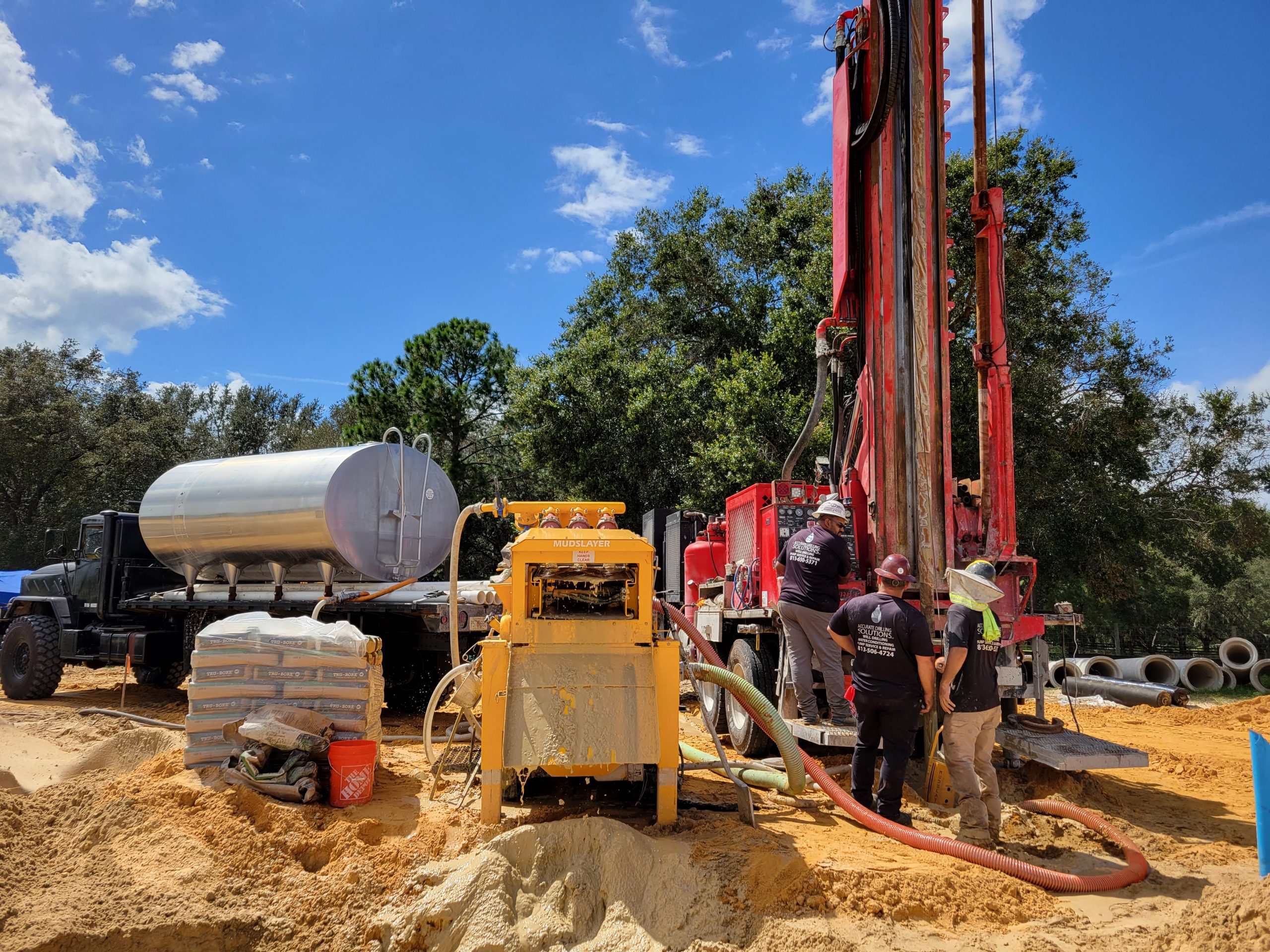
If your geothermal system in Largo is showing signs of reduced performance, the supply well may be the source of the problem. This article covers the key symptoms of well yield decline, limestone aquifer scaling, and reduced system efficiency — and what to do about them.
Selecting the right well pump system in Zephyrhills involves more than picking a pump off a shelf. This guide walks Pasco County property owners through submersible vs. jet pump comparisons, Florida-specific sizing factors, and why professional installation is the only responsible path forward.
Largo's coastal position, shallow Floridan Aquifer access, and aging residential well infrastructure create specific stress patterns on well pump systems. Understanding these local conditions helps homeowners protect their equipment before problems develop. Learn what makes Largo different — and what to do about it.