
Your well is doing its job quietly underground — until something changes. Water pressure drops. Sediment shows up in the tap. A faint sulfur smell lingers after you run the faucet. These are the moments Spring Hill homeowners start asking questions about what’s actually happening inside their well. A video well inspection is often the fastest, clearest way to get answers.
Below are the questions we hear most often from homeowners in Spring Hill and throughout Hernando County. Clear answers help you make informed decisions about your water supply.
What Is a Video Well Inspection?
A well camera inspection uses a waterproof, high-resolution camera attached to a flexible cable. The camera is lowered down through your well casing from the surface. As it descends, it transmits real-time video footage showing the interior walls of the casing, the water column, and the condition of components like the pump and drop pipe.
The entire process is non-invasive. Nothing is removed, and nothing is disturbed unless a problem is found and repair work begins. The inspection gives you a visual record of exactly what’s happening inside a structure you’ve never been able to see with the naked eye.
What Does a Well Camera Inspection Actually Show?
This is the question most homeowners are most curious about. The camera reveals quite a bit. Here’s what a well inspection in Florida commonly uncovers:
- Well casing damage — cracks, holes, or separation in the casing joints that can allow surface water or contaminants to enter the well
- Biofouling and mineral buildup — iron bacteria and scale deposits coating the inside of the casing, which can restrict flow and affect water quality
- Sediment accumulation — sand or silt that has settled at the bottom of the well, which is a common issue in Florida’s sandy soils
- Pump and drop pipe condition — visible corrosion, worn fittings, or a pump sitting at the wrong depth
- Screen condition — the well screen at the bottom can become encrusted or damaged over time, reducing yield
- Intrusion points — gaps where insects, roots, or surface water have found a way in
Knowing what’s present — and what isn’t — shapes every decision that follows. You can’t treat a problem you can’t identify.
How Does Florida’s Limestone Geology Affect What Inspectors Find?
Spring Hill sits above the Floridan Aquifer System, one of the most productive aquifer systems in the world. But productive doesn’t mean problem-free. Florida’s karst limestone geology creates specific well conditions that inspectors see regularly in this region.
Limestone is naturally porous and prone to dissolution over time. This can create voids and fracture zones near a well. Inspectors often find that older well casings in this area have shifted slightly or developed stress fractures where the casing passes through softer limestone formations. These fractures become entry points for sand, minerals, and in some cases, surface contamination.
The Floridan Aquifer also contains naturally elevated levels of hydrogen sulfide — the source of that familiar sulfur smell many Spring Hill homeowners live with. A video inspection won’t fix that chemistry, but it helps rule out structural problems as a contributing factor before any treatment approach is planned.
Iron bacteria are another frequent finding in Florida wells. They thrive in groundwater rich in dissolved iron and manganese, coating well casings and screens with a rust-colored, slime-like layer. Iron bacteria don’t make water dangerous on their own, but they reduce well efficiency and affect taste and odor.
When Should a Spring Hill Homeowner Schedule a Well Inspection?
There’s no single trigger — several situations make a video well inspection the right next step.
You’re Buying or Selling a Home with a Private Well
A well camera inspection gives both parties an honest picture of the well’s condition. It’s a standard part of due diligence for any property transaction involving a private water supply in Florida.
Water Quality Has Changed
New odors, discoloration, or sediment coming through the tap can have several causes. Some are treatment issues. Others point directly to structural problems inside the well. An inspection separates one from the other quickly.
Pressure or Yield Has Dropped
Reduced flow can be a pump issue, a casing problem, or a screen that’s become blocked. The camera shows which one — or which combination — you’re dealing with. From there, the right repair is straightforward to plan.
After a Major Storm or Hurricane
Florida’s storm season puts stress on well infrastructure. Heavy rainfall, flooding, and pressure changes underground can dislodge well caps, compromise casings, and drive surface water into the well. A post-storm inspection confirms whether the system is still sound. Hernando County sees significant rainfall events, and Spring Hill homeowners with older wells should treat a major hurricane as an automatic reason to schedule an inspection.
The Well is More Than 10–15 Years Old Without a Recent Inspection
Many homeowners have never had a camera put down their well. If that’s the case and the well is aging, scheduling a well inspection in Florida is simply responsible maintenance — the same way you’d inspect a roof or service an HVAC system on a regular schedule.
Does the Inspection Require the Well to Be Taken Offline?
Not for long. The camera is lowered alongside the existing drop pipe and pump. In most cases, water service is interrupted only briefly, if at all, during the inspection itself. The footage is reviewed in real time, and a clear report of findings follows.
If the inspection reveals that pump removal is needed for a closer look or for repairs, the technician will walk you through what that involves before any additional work begins. The Spring Hill well services team at Accurate Drilling Solutions handles both the diagnostic and the repair work, so there’s no gap between finding a problem and addressing it.
Can a Video Inspection Prevent Larger Problems Down the Road?
Yes — and this is one of the strongest practical arguments for scheduling one. Well casing damage that’s caught early is far more manageable than casing failure that has allowed years of contamination or structural degradation. Biofouling identified before it becomes severe can be addressed with well rehabilitation. A pump sitting at the wrong depth, once corrected, stops putting unnecessary strain on the system.
Preventive inspection is especially relevant in Hernando County, where properties were developed heavily during the 1980s and 1990s. Many private wells in Spring Hill are now 30 or more years old. Age alone isn’t a death sentence for a well, but it does make regular monitoring worth doing.
The Accurate Drilling Solutions team has worked on wells across Hernando, Hillsborough, Pasco, and surrounding counties for years. We know what the local geology tends to produce, and we’re equipped to document what the camera finds and recommend a clear path forward. You can also explore our well maintenance agreements if you’d prefer a scheduled approach to long-term well health.
If you have questions or want to schedule a video well inspection in Spring Hill, call us at 813-643-6161. We’re straightforward about what we find and what your options are.
Frequently Asked Questions
How long does a video well inspection take?
Most residential well camera inspections are completed within one to two hours, depending on the depth of the well and what the camera encounters during the descent. Deeper wells naturally take more time to inspect thoroughly. If additional work is needed after the inspection, a technician will outline the scope before proceeding so you have a full picture of what’s involved.
Will I receive footage or a report from the inspection?
Yes. A proper well inspection should always include documented findings. Video footage from the camera and a written or verbal summary of conditions are standard deliverables. This documentation is useful if you’re in a real estate transaction, filing an insurance claim, or simply building a maintenance history for your property’s water system.
What does well casing damage look like on camera?
Casing damage typically appears as visible cracks running horizontally or vertically along the casing wall, separated joints where two sections of casing have pulled apart slightly, or areas where the casing has been deformed by soil pressure. In Florida’s karst geology, inspectors also occasionally find sections of casing that have shifted due to limestone voids forming nearby beneath the surface.
Can a video inspection tell me if my water is safe to drink?
A camera inspection assesses the physical and structural condition of the well, not the chemical makeup of the water. It can identify conditions — like casing breaches or visible bacterial fouling — that suggest contamination risk. For a complete picture of water safety, a camera inspection should be paired with a water quality test that screens for bacteria, nitrates, and other relevant parameters specific to Florida groundwater.
Is a video well inspection the same as a water test?
No — they measure different things and work best together. A water test analyzes what’s in your water chemically and biologically. A well camera inspection shows the physical condition of the well structure itself. Problems found during a visual inspection often explain results seen in water testing, and vice versa. Using both gives you the most complete understanding of your well’s health.
How often should a private well in Florida be inspected with a camera?
There’s no state-mandated schedule for camera inspections on residential wells, but industry professionals generally recommend an inspection every five to ten years for a well in good condition, or sooner if water quality changes, pressure drops, or a major storm has occurred. Older wells — particularly those installed before the 1990s — benefit from more frequent monitoring given the age of the infrastructure.
continue reading
Related Posts
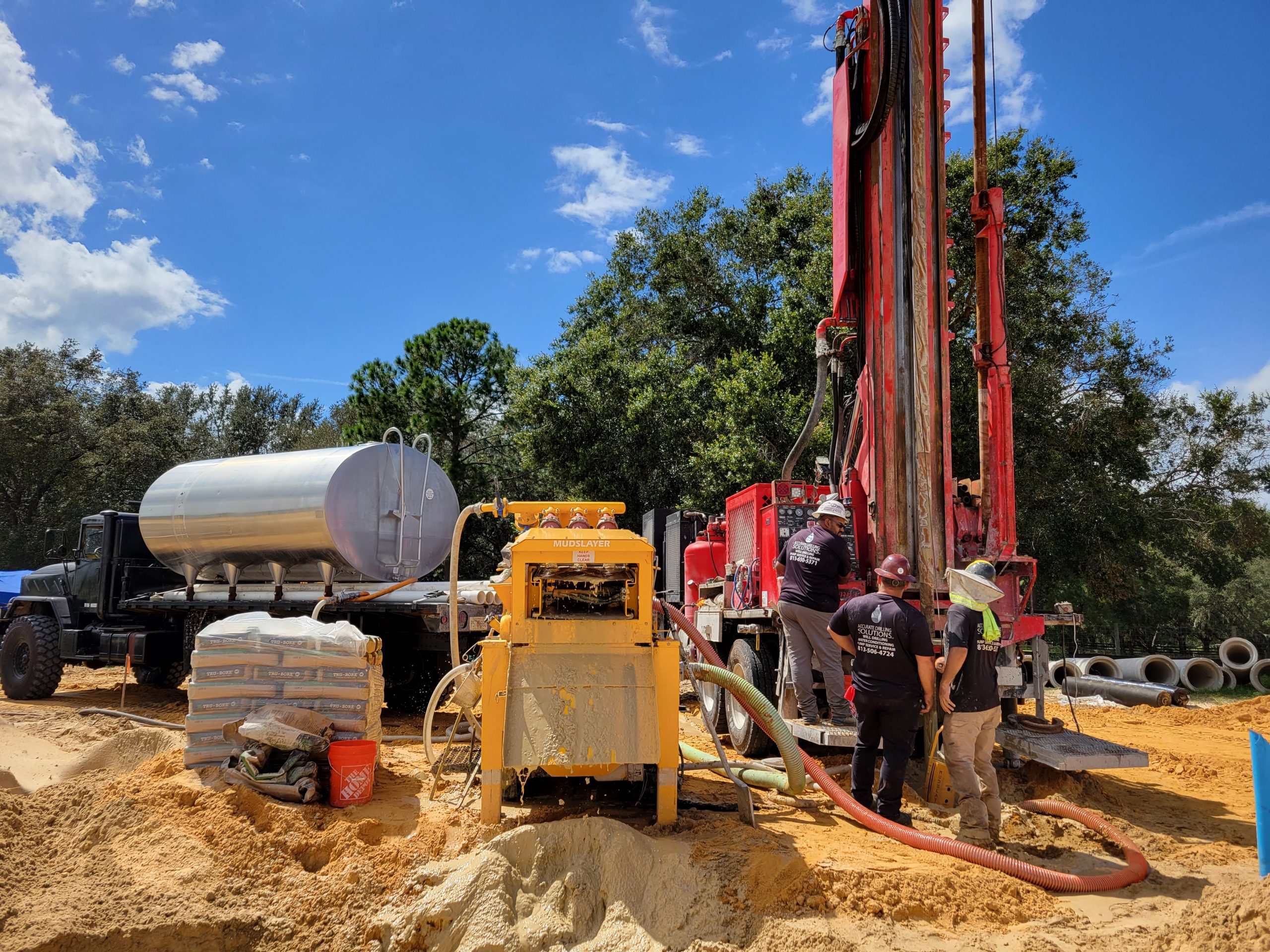
If your geothermal system in Largo is showing signs of reduced performance, the supply well may be the source of the problem. This article covers the key symptoms of well yield decline, limestone aquifer scaling, and reduced system efficiency — and what to do about them.
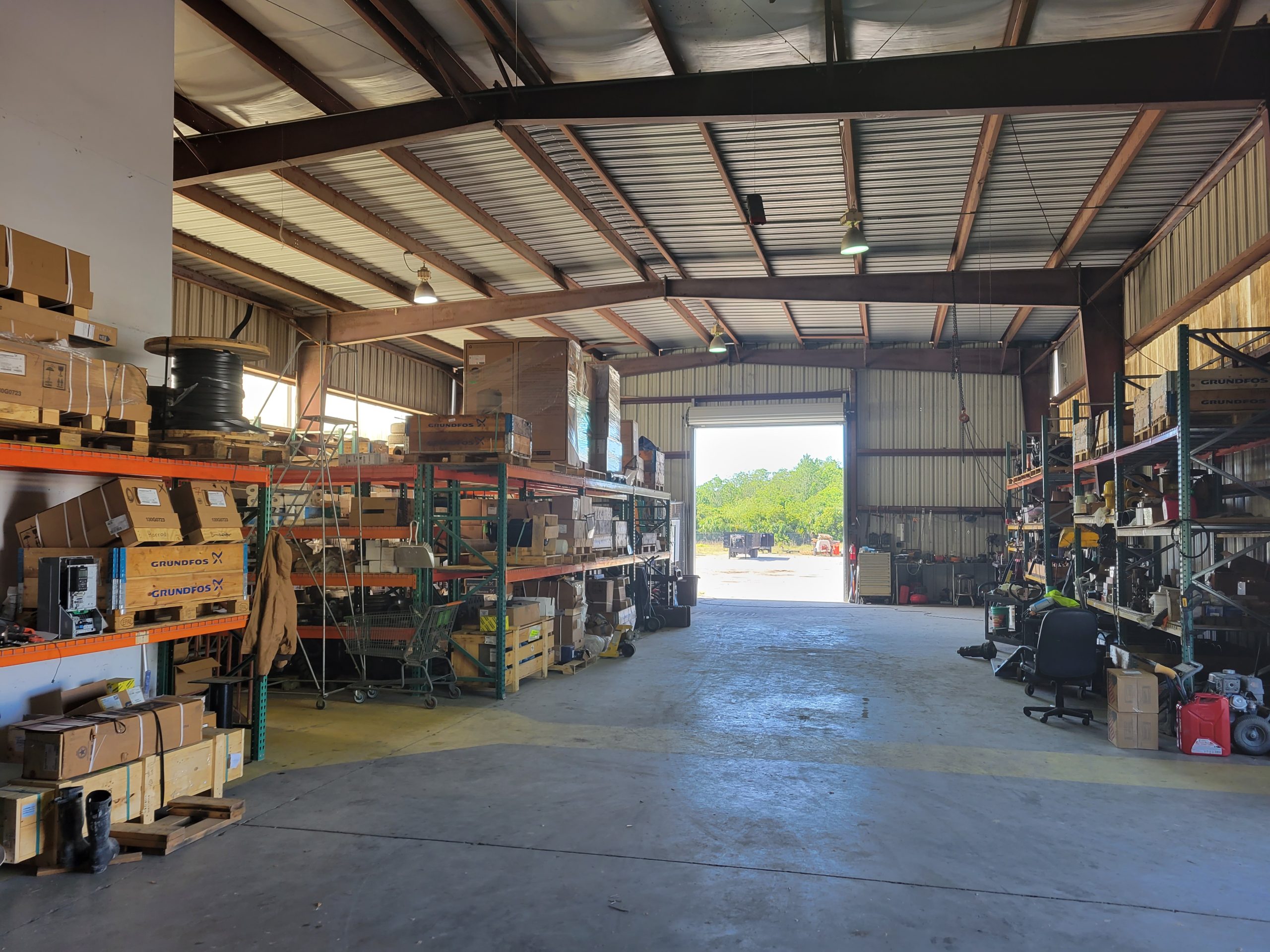
Selecting the right well pump system in Zephyrhills involves more than picking a pump off a shelf. This guide walks Pasco County property owners through submersible vs. jet pump comparisons, Florida-specific sizing factors, and why professional installation is the only responsible path forward.
Largo's coastal position, shallow Floridan Aquifer access, and aging residential well infrastructure create specific stress patterns on well pump systems. Understanding these local conditions helps homeowners protect their equipment before problems develop. Learn what makes Largo different — and what to do about it.