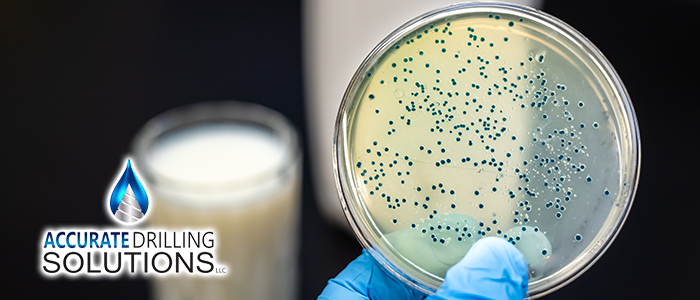
Testing Your Tap Water for Bacteria
We discussed in the previous article the possible contaminants in your water. In this follow-up, we will be delving into the details of testing for those potential bacteria.
Talk with the Professionals
–you hire about the type of results you want and how quickly you need them.
- Don’t be afraid to ask questions. The more educated you are about the results, the better decisions you can make, like whether or not it’s time to replace your plumbing fixtures or faucets.
- Don’t be afraid to get a second opinion. If something doesn’t seem right with your water test results, consider getting another idea from an outside expert. You should contact an independent lab or a plumber who specializes in testing for bacteria and other contaminants in drinking water systems before making significant changes, like replacing all of your home’s pipes based on your initial test results alone.
Be sure!
If you are concerned about tap water, consider testing for bacteria and other contaminants. Some examples of these include testing for the presence of nitrates, heavy metals, lead, and copper. In addition, consider testing for pesticides or herbicides as well as radon.
Suppose you think your tap water might be contaminated with pesticides and herbicides. In that case, it is best to test them specifically in order not to miss anything since these pesticides can be found in both surface water, such as rivers or lakes, as well as groundwater supplies, such as wells or springs, which can have an impact on the health of people living nearby them if consumed regularly over time due to bioaccumulation effects where substances move up through food chains until they reach humans who eat animals which have been fed on treated crops hence why it is essential if possible to try to avoid drinking from any sources that could contain high levels.
Results showing the presence of bacteria in your water are only sometimes conclusive proof that you have contaminated water, but it is a good idea to check it out further.
Positive Results
If you get a positive result, it is sometimes conclusive proof that your water is contaminated. The presence of bacteria in the test sample may mean that harmless bacteria are present in your water. Still, it may also be present because a company took the sample from a part of the distribution system where such contamination was found. To check this out further, you will need to get an additional test done for that specific type of bacteria detected and see if it matches what was found in your first test. It may also be necessary to test for other contaminants (such as lead) if they are suspected to be present and could cause illness if consumed over time.
It’s possible to test REGULARLY for bacteria using professional companies and experts like those on our team here at accurate drilling.
Testing your tap water for bacteria is the best way to ensure that the water you and your family uses is safe. You can do it yourself, but it’s better to have a professional company, like Accurate Drilling, come out to test for bacteria in your drinking water. There are several methods of testing available, including:
- Surface Sample Testing–This method tests a small amount of water from where the main supply enters your home. It can detect whether there are any harmful bacteria present in this area.
- Well Sample Testing–A well sample test checks for coliforms (harmful bacteria) at the bottom of wells that may not be visible or accessible by other means such as surface sampling or direct sampling methods. While these tests are considered less accurate than others, they are still helpful when used alongside other methods. Surface sampling is used since it provides more information about what might be happening underground near where you live.
In Conclusion–The best way to keep your water safe is by testing for bacteria regularly.
Ideally, you should test your water at least once every six months. If you have a family member who has recently recovered from an illness, consider trying more often during cold and flu season. You can test your tap water using professionals like the ones here at Accurate Drilling and other companies specializing in this service. If you prefer, do-it-yourself kits are available at most grocery stores or hardware stores. Test results showing bacteria in your water are not always conclusive proof that there is contaminated water and may require a second opinion.
continue reading
Related Posts

Fall is one of the most strategic times for well pump installation in Ridge Manor, FL. This article explains how hurricane season wind-down, Hernando County limestone aquifer cycles, and contractor scheduling patterns all point to October and November as the smart window to act.
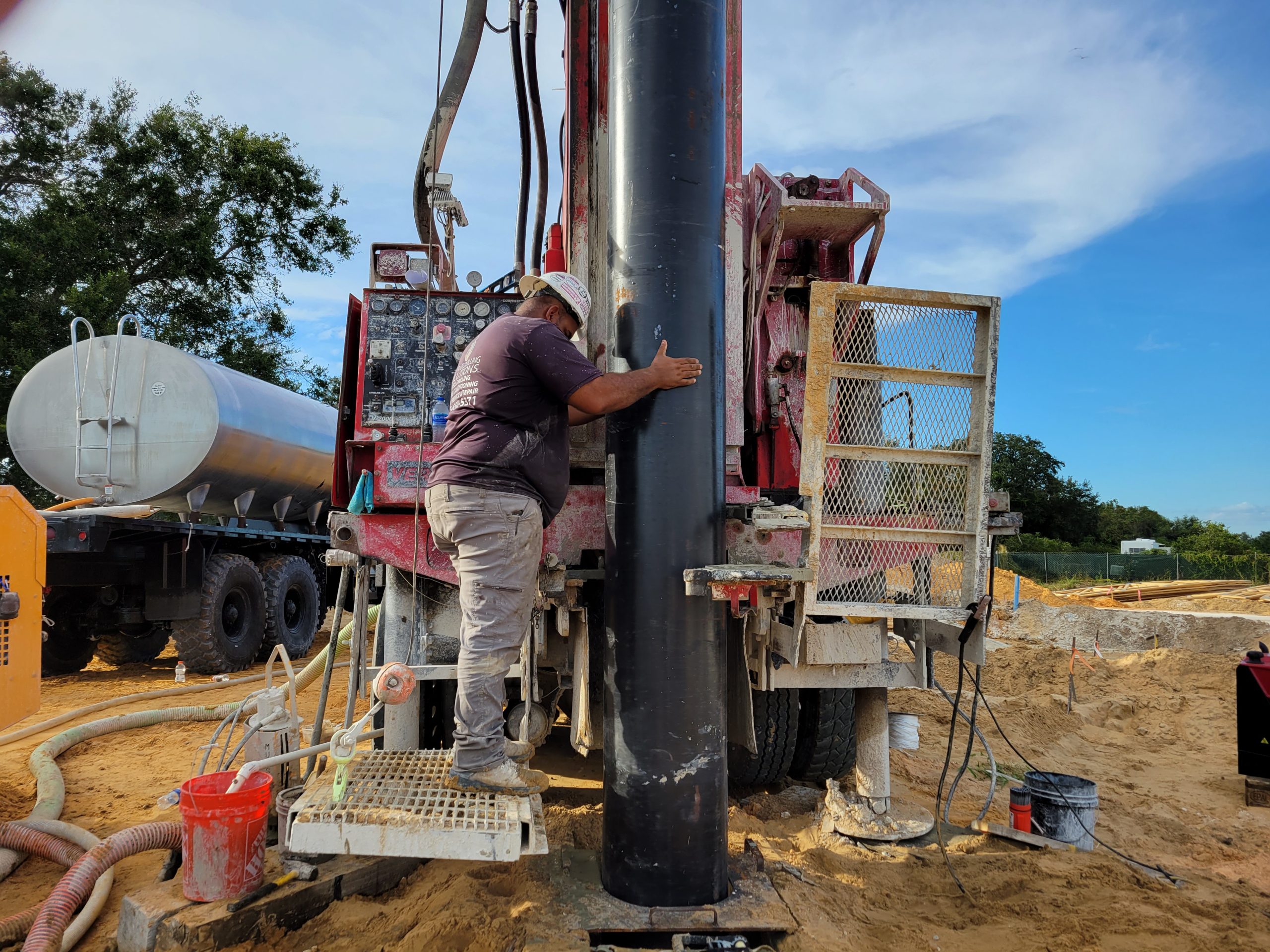
August in Brooksville combines peak household water demand, hurricane season risks, and Florida aquifer pressure fluctuations — making it one of the most demanding periods for private well systems. This article explains what is happening underground right now and what Hernando County homeowners should do to protect their water supply before a problem develops.
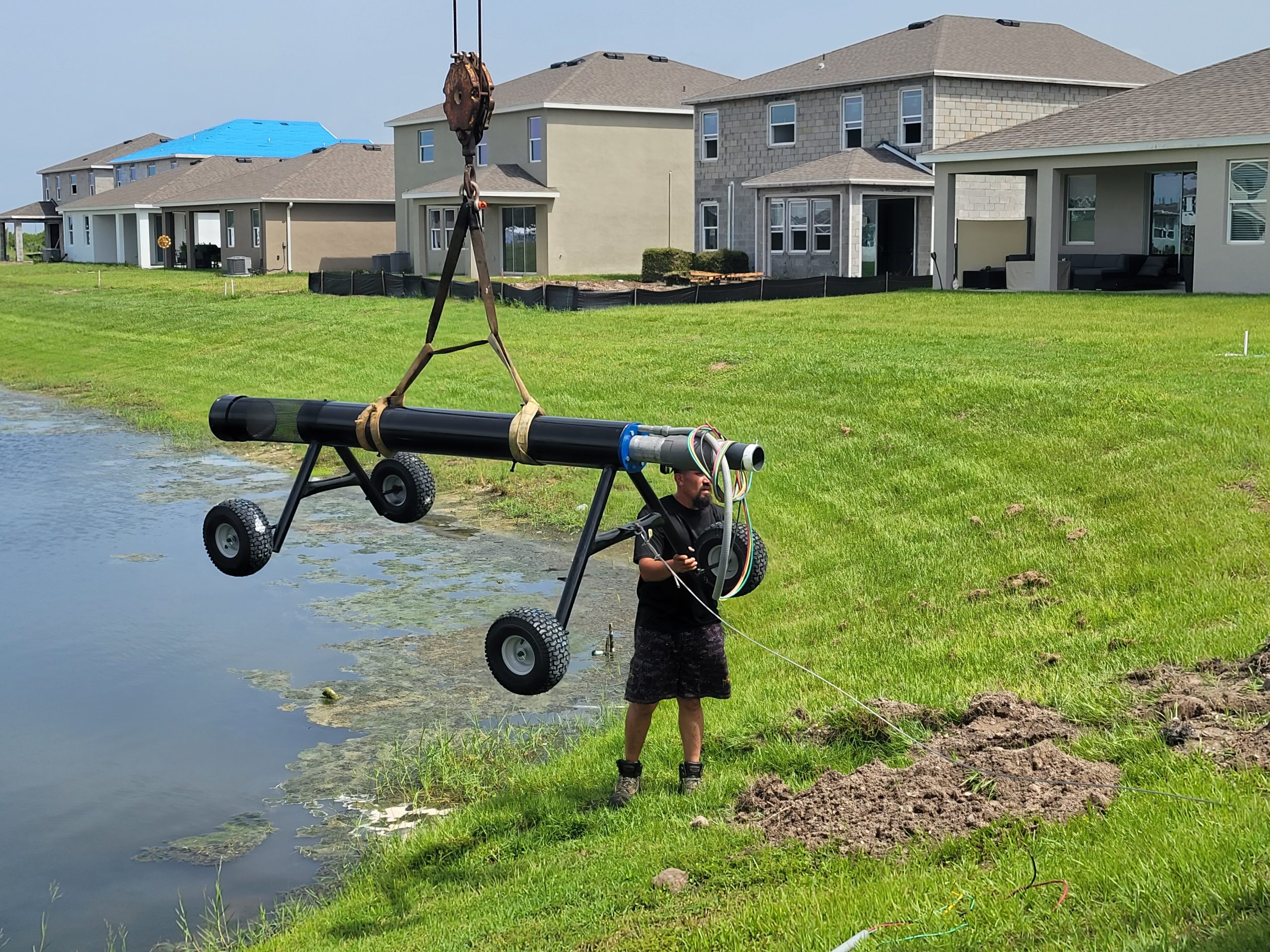
Scheduling a commercial pump system service in Spring Hill doesn't have to be a mystery. This guide walks property managers and business owners through every phase of the service visit — from initial site assessment and diagnostics to post-service testing and documentation.