The Basics of Pumping Off and Drawdown
So, what is Pumping Off and Drawdown? If your water well is pumping off, the water level in the well is getting lower and lower. This can happen for several reasons, including excessive pumping, which may cause the water table to drop, or a system malfunction.
Your water well contractor will sometimes use big words to describe what is going on in your well. This is an attempt to explain some of those terms.
When a well pumps off, no water flows into the pump when it turns on. Instead, you can hear or feel the air from your faucets. If you have a pressure tank, it will activate and start making noise. This is called an “air hammer.”
If you think your water supply has been affected by drawdown or pumping off, contact your local licensed professional immediately so they can help you fix your problem before things get worse!
The Things You Need To Know About Pumping Off and Drawdown:
If you have a water well, there are some things you need to know.
First, your water well contractor will sometimes use big words to describe what is going on in your well. This is an attempt to explain some of those terms.
Drawdown: This refers to the amount of water removed from the aquifer and stored in your well. It also refers to the water removed from the aquifer but not stored in your well. In either case, drawdown is always indicated by negative numbers—a decrease in water in the aquifer between two points in time.
Pumping Off:
This refers to the amount of water that has been removed from the aquifer and sent back into it through your pump—therefore, more water was pumped out than was put back into it (which means there was more drawdown than pumping off). This term describes a pump’s maximum capacity for pumping off without drawing down too deeply into its reserve tank. If this occurs, something must be adjusted or changed to avoid happening again (usually related to how much pressure is applied).
What it is:
Drawdown and pumping off are two terms that describe a process your water well contractor may use to clean your well.
Drawdown occurs when the pump lowers into your well. This process reduces the water level in your well, which allows access to the pump, pipes, and other parts of the well. The contractor will then allow air into the system to remove debris and repair or replace worn or damaged parts.
Pumping off is when water is removed from the well to expose these parts for cleaning or repair. Again, this process must be done correctly by an experienced professional because it can cause damage to your well if done incorrectly.
In Conclusion
If you live in an area that experiences a lot of drawdowns, it’s essential to prepare for this sudden problem. It’s good to know what causes them and how to fix them so that you don’t have any issues when they do happen.
You should trust one of our experienced, certified technicians with your well and water needs.
continue reading
Related Posts
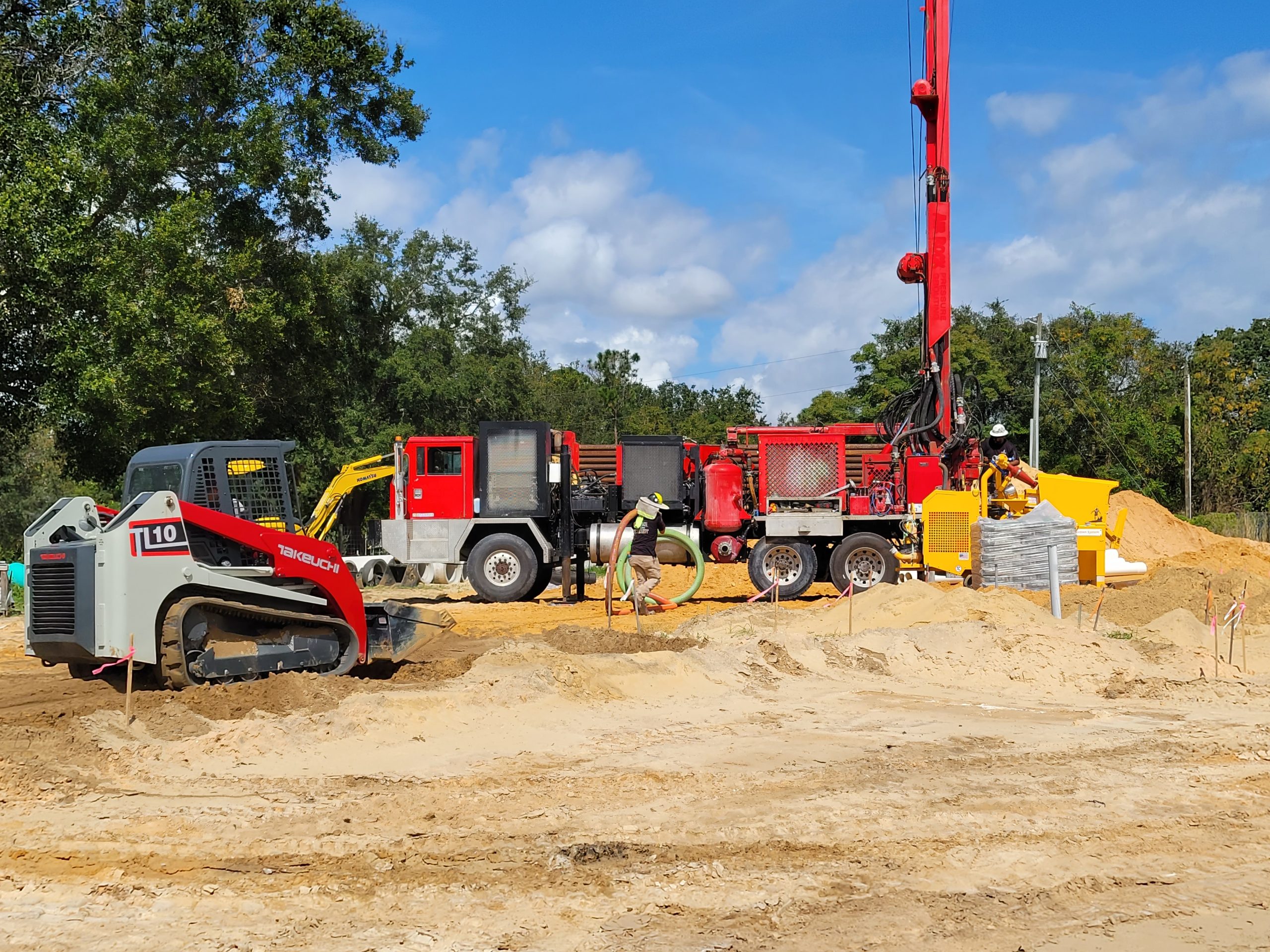
Fall is one of the most strategic times for well pump installation in Ridge Manor, FL. This article explains how hurricane season wind-down, Hernando County limestone aquifer cycles, and contractor scheduling patterns all point to October and November as the smart window to act.
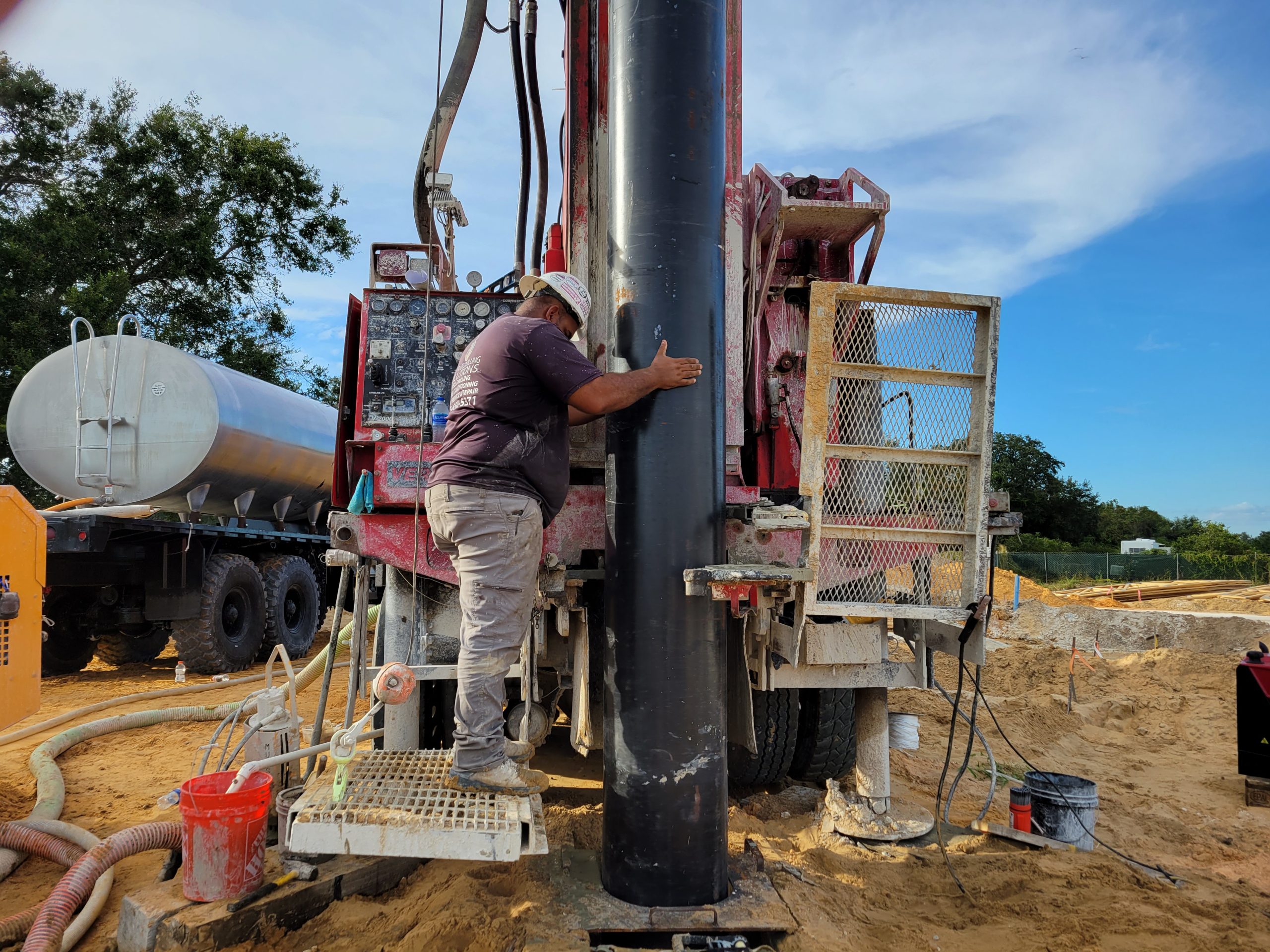
August in Brooksville combines peak household water demand, hurricane season risks, and Florida aquifer pressure fluctuations — making it one of the most demanding periods for private well systems. This article explains what is happening underground right now and what Hernando County homeowners should do to protect their water supply before a problem develops.
Scheduling a commercial pump system service in Spring Hill doesn't have to be a mystery. This guide walks property managers and business owners through every phase of the service visit — from initial site assessment and diagnostics to post-service testing and documentation.