How to Properly Abandon Your Well
Water wells are used for a variety of purposes, including the production of drinking water and irrigation. Wells can also be used for other activities such as oil or gas exploration, geothermal energy production and wastewater disposal. In this article, we discuss the proper abandonment of unused or failed water wells—including drilled and dug types . We’ll also cover some of the requirements for filling abandoned wells, as well as some of the potential consequences if you don’t follow the rules to properly abandon your well.
Abandon your Well and Well Safety
Unused or forgotten wells may pose a threat to the people and animals in your neighborhood. Wells can become unused or forgotten over time, especially if the water source is no longer needed. When this happens, the well may not be properly maintained. If its condition deteriorates to the point that it poses a safety hazard, you should take action immediately.
Without proper abandonment, holes dug in the earth are dangerous: people, children animals or objects (thus also including water) falling into such wells could be fatal. The safety of your family and pets is important. If you suspect that a well has been abandoned or forgotten, here are some signs to look for:
- An old, rusted pump
- Sightings of snakes or other animals near the well site
- No water in the well but there’s a dripping sound nearby
And even if protected by a cover, if abandoned wells are not filled-in they can contaminate the environment, polluting nearby drinking water sources.
How to Do It Properly
Properly abandoning a drilled water well or bore hole (such as a well with a steel casing) usually means a series of steps, each can usually be found online on your state’s websites, where they’ll provide a number of detailed instructions. Depending on your state’s regulations, you may have to disinfect the well and hire a licensed professional to do it. Other factors that can increase the cost of decommissioning a well include location.
If a well is located on private property, it may be necessary to contact both the property owner and the local health department. The cost of decommissioning a well depends on the depth, diameter , and geology. Special equipment may be required to remove old pumps or pipes from the well—or even just access it.
Conclusion
With this finished, we’ve provided a few helpful tips on decommissioning your well. Local regulations will usually dictate what steps you need to take, so be sure to look online for your local regulations in the process. It’s not nearly a one-size-fit-all solution. If you have any questions or concerns, please don’t hesitate to reach out. We’re happy to help in any way we can!
Otherwise, feel free to contact our experts at Accurate Drilling for all your other needs. We even have a blog with regular updates on all the hottest monthly topics for curious minds to explore!
continue reading
Related Posts
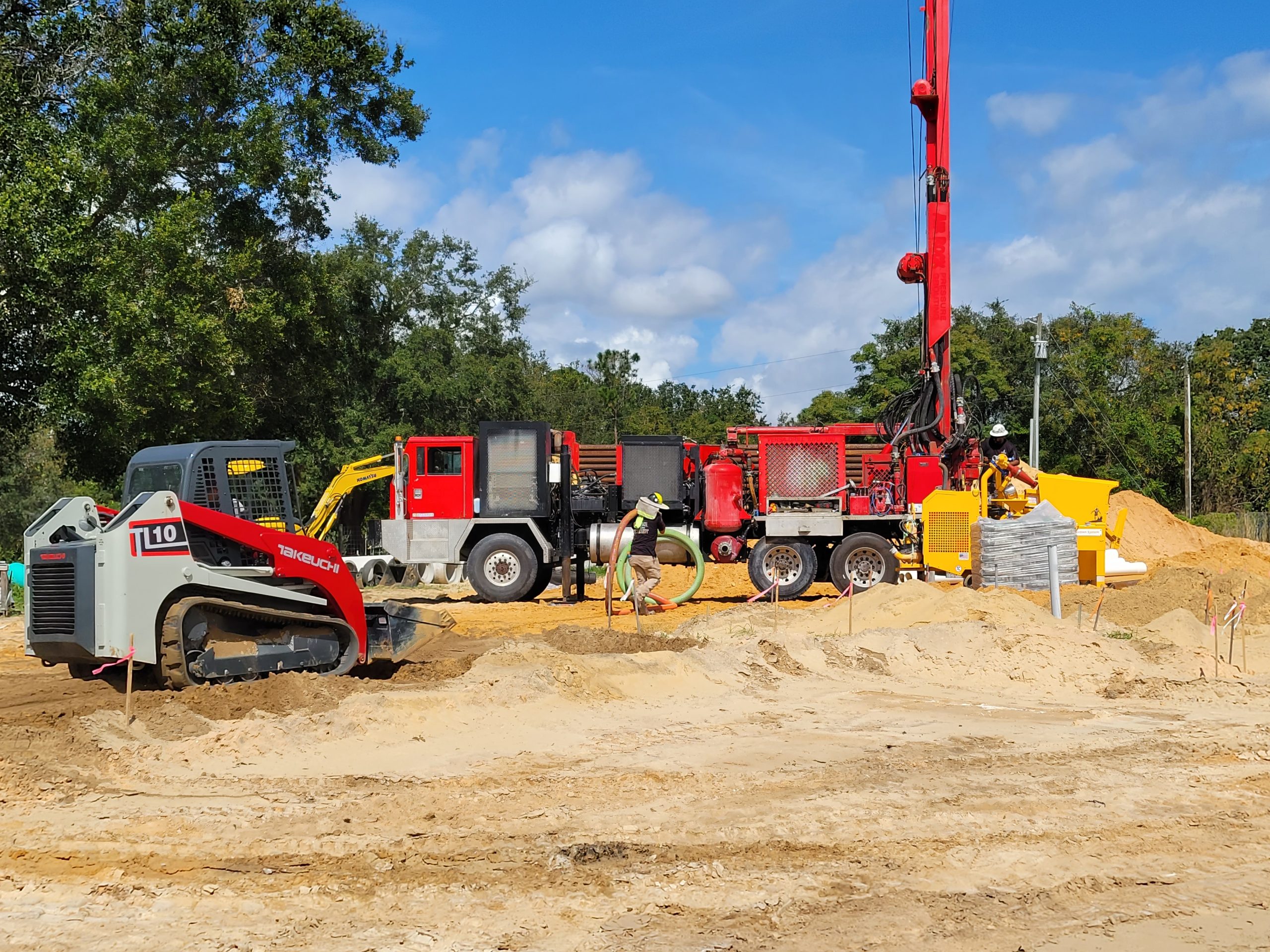
Fall is one of the most strategic times for well pump installation in Ridge Manor, FL. This article explains how hurricane season wind-down, Hernando County limestone aquifer cycles, and contractor scheduling patterns all point to October and November as the smart window to act.
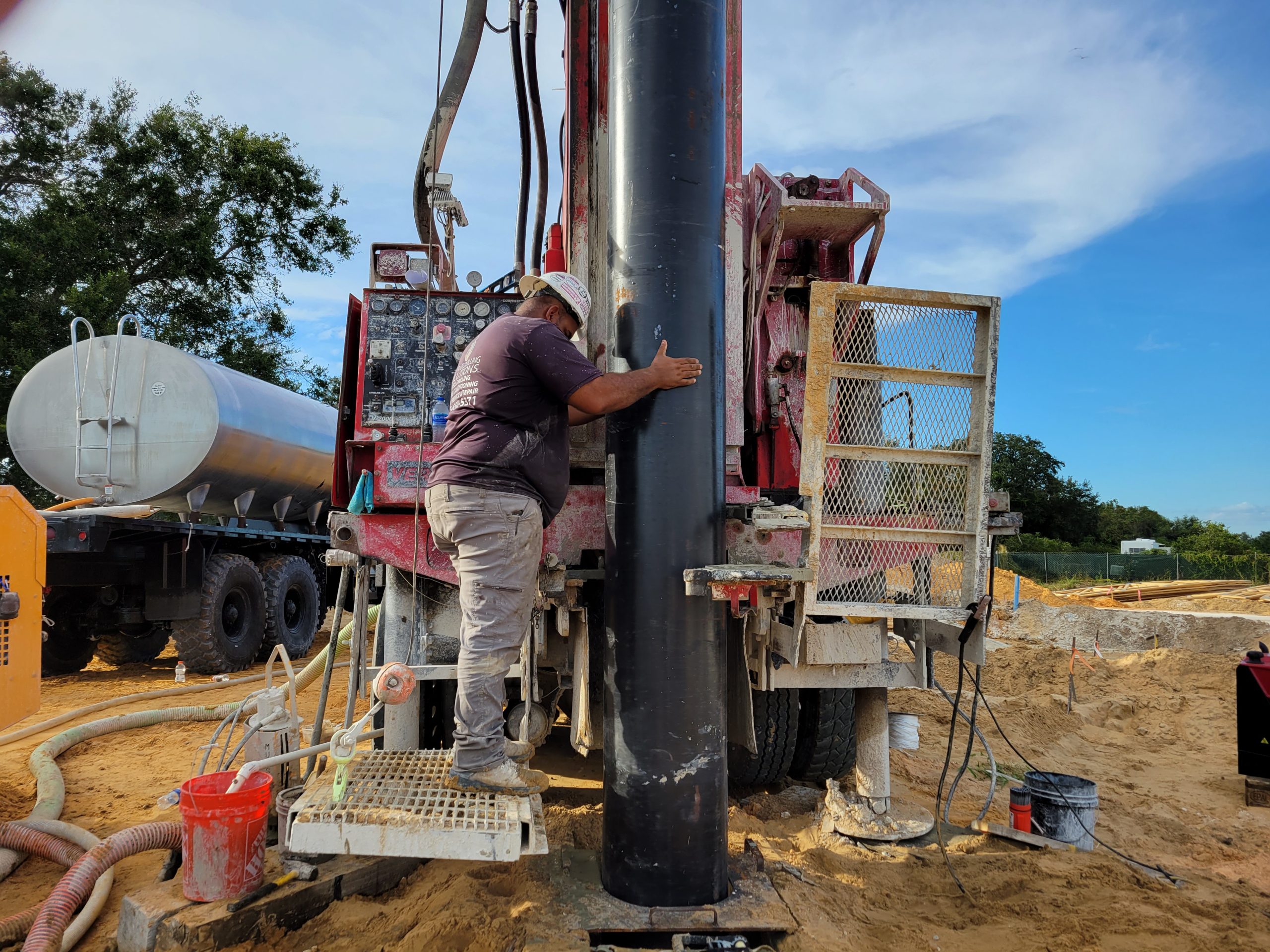
August in Brooksville combines peak household water demand, hurricane season risks, and Florida aquifer pressure fluctuations — making it one of the most demanding periods for private well systems. This article explains what is happening underground right now and what Hernando County homeowners should do to protect their water supply before a problem develops.
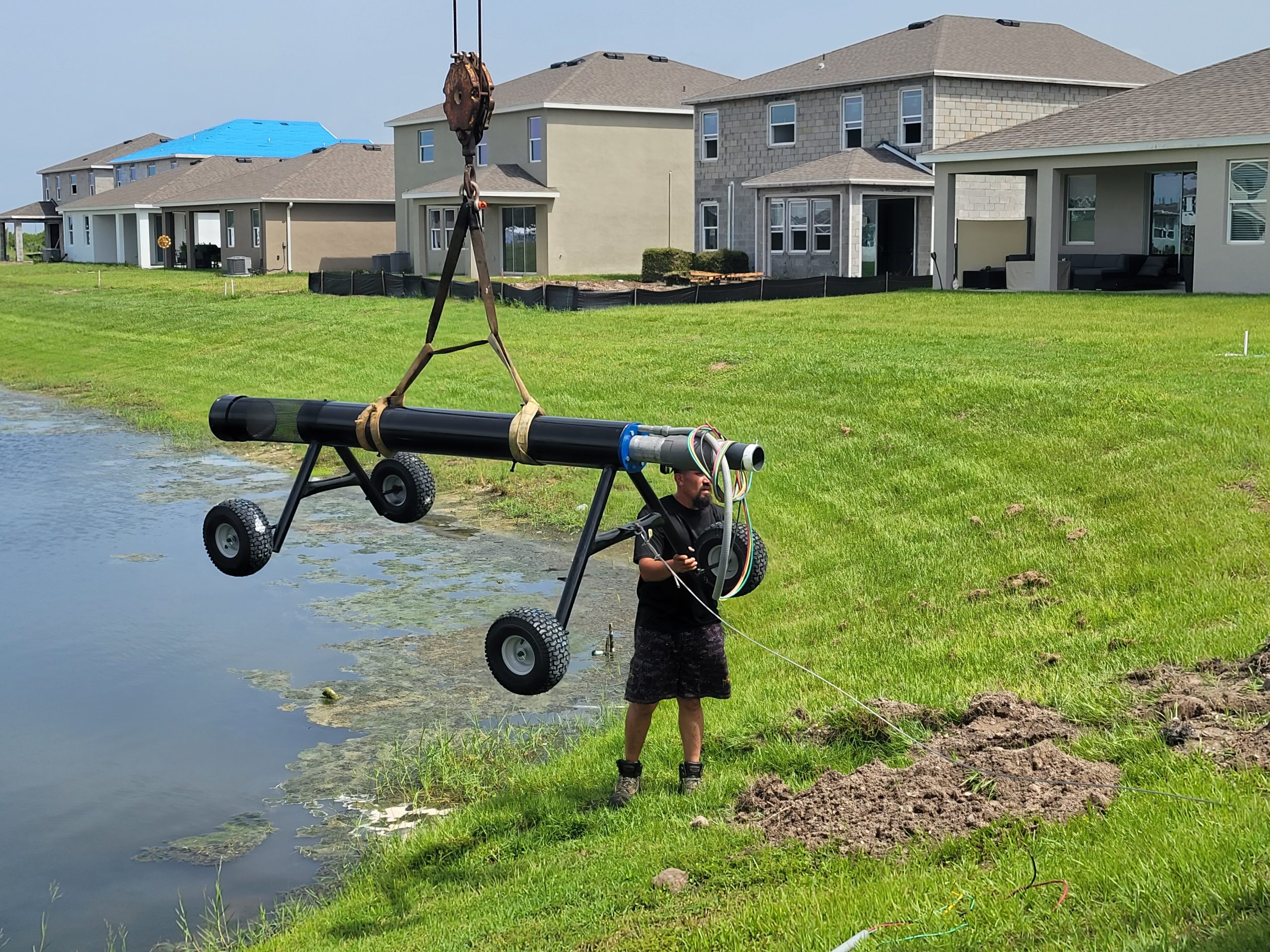
Scheduling a commercial pump system service in Spring Hill doesn't have to be a mystery. This guide walks property managers and business owners through every phase of the service visit — from initial site assessment and diagnostics to post-service testing and documentation.