Is My Well Causing Illnesses
In America, over seven million people get sick from water each year. Could you be one of them? While our tap water tends to be cleaner than many other countries’, there’s still a chance for contamination. This is also true for well water. Well water is usually – And that’s the operative word – More reliable even than tap water. Knowing that, is it possible that your well water is making you sick? In this article, we’ll cover some of the signs that your well has become unhealthy. There are several pathogens and contaminants to be aware of, so let’s go over them.
Before You Drink
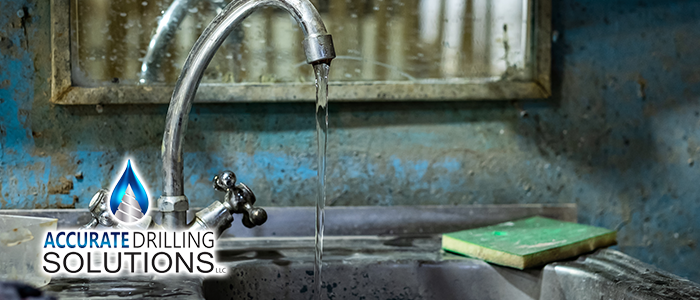
Often you can tell contaminated water is unsafe before you even drink it. This isn’t always true, but you should still know the warning signs. Some are obvious. For example, you should think twice about drinking water with particulate or sediment. If you see sand, floating debris, or solid matter in your water, don’t drink it. Though the water itself may be safe, your plumbing could contaminate it. This water is unsafe because of the materials in it.
Other Warning Signs
If your water appears discolored, it may be that there is sediment dissolved in it. It could also be chemical pollution or rust. This water may not be as dangerous to drink in most cases (for orange and red water) but can stain. It can also damage your pipes.
Any film or skin on top of your water is a bad sign. If it breaks up when you stir it, you may have a bacterial contamination in your well. This could signify that your pump is worn out or your well is damaged. A bad smell, especially like sulfur or sewage, usually indicates contamination. Sulfur bacteria release hydrogen sulfide gas, which can cause nausea, irritation, and respiratory tract inflammation.
E. Coli in your Well Causing Illnesses
One of the most significant contaminants your well may have is coliform bacteria. Because it causes symptoms present in most illnesses, it can be hard to tell if it’s present in your well. Drinking water contaminated with E. Coli can also cause various symptoms. For example, you may experience a fever above 101° F, headaches, body aches, nausea, cramping, diarrhea, fatigue, etc.
If you’re experiencing these symptoms and suspect it may be due to your well water, it’s essential to have your well tested. A contaminated well can leave you feeling very ill over time, and treatment is available. Likewise, there’s no reason to leave your water to “spoil” with contamination.
You can read more about various contaminants on our website. In addition, we feature articles covering a wide range of well safety topics. With proper filtration and maintenance, your well will be safe for years to come. If you need service on an existing well or would like to dig a new one, give us a call.
Sometimes, old wells are better off abandoned. Most times, however, even a contaminated well can be brought back to service. Don’t put up with discolored, smelly, or unhealthy water. Your well can and should run without a flaw. If it doesn’t, Accurate Drilling will help.
continue reading
Related Posts

Mulberry and Polk County homeowners have specific questions about well pump repair — from sulfur water corrosion to pressure tank failure and what happens during a service call. This FAQ-style guide answers the most common ones with practical, locally relevant detail.

Parrish and Manatee County's rapid shift from agricultural land to residential development has left behind a legacy of shallow, unmaintained wells that present distinct abandonment challenges. Local limestone conditions, loose soils, and incomplete permit records make proper well decommissioning here more complex than in other parts of the Tampa Bay region. Understanding what sets Parrish apart is the first step toward addressing it correctly.

Fall is one of the most strategic times for well pump installation in Ridge Manor, FL. This article explains how hurricane season wind-down, Hernando County limestone aquifer cycles, and contractor scheduling patterns all point to October and November as the smart window to act.