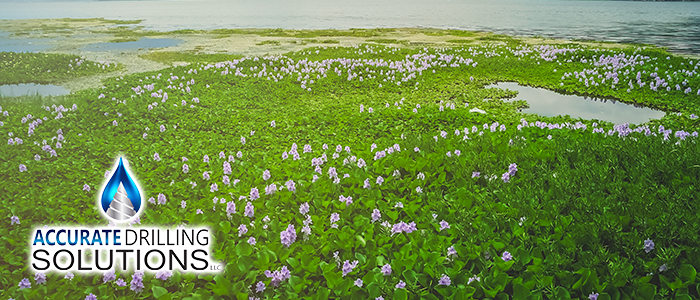
Florida is an amazing state to live in. One of the main attractions of Florida is its natural beauty. Since Florida was originally one giant wetland, as a result, your property may be located near or even have protected wetlands near or on it. In this article, we will discuss what you need to do in order to protect the wetlands on your property in order to keep them clean.
What are Wetlands?
Although there are many categories of wetlands, generally speaking, wetlands are those areas where water covers the surface all year round. They play an important ecological role in sustaining the environment and as such, may be protected by federal, state, and/or local ordinances or regulations.
How Does a Wetland Impact My Property?
Destroying a protected wetland, whether intentional or not, can lead to massive fines and criminal punishment. If there is a wetland on or near your property, you will need to take steps to make sure that as you irrigate your land, it does not interfere or detract from the protected wetland. Below are some steps you can take to protect the wetlands and avoid liability. Additionally, they play an important role in assisting with land irrigation and replenishing the water levels in the aquifers that supply private water wells.
Keep or Plant Native Plants as a Barrier
By keeping or planting native plants between your land and the wetlands, you will be creating a natural barrier. The native plants will not have to rely on fertilizer or pesticides to thrive and you will not have to worry about irrigating the plants to keep them healthy.
Do Not Plant Exotic Plants
Exotic plants can cause havoc on wetlands. Although they might look nice on your lawn, the exotic plants may invade the wetland, thus destroying it. Furthermore, changing or destroying the wetland may harm your property such as causing irrigation issues or lowering the water levels in your well.
Limit the Use of Pesticides or Fertilizer
By limiting the use of pesticides or fertilizer on land near wetlands, you avoid potentially contaminating the area. Fertilizer may even cause the native plants to grow at a rate that is unnatural for the wetlands to handle. This can lead to a negative impact on the wetland.
Do Not Pollute
Wetlands are created and replenished naturally by rain and storm water. It is important to make sure that your gray water is not being dumped into the wetlands. Not only may this be illegal, but it will also certainly pollute and destroy the environment.
Protect Your Animals
Although wetlands are a natural area for wild animals to congregate, it can be dangerous for domesticated animals such as dogs and cats. Cattle and horses can also present a danger and face unique risks there as well. By limiting and even preventing access of your animals to the wetlands protects both your animals and the wetland itself.
continue reading
Related Posts
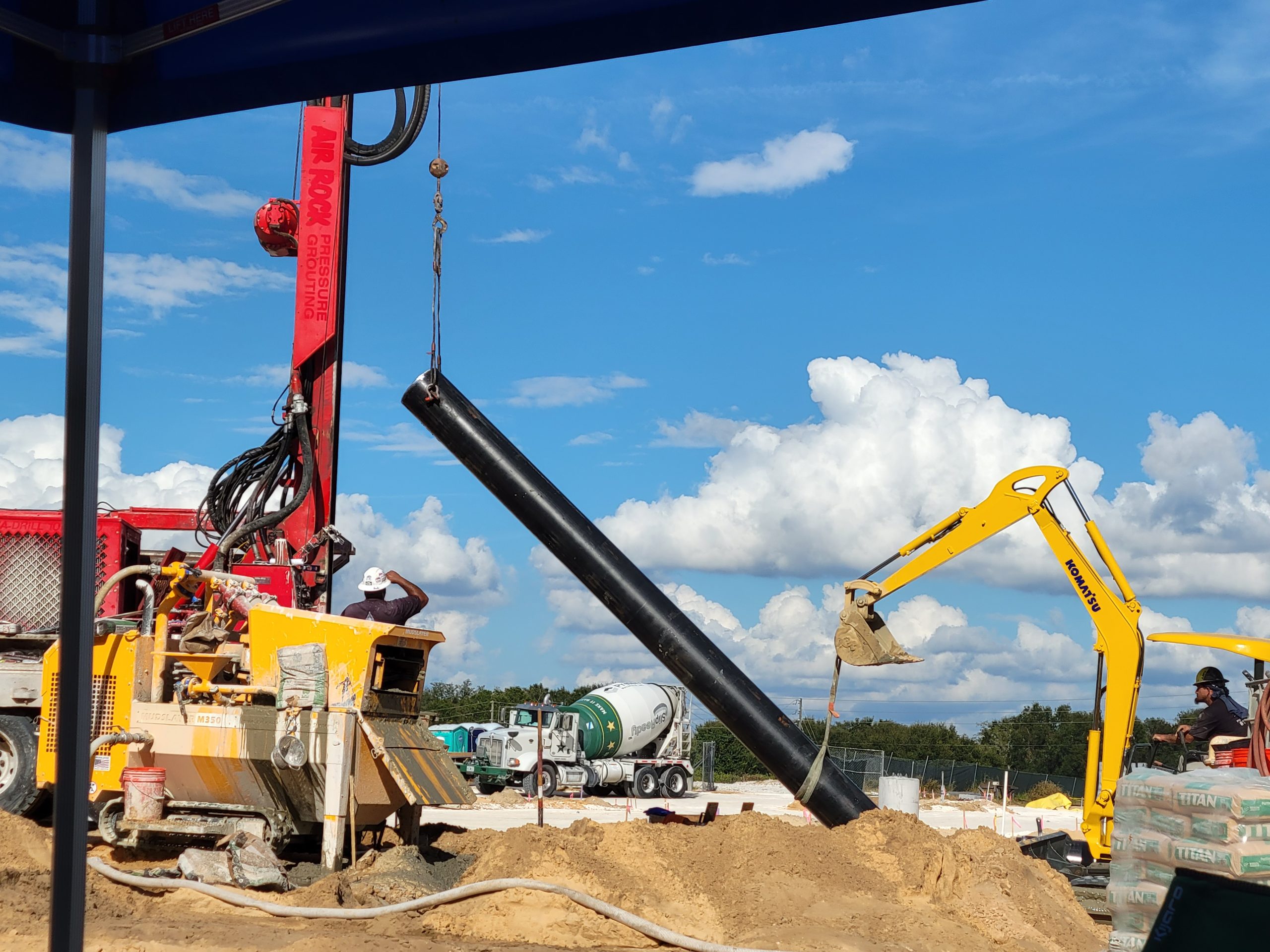
With hurricane season ending and winter rains approaching, fall is the critical window for Largo property owners to properly decommission abandoned wells before surface contaminants reach the Floridan aquifer. Learn what proper well abandonment involves, why Florida regulations require it, and why waiting carries real risk.
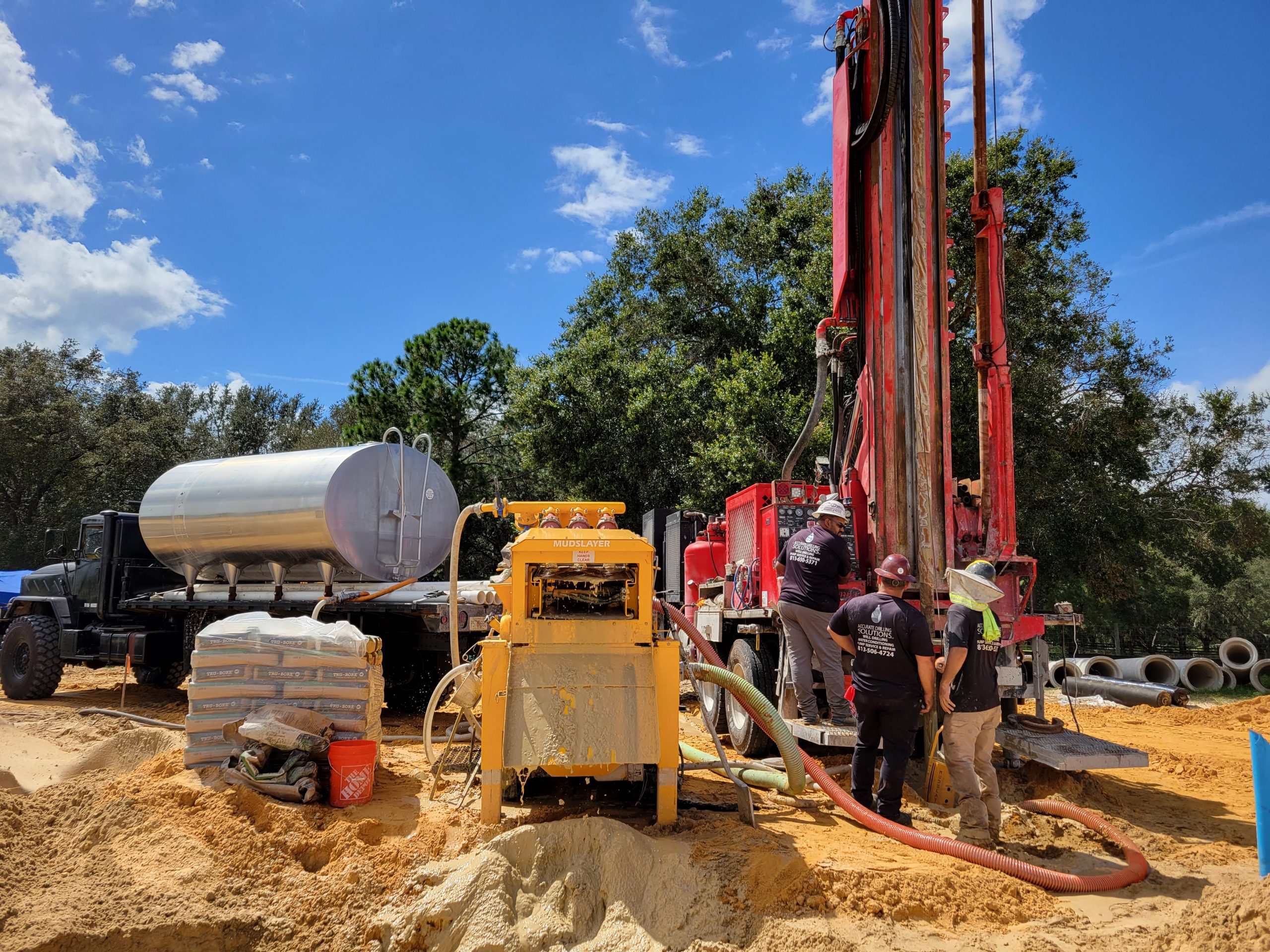
If your geothermal system in Largo is showing signs of reduced performance, the supply well may be the source of the problem. This article covers the key symptoms of well yield decline, limestone aquifer scaling, and reduced system efficiency — and what to do about them.
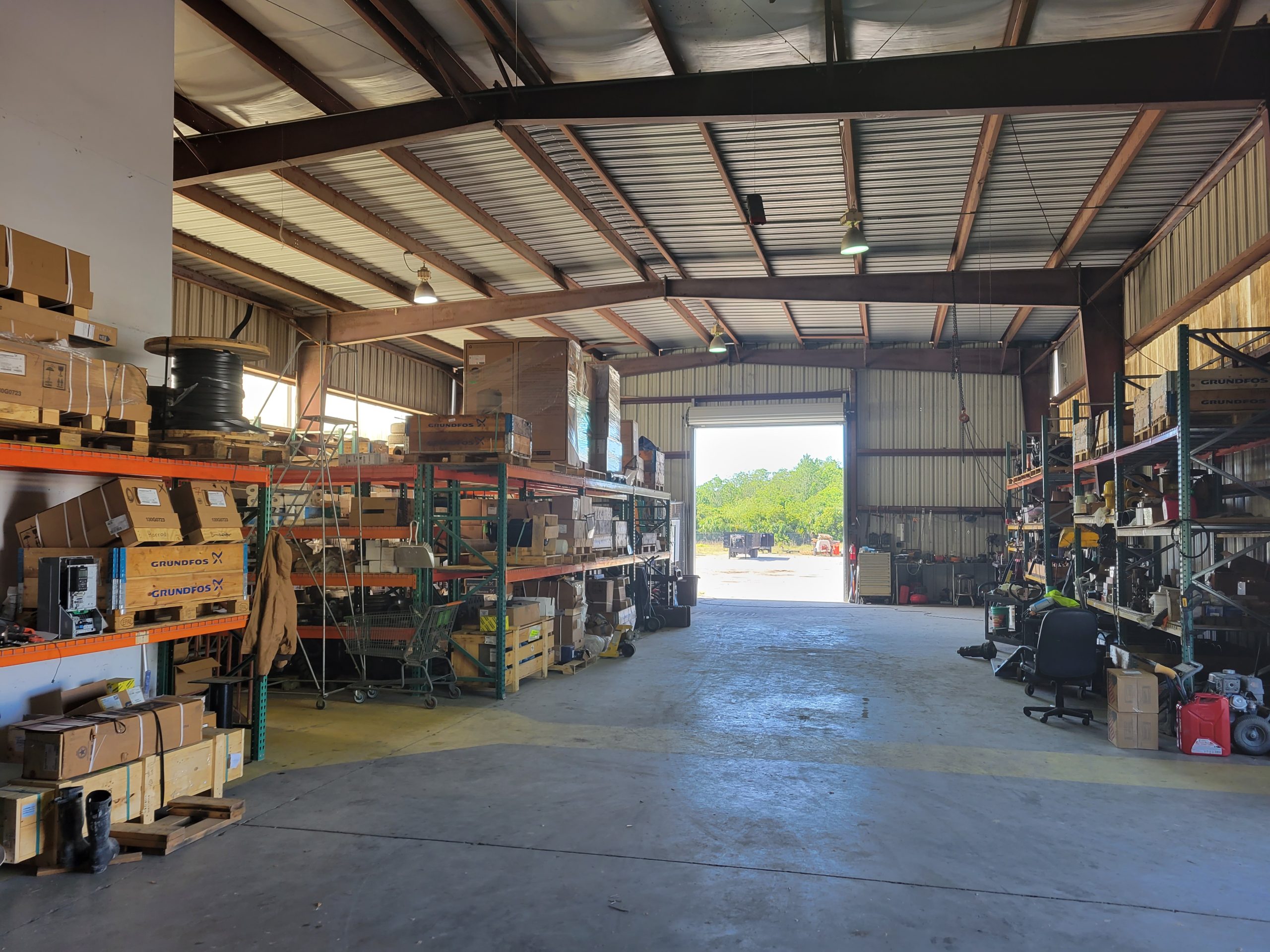
Selecting the right well pump system in Zephyrhills involves more than picking a pump off a shelf. This guide walks Pasco County property owners through submersible vs. jet pump comparisons, Florida-specific sizing factors, and why professional installation is the only responsible path forward.