Your Guide to Testing Well Water for Contaminants: Keep Your Water Safe with Accurate Drilling Solutions
Clean water is an essential part of our lives, and as homeowners who rely on well water, it is our responsibility to take measures to ensure that the water we consume and use for other purposes is free from contaminants. This can be achieved by regularly testing well water for potential contaminants. By doing so, you can take necessary measures to protect your health and avoid any unnecessary expenses related to health issues caused by contaminated water.
At Accurate Drilling Solutions, we understand the importance of having clean water and how it can impact your well-being and that of your loved ones. That is why we have put together this guide to help you test your well water for contaminants and protect your family’s health.
How Does Testing Well Water Work?
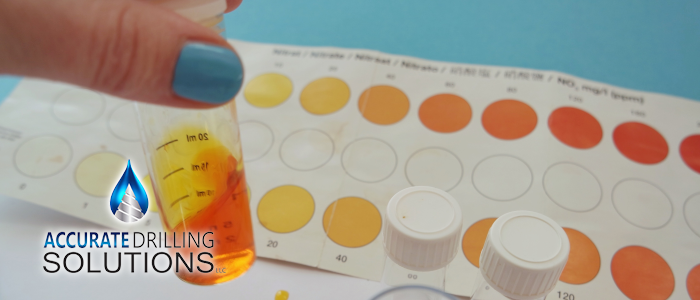
Water testing is a simple process that involves sending a sample of your well water to a laboratory for analysis. There are several potential water contaminants that you should be aware of such as bacteria, viruses, pesticides, herbicides, nitrates, lead, and arsenic.
Potential Contaminants
Bacteria and viruses are common contaminants in well water and can cause serious health issues such as diarrhea, stomach cramps, and vomiting. Pesticides and herbicides can seep into the groundwater and potentially contaminate your well water, leading to health issues such as cancer. Nitrates are commonly found in fertilizer and manure and can lead to health complications such as blue baby syndrome, which can be fatal to infants. Lead and arsenic are naturally occurring contaminants that can seep into your well water from the surrounding soil and rocks and cause severe health issues such as cancer and neurological damage.
How to Test Your Well Water
To conduct the test, you can follow these simple steps: Firstly, choose a reputable water testing laboratory accredited by a state or federal agency. Secondly, collect a water sample in a sterile container from the source of water, ensuring that it’s free of debris and other contaminants. Thirdly, Label the container with the date and time of collection and any additional notes, and then, finally, send the sample to the laboratory for analysis.
At Accurate Drilling Solutions, we offer well water testing as part of our water well drilling services. Our team of professionals and well drillers are well versed in water testing and can help you determine the kind of tests required based on your location and the contaminants most common in your area.
Conclusion
It’s important to test your well water periodically to ensure that it’s free from harmful contaminants that can potentially harm your health. Regular testing can help you avoid unexpected health expenses and give you peace of mind knowing that your water is safe for use. At Accurate Drilling Solutions, we’re committed to helping our clients enjoy the benefits of clean water, and we’re always ready to help you with testing your well water.
continue reading
Related Posts
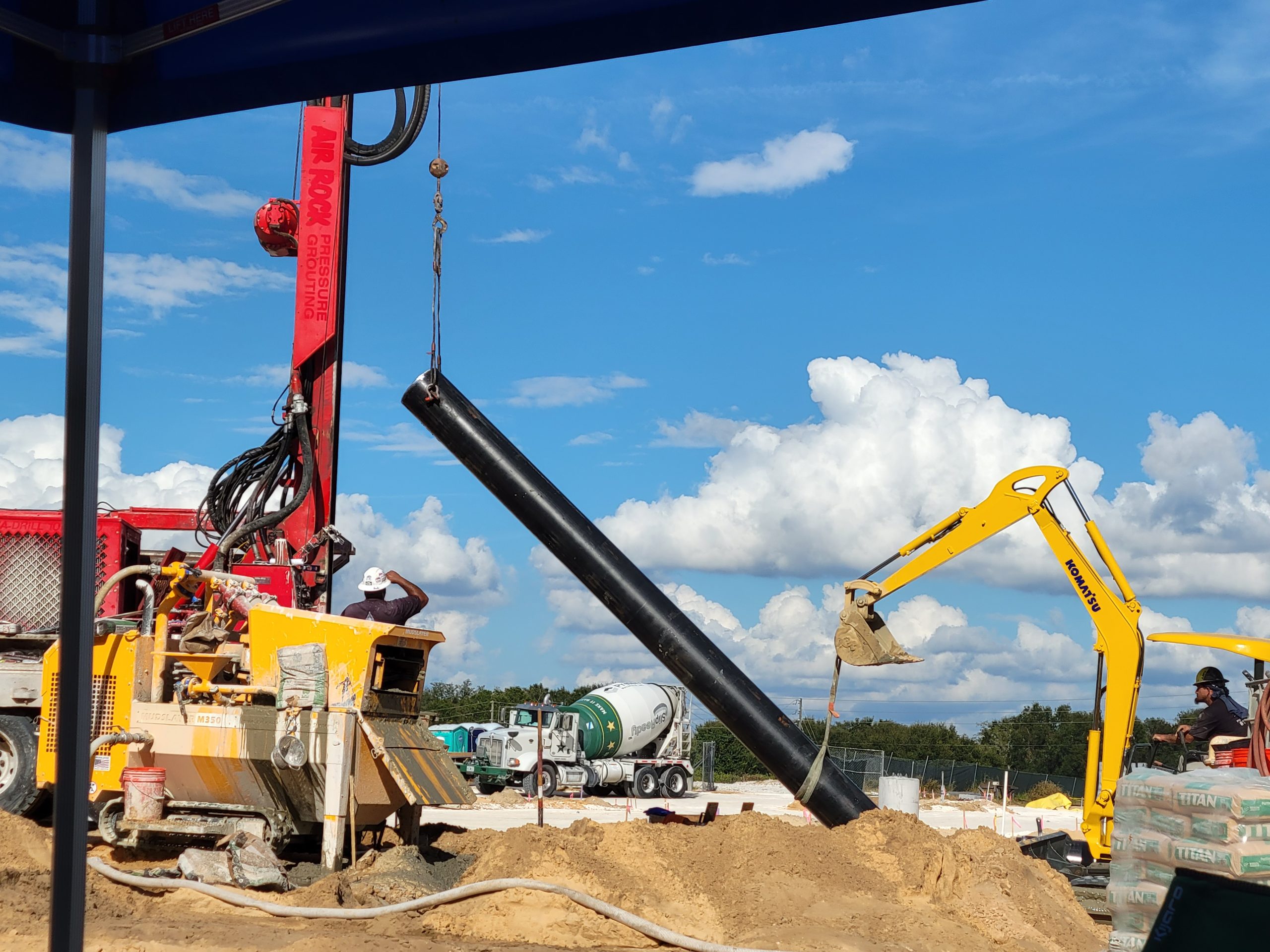
With hurricane season ending and winter rains approaching, fall is the critical window for Largo property owners to properly decommission abandoned wells before surface contaminants reach the Floridan aquifer. Learn what proper well abandonment involves, why Florida regulations require it, and why waiting carries real risk.
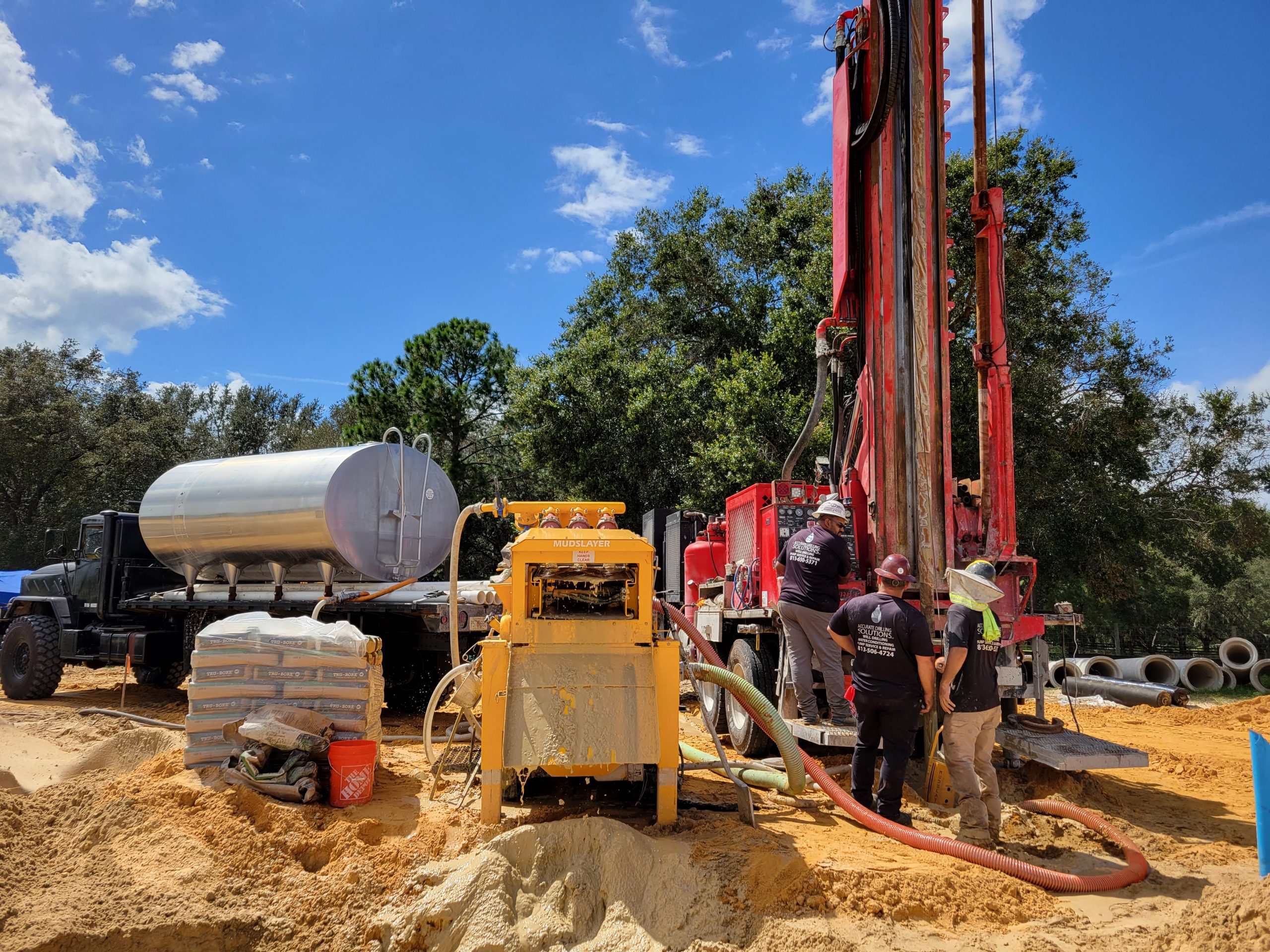
If your geothermal system in Largo is showing signs of reduced performance, the supply well may be the source of the problem. This article covers the key symptoms of well yield decline, limestone aquifer scaling, and reduced system efficiency — and what to do about them.
Selecting the right well pump system in Zephyrhills involves more than picking a pump off a shelf. This guide walks Pasco County property owners through submersible vs. jet pump comparisons, Florida-specific sizing factors, and why professional installation is the only responsible path forward.