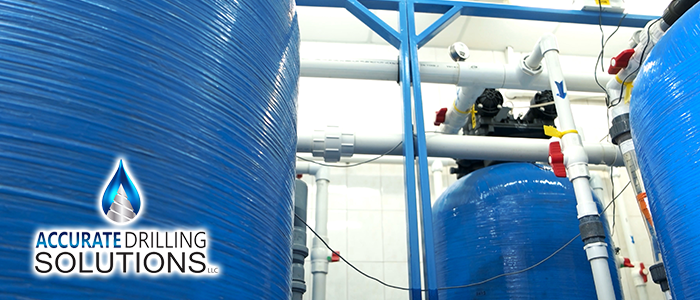
Water Filters For Your Well System
If you have a well system, it is likely that your water comes from the ground. However, this doesn’t mean that the water is completely pure. There can be contaminants in it due to runoff or other factors. If you are using a well system and want to know how to get clean drinking water, one way to do so is by using water filters for your well system.
But, knowing where to begin with water filters can be confusing. There are several types of well water filters that you can use, and they all have different functions and uses. So, why use them?
Avoid Contamination With a Filter
The most obvious reason to use a water filter for your well system is to avoid contamination. If there are contaminants in the water, then you don’t want them in your drinking supply or bathing.
You can use a filter to remove bacteria from the water, as well as sediment and other particles that may be present. This will ensure that you have clean drinking water at all times without having to worry about what might be lurking in your pipes.
If you have a well that has been contaminated, then using a filter can be essential to making sure that your family is safe. It’s also a good idea to use one if you live in an area where there are naturally occurring contaminants, such as arsenic or other heavy metals.
Water Filters Also Improve Existing Water Quality
Filters can also be used to improve the quality of your existing water, even if it’s already safe to drink. Some filters are designed to remove chlorine from drinking water and other types will remove pesticides and herbicides. If you have well water that has a strong taste or smell, then using a filter might make it more palatable.
Filters Aren’t Just for Drinking Water
Some filters are designed specifically for drinking water, but there are also ones that can be used for other purposes. For example, you may have a pool or fountain in your yard that needs to be cleaned regularly. If so, then using a filter can help keep it clean and clear without needing chemicals or manual scrubbing.
Filters also come in handy if you have hard water and need to soften it. Hard water has a higher mineral content than soft water, which means it’s not as easy to use for cleaning or drinking. While a filter won’t completely replace other conventional purification systems, they can help to make it easier to use water in your home and yard.
Conclusion
With that said, you might want to begin searching for the filter system for your well. If you’re on a tight budget, then a whole-house filter might be your best option. However, if you’re looking for something that can help to soften hard water or keep your yard clean without chemicals and manual scrubbing, then getting an outdoor filter might be better suited for your needs.
If you want to learn more about filters and how they work, then our team at Accurate Drilling can provide you with more information. We can also help you find the right filter for your home or business, so contact us today!
continue reading
Related Posts
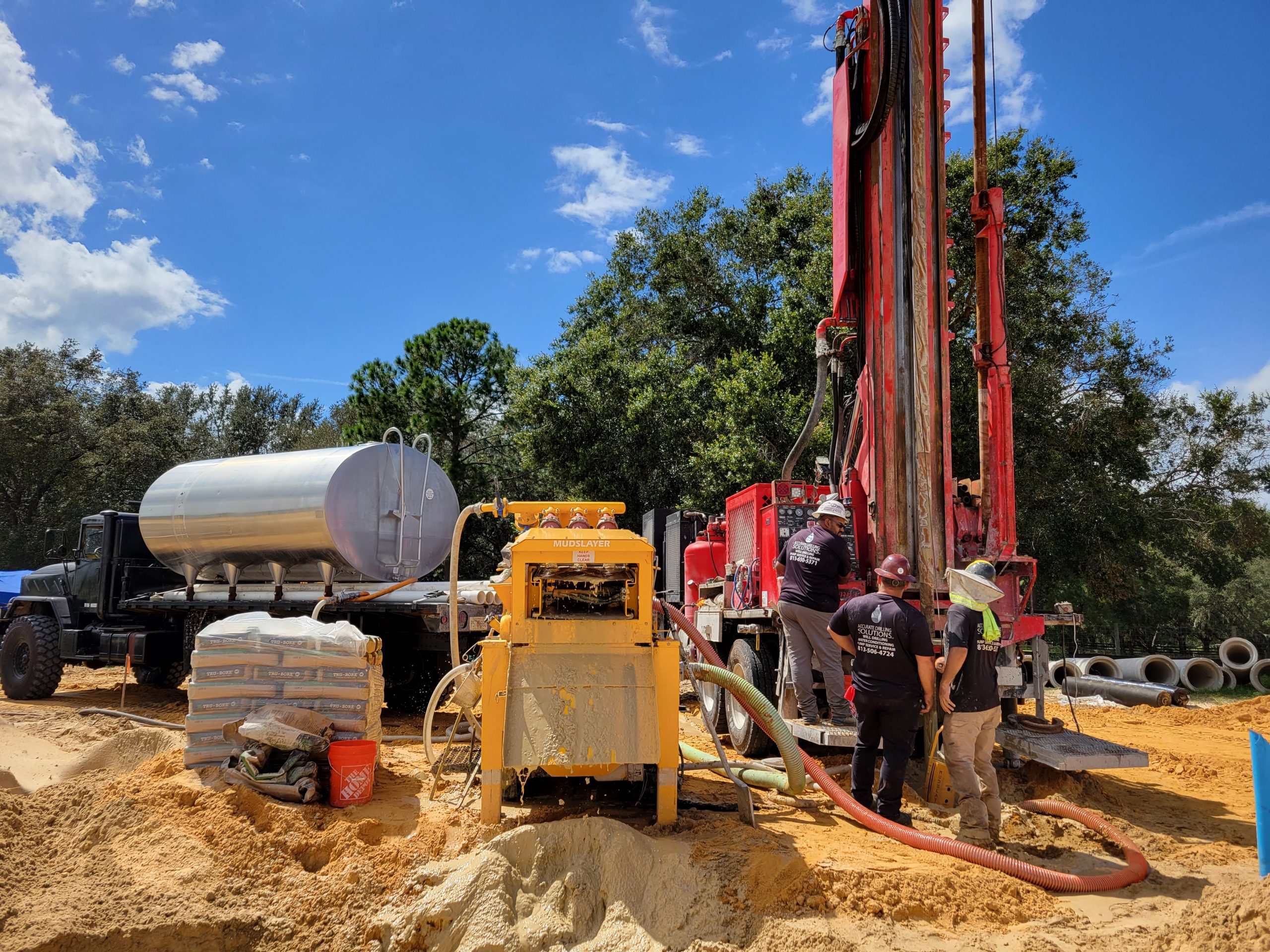
If your geothermal system in Largo is showing signs of reduced performance, the supply well may be the source of the problem. This article covers the key symptoms of well yield decline, limestone aquifer scaling, and reduced system efficiency — and what to do about them.
Selecting the right well pump system in Zephyrhills involves more than picking a pump off a shelf. This guide walks Pasco County property owners through submersible vs. jet pump comparisons, Florida-specific sizing factors, and why professional installation is the only responsible path forward.

Largo's coastal position, shallow Floridan Aquifer access, and aging residential well infrastructure create specific stress patterns on well pump systems. Understanding these local conditions helps homeowners protect their equipment before problems develop. Learn what makes Largo different — and what to do about it.