

Do I Need Groundwater?
If you have a water well system on your property, that’s great! But you may see the title of this article and raise an eyebrow. It seems like a silly question, doesn’t it? But, believe it or not, it’s a pretty common question for new well owners to ask. If you’ve ever wondered if you need groundwater for a well, you may be asking the wrong question. But don’t feel embarrassed! You’re interested in learning about well water systems and how they work, and we’re here to help.
The Right Question
One of the first steps to understanding your well water system is understanding where your water comes from. The question you may want to ask is, “What is groundwater?” As the name implies, groundwater is water that exists in the ground. It occupies cracks and porous, fractured rocks. The saturated zone is where most of the water is. The saturated zone is typically level with nearby surface water like lakes or streams and is called the “water table.” This is where you will want to drill your well.
Groundwater gathers in structures called aquifers. The aquifer is the body of rock that the water is trapped in. This rock can be small gravel, rock with large cracks, or other substrate materials. The vast connected gasps in this rocky body allow it to hold water.
You can find groundwater aquifers almost anywhere on Earth. Water tables may be higher or lower depending on where you are and rise and fall with time. Rain and snowmelt can raise the water table, and heavy use can recede groundwater.
Some aquifers are under heavy, solid rock that isn’t porous or permeable. These aquifers are called artesian aquifers. The water table under these artesian layers is under constant pressure. Because of this pressure, the water can be drawn much higher than normal.
How Does Ground Water Get There?
As you use your groundwater, the supply will gradually dwindle. When it rains, groundwater supplies are “recharged.” If we got a lot of snow in Florida, melting snow would also help recharge the aquifer. This can be challenging for less-developed nations where water is polluted before reaching the aquifer. Pollution can enter groundwater through a variety of places related to human activity.
The water itself can appear in natural springs or make its way down to the ocean. These natural forms of discharge are not the only way to get water from an aquifer, as you might suspect. Wells can be drilled into the rock to penetrate the aquifer. Modern wells are essentially pipes filled with groundwater.
A pump brings this water to the surface, where it is most commonly used for agriculture and irrigation. However, there are millions of homes that have a well for private use, too. All of these wells get their water from groundwater aquifers.
If you’re thinking of installing a well, you’re making a great choice. However, be sure to work with professionals to guarantee your well is deep enough and sourced from a healthy water supply. Contamination is certainly a risk. Though the water is all underground, seepage from livestock or fertilizer can contaminate a well. Be sure to test your well water system regularly, especially if it seems like the water is changing or the groundwater seems to be running low.
continue reading
Related Posts
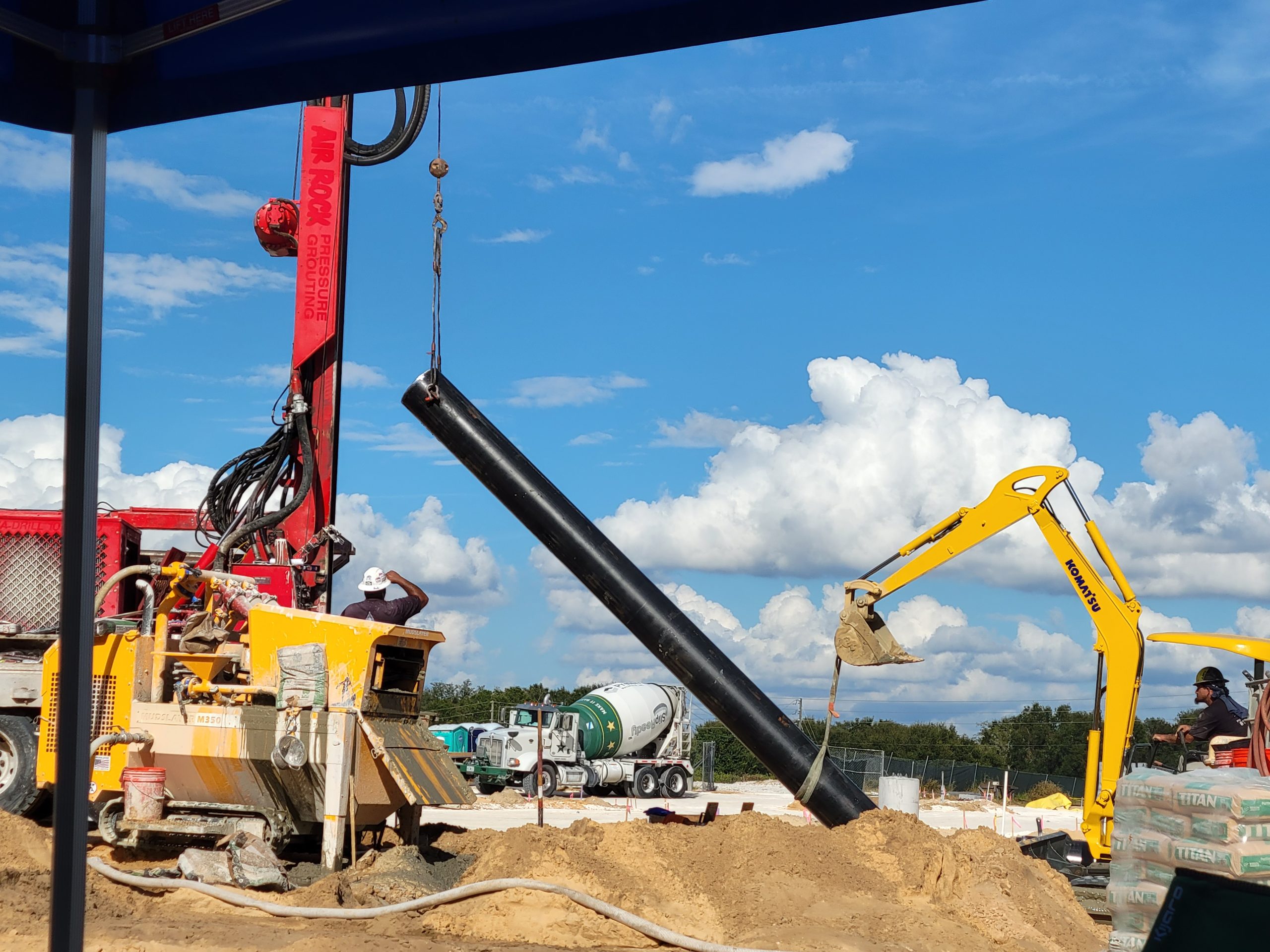
With hurricane season ending and winter rains approaching, fall is the critical window for Largo property owners to properly decommission abandoned wells before surface contaminants reach the Floridan aquifer. Learn what proper well abandonment involves, why Florida regulations require it, and why waiting carries real risk.
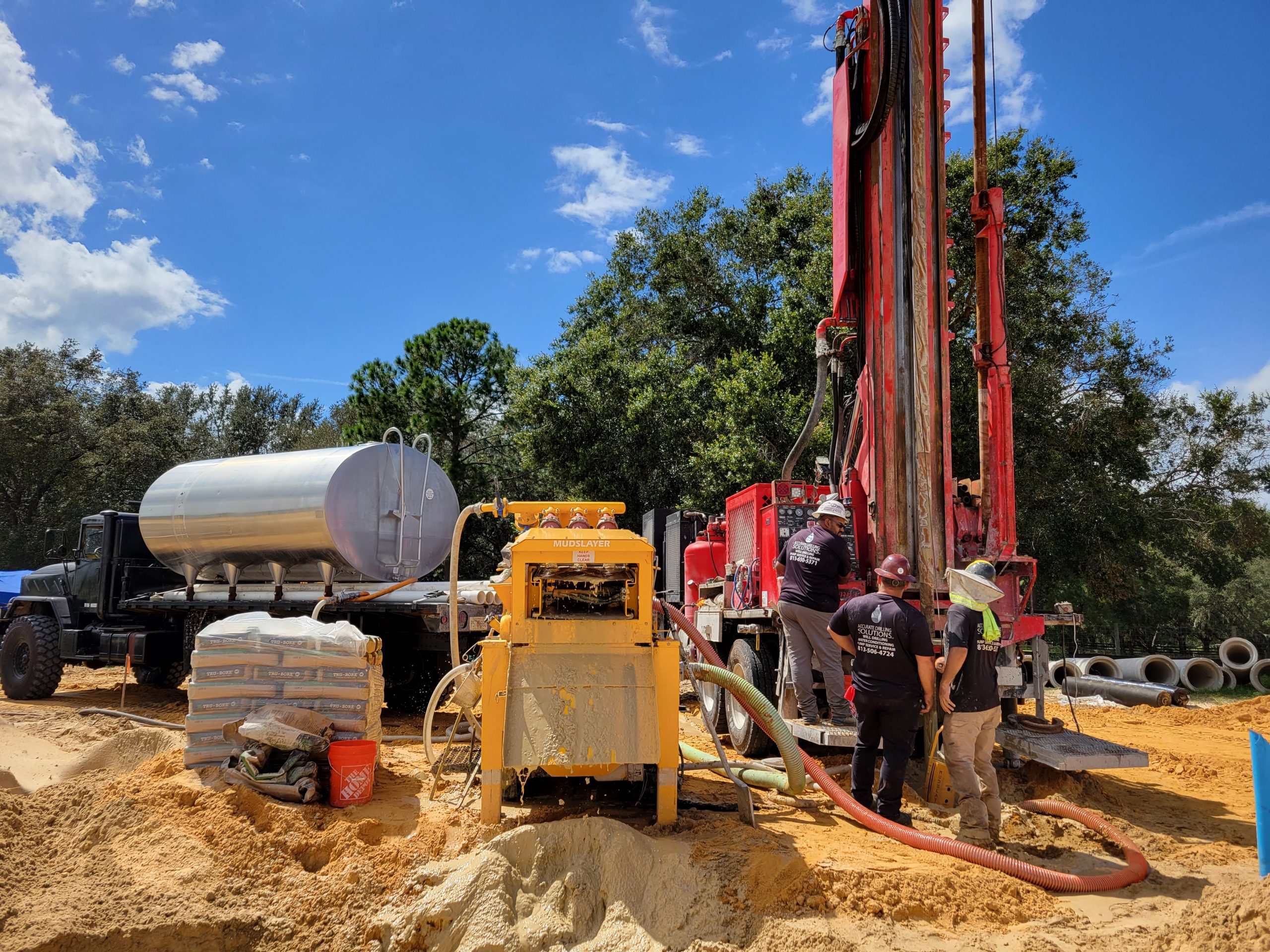
If your geothermal system in Largo is showing signs of reduced performance, the supply well may be the source of the problem. This article covers the key symptoms of well yield decline, limestone aquifer scaling, and reduced system efficiency — and what to do about them.

Selecting the right well pump system in Zephyrhills involves more than picking a pump off a shelf. This guide walks Pasco County property owners through submersible vs. jet pump comparisons, Florida-specific sizing factors, and why professional installation is the only responsible path forward.