The ecosystem is a fragile thing. Florida’s ecosystem is especially delicate. It has a fine balance of different geological features and environments inhabited by a wide range of plants and animals. As people become more conscious of our role as environmental stewards, we understand the need to reduce water waste. It’s important to understand the impact your well could have on the environment and how different systems affect your surroundings.
What Are Irrigation Wells?
The typical image of a well consists of a hand-dug borehole surrounded by cobblestone with a little roof. However, modern wells are sizable holes that you drill into the ground to access water. The water is in areas of porous rock we call aquifers. A well expert places a pump in the bottom of the well. Then the pump carries water to the surface through thick pipes enclosed in a durable casing. Above ground, various components guide the water through different installations and plumbing systems, such as irrigation sprinklers or the kitchen sink. The water drawn from a well has various purposes, and the system has a variety of impacts on the environment – many of them positive.
Benefits
Sustainable Source
An aquifer is a naturally replenishing water source that humans can use to provide a sustainable water source. When it rains or when you choose to water your property, the water soaks into the soil and continues to move downward. Eventually, the water finds its way back to the aquifer, but not before passing through rocks and soil that naturally purifies the water. This makes it much better for you to drink and redistribute into the environment through irrigation, watering, and other means.
Enriched Water
Your plants and soil will also benefit from getting pure, enriched water that is as clean as possible. As the water is clean and healthy in a natural way, it won’t poison the soil or create a dangerous runoff situation. Using well water from an aquifer is a little bit like recycling water, as the natural water cycle is what replenishes the aquifer. Any time water encounters the surface, it feeds the aquifer and ensures it has water to provide.
Keep Costs Low
Additionally, once your well is installed and properly maintained, operating, a well costs you nothing. Firstly, there is no municipal overhead to worry about. Additionally, you know the source of your water. Finally, other than regular upkeep and some basic maintenance your well never costs you a dime.
In Conclusion
By keeping the water pure and using water that is already in the water cycle of your local environment, you are ensuring that freshwater sources are not depleted or wasted. Unfortunately, some municipal water systems actually do the opposite by allowing harmful chemicals into the water supply that are then released into the nearby soil and environment through negligence and misuse. A conscious well owner is one who cares for and helps monitor the overall health of the water table, which has an enormous impact on the health of plants and wildlife surrounding his or her well.
continue reading
Related Posts
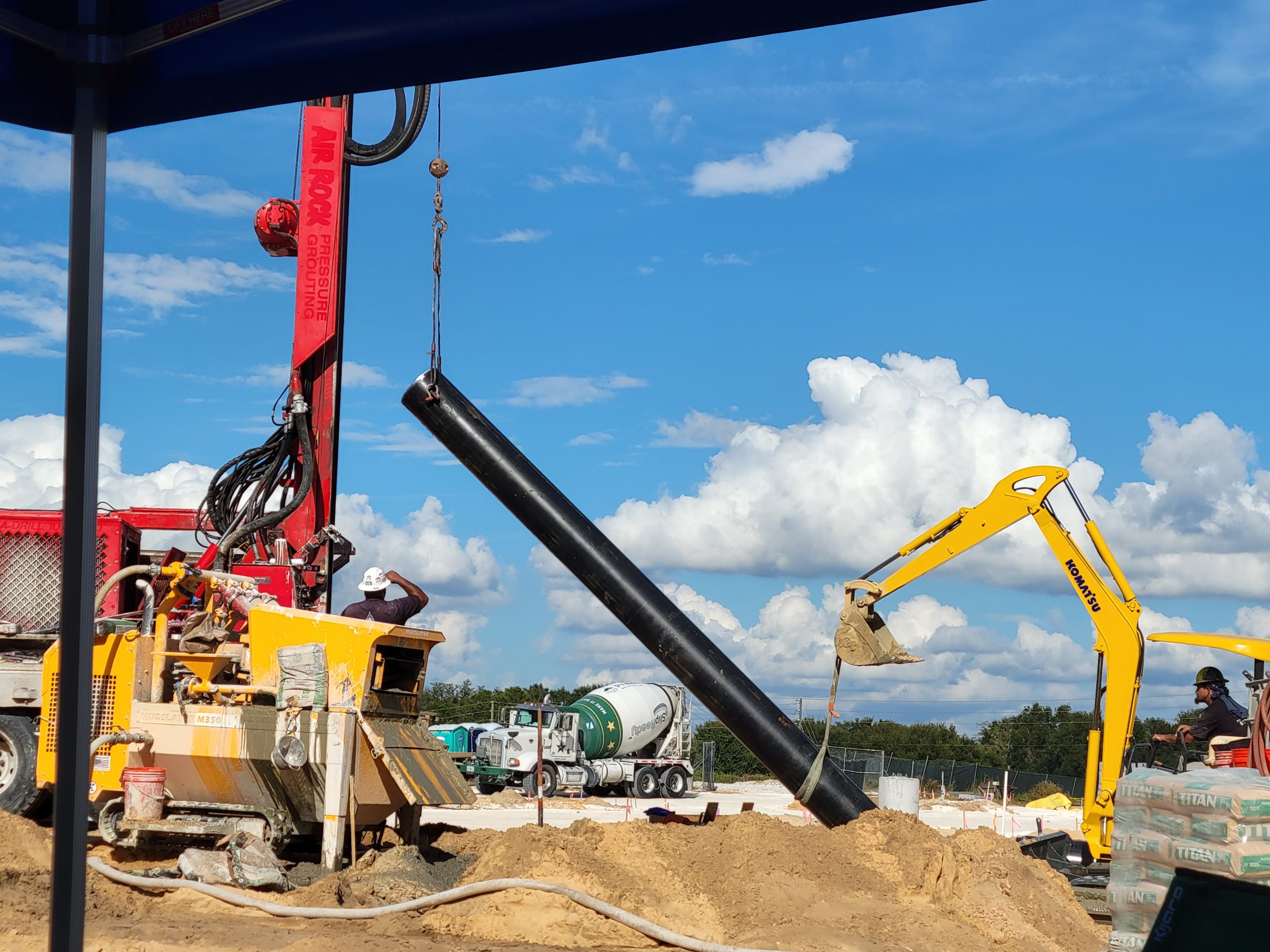
With hurricane season ending and winter rains approaching, fall is the critical window for Largo property owners to properly decommission abandoned wells before surface contaminants reach the Floridan aquifer. Learn what proper well abandonment involves, why Florida regulations require it, and why waiting carries real risk.
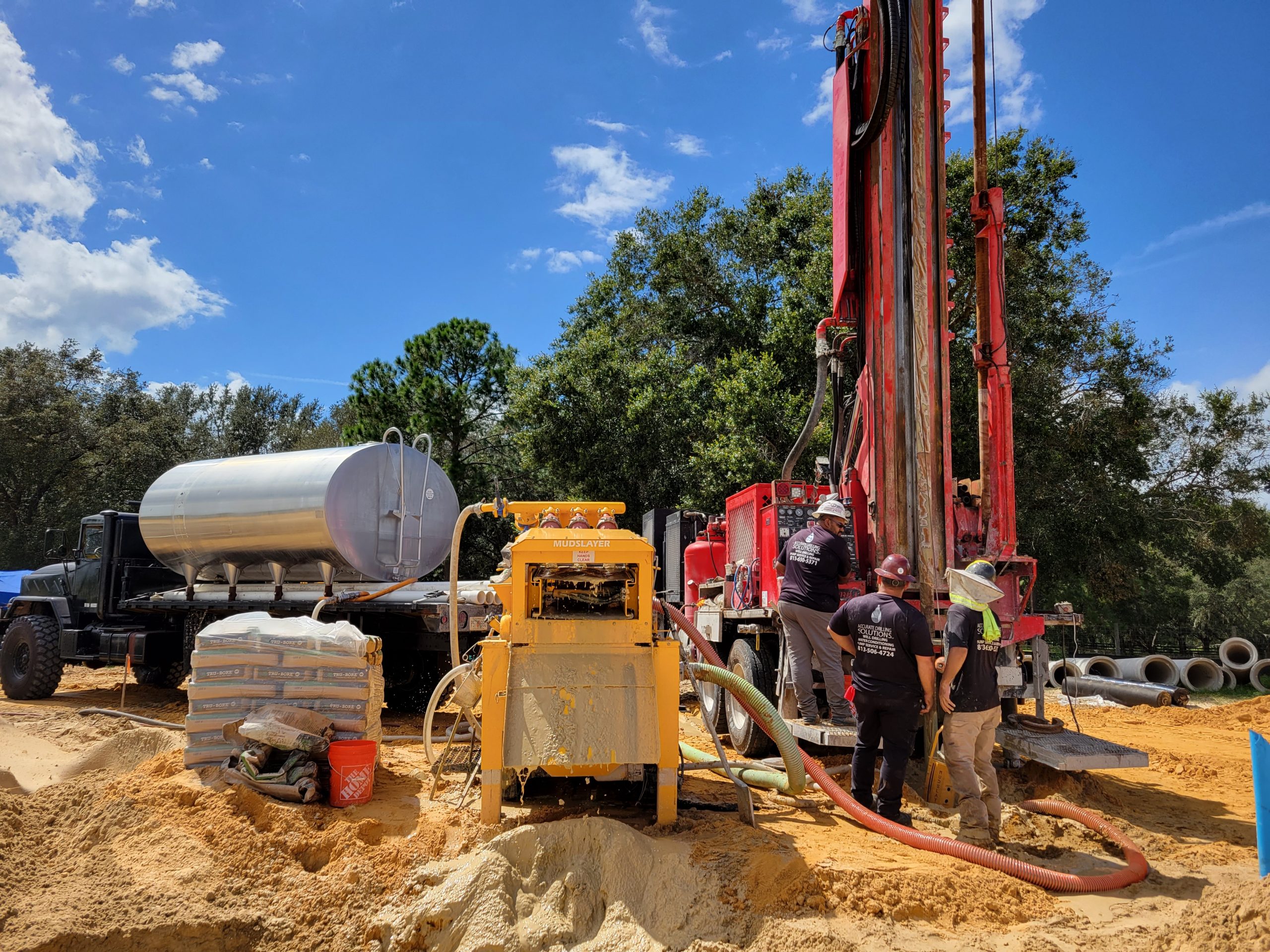
If your geothermal system in Largo is showing signs of reduced performance, the supply well may be the source of the problem. This article covers the key symptoms of well yield decline, limestone aquifer scaling, and reduced system efficiency — and what to do about them.
Selecting the right well pump system in Zephyrhills involves more than picking a pump off a shelf. This guide walks Pasco County property owners through submersible vs. jet pump comparisons, Florida-specific sizing factors, and why professional installation is the only responsible path forward.