In a previous article, we discussed the basics of irrigation wells. Although an irrigation well is not used for human consumption and therefore a filtration system is not needed to be installed, it is recommended to test the water to make sure there are no dangerous chemicals or compounds that can destroy your land or harm your animals. In this article, we will discuss what things to look for in irrigation well testing.
Calcium
When the amount of calcium that is dissolved in water is elevated, this causes the water to be hard otherwise known as hard water. Although there are no dangers from calcium, it can harden inside the plumbing system. In the case of an irrigation well, this hardening can ruin your sprinkler system which may be costly to repair and might even need to be replaced. Furthermore, hard water may make certain pesticides and fertilizer ineffective does prevent you from enjoying the full use of your plants or crops.
Salinity
Salinity is natural in all water sources. A high level of salinity, however, can be problematic. Salinity cannot only prevent your plants or lawn from getting the proper nutrients it needs, but it can impact the soil to a level on which it will no longer be useful to grow anything.
Sediment
If the irrigation well is drawing out a lot of sediment, this sediment can create a blockage in the plumbing or irrigation systems. This blockage can lead to costly repairs or replacements of the system.
Sodium
Like salinity, sodium is natural in all water sources. High levels of sodium, however, can damage plants or crops, especially if they are sensitive to sodium. Additionally, sodium can impact the quality of fruits and vegetables as well.
PH Levels
The PH Level determines how acidic or alkaline the water is. If the water is too acidic, it can corrode the metal in the plumbing and irrigation systems. This can lead to costly repairs or replacement. On the other hand, if the water is too alkaline, it can ruin the soil and prevent it from ever being able to grow any plants.
Other Chemicals
Chemicals typically used in fertilizer such as chloride, nitrogen, phosphorous, and potassium may also be found in water from an irrigation well. Although beneficial to plant growth, too much for any of these chemicals may impact the overall quality of plants. It is important to make sure that these chemicals are at a level small enough to benefit your land.
Consult Accurate Drilling Solutions
If you have an irrigation well or wish to install one, it is important to regularly test the water. Accurate Drilling Solutions will be more than happy to perform regular water testing and well maintenance on your irrigation well. Please contact us to set up a consultation for an estimate for a service plane.
continue reading
Related Posts
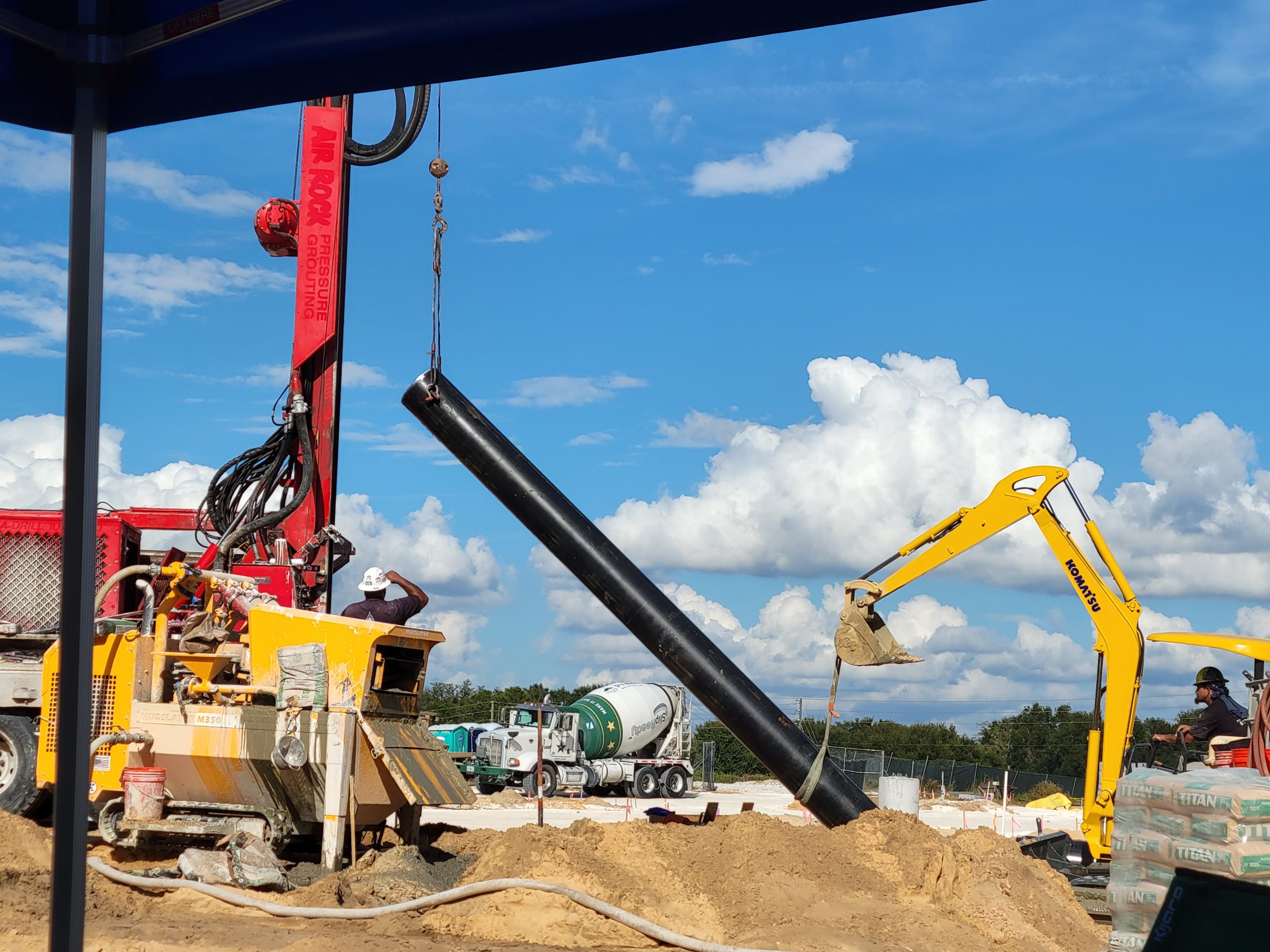
With hurricane season ending and winter rains approaching, fall is the critical window for Largo property owners to properly decommission abandoned wells before surface contaminants reach the Floridan aquifer. Learn what proper well abandonment involves, why Florida regulations require it, and why waiting carries real risk.
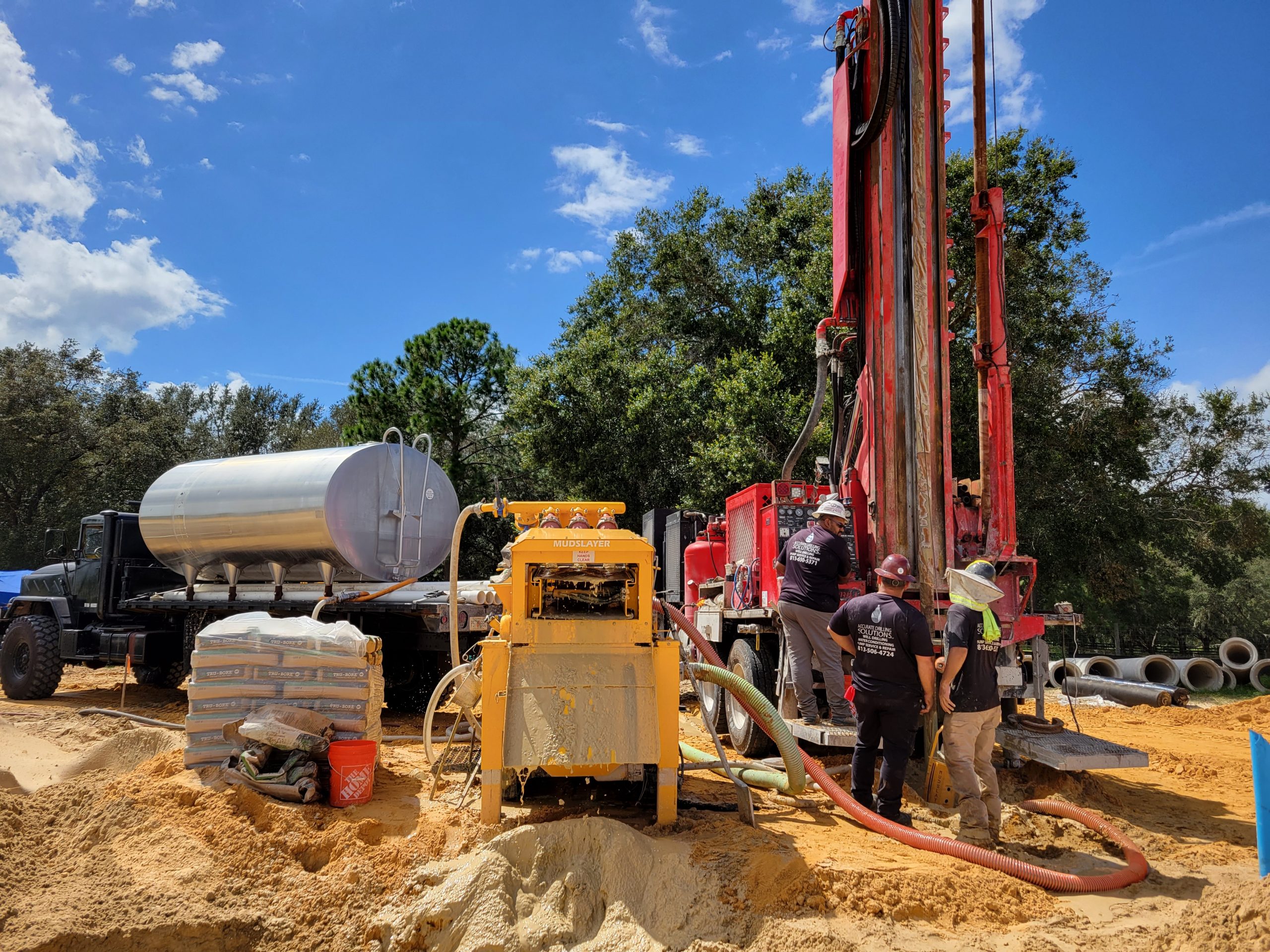
If your geothermal system in Largo is showing signs of reduced performance, the supply well may be the source of the problem. This article covers the key symptoms of well yield decline, limestone aquifer scaling, and reduced system efficiency — and what to do about them.
Selecting the right well pump system in Zephyrhills involves more than picking a pump off a shelf. This guide walks Pasco County property owners through submersible vs. jet pump comparisons, Florida-specific sizing factors, and why professional installation is the only responsible path forward.