
Unless you are close to someone who is a well driller, you might not consider it for a career. With the popularity of media such as “Armageddon” and “Black Gold”, there is more information about well drilling. In this article, we will discuss how you can become a water well driller.
What is a Water Well Driller?
A water well driller is a person who is responsible for drilling a borehole and installing a water well. A water well driller can have multiple responsibilities that do not end with the drilling of the borehole. Water well drillers operate the rig that drills the hole, occasionally they might need to use explosives too.
Once the well is drilled, the water well driller is responsible for installing the pump. As well as making sure the system is sterile and filtering properly. They might need to install the plumbing as well. Additionally, the water well driller is also responsible for keeping track of all the wells that they drill. They must properly report the wells to government authorities for record-keeping.
What is the Average Salary?
As of the writing of this article, the average salary of a water well driller in the United States of America is about $53,000 a year. On the high end of the pay scale, a water well driller may make more than $70,000 and on the low end may make around $30,000. There a many factors that go into determining the salary such as years of experience, location, skill level, and demand.
How Does a Person Become a Water Well Driller?
To become a water well driller, a person must have graduated from high school or received the equivalent of a high school diploma such as a GED certificate. They will go through an apprenticeship program with a certified company. The apprenticeship is usually a two to four-year program and includes both classroom and on-the-job training. Once a person completes their apprenticeship, they can take the state licensing exam to become a certified water well driller.
What Knowledge Does a Person Need to Have to Pass to Become Certified?
Beyond the know-how of the job, a water well driller must be proficient with geology, hydrology, and basic math. You will learn these skills during the apprenticeship period. Many community colleges or vocational tech schools in areas where water well drilling is in high demand, offer certificates or associates degrees in the areas needed to become a certified water well driller.
What are the Benefits?
Whether a person goes to college or not is a personal decision. The benefit that water well drillers have is that they are not burdened with student loan debt. Additionally, since the apprenticeship provides on-the-job training, they are earning a salary while learning the trade. Lastly, water well drillers is a highly sought out skill with job opportunities all over the world.
Interested in Learning More?
If you are interested in learning more about becoming a water well driller, Accurate Drilling Solutions is always looking for future talent. Accurate Drilling Solutions prides itself in hiring and training the best water well drillers in the industry. Feel free to contact us to learn about future employment opportunities with the Accurate Drilling Solutions Family.
continue reading
Related Posts
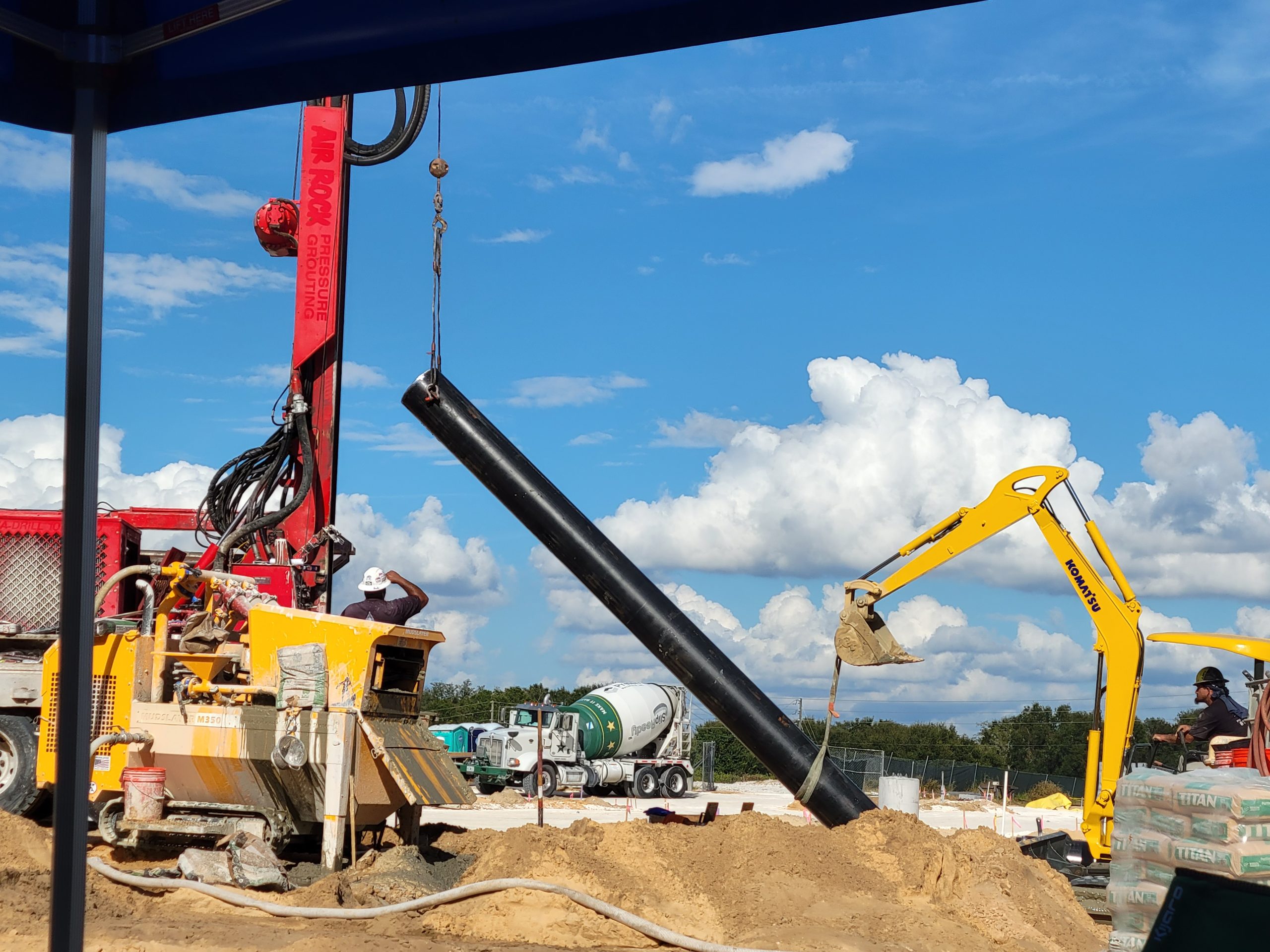
With hurricane season ending and winter rains approaching, fall is the critical window for Largo property owners to properly decommission abandoned wells before surface contaminants reach the Floridan aquifer. Learn what proper well abandonment involves, why Florida regulations require it, and why waiting carries real risk.
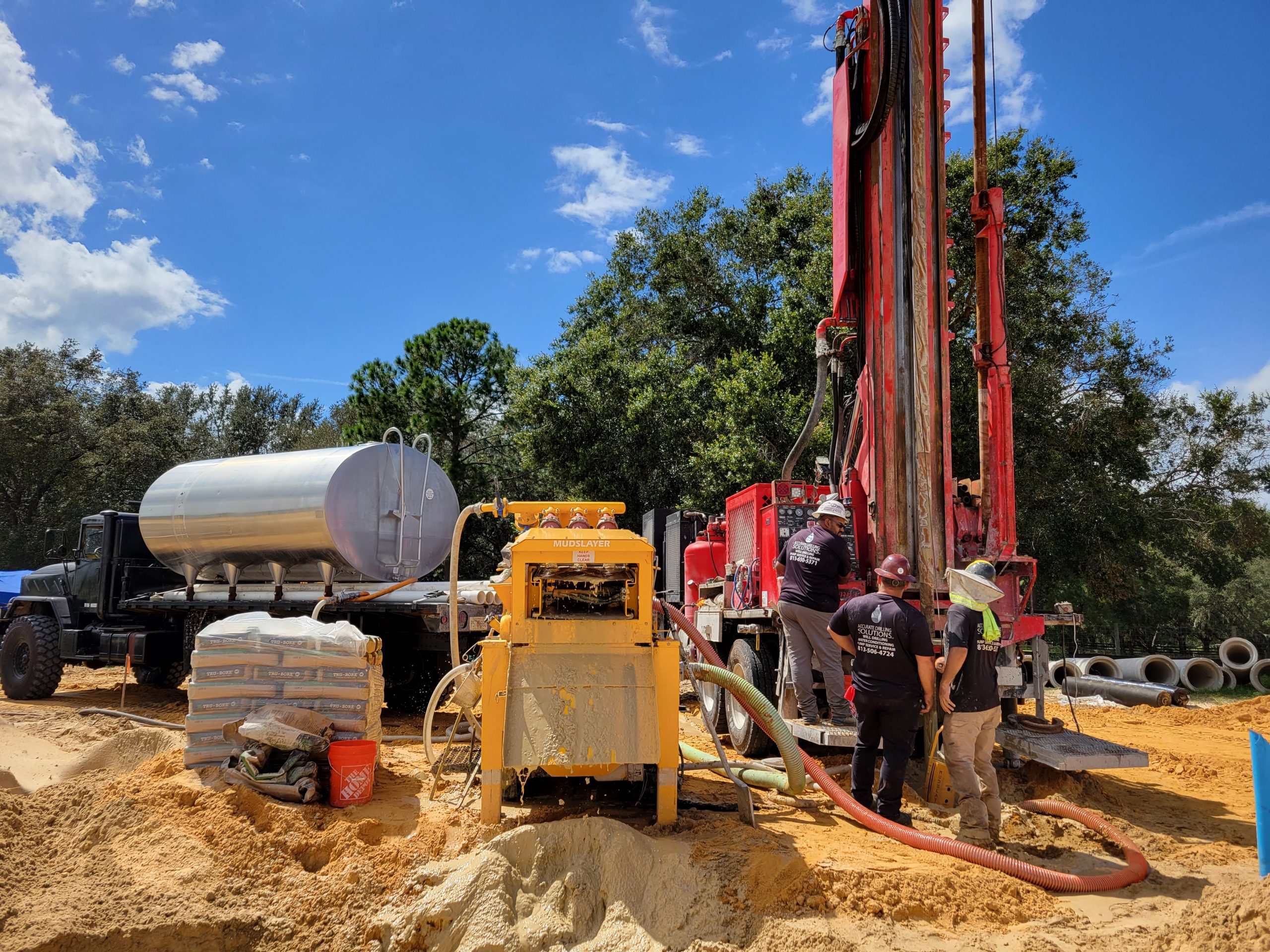
If your geothermal system in Largo is showing signs of reduced performance, the supply well may be the source of the problem. This article covers the key symptoms of well yield decline, limestone aquifer scaling, and reduced system efficiency — and what to do about them.
Selecting the right well pump system in Zephyrhills involves more than picking a pump off a shelf. This guide walks Pasco County property owners through submersible vs. jet pump comparisons, Florida-specific sizing factors, and why professional installation is the only responsible path forward.