

A common complaint from people who receive well water is that it smells what can be described as rotten eggs. In this article, we discuss what the cause of the smell of rotten eggs in your well water is and how to get rid of it.
Why Does My Water Smell Like Rotten Eggs?
The rotten egg smell can usually be attributed to the levels of sulfur bacteria and hydrogen sulfide gas. In most cases, the water will still be safe for usage, however, the rotten egg smell can also be an early sign of greater contamination in your water supply.
The Dangers Of Hydrogen Sulfide
The immediate danger of hydrogen sulfide is that it may corrode the metal pipes of your plumbing. In the case of well water, this corrosion can lead to other major issues such as a high concentration of metal ores and sediments which may be harmful to human usage.
What Do I Do About It?
If your well water supply has any odor, it may be a sign of contamination and can lead to bigger complications.
- If the water only has a smell from cold treated water and not the untreated water, then the problem is most likely in your water softener solution.
- Does the water only has a smell when you make it hot? Then the problem is most likely in your water heater.
- If the smell occurs when you turn on the water, no matter if it is hot or cold, and then the smell dissipates or varies, this is a sign of hydrogen sulfide in your well water may be a sign of well contamination.
- If the smell is strong throughout running the water, no matter the temperature, then this is a sign of well contamination and the problem needs to be resolved.
Water Testing
The best way to prevent contamination is to regularly test your well and maintain it properly. If you feel that you may have contamination of hydrogen sulfide, there are kits you can purchase that will allow you to test the water at your home.
In Conclusion
If your well water is contaminated, contact us at American Pump Services. We will send one of our trained technicians to determine the cause of the contamination, then assist you with developing a strategy to fix the problem(s).
continue reading
Related Posts

With hurricane season ending and winter rains approaching, fall is the critical window for Largo property owners to properly decommission abandoned wells before surface contaminants reach the Floridan aquifer. Learn what proper well abandonment involves, why Florida regulations require it, and why waiting carries real risk.
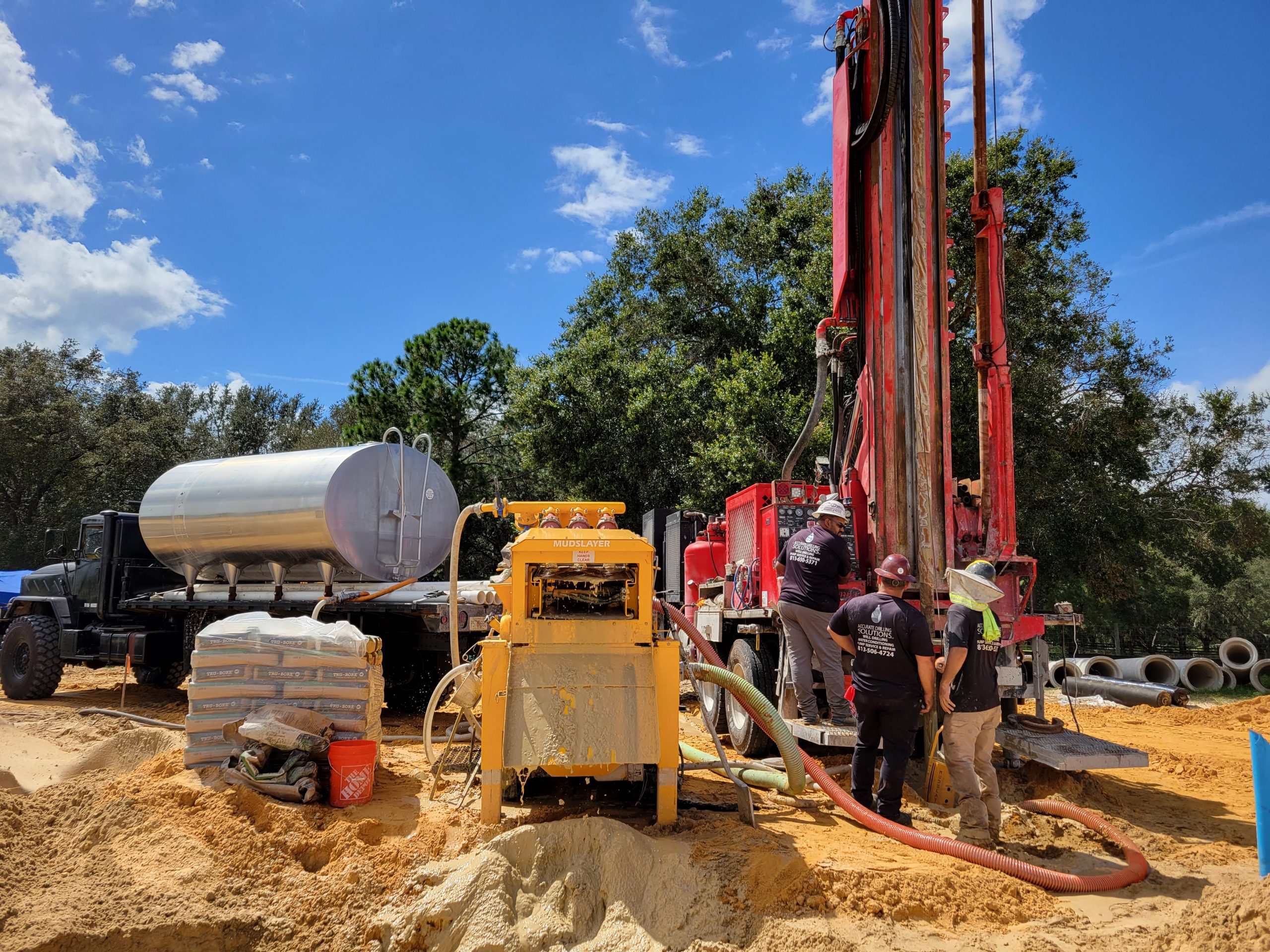
If your geothermal system in Largo is showing signs of reduced performance, the supply well may be the source of the problem. This article covers the key symptoms of well yield decline, limestone aquifer scaling, and reduced system efficiency — and what to do about them.
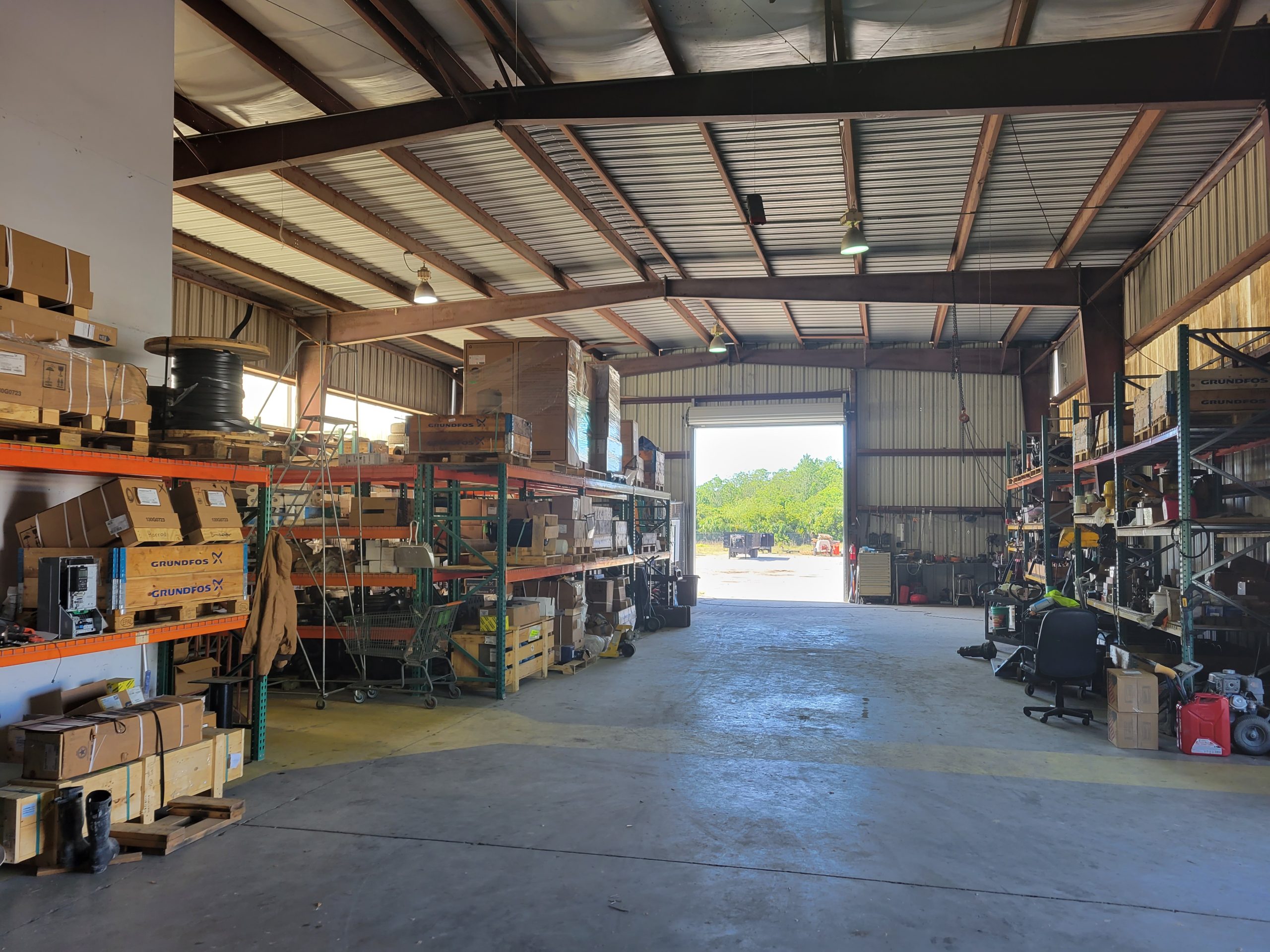
Selecting the right well pump system in Zephyrhills involves more than picking a pump off a shelf. This guide walks Pasco County property owners through submersible vs. jet pump comparisons, Florida-specific sizing factors, and why professional installation is the only responsible path forward.