
Florida’s nickname as the “Sunshine State” is a misnomer, especially in the spring and summer seasons where you can set your clock by the regular afternoon thunderstorms. Unfortunately, many homeowners fail to take into consideration the rain and fail to turn off their sprinkler system accordingly. This article explains the telltale signs of how you know your lawn is a victim of overwatering.
Standing Water
If the sprinkler system is overused and there has been a deluge of rain, then your property will have standing water all around your landscape. This is because the ground and vegetation are unable to absorb all the water and the excess water has no place to run off and therefore collects on your property. Even if you do not see the water but when you walk across your lawn and it feels muddy or spongy, this is also a sign that the ground can no longer absorb any more water and you should turn off your sprinkler system.
Insects and Larvae
Standing water is a breeding ground for insects, especially mosquitoes. If you are overwatering your lawn to the point that you are creating a system where you have standing water, then you are inevitably inviting mosquitoes into your property. In addition to mosquitoes, overwatering leads to other creepy crawlies that thrive in damp areas which may ruin your vegetation.
Fungus
Overwatering can lead to different types of fungus growing on your lawn. The most common fungus are mushrooms which can be fatal to pets and children. If you begin to notice fungus growing on your property, you should reconsider your watering schedule.
Weeds
Many weeds tend to thrive on lawns that have been overwatered. Weeds can be invasive and end up killing and replacing the grass on your lawn. To remove these weeds, one will have to take extra care to pull them out by the root so as they do not deprive nutrients to other surrounding vegetation. If you start seeing abnormal weed growth on your lawn, this is also a sign of overwatering.
continue reading
Related Posts

With hurricane season ending and winter rains approaching, fall is the critical window for Largo property owners to properly decommission abandoned wells before surface contaminants reach the Floridan aquifer. Learn what proper well abandonment involves, why Florida regulations require it, and why waiting carries real risk.
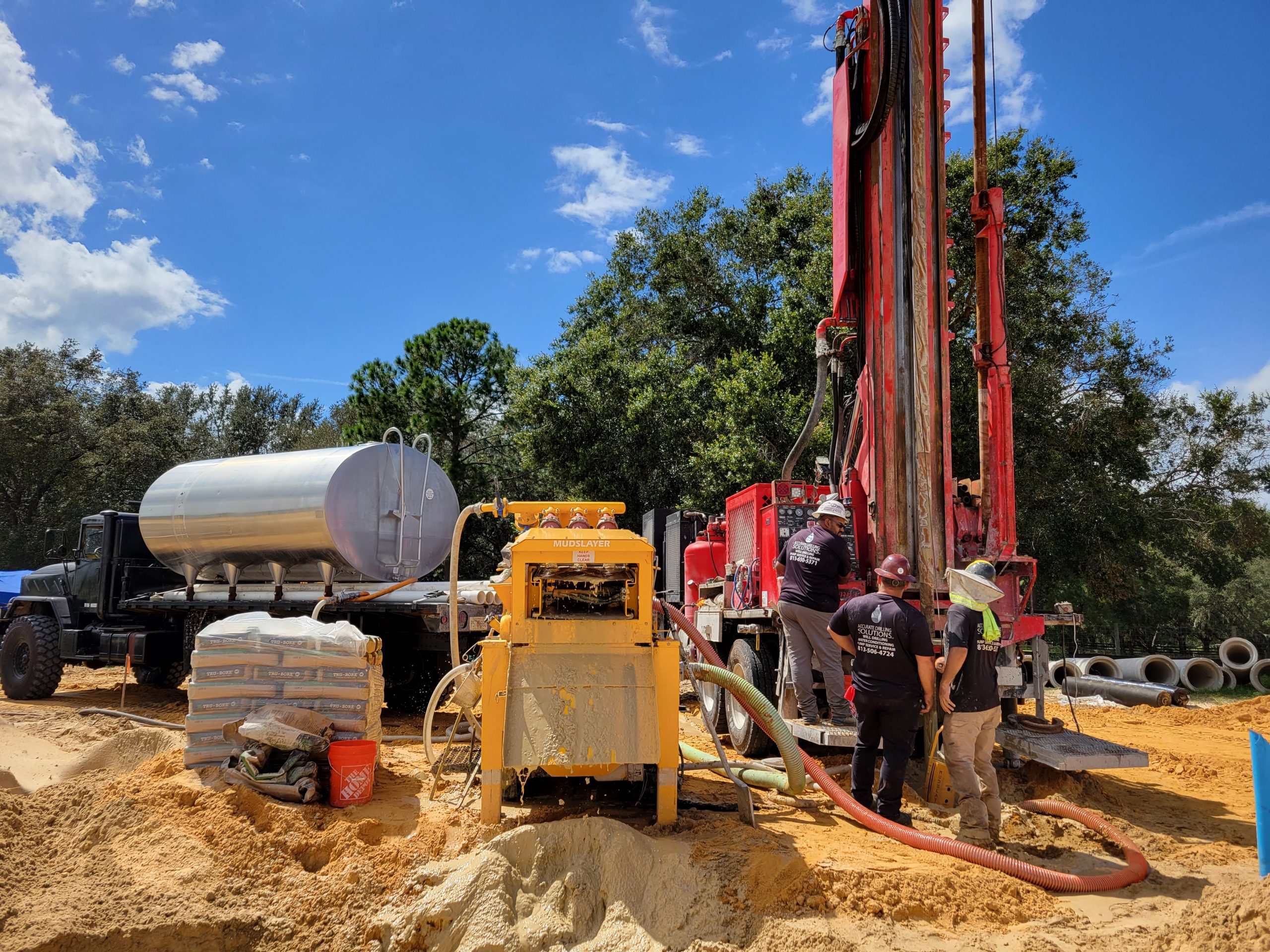
If your geothermal system in Largo is showing signs of reduced performance, the supply well may be the source of the problem. This article covers the key symptoms of well yield decline, limestone aquifer scaling, and reduced system efficiency — and what to do about them.
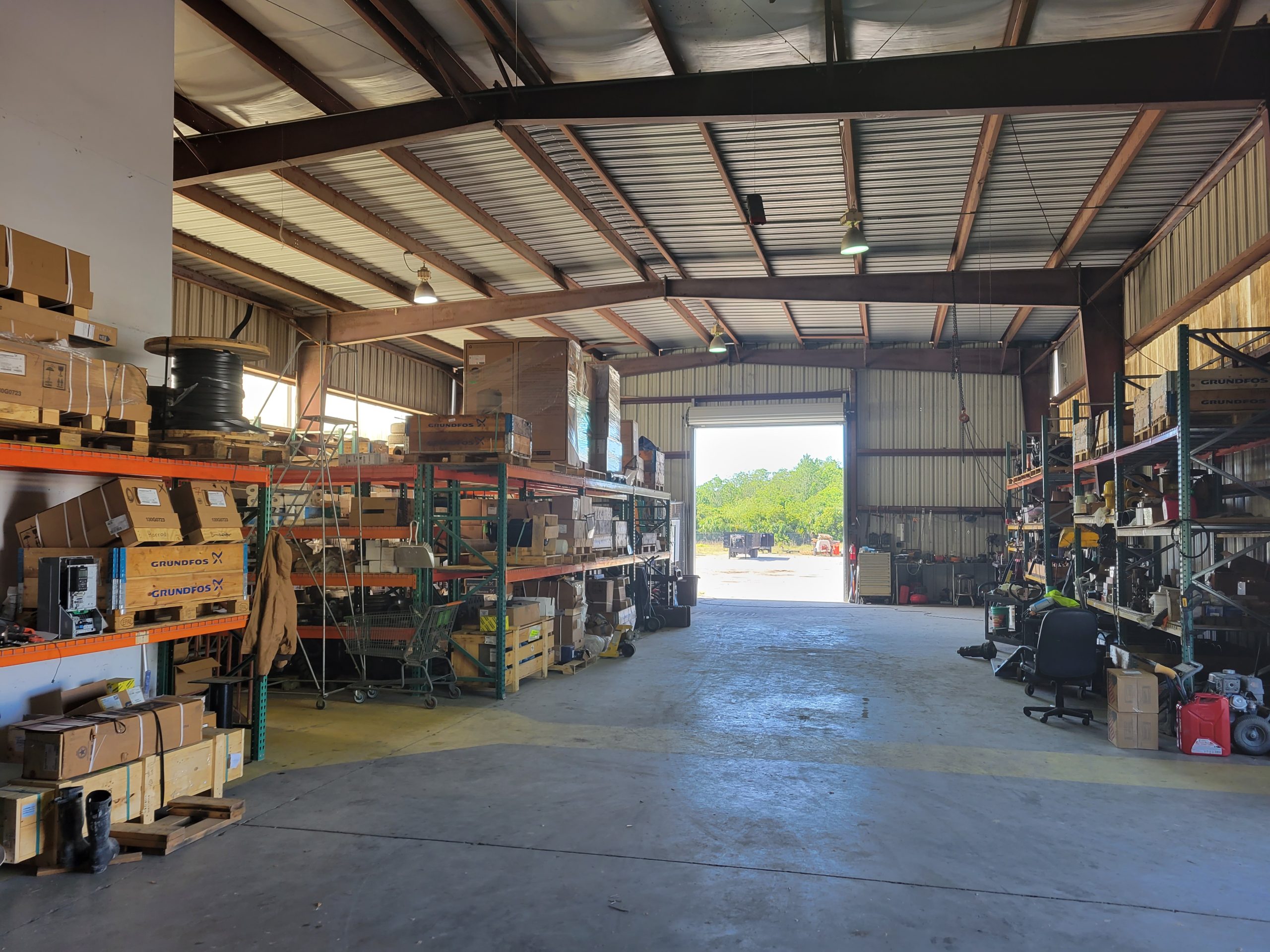
Selecting the right well pump system in Zephyrhills involves more than picking a pump off a shelf. This guide walks Pasco County property owners through submersible vs. jet pump comparisons, Florida-specific sizing factors, and why professional installation is the only responsible path forward.