
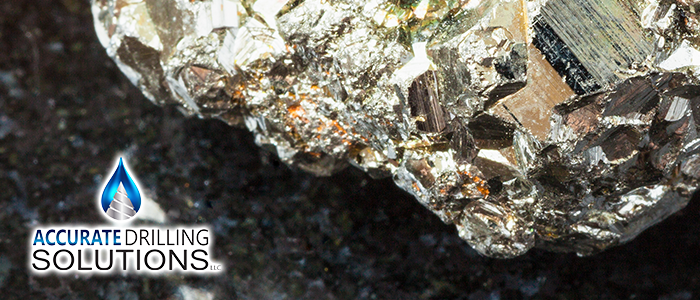
Iron is one of the most abundant metals found in the ground. As a result, it often breaks down and seep into the groundwater or aquifers that most people are pumping their drinking water from. Although all regions around the world have iron, some regions have more concentrated levels than others. Read on to learn all about removing iron from well water.
Is Iron Harmful?
Iron is beneficial to many animals, and humans do require a certain amount of iron to be considered healthy. Iron deficiency is a recognized medical condition that many people suffer from. However, too much is also an issue. Iron toxicity occurs when high levels of iron are consumed and usually causes headaches and abdominal pain.
Types of Iron
There are three types of iron in well water. They are ferric iron, ferrous iron, and iron bacteria.
- Ferric iron is iron that has been oxidized and turns liquid a reddish-orange color. Due to the color, it is easy to identify in the water and clean through a purification or filtration process.
- Ferrous iron is clear iron and therefore not able to be detected through sight alone. Ferrous iron can not be filtered and therefore must be changed into ferric iron before it can be removed.
- Iron bacteria are small organisms that feed on ferrous iron. The byproduct of iron bacteria is an orange or pink slime. By removing iron, you will eliminate the food supply and therefore also remove the bacteria. In extreme cases, chlorine or bleach will kill the bacteria as well.
Effect of Iron in Well Water
The concern of iron in well water is the impact it could have on the well system. Iron deposits can close up pipes by blocking the passage. As a result of this blockage, it can cause severe damage to the well system as a whole. Additionally, high levels of iron will cause a metal taste and cause brown or red stains on laundry and in sinks and bathtubs.
Removing Iron From Well Water
The method used to remove iron from well water will be based on the type of iron is in the water and the concentration of the iron.
- Water softeners are a very effective way of treating well water. Water softeners remove the iron from the water and replace it with sodium. If the iron, however, is ferric, then a softener would not be an effective solution.
- Iron Filters remove iron through a filtering process involving oxidation. This is the preferred method for ferric iron since water softeners will be ineffective. In the case of ferrous iron, the iron will become oxidized into ferric iron and then removed.
- Chemicals eliminate, oxidize, or disinfect iron in a well. Chemicals have the advantage of water softeners and iron filters in that it will remove or prevent iron from occurring at the source and removing the problem before it reaches the house. This process is a more permanent solution.
continue reading
Related Posts
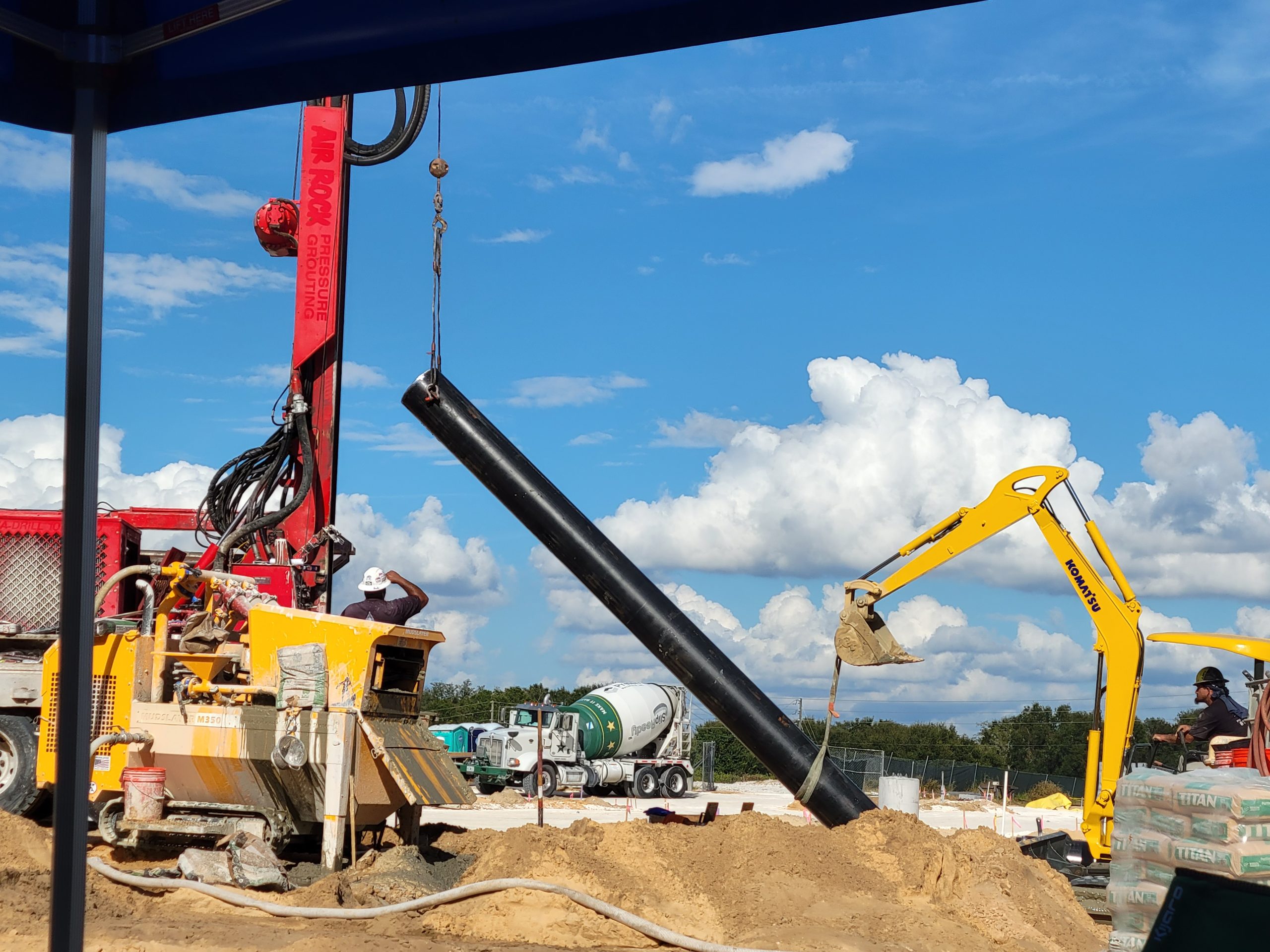
With hurricane season ending and winter rains approaching, fall is the critical window for Largo property owners to properly decommission abandoned wells before surface contaminants reach the Floridan aquifer. Learn what proper well abandonment involves, why Florida regulations require it, and why waiting carries real risk.
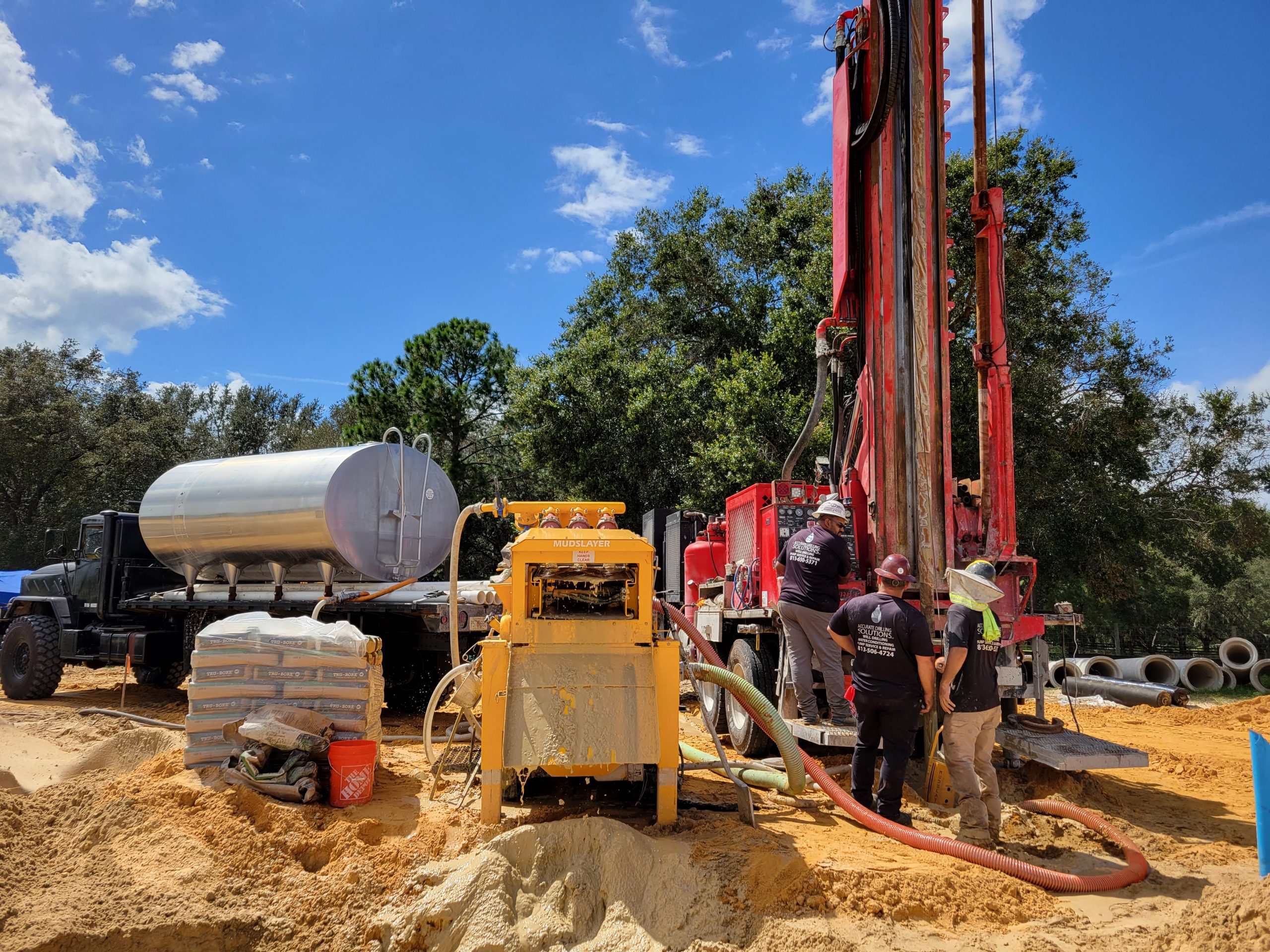
If your geothermal system in Largo is showing signs of reduced performance, the supply well may be the source of the problem. This article covers the key symptoms of well yield decline, limestone aquifer scaling, and reduced system efficiency — and what to do about them.

Selecting the right well pump system in Zephyrhills involves more than picking a pump off a shelf. This guide walks Pasco County property owners through submersible vs. jet pump comparisons, Florida-specific sizing factors, and why professional installation is the only responsible path forward.