In a time where more and more people are looking for ways to save money and be more environmentally conscious at the same time, it is no surprise that more private well owners are turning to geothermal pumps. But what are they and how do they work? Read on for more information about what a geothermal heat pump does for water wells.
What is a Geothermal Heat Pump?
Put simply, a Geothermal Heat Pump is a method of heating and cooling your home and water. The pump uses the thermal (heat) energy of the water in the ground. Water underground has a surprisingly stable temperature all year long, in Florida it stays generally about 70-80 degrees. This stability means that this system can be used effectively all year long.
How it Works
There are three main parts to a geothermal heat pump system. They are the air handling system, the heat exchanger, and a reversible refrigerant loop.
- The air handling system distributes air to any spaces in the home that are set up for heating and cooling. A fan moves the air through duct work to the rooms then returns the air to the heat pump.
- The heat exchanger can be either an open loop or closed loop system. In an open loop, there are typically two wells in operation. One well acts as a water source and the other acts as a sink. Water is pumped from the source into a water-to-refrigerant heat exchanger and then returned to the sink. Instead of having a second sink well, some people return the water to a nearby lake or pond. In a closed loop system, water and anti-freeze solutions are channeled through a series of pipes in the ground to transfer heating or cooling into your home.
- The reversible refrigerant loop transfers heat between the air handling system and the ground or ground water heat exchanger as needed.
Geothermal Costs
While the cost to install a geothermal heat pump system is typically higher upfront, the annual operating costs are much lower than a traditional system. The added upfront costs are for the piping, pumping, and the loops in the ground as there is additional digging required. As this is a much more energy efficient method of heating and cooling, there may be some tax credits available to you after you install. Additionally some companies may offer rebates for the use of their systems.
For More Information
For more information about geothermal heat pumps, visit the Department of Energy. You can also give us a call to have one of our representatives answer any additional questions you may have. If you are thinking about installing a well system and would like to know what would work best for your property and your family’s needs, we are dedicated to making sure you have the best information possible before you begin.
continue reading
Related Posts
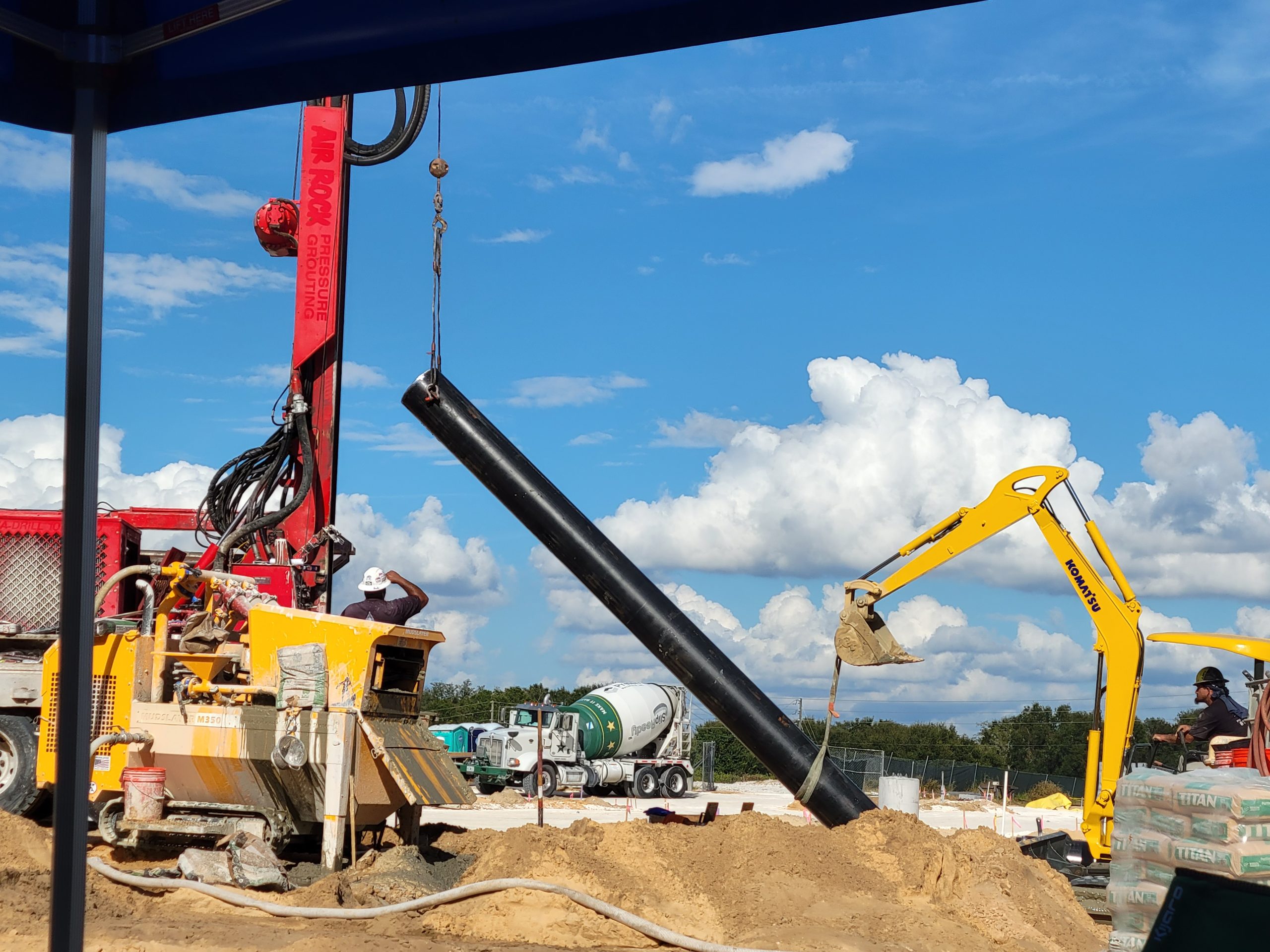
With hurricane season ending and winter rains approaching, fall is the critical window for Largo property owners to properly decommission abandoned wells before surface contaminants reach the Floridan aquifer. Learn what proper well abandonment involves, why Florida regulations require it, and why waiting carries real risk.
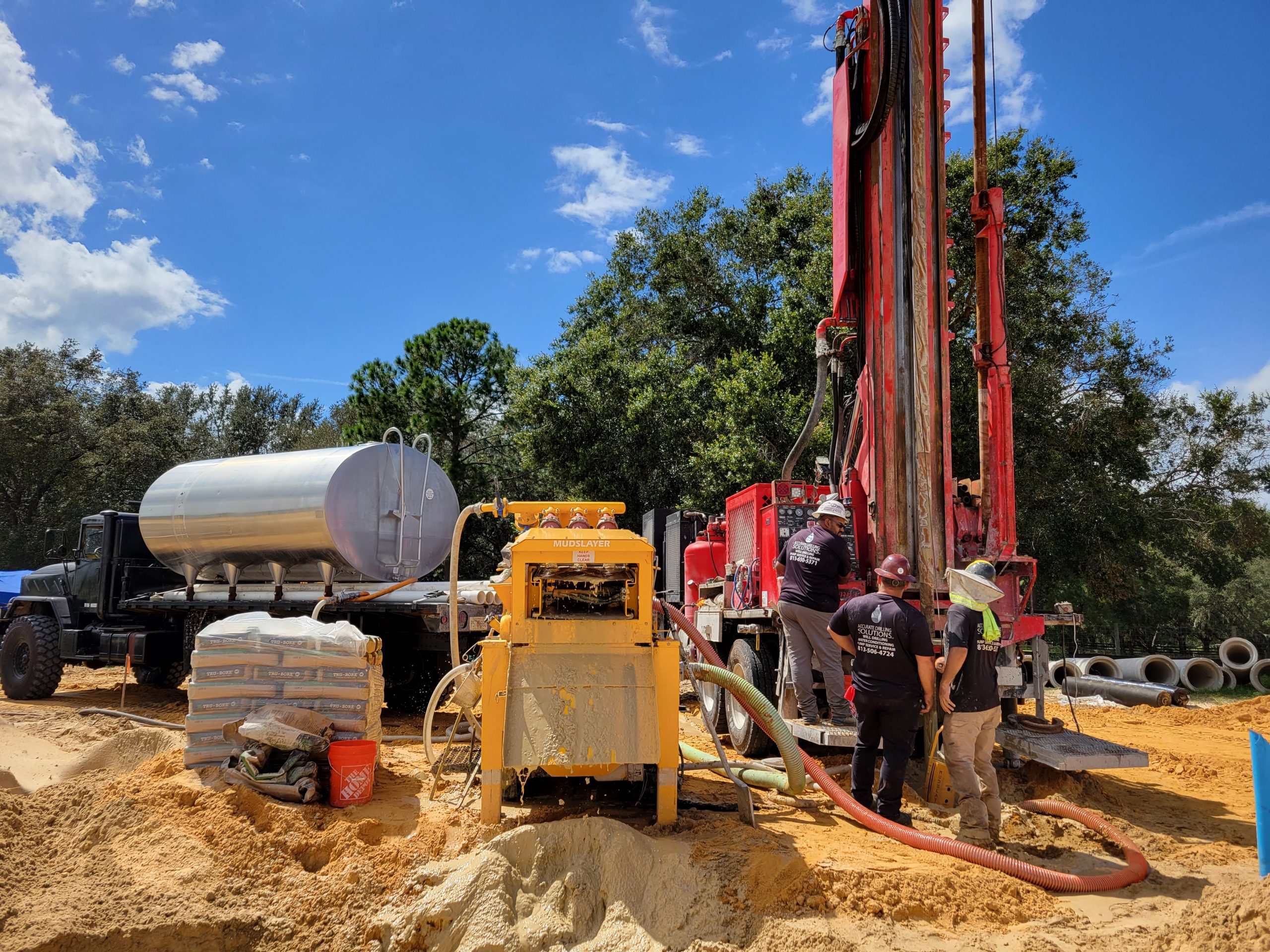
If your geothermal system in Largo is showing signs of reduced performance, the supply well may be the source of the problem. This article covers the key symptoms of well yield decline, limestone aquifer scaling, and reduced system efficiency — and what to do about them.
Selecting the right well pump system in Zephyrhills involves more than picking a pump off a shelf. This guide walks Pasco County property owners through submersible vs. jet pump comparisons, Florida-specific sizing factors, and why professional installation is the only responsible path forward.