
Drip irrigation is a valuable asset in any landscaping toolbox, and its popularity is on the rise due to its many benefits. But what is it really? This week we are presenting an introduction to drip irrigation. Read on to learn how this newer form of irrigation works, as well as the pros and cons of this method.
How Drip Irrigation Works
Drip irrigation is a means of irrigation designed to conserve water. There are series of tubes along the base of the plants that need irrigating. Each root system has a little emitter coming off of the tube. The emitter drips water onto the plant’s root system directly.
Drip irrigation is adjustable depending on how much water the plants need. Much like traditional irrigation, homeowners can set up zones on their property of plants that need less water or more water.
Irrigation professionals refer to drip irrigation in a more technical manner, calling it “subsurface drip irrigation”, also known as SDI. Subsurface means that the tubes are buried underground, this method is more popular in commercial agriculture. For residential use, the tubes are usually partially underground and partially above ground.
Pros
Adaptability
Drip systems are perfect for yards that traditional systems don’t really work for. This is especially true of yards that have odd shapes or unusual landscaping. Where traditional irrigation might overlap sprinkler heads or leave gaps between sprinklers’ reach, drip irrigation takes care of all the plants you needed to.
Good For The Planet
Drip irrigation is highly sustainable. This is because the water is not exposed to evaporation and run off risks. It is significantly better at this than traditional irrigation. Essentially, it keeps the water where it is supposed to be, in a plants root systems.
Good For Your Wallet
Because drip systems deliver water immediately to the source, it uses less water overall. The low water use hopes homeowners save plenty of money. Additionally, drip systems cost just as much or less than traditional irrigation systems to install. It even has all the same automation features that traditional systems have.
Cons
Management
Well the initial cost of installation is not high, it does have more maintenance costs than a traditional system. The tape or tubing that carries the water must be managed regularly to avoid getting plugged up. The emitters are small, which mean that sometime the same soil that they rest in, clogs up the works.
Harder To Spot Leaks
With a drip system, it is harder to tell if the system has any leaks. The tubing is all underground, so unless you catch a leak during an maintenance run, it might go unnoticed for a long time. Luckily, there is a way to counterbalance this negative aspect. Simply keep an eye on your water bill. If it spikes for no real reason, have an irrigation professional check your system for leaks.
continue reading
Related Posts
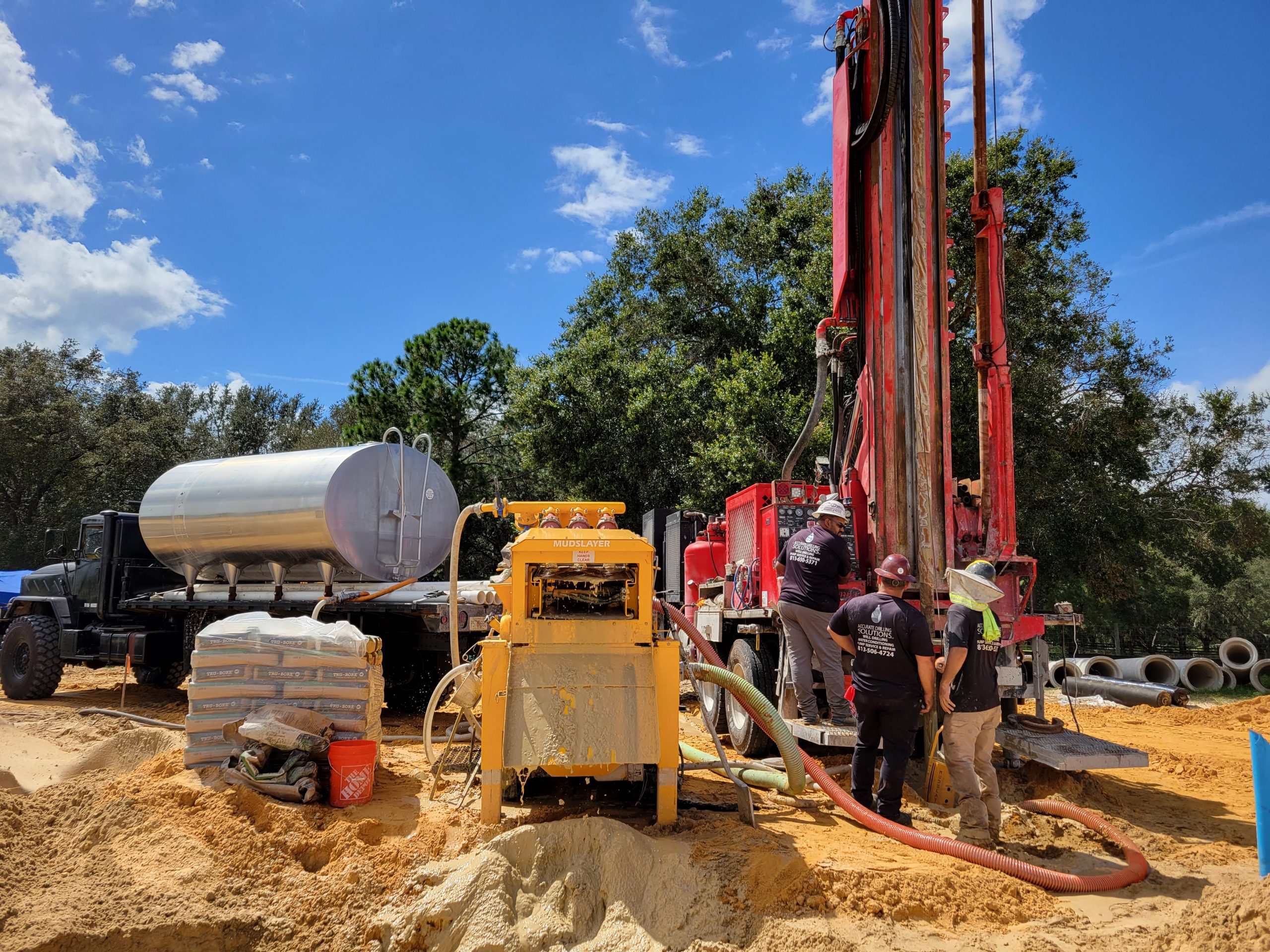
If your geothermal system in Largo is showing signs of reduced performance, the supply well may be the source of the problem. This article covers the key symptoms of well yield decline, limestone aquifer scaling, and reduced system efficiency — and what to do about them.
Selecting the right well pump system in Zephyrhills involves more than picking a pump off a shelf. This guide walks Pasco County property owners through submersible vs. jet pump comparisons, Florida-specific sizing factors, and why professional installation is the only responsible path forward.

Largo's coastal position, shallow Floridan Aquifer access, and aging residential well infrastructure create specific stress patterns on well pump systems. Understanding these local conditions helps homeowners protect their equipment before problems develop. Learn what makes Largo different — and what to do about it.