
Modern wells have an automated pump that does all of the work for us. However, water wells didn’t always work like that. Well the original water well simply had a bucket that was lowered and then brought up, the next step up from that was the hand pump. This week we are exploring how a hand pump well works. Read on to learn how the grandfather of modern wells functioned.
History
Hand pumps have been around for literally hundreds of years and are still in use today. There have been many iterations of the hand pump over the years as well as various locales. Hand pumps certainly have been useful, but they also caused some serious problems over the years due to their lack of filters. Infamously, cholera outbreaks in the Victoria era were traced back to a public hand pump well.
Modern Uses
In America, hand pump wells are almost entirely defunct. Generally, they are only used in historical reenactment sites or the most rural communities. More commonly, hand pump wells are used in third world countries that are low in resources. This is because the wells are considered the most cost and time efficient poor resource scarce countries.
Suction And Lift Hand Pumps 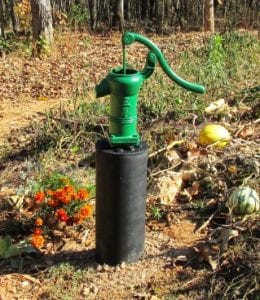
Suction and lift pumps are the most traditional form of hand pumps. They can only operate down to a distance of less than 23 feet. When the operator moves the handle of the pump up, it moves a seal down the shaft of the well. This seal is fitted tightly inside the shaft, so when the operator pushes the handle of the well back down, it lifts the seal. This creates suction which draws water up the inside of the well shaft. Eventually, the water reaches the spigot and exits the well.
Force Pump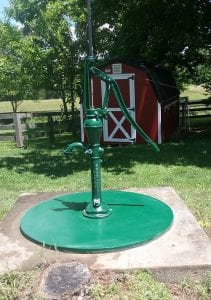
Force pumps are important when the water is more than 22 feet below the surface. Essentially, force pumps are used when suction and lift pumps won’t do. Alternatively, it may be used for shallower water that needs to exit the pump with greater pressure. For example, through a firehose.
A force pump usually looks like a taller version of a suction and lift pump. An operator still has to pump a handle, but the insides of the well work a little differently. Instead of having the spigot near the top of the well, it is near the bottom. The suction principle is still the same, it draws water up into the body of the well. However, when the operator pushes back down on the handle of a force pump, all of the water is pushed out of the bottom spigot. This creates a much more forceful flow then a suction and lift hand pump. Due to the fact that the spigot is lower on the body, it also means that water does not have to be drawn as far up the body of the well. That is perfect for water deeper under the ground.
continue reading
Related Posts
With hurricane season ending and winter rains approaching, fall is the critical window for Largo property owners to properly decommission abandoned wells before surface contaminants reach the Floridan aquifer. Learn what proper well abandonment involves, why Florida regulations require it, and why waiting carries real risk.
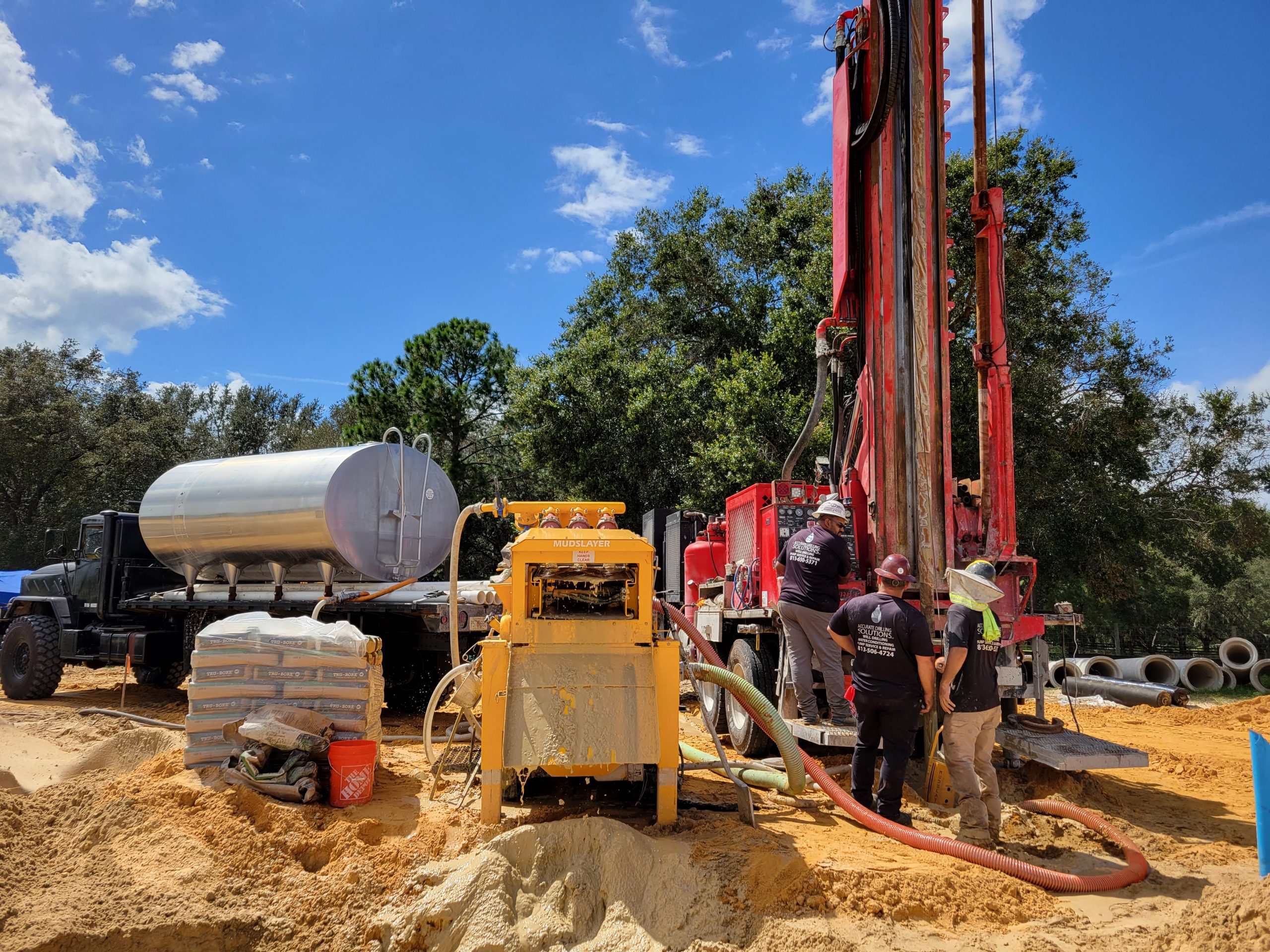
If your geothermal system in Largo is showing signs of reduced performance, the supply well may be the source of the problem. This article covers the key symptoms of well yield decline, limestone aquifer scaling, and reduced system efficiency — and what to do about them.
Selecting the right well pump system in Zephyrhills involves more than picking a pump off a shelf. This guide walks Pasco County property owners through submersible vs. jet pump comparisons, Florida-specific sizing factors, and why professional installation is the only responsible path forward.