

When someone says the word “well”, people picture a fairytale well. Snow White sitting beside a stone casing, turning a handle to raise and lower a wooden bucket. However, modern wells are very different. The type of well is determined by how the well is dug. Read on to learn all about the different what type of well option will work for your home.
Factors That Determine Well Digging Methods
There are many factors that determine how a well can be dug.
- Type of soil
- Digging history on the property
- Intended depth of well
- Distance from underground sewer lines and septic tank
Types of Wells
-
Percussion Drilled Well
A percussion drilled well uses gravity to its advantage. A heavy chisel is repeatedly dropped against the ground to form a borehole into the aquifer. Drilling any well impacts the local flora and fauna temporarily. However, percussive drilling can be particularly invasive. If your anticipated location is near a home for a protected species, a percussion drilled well is not an option. For example, gopher tortoises burrow below ground to lay eggs. This burrowing means that no percussive drilling is allowed withing a significant distance.
-
Rotary Drilled Well
A rotary drill is the most traditional type of drill. The drill is shaped into a cone with ridges, and it rotates into the earth. A solution has to be used to keep the drill cooled and maintain the stability of the borehole.
Depending on the type of soil, different solutions are used. Firstly, there is mud drilling. The mud drilling solution is made of bentonite clay and water. In addition, there is air drilling, which uses an air compressor to blast air to keep the drill cool.
These solutions actually serve many purposes. Yes, it does keep the drill cool, but they do much more than that. A big issue with drilling is getting the debris out of the borehole. Above all, this is the solution’s job. Solutions also prevent the borehole from collapsing and lubricate the parts of the drill.
-
Driven Well
A driven well is a more primitive type of well. It is not widely used and requires a rather specific set of circumstances. A driven well functions somewhat like a hammer and nail. There is a pipe with a point on the end, and a filter already installed in the pipe. This pipe is driven down into the ground until it hits water. Obviously, a driven well can only be used at a shallow level.
-
Dug Well
A dug well is the type of well mentioned at the beginning of this article. The old-school, hand-dug well of old. However, dug wells are almost never used in the current day. If they exist, they are usually not for residential use because there is no filter system.
-
Bored Well
Bored wells are essentially the dug wells of the modern world. They are excavated using augers, and much more of the work is manual labor, rather than machine labor. These types of wells are typically lined with concrete.
If you have any questions about what type of well should go into your property, you should first contact your local drilling company. They should be able to come to your property and provide a quote. In addition, they will let you know what type of well works for your home.
continue reading
Related Posts
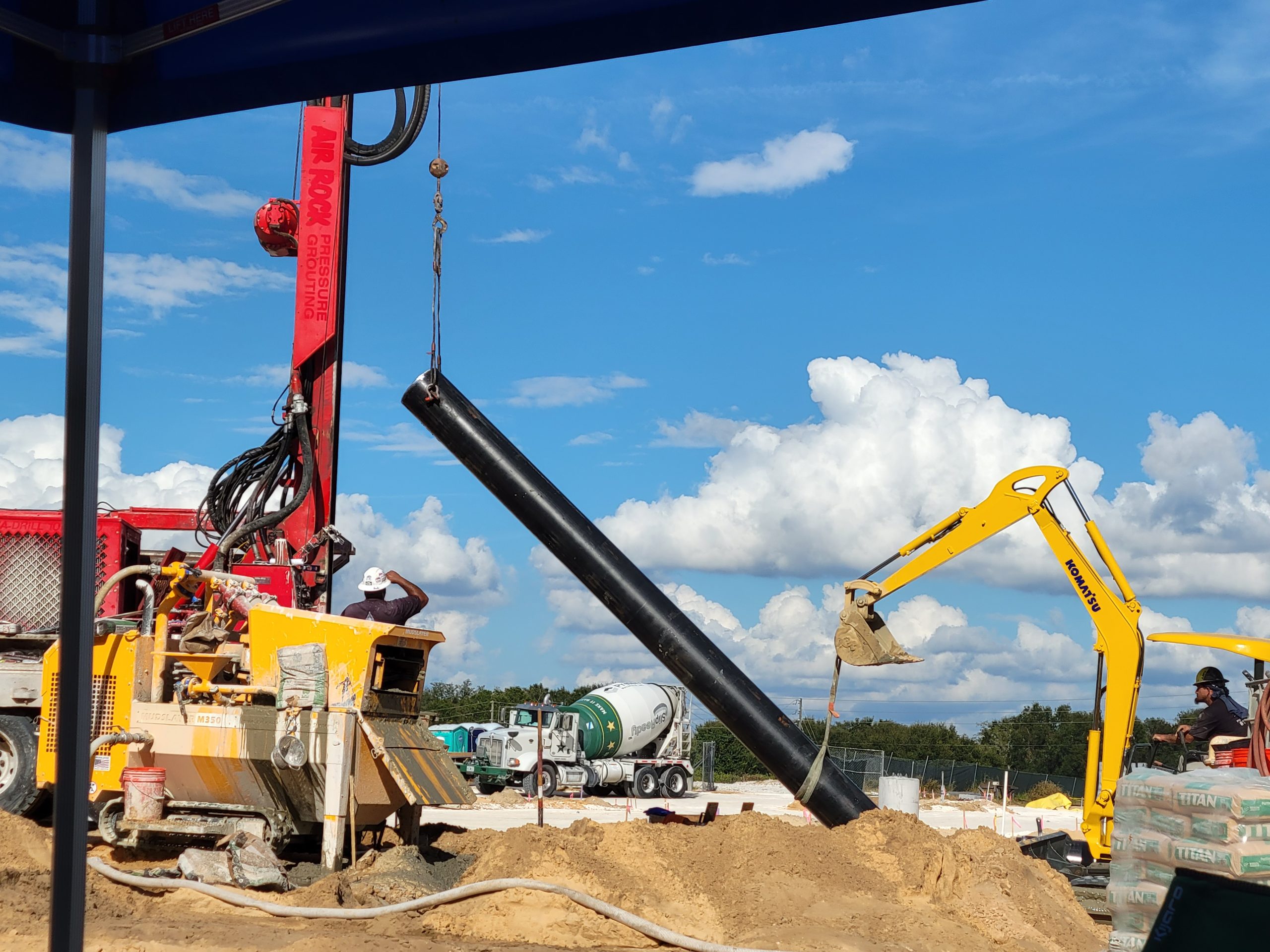
With hurricane season ending and winter rains approaching, fall is the critical window for Largo property owners to properly decommission abandoned wells before surface contaminants reach the Floridan aquifer. Learn what proper well abandonment involves, why Florida regulations require it, and why waiting carries real risk.
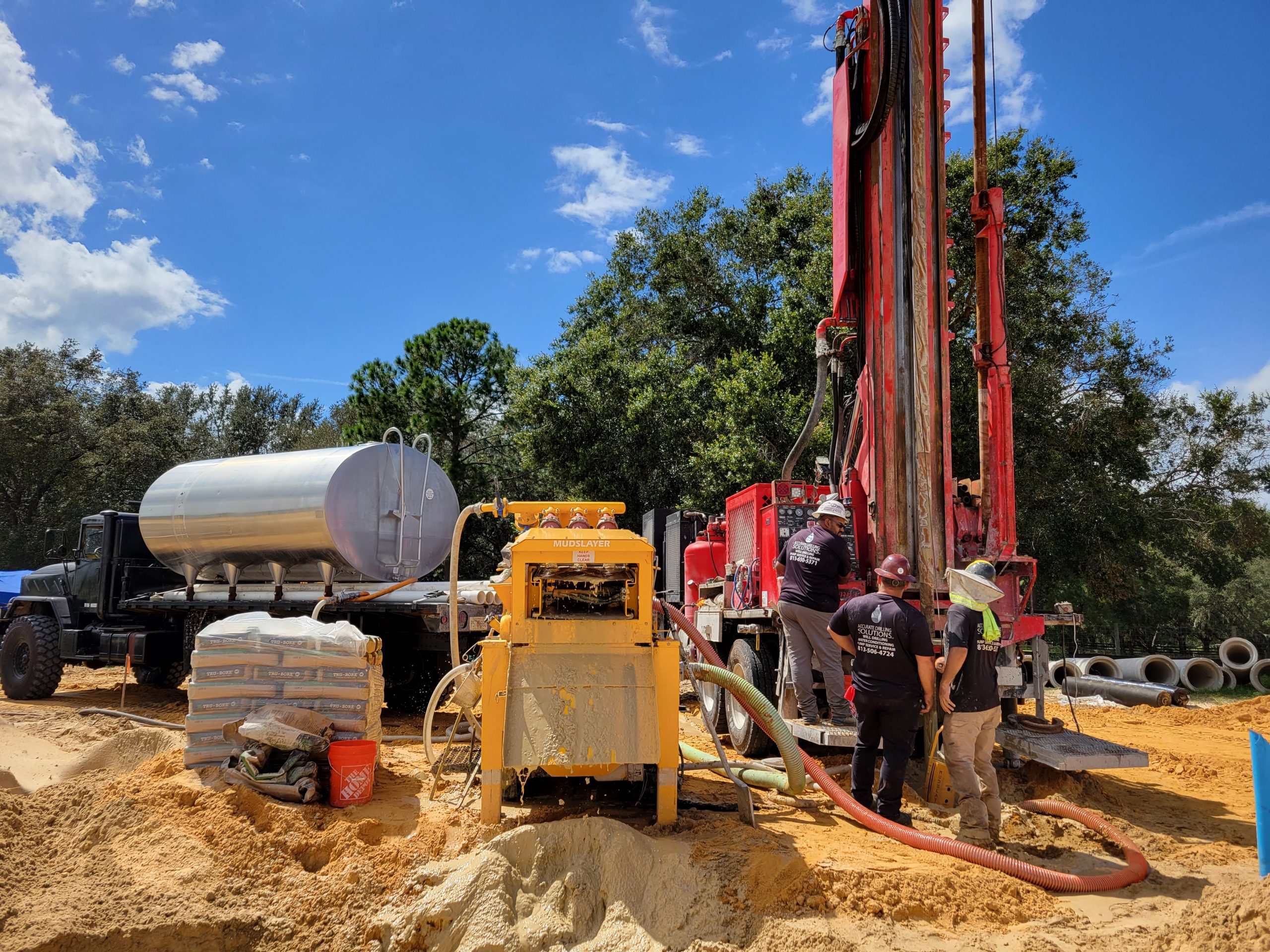
If your geothermal system in Largo is showing signs of reduced performance, the supply well may be the source of the problem. This article covers the key symptoms of well yield decline, limestone aquifer scaling, and reduced system efficiency — and what to do about them.
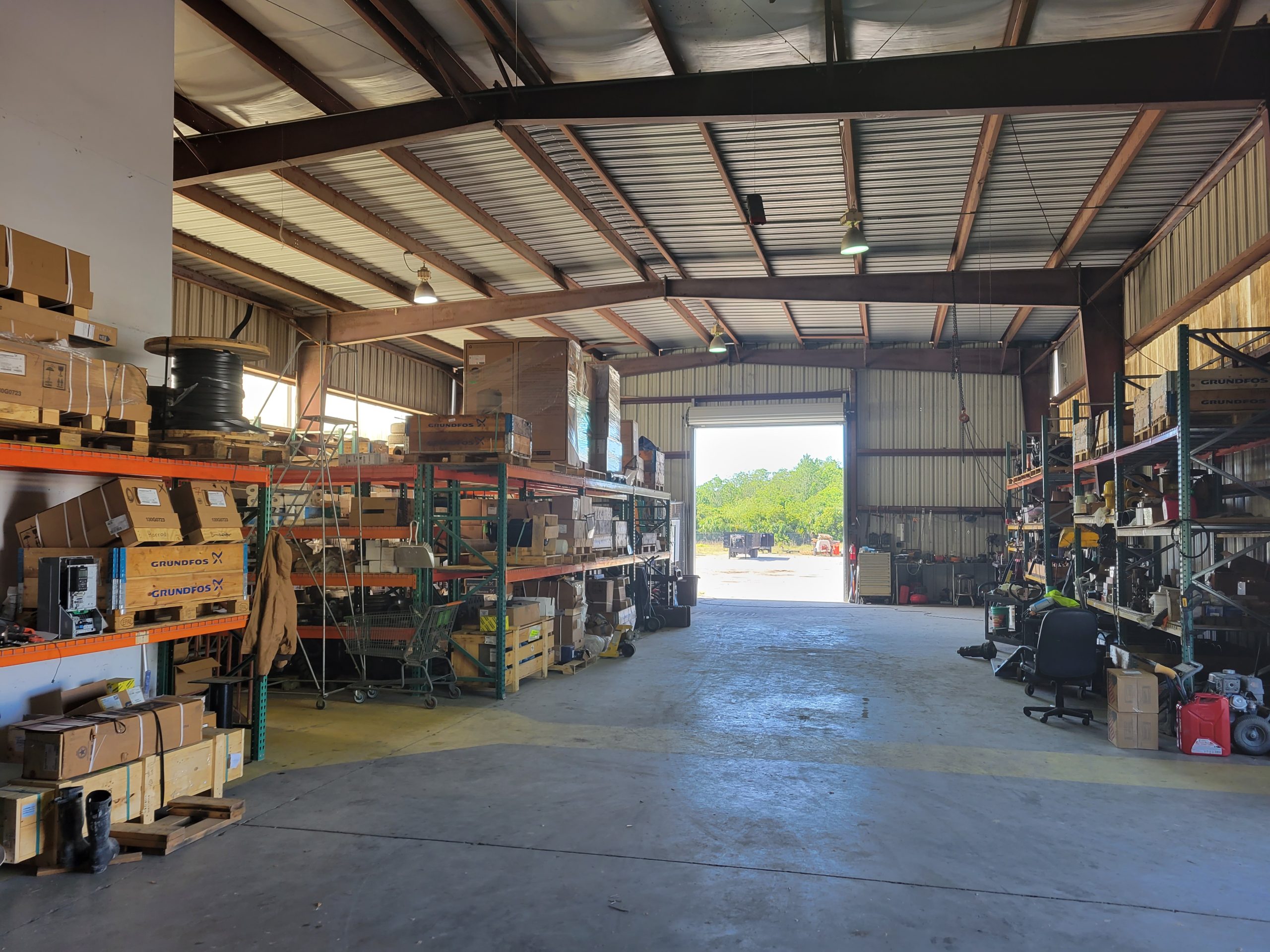
Selecting the right well pump system in Zephyrhills involves more than picking a pump off a shelf. This guide walks Pasco County property owners through submersible vs. jet pump comparisons, Florida-specific sizing factors, and why professional installation is the only responsible path forward.