Hurricane season is winding down, the air is finally cooling off, and Largo property owners are shifting their attention from storm prep to fall maintenance. It’s a good instinct. And if your property has an old, unused, or deteriorating well sitting on it, right now is exactly the time to act. Fall conditions in Pinellas County create a narrow window that makes well decommissioning both practical and urgent — and understanding why starts with what happens underground when winter rains arrive.
Why Fall Is the Critical Window for Well Abandonment in Largo
Florida’s wet season saturates the ground with water from June through September. Tropical systems push additional surface water — along with anything riding in it — into the soil. Fertilizers, petroleum residue, bacteria, and other contaminants collect near the surface during this period. When cooler, drier fall weather arrives, that saturated ground begins to settle, and water slowly percolates downward.
An abandoned well with a damaged casing, a missing cap, or no proper grouting acts like a direct channel into the Floridan aquifer. Instead of filtering through natural soil layers, surface water can travel straight down through an old wellbore. This is the core contamination risk that Florida regulators and water management districts take seriously — and why well plugging Florida regulations require proper decommissioning rather than simply capping a well and walking away.
Addressing an abandoned well before the winter rain pattern intensifies gives you the best chance to close off that pathway before contaminants have another season to work their way deeper. Waiting until spring means the aquifer has already absorbed another wet winter with that exposure point open.
What Counts as an Abandoned Well Under Florida Law
Many property owners aren’t sure whether their unused well actually qualifies as “abandoned” in a legal sense. Under Florida law, a well is generally considered abandoned when it is no longer in use and not properly maintained or protected. That includes:
- Old irrigation wells that were disconnected when city water became available
- Former domestic supply wells replaced by municipal service
- Wells with damaged, deteriorated, or missing surface casings
- Monitoring wells that are no longer active
- Wells that have simply been ignored on a property for years
In Largo and across Pinellas County, older residential lots — especially those developed before widespread municipal water expansion — often have a forgotten well somewhere on the property. Sometimes it’s documented. Sometimes it shows up during a property sale inspection or when a contractor starts digging. Either way, Florida law requires that abandoned wells be properly decommissioned by a licensed well contractor.
What Proper Well Decommissioning Actually Involves
This is where professional well abandonment Largo property owners need differs from a simple “fill and forget” job. Proper decommissioning under Florida regulations involves more than plugging a hole.
Inspection and Assessment
Before any material goes into a well, the condition of the casing, depth, and surrounding geology needs to be assessed. In Pinellas County’s limestone-heavy terrain, the wellbore may intersect multiple aquifer zones. Understanding that profile matters for choosing the right abandonment approach. A video well inspection can reveal casing condition and any obstructions before work begins, giving the contractor the information needed to do the job correctly.
Grouting the Wellbore
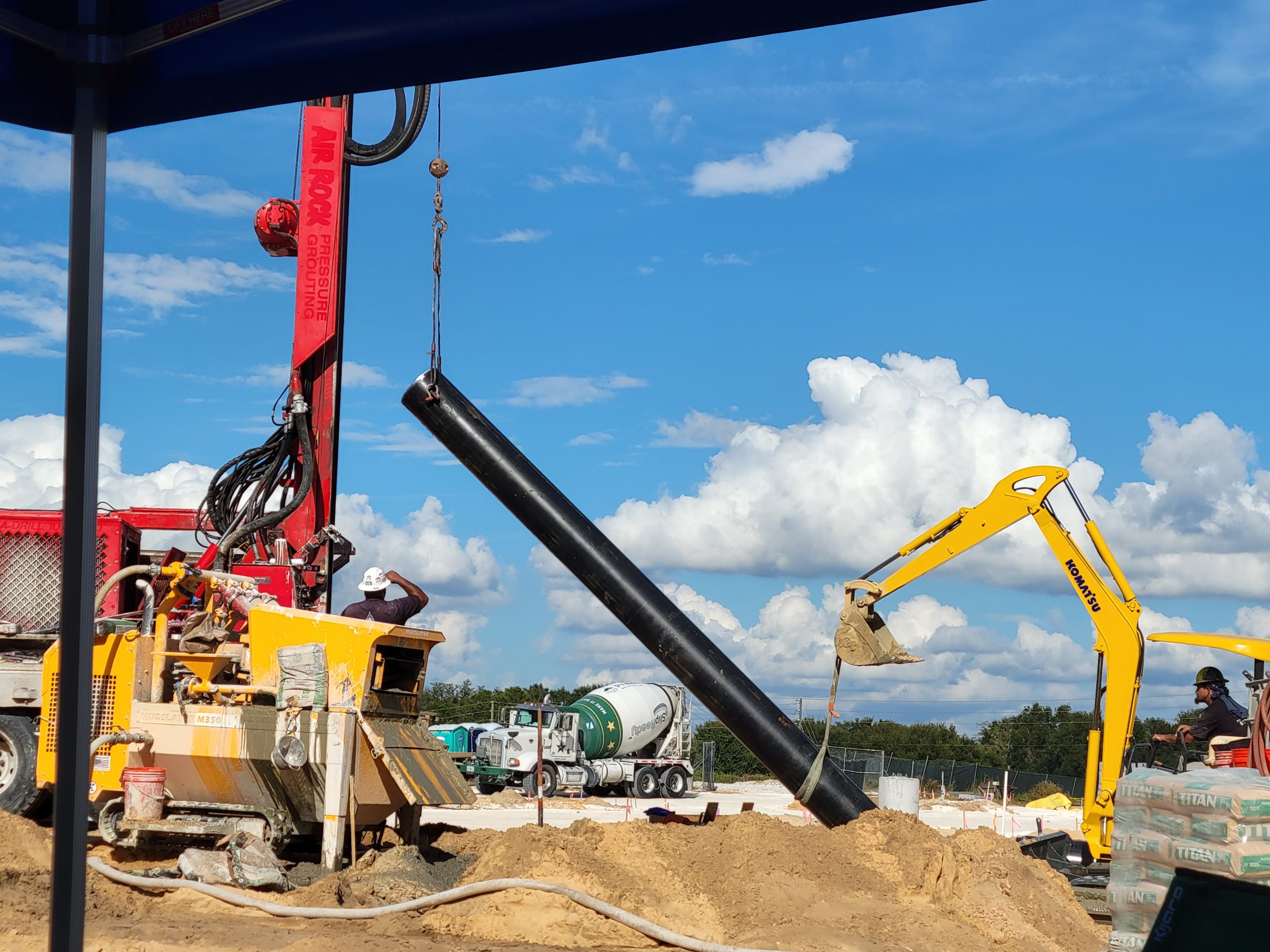
Florida’s well plugging regulations require that abandoned wellbores be filled with an approved grouting material — typically neat cement or bentonite — from the bottom of the casing to the surface. This grouting seals off the pathway between surface conditions and the aquifer below. It’s not optional, and the material type and placement method must meet Southwest Florida Water Management District (SWFWMD) standards.
Casing Removal or Proper Cutting
Depending on the well’s construction and depth, the casing may need to be pulled or cut below grade. Leaving a steel casing sticking up or just below the surface without proper sealing doesn’t satisfy the requirements for aquifer contamination prevention under state rules.
Permitting and Documentation
A licensed contractor pulls the required permits and files the completion report with the appropriate water management district. You receive documentation that the well was properly decommissioned — which matters for real estate transactions, insurance, and regulatory compliance. This paperwork is not a formality; it’s your legal protection.
The Real Risk of Leaving an Abandoned Well Unaddressed
Beyond regulatory liability, the groundwater risk is practical and local. Largo draws heavily on the Floridan aquifer system, which supplies water to communities across Pinellas County. An improperly abandoned well doesn’t just affect your property — it creates a contamination pathway that connects surface conditions directly to a shared resource.
Old wells on Largo properties may also have issues beyond simple disuse. Steel casings corrode in Florida’s humid, mineral-rich soil. Concrete surrounds crack. Caps blow off in hurricanes. A well that was serviceable ten years ago may now be a wide-open channel into the ground. The longer that condition persists, the more exposure accumulates.
There’s also a physical safety element. An open or poorly sealed wellbore is a fall hazard for children, pets, and workers on the property. Proper well decommissioning Pinellas County standards address this as well, requiring that the surface be restored to grade.
How to Know If You Have an Abandoned Well on Your Property
If you purchased an older Largo property — particularly one built before the 1980s — there’s a reasonable chance a well exists somewhere on the lot, whether you know about it or not. Signs to look for include:
- A visible pipe, casing, or concrete pad in the yard with no active use
- A soft or sunken spot in the ground, sometimes circular
- Old pump equipment or pressure tanks in a shed or garage that aren’t connected to anything
- Property records or survey documents referencing a well
If you’re not sure, a professional site assessment can help identify whether a well exists and what condition it’s in. The Accurate Drilling Solutions team serving Largo is familiar with the property types and well histories common across Pinellas County and can evaluate your specific situation.
Why Fall Scheduling Works in Your Favor
Beyond the aquifer contamination timing, fall is practically the best season to schedule this work in the Tampa Bay area. The extreme summer heat has passed. Ground conditions are typically more stable after the wet season. Contractor schedules, while still active, are less compressed than during the spring rush. Getting the work done now means your property heads into the new year with that liability closed.
HOAs and CDDs managing common areas or community-owned infrastructure should note that fall is also a strong time for well system audits across an entire property portfolio — identifying not just abandoned wells but any wells approaching end of service life. Learn more about Accurate Drilling Solutions’ well abandonment services and what the process involves from start to finish.
If you have questions about a specific well on your Largo property or want to schedule an assessment before winter rains arrive, call Accurate Drilling Solutions at 813-643-6161. The window to act responsibly is open right now — and it won’t stay that way.
Frequently Asked Questions
What is well abandonment and why is it required in Florida?
Well abandonment is the process of permanently decommissioning a well that is no longer in use. Florida law requires proper abandonment because an unsealed or improperly closed well can act as a direct conduit for surface contaminants to reach the Floridan aquifer. The process must be performed by a licensed well contractor and completed in accordance with Southwest Florida Water Management District standards.
How do I know if a well on my Largo property needs to be decommissioned?
Any well that is no longer actively used and is not properly maintained or sealed should be evaluated for decommissioning. This includes old irrigation wells, former domestic supply wells, and any wellbore with a damaged, missing, or deteriorating casing or cap. A professional site assessment can confirm the well’s status and condition before any work is planned.
Can I just cap the old well myself and leave it?
No. Placing a cap on a well does not meet Florida’s requirements for proper abandonment. State and water management district regulations require that the wellbore be filled with approved grouting material from the bottom up, with permits pulled and a completion report filed by a licensed contractor. Improper closure can result in regulatory liability and does not eliminate the contamination risk.
Does well decommissioning require a permit in Pinellas County?
Yes. Well abandonment in Pinellas County requires a permit from the Southwest Florida Water Management District. A licensed well contractor handles the permitting process and files the required completion documentation upon finishing the work. This documentation is important for property records, real estate transactions, and demonstrating regulatory compliance.
Why does fall matter specifically for addressing an abandoned well?
After Florida’s wet season and hurricane season, surface contaminants accumulate in saturated soil. As winter rains begin, that water percolates downward — and an open or improperly sealed well creates a direct pathway into the aquifer. Addressing an abandoned well before the winter rain pattern intensifies reduces the risk of contaminants traveling deeper into the groundwater supply during that percolation cycle.
How long does the well abandonment process typically take?
The timeline depends on the well’s depth, construction type, and any complications discovered during inspection. Most residential well abandonment projects are completed within a day or two of scheduled work, though permitting lead times vary. Scheduling in fall, ahead of the winter wet period, allows adequate time for permitting and completion before conditions change.
continue reading
Related Posts
If your geothermal system in Largo is showing signs of reduced performance, the supply well may be the source of the problem. This article covers the key symptoms of well yield decline, limestone aquifer scaling, and reduced system efficiency — and what to do about them.
Selecting the right well pump system in Zephyrhills involves more than picking a pump off a shelf. This guide walks Pasco County property owners through submersible vs. jet pump comparisons, Florida-specific sizing factors, and why professional installation is the only responsible path forward.

Largo's coastal position, shallow Floridan Aquifer access, and aging residential well infrastructure create specific stress patterns on well pump systems. Understanding these local conditions helps homeowners protect their equipment before problems develop. Learn what makes Largo different — and what to do about it.